What Eats Foxes? 10 Predators, From Coyotes to Eagles
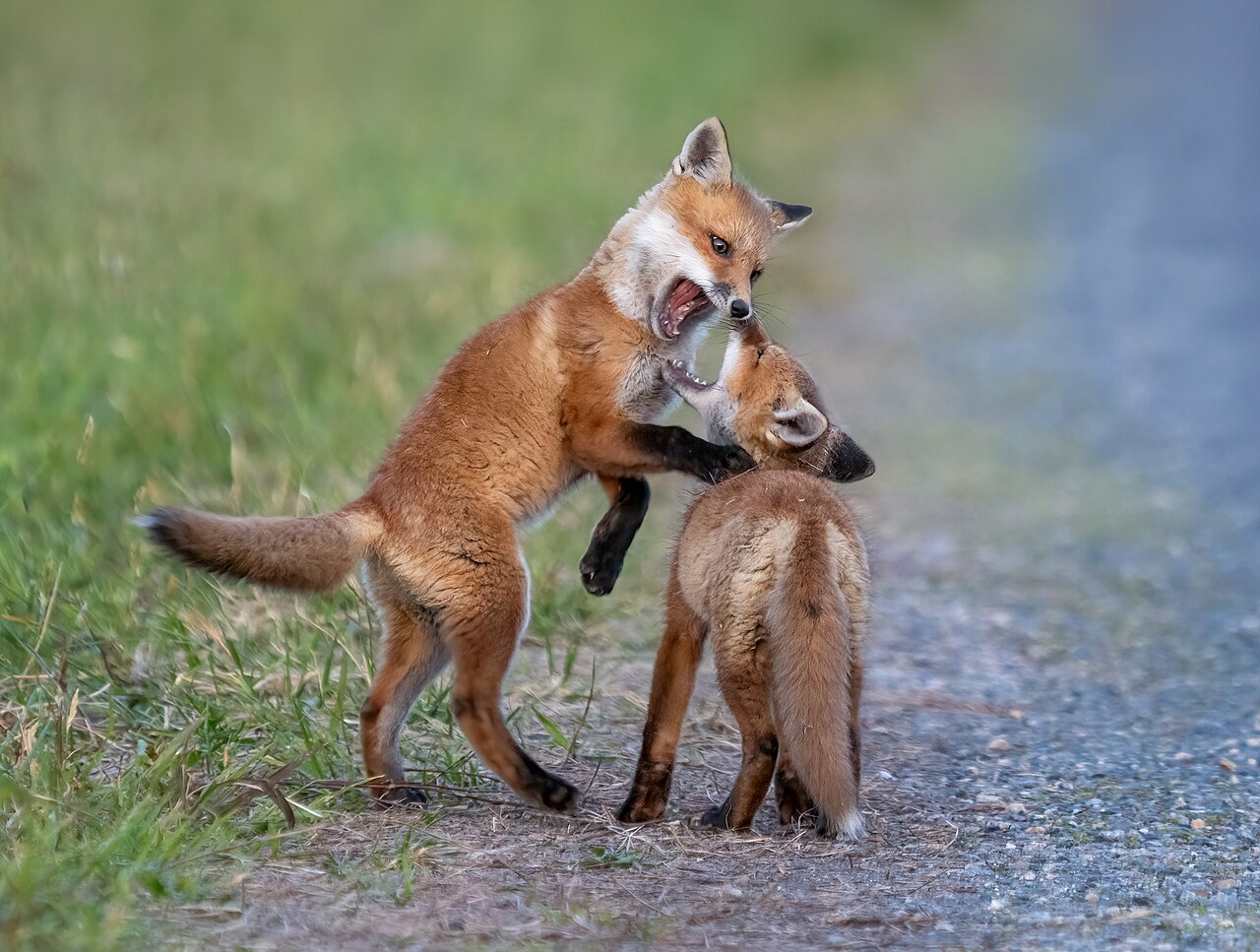
Coyotes, wolves, golden eagles, and great horned owls are the main wild predators of foxes, and near towns, dogs, cars, and people add further threats. Which predator matters depends on where a red fox (Vulpes vulpes) lives, how old it is, and how close to people it dens.
Foxes are mid-level predators, so only larger hunters kill them. Ten predators do: coyotes, gray wolves, golden eagles, great horned owls, bobcats, Eurasian lynx, domestic dogs near homes, and, rarely, cougars and black, brown, and polar bears. Kits die at far higher rates than adults.
Where Foxes Sit in the Food Chain
Foxes are not apex predators wherever wolves, coyotes, or lynx share their range. Ecologists call them mesopredators, hunters that eat small prey while larger carnivores hunt them. A fox’s diet runs from voles and rabbits to insects and fruit.
Remove wolves and coyotes, and the fox becomes the local top predator. That happens in much of the farmland and in some suburbs where large carnivores are gone. Without a bigger rival, a fox family holds its territory with little to fear beyond people and traffic.
Bigger predators kill foxes for two reasons. Some eat them. Others kill them to remove a rival for the same mice and rabbits and leave the body. Kits in their first months face far more of these predators than adults, because they are small, slow, and curious.
| Predator | Where it overlaps with foxes | Usual target | Main hunting time |
|---|---|---|---|
| Coyote | Most of North America, including suburbs | Kits and adults | Dusk and night, also by day |
| Gray wolf | Northern forests and tundra | Occasional kits and adults | Day and night |
| Golden eagle | Open country in the West and far north | Kits, a few adults | Day |
| Great horned owl | Across the Americas | Kits near the den | Night |
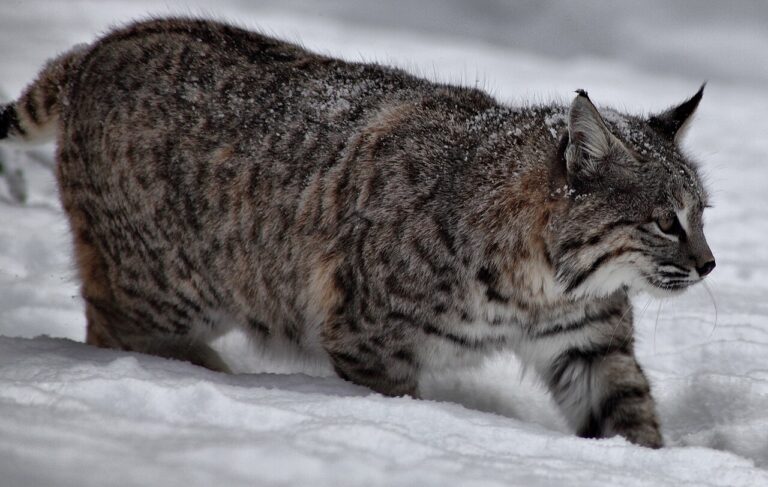
| Bobcat | Brushy habitat across the U.S. | Kits and small adults | Dusk and dawn |
| Eurasian lynx | Forests of Europe and Asia | Adults and kits | Dusk and night |
| Cougar | Western mountains and Florida | Rarely, adults at kills | Dusk and night |
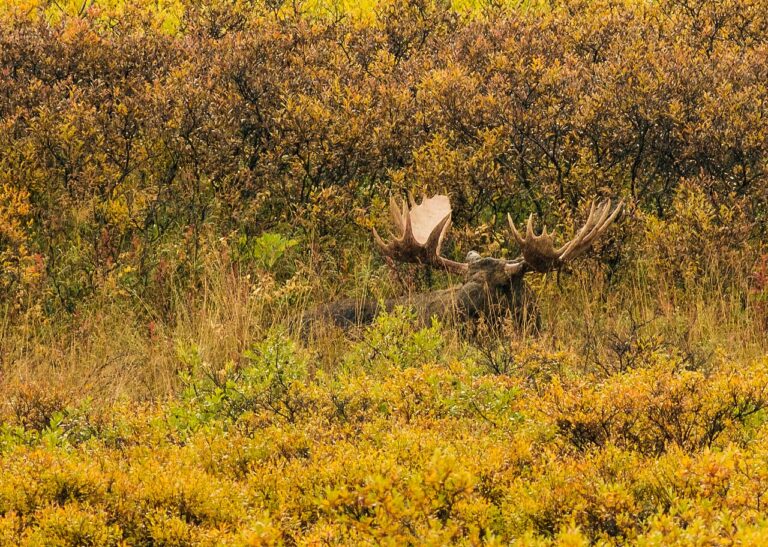
| Black and brown bears | Northern and western forests | Kits and adults, rarely | Day |
| Polar bear | Arctic sea ice | Rarely arctic foxes | Day and night |
| Domestic dog | Towns, farms, and parks | Kits and adults | Day |
Coyotes and Wolves, the Usual Fox Killers
The coyote (Canis latrans) is the fox’s main wild enemy across most of North America. Coyotes kill red foxes and gray foxes (Urocyon cinereoargenteus) as rivals, and they eat them when food is short. Where coyote numbers rise, fox numbers drop.
Red foxes answer by avoiding coyotes, using different places and different times of day.
Gray wolves (Canis lupus) kill foxes only occasionally. Red foxes scavenge from wolf kills and show little avoidance of the wolves. Fox activity patterns shift around these rivals, and in some cities foxes and coyotes split their active hours.
Eagles and Owls That Hunt Foxes
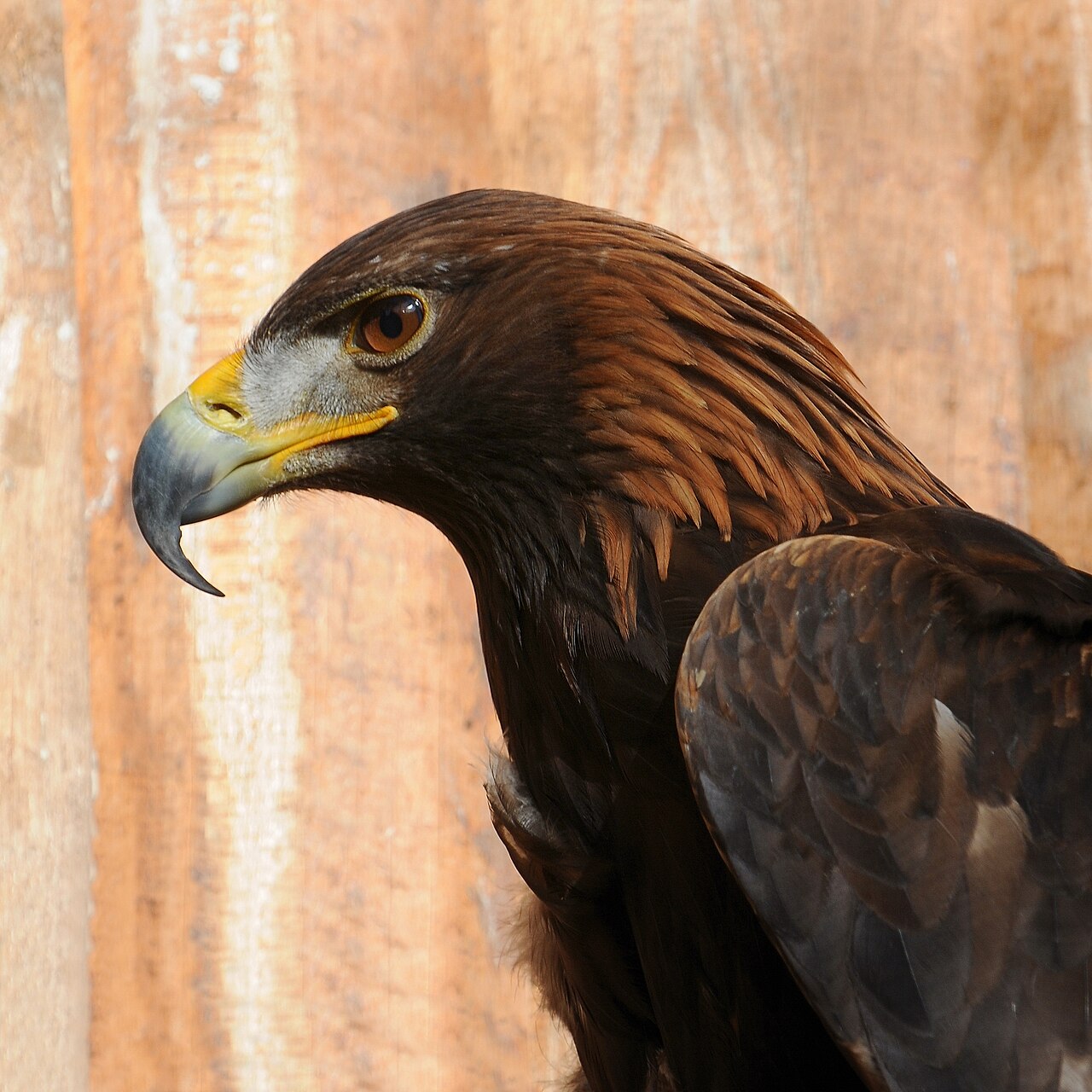
Golden eagles (Aquila chrysaetos) take fox kits and a few adult foxes in open country. They hunt across grassland, mountain slopes, and tundra, where a fox has little cover. A stoop from height gives the fox little warning.
The great horned owl (Bubo virginianus) works the night shift. It waits near the den entrance and takes kits that wander out after dark. Spring is the danger season, when young foxes play outside the den and forget to look up.
Fox family groups guard the den together, but the adults cannot watch every kit at once. Hawks such as the red-tailed hawk (Buteo jamaicensis) lack the size for anything but very young kits.
Bobcats, Lynx, Cougars, and Bears
Bobcats (Lynx rufus) ambush foxes in brushy habitat, kits and smaller adults. Eurasian lynx (Lynx lynx) take foxes across much of their shared range in Europe. Both cats kill from cover at close range.
Cougars (Puma concolor) rarely kill foxes, and foxes scavenge at cougar kills instead. American black bears (Ursus americanus) and brown bears (Ursus arctos) are opportunists and kill a fox if the chance comes.
The arctic fox (Vulpes lagopus) trails polar bears (Ursus maritimus) across the sea ice to eat their scraps. Polar bears can kill an arctic fox, but they rarely do.
Humans and Dogs: The Threats Near Homes
People are a major cause of fox deaths through traffic, hunting, and trapping. In farm country in Illinois, coyotes killed about as many red foxes as roads did, each causing about 40% of deaths. Road traffic is a major killer of urban foxes too, especially young foxes that disperse in fall, though a study of urban foxes in Illinois found mange the main cause of death, followed by roads.
Large dogs (Canis familiaris) can kill a fox, and foxes run from dogs rather than fight. A fox that keeps its distance from a barking dog is behaving normally. Kits caught in the open by a loose dog have the worst odds.
House cats (Felis catus) pose little threat to an adult fox.
Hunger, Disease, and Hard Winters
Hard winters kill young foxes without any predator involved. Deep snow hides rodents, and a first-year fox with little hunting skill starves before spring.
Foxes cache surplus food when it is plentiful and dig it up later. They also hunt by ear, then pounce through the snow onto mice and voles they cannot see.
Rabies kills infected foxes. More than 90% of reported rabies cases in U.S. animals occur in wildlife, as the CDC rabies overview notes. Sarcoptic mange, caused by a mite, strips fur and weakens a fox, leaving it easier prey and exposed to cold.
Foxes Around Your Home
A fox in your yard is not a problem by itself. The danger foxes pose comes from behavior and disease, not from a sighting.
In the Yard A fox that hangs around has found food or a den site nearby. Fallen birdseed, pet food, compost, and the space under a deck all draw it in.
Odd Behavior A fox that staggers, acts tame, or attacks without reason needs distance. Rabies spreads mainly through bites or scratches from an infected animal. Call animal control and keep pets inside.
After a Bite or Scratch Call a doctor or your health department the same day. Post-exposure care is nearly 100% effective when it starts before symptoms appear.
Frequently Asked Questions
Can a golden eagle kill an adult fox?
Yes. A golden eagle weighs 7 to 13 lb (3.2 to 5.9 kg), close to a small red fox, and kills with the grip of its talons rather than its beak.
Can a great horned owl carry off a fox?
No, only a kit. A great horned owl weighs about 3 lb (1.4 kg), while an adult red fox weighs 8 to 15 lb (3.6 to 6.8 kg).
Can a fox outrun a coyote?
No, not over open ground. Red foxes reach about 30 mph (48 km/h) and coyotes about 40 mph (64 km/h), so a fox escapes into a den or thick cover, and a gray fox climbs a tree, the only wild canid in the Americas that can.
Will a fox eat a cat or small dog at night?
No. Foxes avoid adult cats and dogs, but a kitten or a very small dog left outside at night can be taken.
Is a fox that stops and stares at you a threat?
No. A fox that freezes and stares is checking whether you are a predator, the same check it runs on coyotes and dogs, and it leaves once you step toward it.
Sources
- Centers for Disease Control and Prevention, About Rabies
- Journal of Wildlife Management, Survival and Cause-Specific Mortality of Red Foxes in Agricultural Landscapes
- University of Illinois, Urban Red Fox Study
- Urban Ecosystems, Coyote and Red Fox Coexistence in Chicago
- Humane World for Animals, What to Do About Foxes
Explore more: What Eats What: The Backyard Food Chain Explained