Black Rabbit Symbolism: Spiritual Meaning and Signs
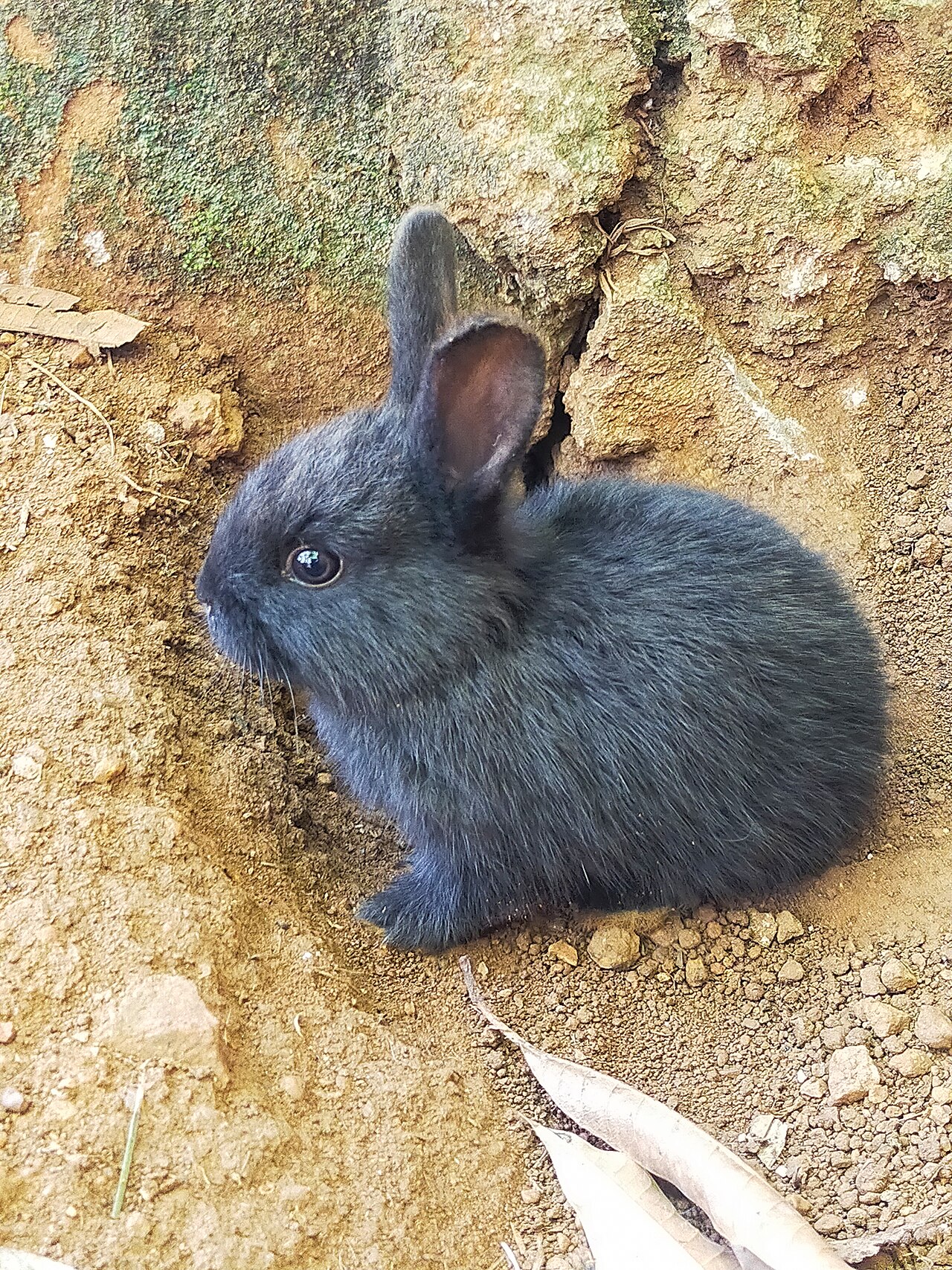
Spiritually, a black rabbit stands for intuition, hidden change and the parts of yourself you keep out of sight. Black rabbit symbolism joins two old images. The rabbit brings fertility, alertness and quick escape, and black brings night, shadow and what has not surfaced yet. Together they make a sign about noticing what moves below the surface before it shows.
Rabbit lore is old, and much of it gets credited to the wrong animal. Hares carry the witch and moon stories, rabbits carry the lucky foot, and the most famous black rabbit of all came from a 1972 novel.
As a sign, a black rabbit points to intuition, change and shadow work. The rabbit brings alertness and new beginnings, and black adds the hidden side. Its message is to trust a quiet instinct, protect what is vulnerable and act on a chance before it runs. The documented rabbit luck customs all promise good fortune.
What Does a Black Rabbit Symbolize Spiritually?
A black rabbit symbolizes intuition and hidden change. The rabbit half of the image is fertility, alertness and vulnerability, an animal that survives by noticing danger first. The black half is night and the unseen. Together they point to something you sense before you can name it.
Rabbits of every color carry the base meanings of fertility, quickness and new life. Black narrows them. A white rabbit leans toward innocence and spring, while a black one leans toward secrets, unspoken grief and plans still in the dark. The darker reading is not a threat. It asks for attention.
The coat color itself is biology. Black fur in a rabbit comes from melanism, a heavy deposit of the dark pigment melanin, or from deliberate breeding. The eastern cottontail (Sylvilagus floridanus) is brown in the wild, and black is a common color in the domestic rabbit (Oryctolagus cuniculus). Oregon State University Extension explains that a dominant B allele gives a rabbit a black base coat, which is why breeders can produce black rabbits on purpose. The meaning belongs to the observer, not to the genes.
| Context | Meaning | Where it comes from |
|---|---|---|
| Black coat | Hidden matters, shadow, intuition | Modern symbolic reading |
| Rabbit’s foot | Good luck and protection | African American hoodoo practice |
| “Rabbit rabbit” | Luck for the coming month | British custom on the first day of a month |
| Centzon Totochtin | 400 rabbit gods of pulque and drunkenness | Aztec religion |
| Hare in the food laws | Unclean animal | Leviticus 11:6, Deuteronomy 14:7 |
| Black rabbit in a dream | A secret, a fear or a fresh start | Modern dream interpretation |
| Black Rabbit of Inlé | Death that comes for every rabbit | Richard Adams, Watership Down (1972) |
Rabbits in Folklore: Good Luck or Bad Luck
Rabbits bring good luck in the documented customs, and no named tradition makes the black rabbit a bad omen. The luck stories attach to the animal or its foot, not to its fur color. That sets the black rabbit apart from the black cat, whose color carries the whole superstition.
Three customs carry the luck. The rabbit’s foot charm comes from African American hoodoo practice in the American South, where the left hind foot is carried for protection and fortune. In Britain, saying “rabbit rabbit” as your first words on the first day of a month brings luck for the month ahead. The Aztecs honored the Centzon Totochtin, the 400 rabbit gods of pulque and drunkenness.
Hares carry the darker lore that sometimes lands on rabbits by mistake. In the Scottish witch trial of Isobel Gowdie in 1662, she confessed to turning herself into a hare. The hare stays tied to the moon and the night in British lore. Rabbits can pick up some of that reputation because the two animals look alike.
Black cats show what a true color omen looks like. Their luck flips by country, bad in American superstition and good in parts of Britain. The black rabbit has no such record. Its color adds mood, not menace.
What It Means When a Black Rabbit Appears to You
A black rabbit that appears to you signals a moment to trust your instincts and look at something you have kept hidden. A rabbit visit in general points to alertness and a new start. Black turns the message inward. The question it raises is what you already sense but have not admitted.
Place shapes the sign. A black rabbit in your garden points to home, family and something growing quietly. One on your path points to a decision ahead, a cue to move when the opening appears. One seen at dusk or after dark points to dreams, intuition and fears worth facing in daylight.
Rabbits crossing your path carry their own reading of speed and timing. A repeated sighting of a black rabbit points to a theme that needs attention, one that keeps returning because it has not been handled. Note where and when each sighting happens. The pattern says more than any single visit.
Dead rabbits belong to a separate sign about endings and loss. A live black rabbit is a prompt, not a verdict. Watch it, let it leave on its own and give the question it raised a day before you act.
Black Rabbit Dream Meaning
In modern dream interpretation, a black rabbit stands for a hidden matter, a fear or a new beginning still taking shape. The rabbit brings the new start, and the black coat keeps it out of sight. The dream points to change you have felt but not yet examined.
The action in the dream decides the meaning. A black rabbit running from you points to an opportunity slipping away or a fear you avoid. Feeding one points to care for something fragile, a project or a relationship. A rabbit vanishing into a burrow points to a secret, or to a part of yourself you are ready to explore.
Readings like these come from modern dream books. Treat the dream as a question about your own life. Ask what feels hidden, frightened or newly born, and start there.
Black Rabbit as a Spirit Animal and Totem
The rabbit is a spirit animal of instinct, fertility and speed, and a black rabbit adds shadow work to that list. As a guide, the rabbit belongs to people who sense danger early and act fast. Its strength is awareness, not force. A black rabbit totem fits someone who reads a room quickly and keeps their own counsel.
Cherokee stories give the rabbit a sharper side. In the tales James Mooney recorded in Myths of the Cherokee (1900), the rabbit Jisdu (Tsistu in Mooney’s spelling) is a trickster who outwits larger animals and gets caught by his own schemes in turn. That trickster edge suits the black rabbit totem. It is clever, quick and not entirely innocent.
Black adds shadow work, the practice of facing the traits you hide. A black rabbit totem asks you to look at a fear without running from it. Black squirrels are another dark-coated animal with a symbolism of their own. The rabbit’s version is about instinct and timing.
Black Rabbit Symbolism in Christianity
Christian rabbit symbolism comes from the hare and coney verses of the Old Testament and from the white rabbits of Renaissance painting, and no verse gives the black rabbit a meaning of its own. Leviticus 11:6 names the hare as unclean because he “cheweth the cud, but divideth not the hoof” in the King James Version. Deuteronomy 14:7 repeats the rule and lists the coney beside the hare.
The Hebrew word arnevet stands behind “hare” in those food laws, and true rabbits were scarce in ancient Israel. Proverbs 30:26 calls the conies “a feeble folk” that “make they their houses in the rocks,” and Psalm 104:18 gives “the rocks for the conies.” Those conies are rock hyraxes (Procavia capensis), not rabbits. The verses praise weak animals that find safety in a strong place.
Christian art supplies the gentler image. Titian’s Madonna of the Rabbit, painted around 1530 and held at the Louvre, shows Mary with a white rabbit as a sign of purity and fertility. Scripture favors white for the saved as well, and Revelation 7:9 shows the great multitude “clothed with white robes.” A black rabbit in a Christian life takes its meaning from the believer, not from the text.
The Black Rabbit of Inlé and Other Dark Rabbits in Stories
The Black Rabbit of Inlé is a figure Richard Adams invented for Watership Down, published in 1972. In the novel’s rabbit mythology he serves Lord Frith and comes for rabbits when their time to die arrives. He is cold and fair, not cruel. El-ahrairah, the rabbits’ trickster hero, meets him in one of the novel’s tales.
The figure is fiction, not a true story. Adams first told the tale to his daughters on a long car journey and wrote it down later. The 1978 animated film and its song “Bright Eyes” carried the Black Rabbit to a far wider audience. His grim calm is the source of most modern unease around black rabbits.
The name now belongs to other works too. Black Rabbit, the 2025 Netflix series with Jude Law and Jason Bateman, is a crime drama with no tie to Adams or to rabbit lore. Keep the two apart when you look up the symbol. Only the Watership Down figure carries a meaning about death and fate.
Frequently Asked Questions
What does a bunny mean in slang?
Bunny in slang names an enthusiast in compounds such as “ski bunny” and “gym bunny.” The Playboy Club, which opened in Chicago in 1960, turned “Bunny” into a job title for its hostesses. “Dust bunny” means a clump of dust, and “bunny” also serves as an affectionate pet name.
Is The Black Rabbit based on a true story?
No. The Black Rabbit of Inlé is fiction that Richard Adams created for Watership Down. He first told the story to his daughters on a car journey, and the novel came out in 1972. The 2025 Netflix series Black Rabbit is an original crime drama and not a true story either.
What color will we wear in heaven?
White is the color the Bible gives the redeemed in heaven. Revelation 19:8 describes the bride of the Lamb arrayed in “fine linen, clean and white,” and adds that the linen is the righteousness of saints. Black clothing plays no part in those visions, so a black rabbit has no tie to heavenly dress.
Are black rabbits rare?
Yes, in the wild. Black wild rabbits are rare because the dark coat depends on melanism. Among pet rabbits black is common and counts as a recognized standard color in breeds such as the Mini Rex. Breeders select for the color on purpose, so it carries no warning about the animal.
Is a black rabbit a good or bad omen?
Good, if anything. The luck of the rabbit’s foot attaches to the foot, not to the fur color, and no documented tradition names the black rabbit as a bad omen. Its dark coat adds the themes of hidden matters and intuition to the sighting, not misfortune or danger.
What does God say about rabbits?
God’s law in Leviticus 11:6 calls the hare unclean for Israel, and that food rule is the Bible’s main word on the animal. The New Testament lifts the food laws in Mark 7:19 and in Peter’s vision in Acts 10, so mainstream Christian teaching places no ban on eating rabbit.
Sources
- Bible Gateway, Leviticus 11 (King James Version)
- Bible Gateway, Deuteronomy 14 (King James Version)
- Bible Gateway, Proverbs 30 (King James Version)
- Bible Gateway, Revelation 7 (King James Version)
- Oregon State University Extension, Understanding the genetics behind rabbit coat colors, Part 2