Lobster Symbolism: Spiritual Meaning and Signs
Lobster symbolism centers on protection, growth and the courage to be soft for a while. Symbolically, the lobster is an animal that must leave its armor behind to get bigger, so it stands for change that costs you safety first.
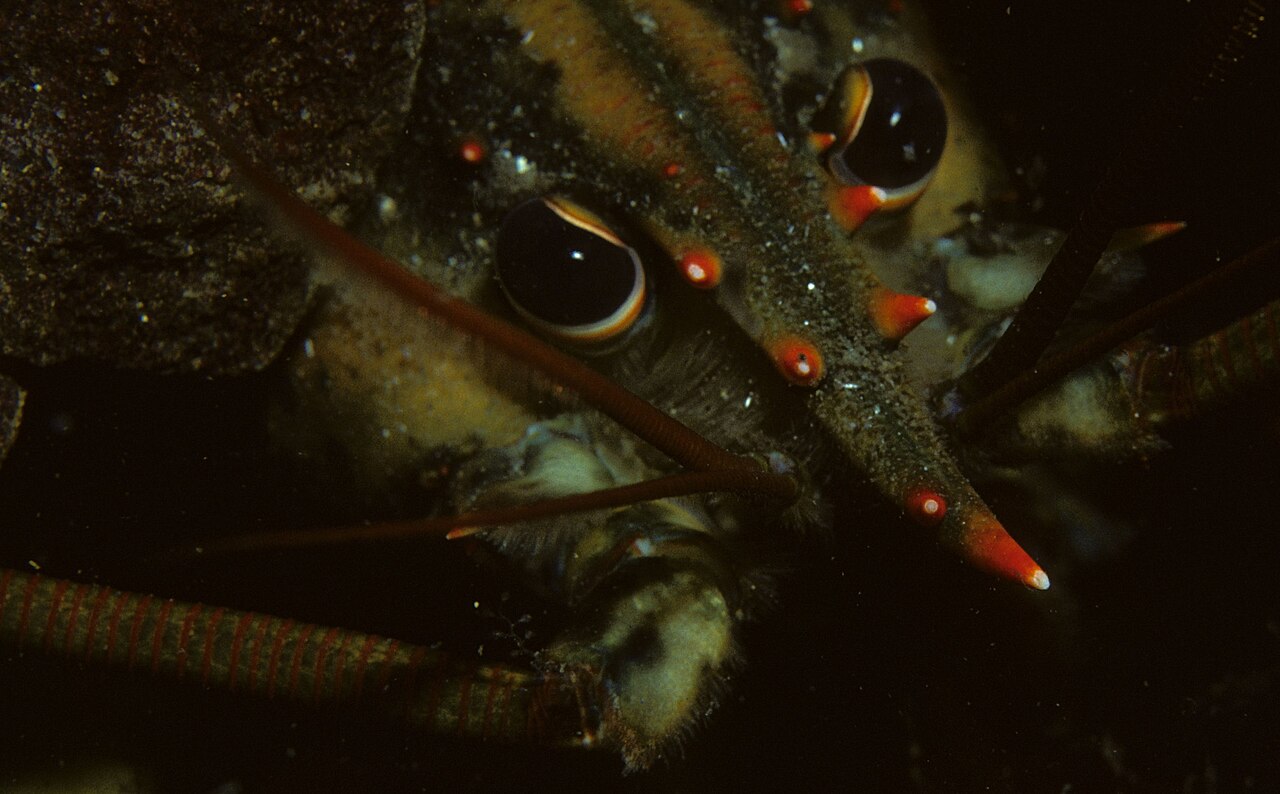
The American lobster (Homarus americanus) sheds its hard shell as it grows and hides while the new one hardens. That cycle drives its meanings in dreams and in love. A blue lobster adds a rarer message about being one of a kind.
As a sign, a lobster points to growth that requires shedding old protection. Its hard shell means boundaries, its molt means renewal, and its backward tail flip means a smart retreat. A blue lobster, colored by a rare genetic quirk, adds uniqueness and luck to that reading.
What does the lobster symbolize?
The lobster symbolizes protection that you eventually outgrow. Its shell is armor, but armor does not stretch. To grow, the lobster splits it open and crawls out, then hides while a new shell hardens. That makes the animal a picture of boundaries that serve you until they start to pinch.
The soft stage after the molt carries the second meaning, vulnerability. A freshly molted lobster has no real defense, so it stays out of sight until its body is protected again. The message is that being exposed for a while is the price of getting bigger. The hiding is part of the plan, not a failure.
Movement adds a third layer. A threatened lobster escapes backward with a hard snap of its tail, fast and without turning around. That backward flight stands for a strategic retreat, the step back that saves you. White butterfly symbolism also centers on transformation through a change of body.
| Lobster sign | Symbolic meaning | What it asks of you |
|---|---|---|
| Hard shell | Boundaries and protection | Check which defenses still fit |
| Molt | Renewal and growth | Let go of what has become too small |
| Soft new shell | Vulnerability | Rest and stay hidden until you are ready |
| Backward tail flip | Strategic retreat | Step back before you fight |
| Regrown claw | Recovery in stages | Be patient with slow repair |
| Blue lobster | Rarity and luck | Own what makes you different |
What do lobsters mean spiritually?
The spiritual meaning of a lobster is protection paired with renewal. The shell guards you, and the molt reminds you that no shelter is permanent. A lobster encounter asks which of your defenses still protect you and which one only keeps you small.
Lost claws deepen that message. A lobster that loses a claw can grow a new one over later molts, small at first and larger each time. The regrown claw points to recovery that happens in steps, not overnight.
Spider symbolism shares this theme, because spiders also shed their outer skeleton to grow. The lobster adds the patience of an animal that repeats the cycle again and again across its life.
What does it mean to dream about lobsters?
Dreaming about lobsters points to growth, pressure or protection, depending on the scene. A live lobster crawling across the sea floor shows a change that is still underway. A lobster in clear water suggests you can see your situation calmly. A cooked lobster, red and finished, signals a phase that has closed.
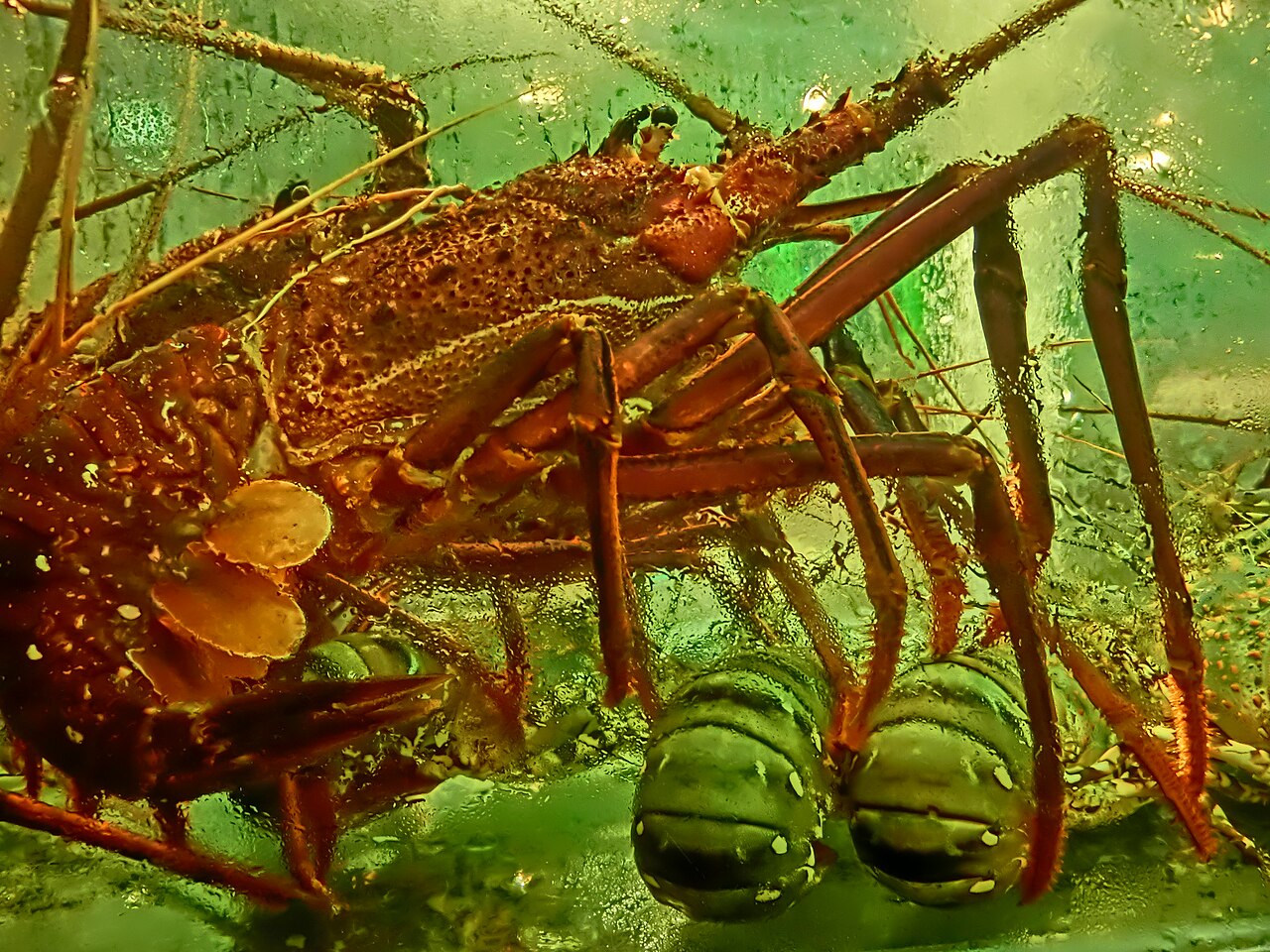
A pinch from a claw is the scene people remember. It points to pressure from a person or a deadline that holds on tight. The dream asks what keeps gripping you and whether you can back away, the way a lobster does. Spider dream meaning covers a similar sense of being caught.
Eating lobster in a dream points to reward and indulgence. You are enjoying the result of work or risk. If the meal feels uncomfortable, the dream questions whether the reward fits what you gave up. White snake dream meaning shares the shed skin theme of a fresh start.
What do lobsters symbolize in love and relationships?
In love, the lobster symbolizes a devoted partner, but the biology does not back the lifelong part. A female American lobster moves into a male’s shelter around her molt, mates while her shell is soft, and leaves once it hardens. According to NOAA Fisheries, lobsters usually mate after the females molt, when the females are soft-shelled. The image of two old lobsters holding claws for life comes from pop culture, not from biology.
The symbol works better as a picture of trust. The female chooses a protector at her most vulnerable moment. That makes the lobster a sign of letting someone see you soft, not a promise of forever.
The film The Lobster (2015) turns the idea upside down. Single guests at a hotel must find a partner or be turned into an animal, and the lead picks a lobster. The story mocks the pressure to pair up. Albatross symbolism fits lifelong love better, because albatrosses keep the same partner for years.
Frequently Asked Questions
What does a blue lobster mean?
A blue lobster means rarity and good fortune. Its color comes from a genetic quirk that changes how pigment binds to protein in the shell, and such lobsters are rare in the wild. It stands for being one of a kind and for luck you did not chase. Cooked, it turns red like any lobster.
What does it mean when someone says you’re a lobster?
Calling someone your lobster means they are your soulmate. The phrase comes from the sitcom Friends, where Phoebe uses it for a couple she thinks belongs together. It is a term of affection, not a biology lesson, since real lobsters do not pair for life.
What does lobster tail mean?
Lobster tail means two things. In the living animal, the tail powers the backward snap a lobster uses to escape danger, so it stands for a quick retreat. On a menu, lobster tail is the muscular tail meat, the main edible part of the animal and the cut most diners order.