Do Birds Have Teeth? The Truth About Bird Anatomy
No, birds do not have teeth. Not a single living bird species has true teeth, and this has been the case for roughly 100 million years. Instead of chewing, birds swallow food whole and grind it inside a muscular stomach chamber called the gizzard, often with the help of swallowed grit and small stones. A few species have tooth like structures, such as the serrated bill edges of mergansers or the temporary egg tooth chicks use to hatch, but these are not real teeth. Birds traded teeth for a lighter skull that makes flight easier. This guide explains how birds eat without teeth, why they lost them, and which birds only look like they have them.
| Question | Answer |
|---|---|
| Do living birds have teeth? | No, none do |
| How do they grind food? | The gizzard, a muscular stomach with grit |
| Tooth like features | Serrated bills, egg tooth, tomia |
| Why teeth were lost | Lighter skull for flight, faster hatching |
| Ancient birds | Early birds like Archaeopteryx did have teeth |
How birds eat without teeth
If a bird cannot chew, how does it break down a hard seed or a whole insect? The work happens after swallowing. Food travels to the gizzard, a thick walled muscular chamber that contracts powerfully to crush and grind. Many birds swallow small stones and coarse grit that collect in the gizzard and act like grinding stones, pulverizing tough seeds and shells. Some species can generate enough force here to crack items that would challenge a pair of pliers. Birds of prey and others also use the crop, a storage pouch, to soften food before it reaches the gizzard. The bill handles the first step, tearing or cracking food into swallowable pieces, and the gizzard finishes the job.
Birds that look like they have teeth
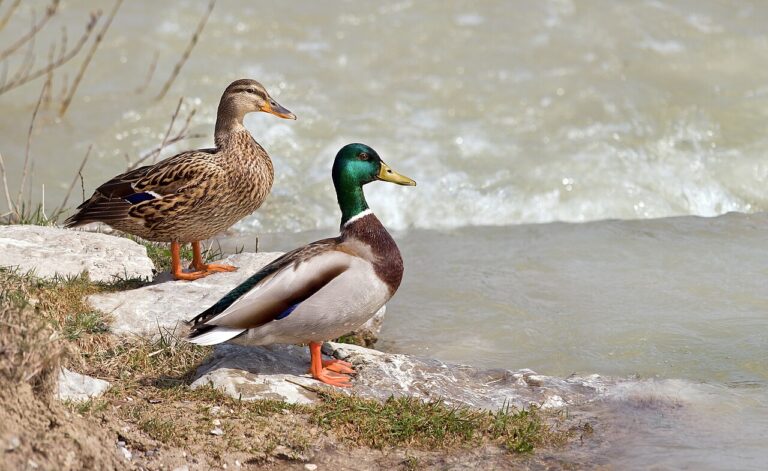
Several birds appear toothed at a glance, but the structures are made of the same keratin as the bill, not enamel. Mergansers, a type of fish eating duck, have sharp serrations along the bill edges that grip slippery prey, earning them the nickname sawbills. Geese have similar comb like ridges called tomia lining the bill for shearing grass. The pointy projections on a goose tongue serve the same gripping purpose. None of these are true teeth with roots and enamel; they are simply toothed shaped edges of the beak that help the bird hold or slice its food.
The egg tooth: a temporary tool
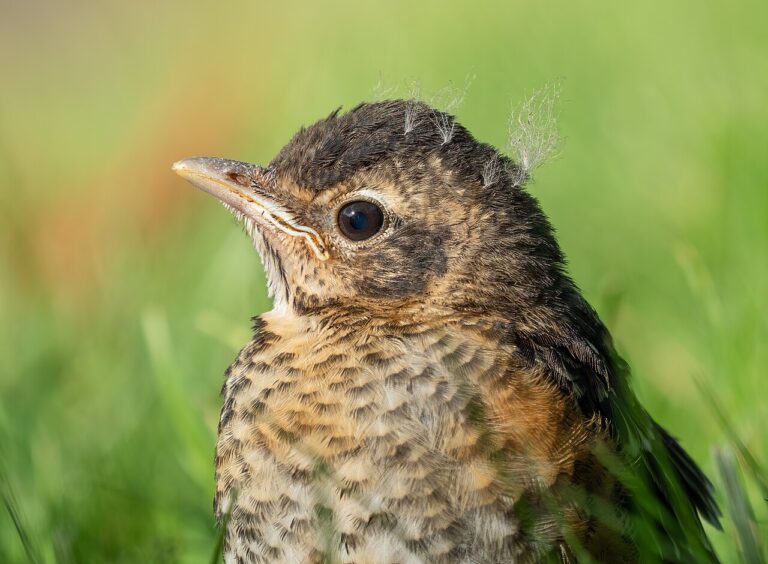
There is one tooth every bird is born with, and it disappears within days. Chicks develop a small, hard, pointed bump on the top of the bill called the egg tooth. When it is time to hatch, the chick uses this sharp tip to chip and saw through the shell from the inside, a slow process that can take many hours. Once the chick is free, the egg tooth has done its only job and it falls off or is reabsorbed within a week or two. It is not a real tooth either, just a specialized hatching tool, but it is the closest thing to a tooth any modern bird ever carries.
Why did birds lose their teeth?
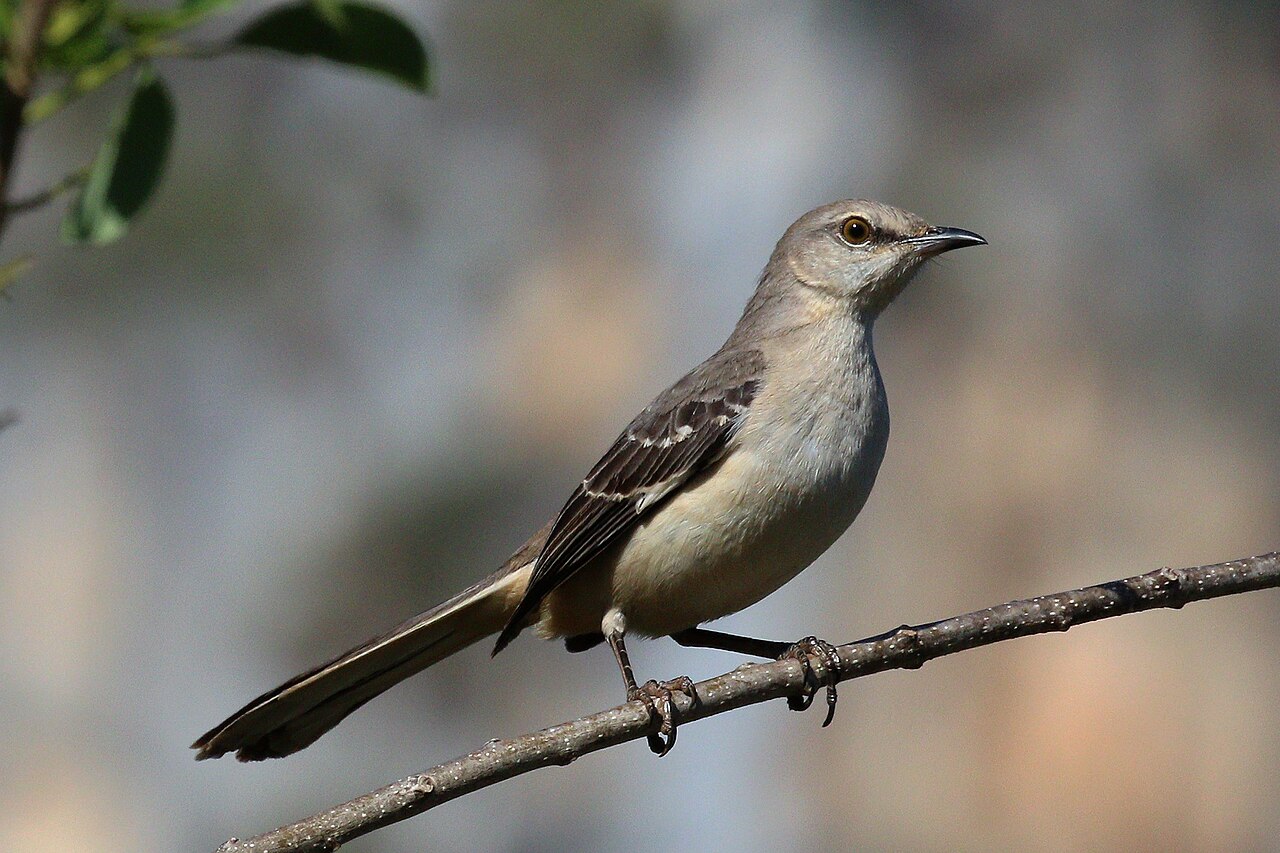
Birds descended from toothed dinosaurs, and early birds like Archaeopteryx had a full set of teeth. Over millions of years birds lost them, and scientists point to two main advantages. First, teeth and the heavy jaws that anchor them add weight to the skull, and shedding that weight makes flight more efficient. A lightweight beak is cheaper to carry aloft than a mouth full of enamel. Second, developing teeth in the egg takes time, and skipping that step lets chicks hatch faster, reducing the days they spend vulnerable inside the shell. The gizzard took over the grinding role so effectively that teeth simply were not needed.
This trade toward lightness shows up all over bird anatomy, from hollow bones to the loss of a heavy tail. It is part of why birds are such capable fliers; see our look at how birds fly.
Did any birds ever have teeth?
Yes. The fossil record is full of toothed birds. Archaeopteryx, from about 150 million years ago, had small conical teeth. Later Cretaceous birds such as Ichthyornis and Hesperornis also had teeth, often used for catching fish. True toothless beaks became standard only after these lineages died out, and every one of the roughly 11,000 living bird species today is toothless. So the accurate answer to whether birds have teeth is that no modern bird does, but their ancient ancestors certainly did, a reminder that today’s birds are living dinosaurs.
What birds use instead of teeth
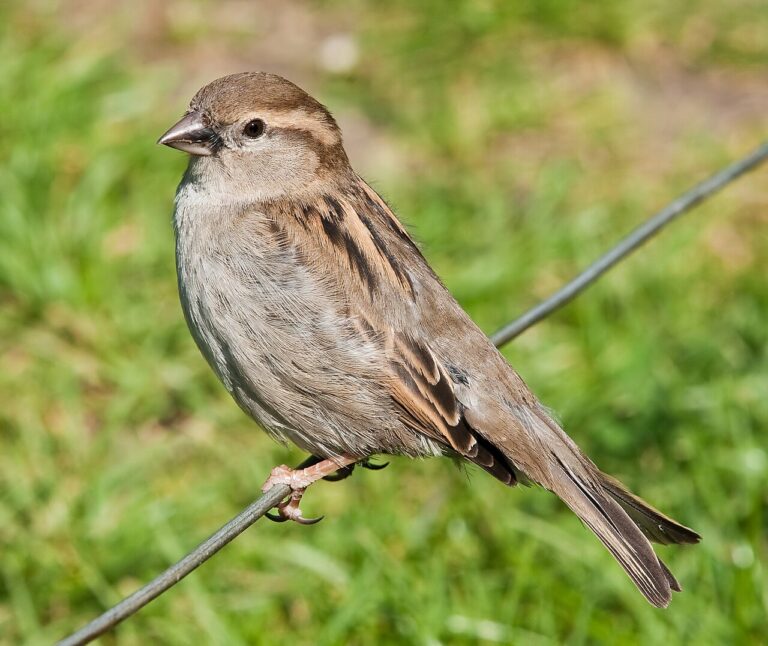
If teeth are off the table, birds have evolved an impressive toolkit to handle every kind of food without them. The bill itself is the first specialized tool, and its shape tells you what a bird eats: the thick conical bill of a finch cracks seeds, the chisel bill of a woodpecker drills wood, the hooked bill of a hawk tears meat, and the strainer bill of a duck filters water. Behind the bill, the gizzard does the grinding that teeth would otherwise do, powered by muscle and swallowed grit. According to the Cornell Lab of Ornithology, some seed eating birds swallow small stones specifically to stock the gizzard, replacing them as they wear smooth. Fish eaters like mergansers grip slippery prey with serrated bill edges, and seed eaters like the American Goldfinch husk seeds with precise bill movements before swallowing the kernel. Waterfowl such as ducks and geese use comb like ridges to shear plants. In every case, the combination of a purpose built bill and a powerful gizzard does the job teeth do in mammals, which is exactly why birds could afford to lose their teeth and gain the lighter skull that helps them fly so well.
Birds are living dinosaurs
The tooth question connects to one of the great stories in biology: birds are the direct descendants of dinosaurs, specifically small feathered theropods related to Velociraptor. Their toothed ancestors, from Archaeopteryx onward, gradually traded enamel for lightweight beaks over tens of millions of years. Many dinosaurs already had gizzards and swallowed gastroliths, the same grinding stones birds use today, so the machinery that replaced teeth was in place long before teeth fully vanished. The beak itself proved endlessly adaptable, diversifying into the thousands of shapes we see now, from the cracking bill of a finch to the spear of a heron. When you watch a cardinal husk a seed or a woodpecker chisel bark, you are watching a dinosaur solve the problem of eating without teeth. It is a vivid reminder that the birds at your feeder are not just like dinosaurs, they are dinosaurs, refined by a hundred million years into the lightweight, toothless, flight ready animals of today.
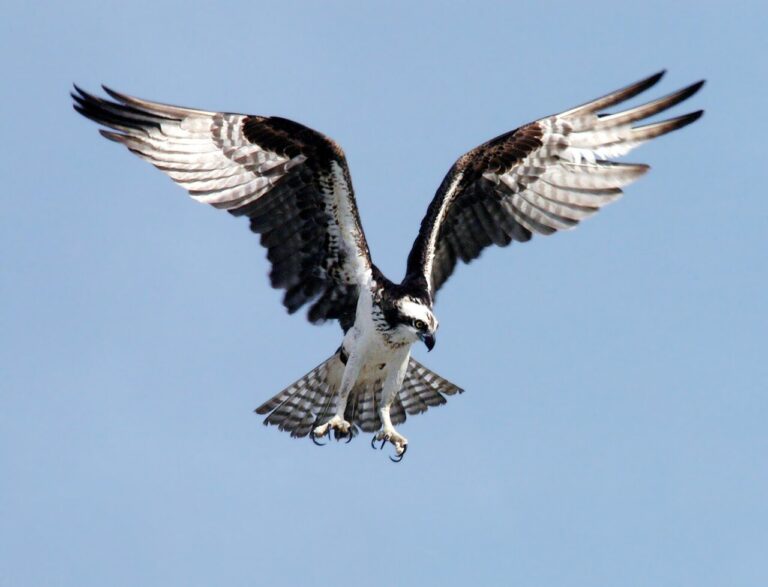
It is worth stressing how complete the toothless design is across the bird world. From the tiniest hummingbird sipping nectar to the largest eagle tearing prey, not one of the roughly 11,000 living bird species carries a single true tooth, yet birds thrive in every habitat on earth and eat nearly every kind of food. That success shows the beak and gizzard system is not a compromise but a genuine improvement for a flying animal, pairing a lightweight, endlessly adaptable tool at the front with a powerful grinding chamber inside. The next time you watch a bird crack a seed or gulp a berry whole, remember it is doing without teeth what took your ancestors a full set of molars, and doing it well enough to have ruled the skies for tens of millions of years.
Frequently Asked Questions
Do any birds have teeth?
No living bird has true teeth. Some, like mergansers and geese, have tooth shaped serrations on the bill made of keratin, but these are not real teeth with roots and enamel.
How do birds chew food without teeth?
They do not chew. Birds swallow food whole and grind it in the gizzard, a muscular stomach chamber that uses swallowed grit and stones to pulverize seeds and shells.
What is the egg tooth?
It is a small, hard, temporary point on a chick’s bill used to break out of the eggshell at hatching. It falls off within a week or two and is not a true tooth.
Why did birds lose their teeth?
Losing teeth lightened the skull for more efficient flight and let chicks hatch faster. The gizzard took over grinding, so teeth were no longer needed.
Did dinosaurs and early birds have teeth?
Yes. Early birds like Archaeopteryx and later species such as Ichthyornis had teeth. Modern toothless beaks appeared only after those lineages disappeared.
What are the ridges on a goose’s bill?
They are called tomia, comb like keratin ridges that help geese shear and grip grass. They look like teeth but are part of the beak, not real teeth.
How do birds break open hard seeds?
The bill cracks the seed into pieces, then the gizzard grinds the hard hulls with the help of swallowed grit. Offering grit or crushed eggshell helps feeder birds do this.