Northern Harrier: Marsh Hunter Guide
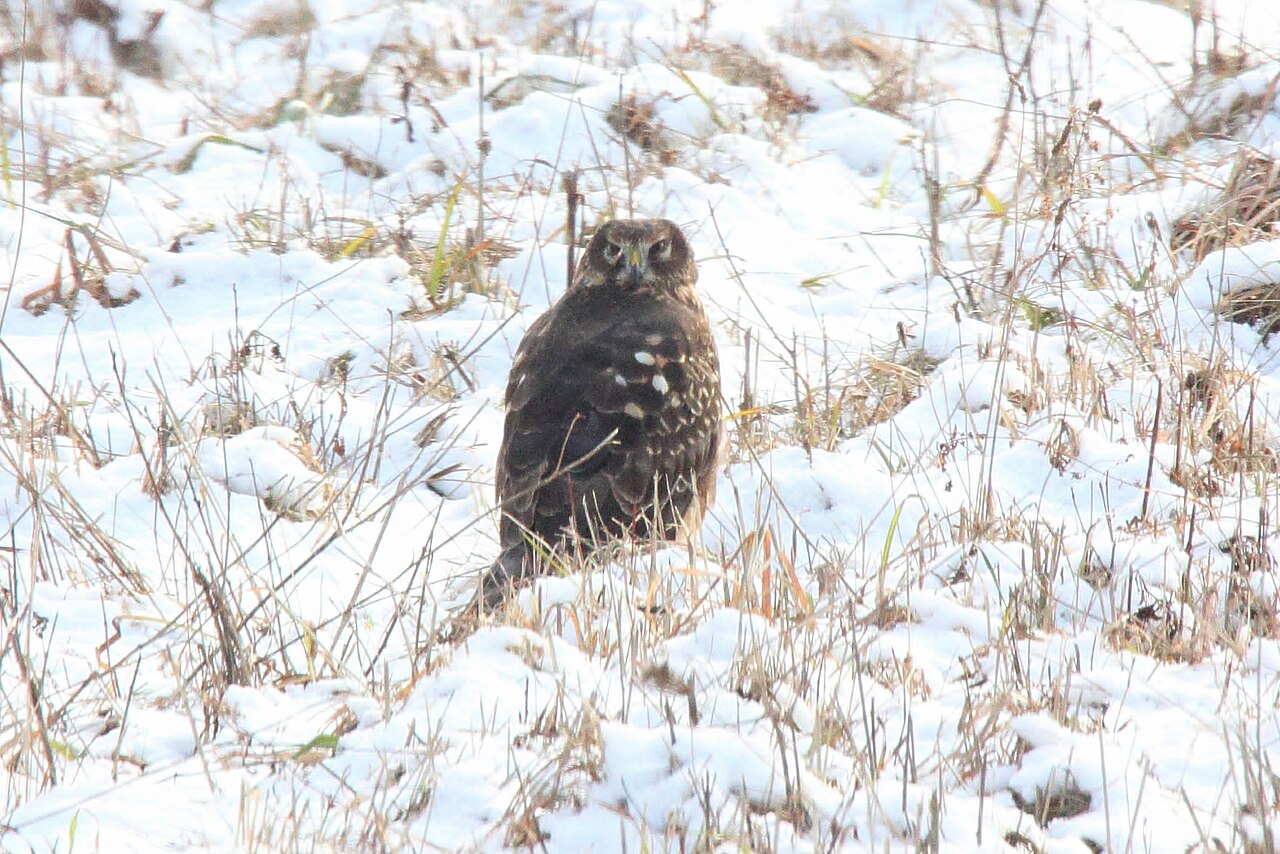
A Northern Harrier is identified by a flat, owl-like facial disc, long wings and tail, a conspicuous white rump patch visible in flight, and a low, tilting flight pattern only a few feet above open marsh and grassland. Males are pale gray above, while females and juveniles are brown, but both sexes share the white rump patch that remains the most reliable field mark across every age and color variation.
| Fact | Detail |
| Length | 18.1 to 19.7 inches |
| Wingspan | 40.2 to 46.5 inches |
| Weight | 10.6 to 26.5 ounces, females larger |
| Key field mark | White rump patch, owl-like facial disc |
| Male color | Pale gray above |
| Female/juvenile color | Brown above, streaked below |
| Habitat | Open marsh, grassland, agricultural fields |
How to Identify a Northern Harrier
The white rump patch at the base of the tail is visible on every Northern Harrier regardless of age or sex, and is usually the fastest way to confirm identification even at a distance. The facial disc, a flattened, rounded arrangement of feathers around the eyes similar to the face of an owl, helps the bird funnel sound to its ears while hunting by sound as well as sight, an unusual adaptation among diurnal hawks. Adult males are pale gray above with black wingtips, sometimes nicknamed the “gray ghost” by birders, while females and juveniles are brown above with heavy streaking below.
A Hawk With an Owl’s Face
The Northern Harrier is the only North American hawk with a true facial disc similar to an owl’s, an adaptation that channels sound toward the ears much the way it does in owls, letting the bird detect prey rustling in dense grass even when it cannot be seen directly. This combination of visual and auditory hunting is part of why harriers are so effective over the dense, low vegetation of marshes and grasslands, habitat where prey can be heard more easily than seen from above.
Low, Tilting Flight Over Open Ground
Rather than soaring high overhead like a Red-Tailed Hawk or hovering in place like a Rough-Legged Hawk, a Northern Harrier hunts by flying low, often just a few feet above the ground, tilting side to side on raised wings held in a shallow V shape as it scans the vegetation directly below for movement. This low, buoyant, almost floating flight style is distinctive enough that experienced birders can often identify a distant harrier by flight pattern alone before any plumage details are visible.
Diet and Hunting Behavior
Northern Harriers hunt small mammals, particularly voles, along with small birds, frogs, and reptiles, relying on the combination of keen hearing and low, slow flight to locate prey hidden in dense grass or marsh vegetation. Unlike perch-hunting hawks such as the Red-Shouldered Hawk, a harrier spends most of its active hunting time on the wing rather than waiting motionless on an elevated perch, covering large areas of open habitat in long, methodical patrol flights not unlike the low hunting passes of a Short-eared Owl sharing the same marshland at dusk.
Nesting on the Ground
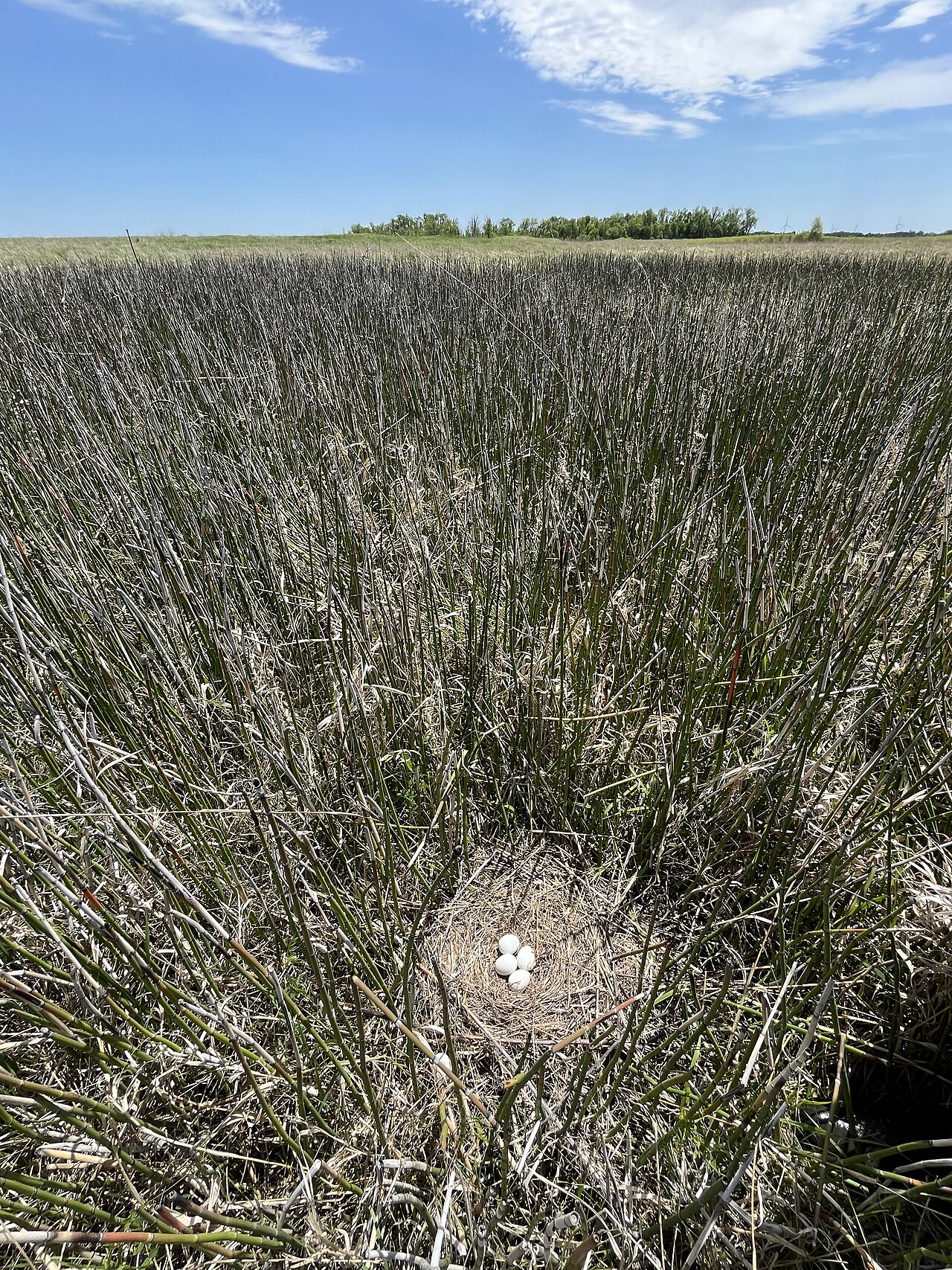
Unlike almost every other North American hawk, which nest in trees or on cliffs, Northern Harriers nest directly on the ground in dense marsh or grassland vegetation, a habit that leaves eggs and young vulnerable to ground predators and human disturbance such as mowing or grazing during the breeding season. According to the Cornell Lab of Ornithology, this ground-nesting habit is part of why wetland and grassland conservation is especially important for the species, since even modest habitat disturbance during the breeding window can cause a nest to fail entirely, a concern the harrier shares with other ground-nesting grassland birds such as the Burrowing Owl.
Range and Habitat
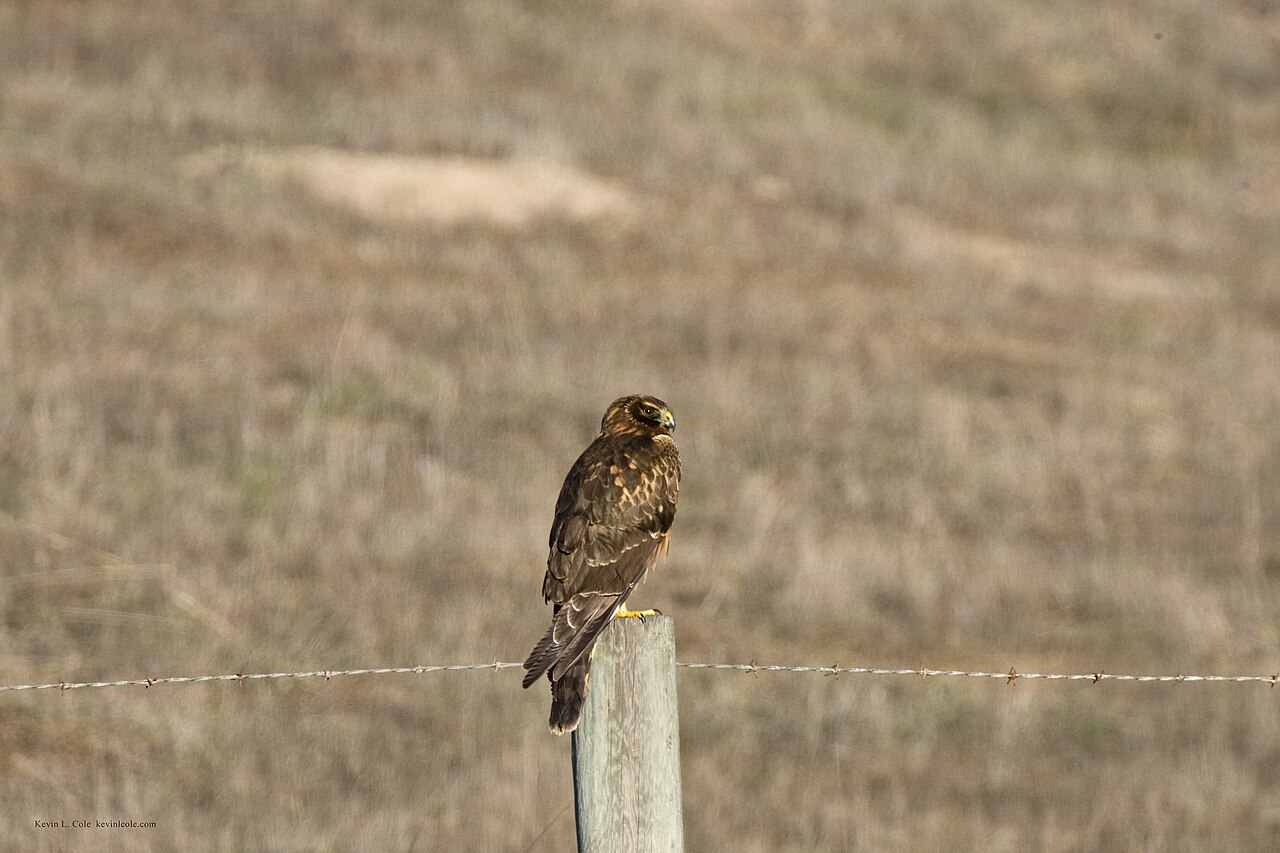
Northern Harriers are found across open marshes, grasslands, and agricultural fields throughout most of North America, with northern populations migrating south for winter while some populations in milder climates remain resident year round. The species favors large, unbroken tracts of open habitat similar to what a Ferruginous Hawk or Swainson’s Hawk needs farther west, and its numbers have declined in areas where wetlands and grasslands have been drained or converted to other uses, making protected marsh and prairie habitat especially valuable for its long-term survival.
Male and Female Roles During Breeding
Northern Harriers show one of the more unusual mating systems among North American hawks, since a single male will sometimes maintain and provide food for two or more females nesting in the same general area during a good vole year, a mating system called polygyny that is uncommon among raptors. Males handle most of the hunting during early nesting while females stay close to the nest, and the two sexes coordinate food deliveries through a distinctive aerial food pass, in which the male drops prey in midair for the female to catch below him.
Northern Harrier vs Other Marsh and Grassland Raptors
Several other raptors share the Northern Harrier’s open habitat without sharing its unusual owl-like face or low, tilting flight style. A wintering Rough-Legged Hawk soars and hovers rather than gliding low to the ground, and a Short-eared Owl hunting the same marsh at dusk shows a more moth-like, floppy wingbeat and lacks the harrier’s white rump patch entirely, making the two easy to separate once you know what to check.
Why “Gray Ghost” Fits the Adult Male
The nickname “gray ghost,” used informally among birders for the adult male Northern Harrier, captures both its pale coloring and the way it seems to materialize suddenly out of tall marsh grass while quartering low over the ground, only to disappear again just as quickly behind a rise or line of cattails. Because males are considerably less common to encounter than the more numerous brown females and juveniles in most populations, actually getting a good look at a full adult male is often considered a small highlight of a day spent birding open marsh or grassland habitat.
A Bird Once Called the Marsh Hawk
Older field guides and much of the historical literature refer to this species as the Marsh Hawk, a name that persisted for decades before the current official common name of Northern Harrier became standard, and the older term still surfaces occasionally in casual conversation among longtime birders and hunters familiar with the species from decades past. Whichever name is used, the bird’s ecological role has stayed the same throughout: a specialized, low-flying hunter of open wetland and grassland unlike anything else on the North American raptor list, and one of the more rewarding hawks to learn well simply because so few other species hunt in quite the same distinctive way.
A Good Indicator of Wetland Health
Because Northern Harriers require large, undisturbed tracts of marsh or grassland for both hunting and their unusual ground nests, a healthy local population is often taken as a positive sign for the broader wetland or prairie ecosystem it occupies. Conservation programs aimed at restoring drained wetlands or converting marginal farmland back to native grassland frequently list the species among the beneficiaries expected to return once suitable habitat conditions are reestablished, alongside other wetland-dependent birds that share the same specific structural needs. Birders monitoring a restored marsh often treat a returning pair of harriers as one of the clearest signs that a habitat project has actually succeeded, since the species is quick to abandon a site the moment cover or prey becomes inadequate and equally quick to recolonize one once conditions improve again.
Frequently Asked Questions
How do you identify a Northern Harrier?
Look for a hawk with an owl-like facial disc, a conspicuous white rump patch, and a low, tilting flight just above open marsh or grassland, with males pale gray above and females and juveniles brown.
What does a Northern Harrier look like?
Adult males are pale gray above with black wingtips, while females and juveniles are brown above with streaked underparts, though all ages and both sexes share the distinctive white rump patch.
Why does a Northern Harrier have a face like an owl?
Its flattened facial disc helps funnel sound toward its ears, an adaptation that lets it hunt by hearing prey rustling in dense grass as well as by sight, similar to how owls hunt.
What do Northern Harrier hawks eat?
Their diet is mostly small mammals, especially voles, along with small birds, frogs, and reptiles, caught during long, low patrol flights over open marsh and grassland.
Where do Northern Harriers nest?
Unlike most hawks, Northern Harriers nest directly on the ground in dense marsh or grassland vegetation rather than in trees or on cliffs.
Are Northern Harrier populations declining?
In many areas, yes, largely due to the loss and conversion of the open wetland and grassland habitat the species depends on for both hunting and ground nesting.
Is a Northern Harrier the same as a marsh hawk?
Yes. “Marsh hawk” is an older common name still used informally for the Northern Harrier, reflecting its strong preference for hunting over open marshes and wet grassland.