What Do Lizards Eat? Diet Guide by Species Type
What lizards eat depends almost entirely on species: some are strict insectivores that need live prey at every meal, others are herbivores that eat only leafy greens and fruit, and many fall somewhere in between as flexible omnivores. This guide breaks down the main dietary categories lizards fall into, what wild lizards eat compared with captive ones, how diet shifts from juvenile to adult, and the feeding mistakes that cause the most health problems in pet lizards.
| Diet type | Typical foods | Example species |
|---|---|---|
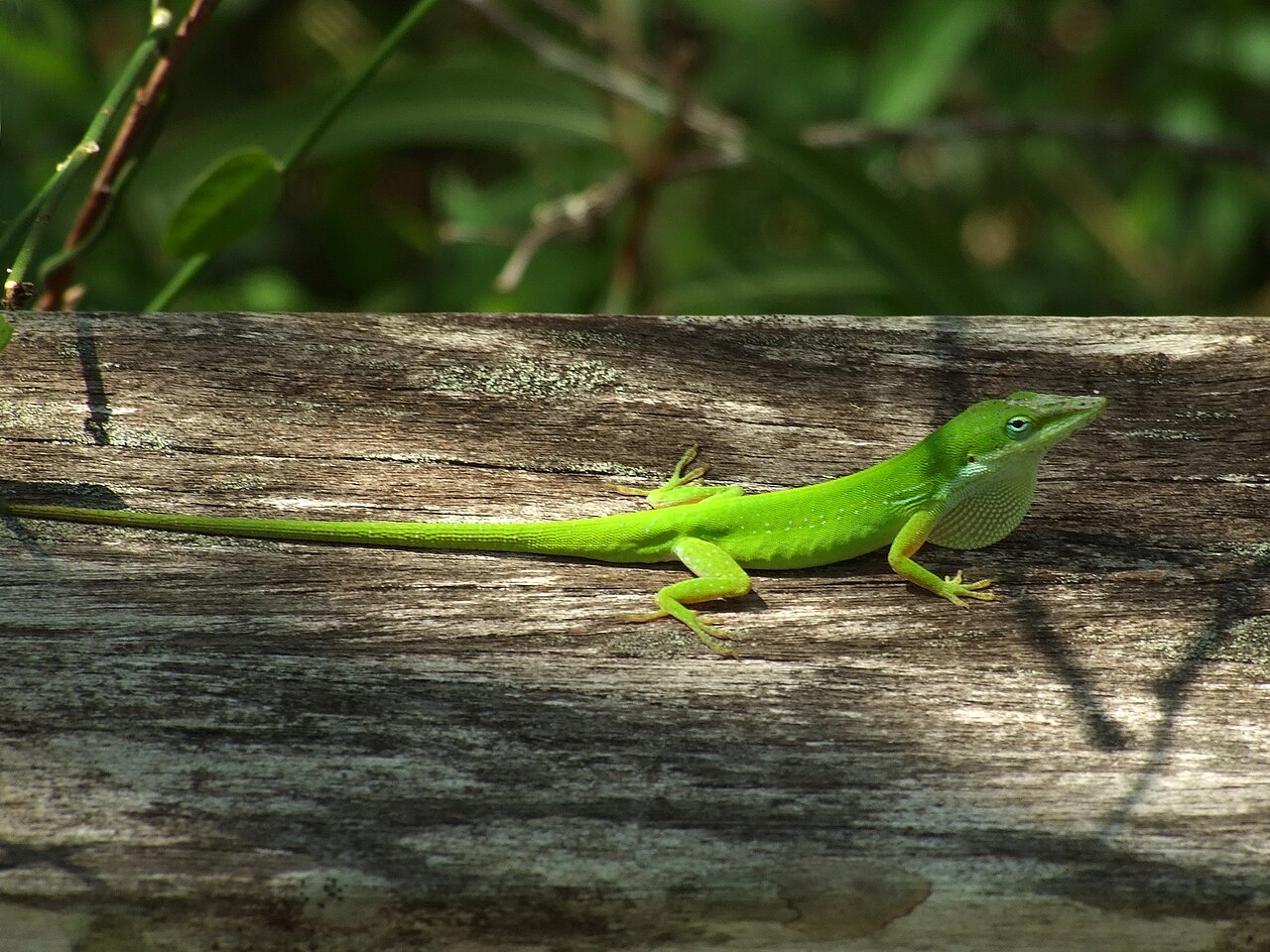
| Insectivore | Crickets, roaches, mealworms, other feeder insects | Leopard gecko, anole |
| Omnivore | Mix of insects and plant matter | Bearded dragon, blue-tongue skink |
| Herbivore | Leafy greens, vegetables, some fruit | Green iguana, uromastyx |
| Carnivore (larger species) | Whole prey: rodents, chicks | Nile monitor |
Why Diet Category Matters More Than Species Alone
Understanding a lizard’s dietary category, insectivore, herbivore, or omnivore, matters more for feeding decisions than memorizing individual species facts, since the same basic rules apply across every species within a category. Two unrelated insectivorous species from opposite sides of the world will still both need live, gut-loaded feeder insects and will both struggle on a diet built around vegetables, while two unrelated herbivores will both do poorly on an insect-heavy diet regardless of how different they look. This is why the single most useful question to answer before bringing home any new lizard is simply which of the three broad categories it falls into, rather than trying to memorize a long list of species-specific exceptions from the start.
What Do Lizards Eat in the Wild?
Wild lizards are opportunistic feeders whose diet is shaped almost entirely by what their specific habitat provides. The large majority of the roughly 7,000 known lizard species lean insectivorous, hunting crickets, grasshoppers, beetles, ants, and other invertebrates that make up the bulk of available protein in most environments. A desert-dwelling species might supplement this with tough succulent plants, while a rainforest lizard has access to softer fruit and abundant insect life; some species will also opportunistically raid bird nests for eggs, since eggs offer an easy, high-value meal for a predator that does not need to chase anything, a similar opportunistic egg-raiding habit documented in other reptiles like the rat snake. Only a small fraction of lizard species, roughly 2 percent according to veterinary sources, are strictly herbivorous, which makes true plant-only lizards the exception rather than the rule.
Insectivorous Lizards: What They Eat
Insectivorous species such as leopard geckos and most anoles rely almost entirely on live insect prey, and in captivity this means a rotating menu of crickets, mealworms, dubia roaches, and similar feeder insects. According to Chewy’s veterinary-reviewed guidance, wild-caught insects should never be substituted for commercially raised feeders, since backyard bugs can carry pesticide residue or parasites and some, like fireflies, are directly toxic to certain lizards, the same wild-insect caution that applies when sourcing feeders for other reptiles or amphibians. Feeder insects also need to be gut-loaded, fed a nutrient-dense diet for roughly 24 to 48 hours before being offered to the lizard, since an insectivorous lizard’s nutrition depends heavily on what its prey has eaten.
Herbivorous and Omnivorous Lizards: What They Eat
True herbivores like green iguanas and uromastyx build their entire diet around dark leafy greens such as collard and dandelion greens, supplemented with vegetables like squash and bell peppers, with fruit offered only sparingly due to its sugar content. Omnivorous species, including the popular bearded dragon and blue-tongue skink, need a genuine mix of both worlds: live gut-loaded insects for protein alongside chopped vegetables and occasional fruit, with the exact ratio shifting by age. Younger bearded dragons, for example, lean noticeably more carnivorous to fuel rapid growth, then gradually shift toward a more plant-heavy diet as they mature into adulthood.
How Diet Changes From Baby to Adult Lizard
Juvenile lizards of any dietary category generally need smaller food particles and proportionally more frequent feeding to support fast early growth, but the more interesting shift happens in omnivorous species where the actual balance of foods changes with age, not just the amount. A baby omnivorous lizard typically eats a higher proportion of protein-rich insects relative to its body size than an adult of the same species does, since building new tissue during rapid growth demands more protein than simple maintenance later in life. This means feeding an adult diet to a juvenile, or vice versa, is a common and avoidable mistake that can lead to poor growth or, later in life, obesity.
What Do Popular Pet Lizard Species Eat?
Different popular pet species illustrate just how much diet varies even within lizards commonly kept as pets. The crested gecko is an omnivore that thrives largely on a commercial powdered diet supplemented with occasional insects, while the leopard gecko is a strict insectivore that should never be offered fruits or vegetables at all. Bearded dragons sit in between as true omnivores needing daily insects alongside vegetables, and blue-tongue skinks are notably flexible omnivores that will accept an even wider range of both plant and animal foods than most other commonly kept species.
What Do Pet Lizards Eat vs Wild Lizards?
A captive lizard’s ideal diet should closely mirror what the same species eats in the wild, just delivered without the need to actually hunt or forage for it. The biggest practical difference is convenience and safety: a pet lizard’s food is hand-delivered rather than pursued, but that same convenience means an owner is entirely responsible for variety, since a captive lizard cannot supplement a monotonous diet the way a wild individual naturally would by encountering dozens of different food sources throughout a season. Owners should also never assume that insects caught in their own backyard are a safe substitute for commercial feeders, for the same pesticide and parasite reasons that apply to any wild-caught insect prey.
Gut-Loading and Supplements for Insect-Eating Lizards
For any lizard that eats live insects, gut-loading and dusting are not optional extras but core parts of a complete diet. Gut-loading means feeding the feeder insects themselves a nutrient-rich diet for a day or two before offering them to the lizard, so the lizard effectively absorbs those nutrients secondhand. Separately, insects are typically dusted with a calcium and vitamin D3 powder immediately before feeding, and a general reptile multivitamin is added on a less frequent schedule, since insects alone rarely provide adequate calcium for a growing or egg-laying lizard. Getting the supplement schedule wrong in either direction, too much or too little, can cause real health problems, which is why many keepers rely on a printed schedule rather than memory alone.
Do Lizards Need Water Bowls or Just Misting?
Hydration methods vary meaningfully by species and habitat origin. Desert-adapted lizards like uromastyx and many bearded dragons get much of their hydration from food and occasional light misting, and can actually develop respiratory issues if kept in overly humid conditions meant for a different species entirely. Rainforest and tropical species, including many geckos, rely much more heavily on daily misting and water droplets on leaves and enclosure surfaces, sometimes barely drinking from a standing bowl at all since their instincts are tuned to licking droplets rather than lapping from open water. Matching hydration method to species origin is just as important as matching food type, and getting it backward is a common, avoidable source of chronic health problems, similar to how mismatched care advice can quietly harm an otherwise easy-to-keep pet if applied from the wrong species’ care sheet.
Foods That Are Dangerous for Lizards
A handful of foods are genuinely unsafe regardless of species. Avocado is toxic to many reptiles and should never be offered, citrus fruits, onions, and garlic commonly cause digestive upset, and processed human foods like bread, crackers, or sugary snacks provide essentially no nutritional value while potentially causing real harm. Certain houseplants popular for their looks, including philodendron, ivy, and dieffenbachia, are toxic if a lizard has access to them in or near an enclosure, so plant selection for a naturalistic setup matters as much as food selection.
Signs of Poor Lizard Nutrition
A lizard on an inadequate diet often shows warning signs well before a serious health crisis develops: lethargy, poor appetite, abnormal stool, or a noticeably dull, faded color compared with a healthy individual of the same species. Metabolic bone disease, caused by insufficient calcium or vitamin D3, is one of the most common diet-related problems across lizard species broadly and can cause soft or deformed bones, tremors, and jaw abnormalities if left uncorrected for too long. Because these signs can look similar across very different underlying causes, from parasites to simple malnutrition, a reptile veterinarian’s evaluation is worthwhile whenever a lizard’s condition changes noticeably rather than assuming a diet fix alone will resolve it, the same reasoning that applies to any pet showing sudden behavior change, whether it’s a lizard or a small mammal going off its normal food.
How Often Should Lizards Be Fed?
Feeding frequency varies by species, age, and diet type, but a consistent, fixed schedule helps a lizard’s digestive system function predictably rather than sporadically. Fast-growing juveniles of most species typically need daily feeding, while many adult insectivores and omnivores do well on feeding every one to two days once fully grown. Overfeeding, particularly with fatty feeder insects like superworms and waxworms offered too often, is a common cause of obesity and related health issues in captivity, since a pet lizard rarely gets the exercise a wild individual would from actively hunting or foraging for every meal, a sedentary-diet mismatch also seen in other captive-kept small animals like feeder insects that are similarly prone to overfeeding in captivity.
Related reading: what do crickets eat.
Frequently Asked Questions
What do lizards eat in the wild?
Most wild lizards are insectivores, eating crickets, beetles, ants, and other invertebrates available in their habitat. Some species supplement this with fruit, plants, or opportunistically raid bird nests for eggs, depending on species and environment.
Are lizards herbivores, carnivores, or omnivores?
It depends on species. Most lizards are insectivorous carnivores, some like bearded dragons are omnivores eating both insects and plants, and a small minority, around 2 percent, are strict herbivores like green iguanas and uromastyx.
What is gut-loading and why do lizards need it?
Gut-loading means feeding nutrient-rich food to feeder insects for 24 to 48 hours before offering them to a lizard, so the lizard absorbs those nutrients secondhand. It’s essential for insectivorous and omnivorous pet lizards.
Can I feed my lizard insects I catch outside?
No. Wild-caught insects can carry pesticide residue or parasites, and some, like fireflies, are toxic to certain lizards. Always use commercially raised feeder insects instead.
Do baby lizards eat differently than adult lizards?
Yes, especially in omnivorous species. Juveniles typically need a higher proportion of protein-rich insects relative to body size to support rapid growth, then shift toward a more plant-heavy diet as they mature.
What foods are dangerous for lizards?
Avocado is toxic to many reptiles, citrus and onions cause digestive upset, and processed human foods offer no nutritional value. Certain houseplants like philodendron and dieffenbachia are also toxic if lizards have access to them.
How often should pet lizards be fed?
Juveniles of most species need daily feeding to support growth, while many adult lizards do well eating every one to two days. Overfeeding, especially with fatty insects, is a common cause of obesity in captivity.
Whatever category a lizard falls into, matching its diet to its actual biological needs rather than convenience is the single factor most consistently linked to long-term health, coloration, and even breeding success across virtually every species kept in captivity, from a strict insectivore to an omnivore like the popular beginner-friendly pets people often research alongside their first reptile.