Baby Llama: Cria Development and the Daylight Birth Fact
A baby llama is called a cria, a term shared with several other camelid species, and it arrives remarkably well developed for a newborn: crias are typically standing within about an hour of birth and walking confidently within just a few hours, a rapid early mobility that reflects their evolutionary background as animals historically needing to keep pace with a moving herd almost immediately after birth on the open terrain of the South American highlands, a precocial development pattern shared by relatively few other mammals, standing in sharp contrast to the extended helpless newborn periods seen in species like the baby fox or baby raccoon.
Llama crias also come with a few genuinely distinctive facts worth knowing before bringing one home or simply understanding the species better: mother llamas give birth almost exclusively during full daylight hours, a behavior believed to maximize newborn safety, and crias require careful management around a specific bonding window in their first days of life to avoid a well-documented behavioral problem called aberrant behavior syndrome. This guide covers cria birth and early development, feeding and weaning, health considerations specific to this life stage, and the socialization practices that shape a well-adjusted adult llama.
| Fact | Baby Llama (Cria) |
|---|---|
| Name | Cria |
| Birth weight | Around 20 to 30 pounds |
| Standing after birth | About 1 hour |
| Birth timing | Almost always daytime |
| Weaning age | Around 6 months |
| Gestation | About 11.5 months |
What Is a Baby Llama Called?
Baby llamas are called crias, a Spanish-derived term also used for baby alpacas, vicuñas, and guanacos, the other members of the South American camelid family, reflecting their shared ancestry and broadly similar reproductive biology across these closely related species. Llamas typically give birth to a single cria per pregnancy, with twins being genuinely rare and often facing significant survival challenges when they do occur.
Gestation in llamas runs unusually long for an animal of their size, approximately 11.5 months, longer than many considerably larger mammals, a reproductive pattern that produces a single, well-developed offspring rather than the shorter gestations and often larger litters seen in many other domesticated animals of comparable size.
This extended gestation period contributes directly to the cria’s remarkable early mobility and developmental readiness at birth, since the extra time allows for considerably more physical development in utero than shorter-gestation species typically achieve, setting up newborn crias to face the practical demands of herd life almost immediately rather than requiring an extended vulnerable newborn period first.
Birth: Almost Always During Daylight

One of the most distinctive and well-documented facts about llama reproduction is that births occur almost exclusively during daylight hours, typically in the morning, a pattern so consistent across the species that experienced llama keepers rarely need to monitor pregnant females overnight the way keepers of many other livestock species routinely do.
The leading explanation for this daytime birth timing centers on newborn safety and thermoregulation: giving birth during warmer daylight hours, rather than in the cold of night, likely improves a wet, vulnerable newborn cria’s chances of successfully regulating its own body temperature during the critical first hours before its coat and metabolism are fully functional, particularly relevant in the llama’s native high-altitude South American habitat where nighttime temperatures can drop dramatically.
This daytime birthing pattern also likely provides a practical safety advantage against predators in the wild ancestral environment, since daylight birth allows the newborn cria to complete its remarkably fast early development, standing within about an hour and walking within a few hours, while there is still ample daylight remaining to establish basic mobility and herd integration before the vulnerability of nighttime potentially arrives.
The Critical Bonding Window and Aberrant Behavior Syndrome
Llama and alpaca breeders place considerable importance on a specific early bonding period during a cria’s first days of life, since crias that are excessively handled, bottle-fed unnecessarily, or otherwise separated from normal maternal and herd bonding during this window face meaningfully elevated risk of developing a well-documented behavioral problem in South American camelids known as aberrant behavior syndrome, sometimes called berserk llama syndrome.
This condition, which develops specifically in improperly socialized males more often than females, manifests as inappropriate, aggressive behavior directed at humans once the animal matures, behavior rooted in the cria having imprinted on humans rather than properly bonding with its own species during this critical early developmental window, a problem that becomes considerably harder to correct once established in an adult animal than to simply prevent through appropriate early management.
The practical prevention approach experienced breeders and llama associations, including guidance from groups like the International Lama Registry, consistently recommend involves minimizing unnecessary human handling of healthy crias during these early weeks, allowing normal mother-cria bonding and herd integration to proceed with only the handling genuinely necessary for basic health monitoring, reserving more extensive supplemental feeding or hand-rearing only for situations where it is medically necessary rather than done simply for convenience or human enjoyment of the young animal.
Nursing and Early Feeding
Crias nurse from their mothers starting within the first few hours of life, with the timing of that first successful nursing being particularly important since early colostrum intake, the antibody-rich first milk, provides critical passive immunity that healthy crias depend on heavily during their vulnerable early weeks before their own immune systems become more fully functional.
Weaning typically occurs around six months of age in a well-managed setting, though the exact timing can vary somewhat based on individual development, herd management practices, and whether the mother is expected to breed again soon, with gradual weaning generally preferred over abrupt separation to minimize stress for both the cria and its mother during this significant developmental transition.
As crias grow, they begin sampling solid forage alongside continued nursing well before full weaning occurs, gradually increasing their intake of grass and hay as their digestive systems mature toward the forage-based diet that will sustain them as adults, a transition that typically proceeds smoothly in crias that have had normal access to grazing areas alongside their mothers from an early age.
Health Considerations for Crias
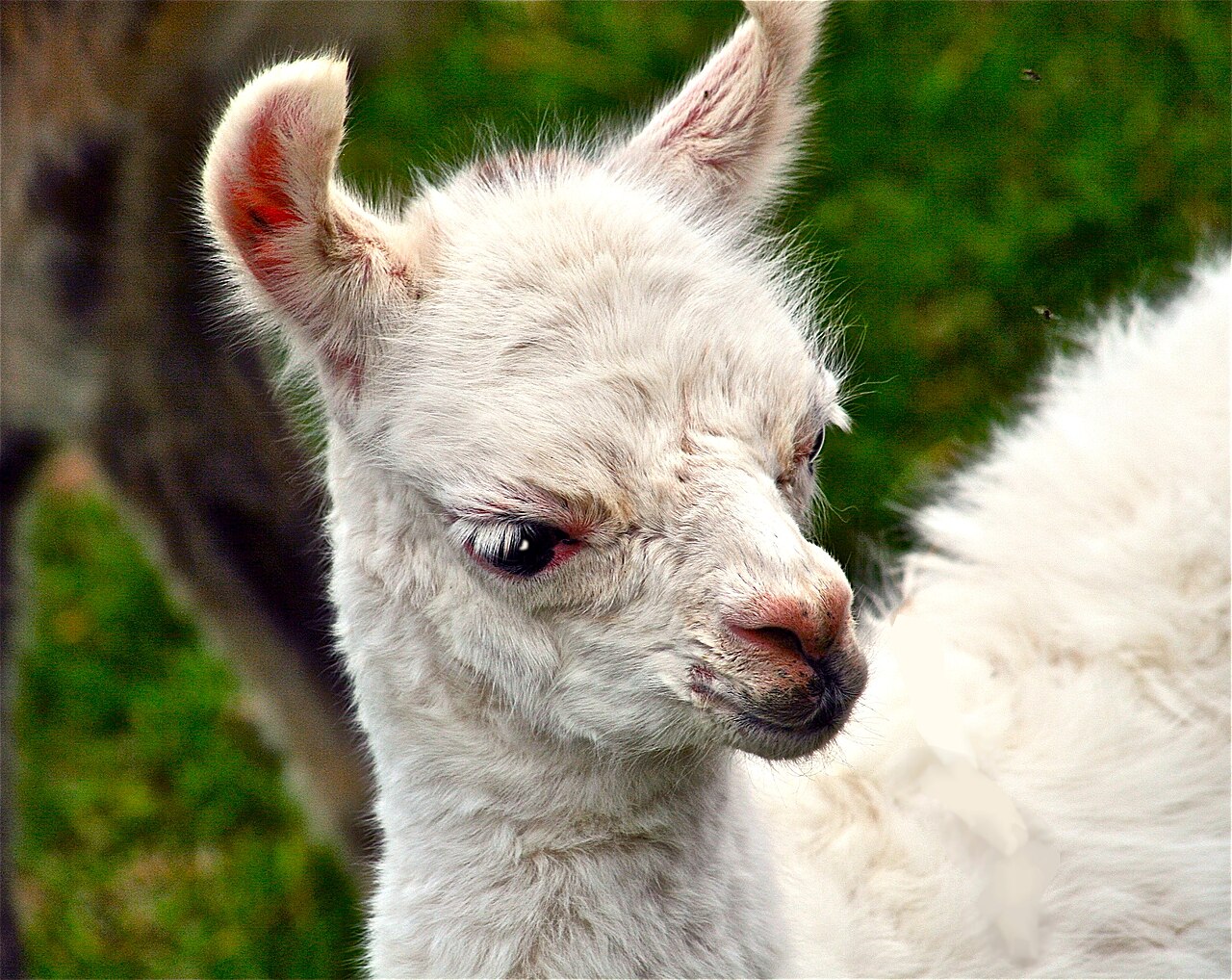
Newborn crias face several health vulnerabilities worth monitoring closely during their first days and weeks, including failure of passive transfer, a situation where a cria does not receive adequate colostrum antibodies from its mother in the crucial early hours after birth, leaving it considerably more susceptible to infections and generally requiring veterinary intervention if identified.
Temperature regulation presents a genuine early concern as well, since newborn crias, despite their rapid mobility, are still vulnerable to cold stress particularly in less than ideal weather conditions, making appropriate shelter availability and monitoring during the first days of life an important management consideration, especially for births occurring during cooler seasons or in more challenging climates than the species’ native highland habitat.
Routine veterinary care for young llamas generally follows a schedule similar to other livestock species, including appropriate vaccination protocols and parasite management tailored to the specific regional risks and herd health history relevant to a given operation, with most reputable llama breeding operations working closely with veterinarians experienced specifically in camelid care given some of the distinctive physiological differences these animals present compared to more commonly kept livestock.
Growth and Development Timeline
Crias grow relatively quickly during their first year, progressing from a birth weight typically in the range of 20 to 30 pounds toward the considerably larger size that characterizes mature llamas, which commonly reach several hundred pounds as adults, though the exact growth trajectory and eventual adult size vary based on genetics, nutrition, and overall individual health throughout development.
Sexual maturity in llamas is generally reached sometime between one and two years of age, a maturation pace considerably slower than the compressed developmental timelines seen in smaller mammals such as the baby chipmunk, though most responsible breeding programs wait considerably longer, often until an animal is fully physically mature at two to three years old or beyond, before actually breeding a young female, prioritizing full skeletal and physical development over the earliest biologically possible breeding age.
Socialization and herd integration continue developing throughout this first year as well, with well-managed young llamas that experienced appropriate early bonding typically developing into calm, well-adjusted adults comfortable both within their herd and in appropriate interactions with familiar humans, a marked contrast to the problematic human-imprinted behavior pattern that improper early handling can otherwise produce.
Llamas as Livestock Guardians and Herd Companions
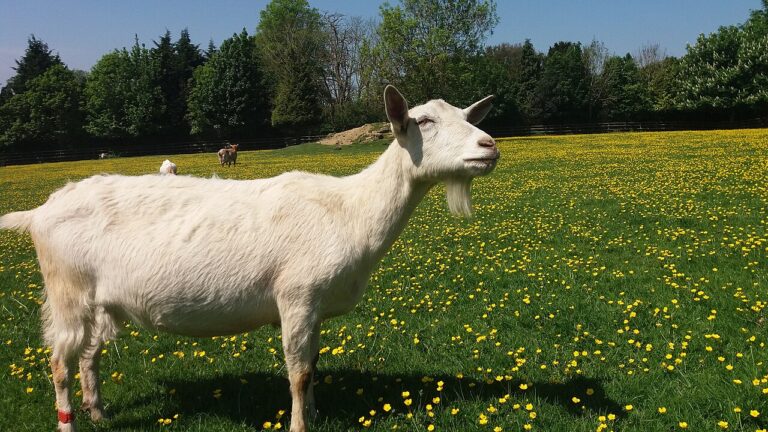
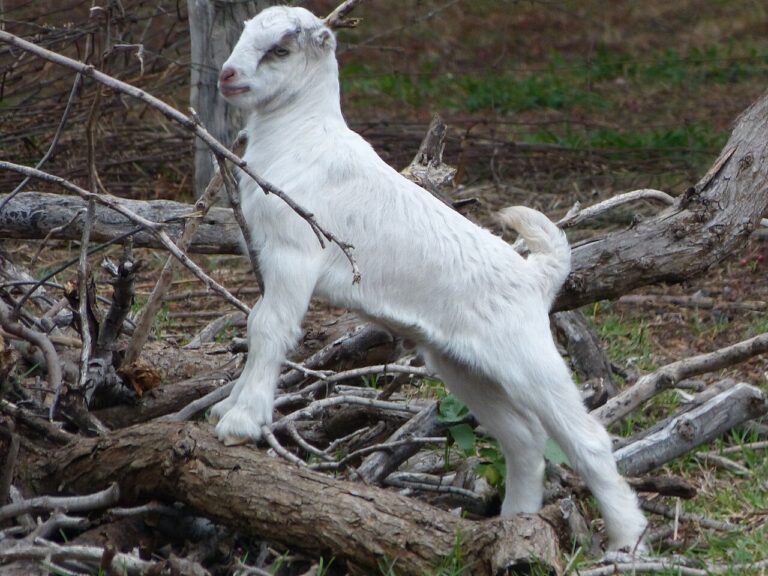
Beyond their traditional roles as pack animals and fiber producers, llamas are frequently used as guardian animals for smaller livestock like sheep and goats, including breeds such as the Saanen goat, a practical application that leans directly on the calm, watchful temperament well-socialized crias grow into when raised with appropriate early bonding rather than problematic human imprinting. A single properly socialized adult llama can effectively deter many common predators from a mixed livestock herd simply through size, alertness, and territorial behavior.
This guardian role illustrates why the early bonding period matters so much practically, not just behaviorally: a cria that grows into an aggressive, human-imprinted adult due to aberrant behavior syndrome is generally unsuitable and potentially dangerous as a guardian animal working closely around other livestock and the humans tending them, while a properly socialized llama raised with normal herd bonding typically integrates smoothly into mixed-species farm settings.
Farms combining llamas with other livestock, including goats, sheep, and occasionally poultry, generally find that crias raised alongside these other species from an early age develop broader social flexibility and calmer overall temperaments than llamas raised in isolation, reinforcing the general principle that appropriate early socialization, both with their own species and often with compatible farm animals, shapes long-term behavior considerably more than genetics alone.
Llamas vs Alpacas: A Related but Distinct Cria
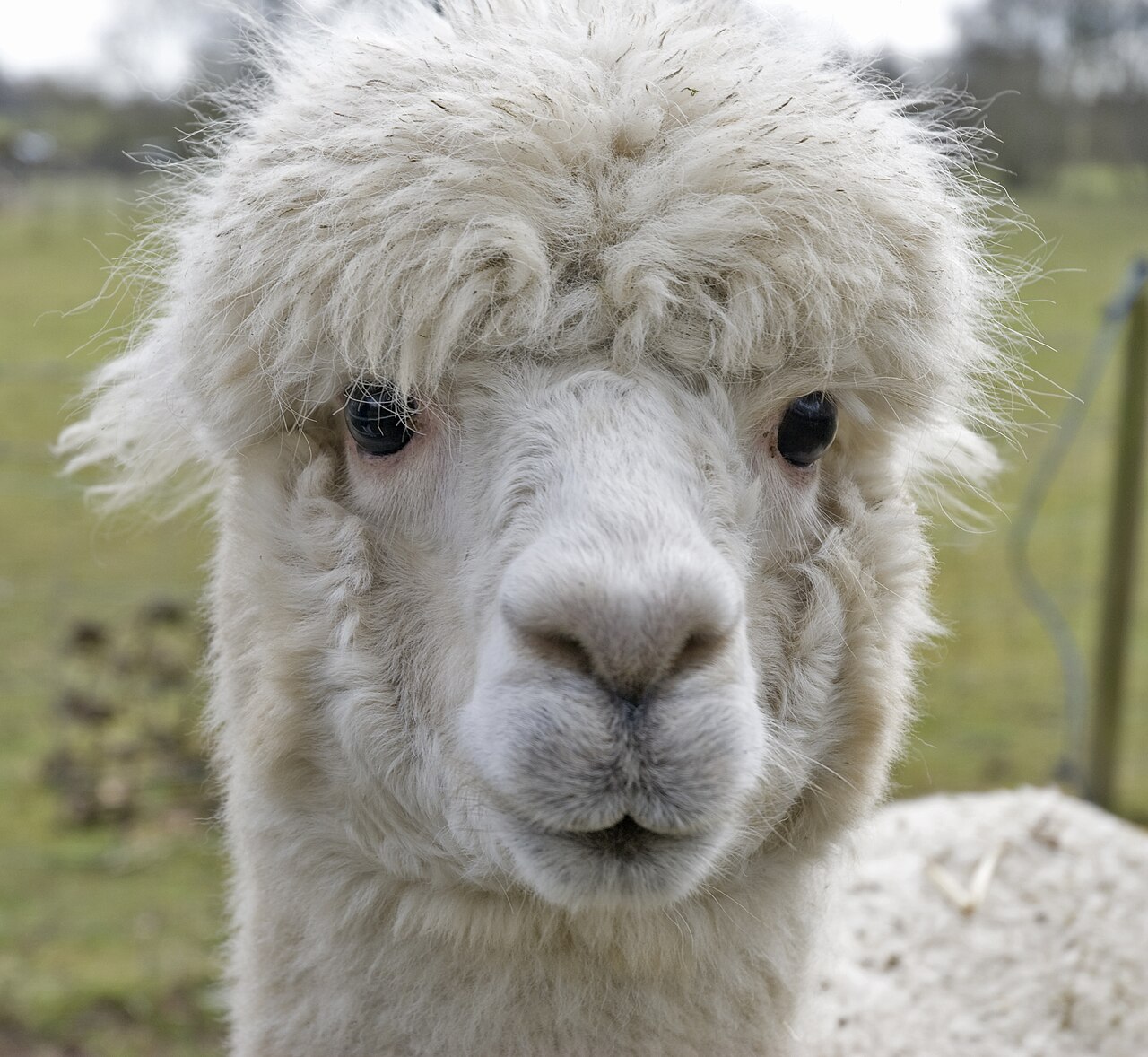
While llama and alpaca crias share considerable biological similarity as closely related camelid species, including broadly similar gestation lengths, rapid early mobility after birth, and daylight birthing patterns, llamas are notably larger animals overall as adults, and llama crias correspondingly tend to be somewhat larger at birth than alpaca crias typically are.
Llamas have also historically been used more extensively as pack and guard animals given their larger size and strength, while alpacas are more commonly raised primarily for their notably fine fiber production, a distinction in typical use that sometimes influences differing management priorities between llama and alpaca operations even though the basic early cria care principles, including the same concerns around bonding, colostrum intake, and preventing human imprinting, apply quite similarly across both species.
Anyone considering either species, or already raising one alongside the other, benefits from understanding that despite their close relation and considerable behavioral overlap, llamas and alpacas do have some meaningfully different typical uses, temperaments, and physical characteristics as they mature into adulthood, making it worthwhile to research the specific species in more depth beyond simply their shared broader camelid classification.
Frequently Asked Questions
What is a baby llama called?
A cria, the same term used for baby alpacas and other South American camelids. Crias typically stand within about an hour of birth and walk confidently within a few hours.
Why do llamas give birth during the day?
Almost all llama births occur in daylight, likely to improve the newborn cria’s chances of successful temperature regulation and reduce predation risk during the vulnerable first hours of life.
What is aberrant behavior syndrome in llamas?
A behavioral problem, sometimes called berserk llama syndrome, that develops when crias are excessively handled or improperly bonded with humans rather than their own species during a critical early window, leading to inappropriate aggressive behavior toward people as adults.
When are baby llamas weaned?
Typically around six months of age in well-managed settings, with gradual weaning generally preferred over abrupt separation to reduce stress for both the cria and its mother.
How much does a baby llama weigh at birth?
Generally around 20 to 30 pounds, considerably smaller than the several hundred pounds llamas typically reach as adults, though exact birth weight varies based on genetics and individual factors.
How long are llamas pregnant?
Approximately 11.5 months, an unusually long gestation for the species’ size that contributes to crias being remarkably well developed and mobile almost immediately after birth.
Can baby llamas walk right after they are born?
Yes, crias typically stand within about an hour of birth and are walking confidently within a few hours, reflecting their evolutionary need to keep pace with a moving herd shortly after birth.