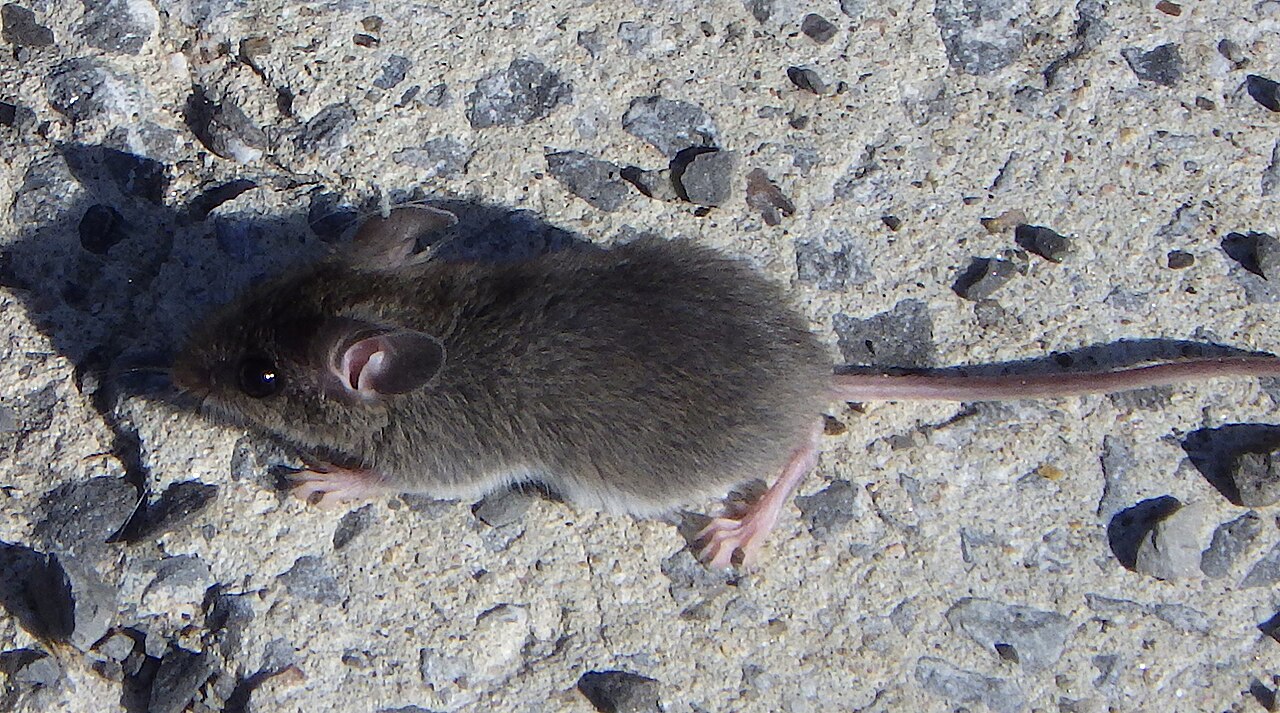
Mouse Poop: Identification, Health Risks, and Safe Cleanup
Mouse poop appears as tiny, dark, rod-shaped droppings roughly 1/8 to 1/4 inch long with distinctly pointed ends on both sides, resembling small grains of dark rice, and finding even a small number scattered in a kitchen cabinet, pantry, or along a baseboard is one of the most reliable early indicators of an active mouse presence in a home, often appearing well before other, more visible signs of infestation become apparent. Fresh droppings appear notably dark and slightly moist or shiny, gradually drying to a duller gray-brown color and a more crumbly texture over the following days, making dropping freshness itself a genuinely useful indicator of how recently mice have been active in a particular location.
Correctly identifying mouse droppings, understanding the genuine health risks they carry, and knowing how to clean them up safely all matter considerably given both the practical infestation-management implications and the documented disease transmission risks associated with mouse droppings specifically, including hantavirus in certain regions and rodent species. This guide covers full identification, health risks and safe cleanup protocol, what dropping patterns reveal about infestation severity, and how to distinguish mouse droppings from other similarly sized household pest sign.
| Feature | Mouse Poop |
|---|---|
| Length | 1/8 to 1/4 inch |
| Shape | Rod-shaped, pointed at both ends |
| Color (fresh) | Dark brown to black, slightly shiny |
| Color (old) | Grayish, dull, crumbly |
| Daily quantity | 50 to 75 droppings per mouse |
| Typical location | Pantries, cabinets, along walls |
What Mouse Droppings Look Like
A typical mouse dropping measures approximately 1/8 to 1/4 inch in length, small enough that a single dropping bears a genuine resemblance to a grain of dark rice or a small seed, with a consistently rod-like shape that tapers to a distinct point on both ends, a shape feature that remains fairly reliable across essentially all common house mouse encounters in residential and commercial settings alike.
Fresh droppings, deposited within the last day or so, typically appear notably dark, almost black, with a subtle sheen or slight moistness visible on close inspection, while older droppings gradually lose this fresh appearance, drying out to a duller gray-brown color and developing a more crumbly, less cohesive texture that breaks apart more readily when disturbed compared to the firmer consistency of fresher deposits.
This aging pattern provides a genuinely practical tool for assessing whether mouse activity in a given area is current or represents older, possibly resolved activity, since a location showing only old, dry, crumbly droppings with no fresh additions over a period of observation suggests reduced or absent current activity, while consistently finding fresh, dark droppings in the same area over multiple checks confirms an ongoing, active presence requiring attention.
Quantity: Why Mouse Droppings Add Up Fast
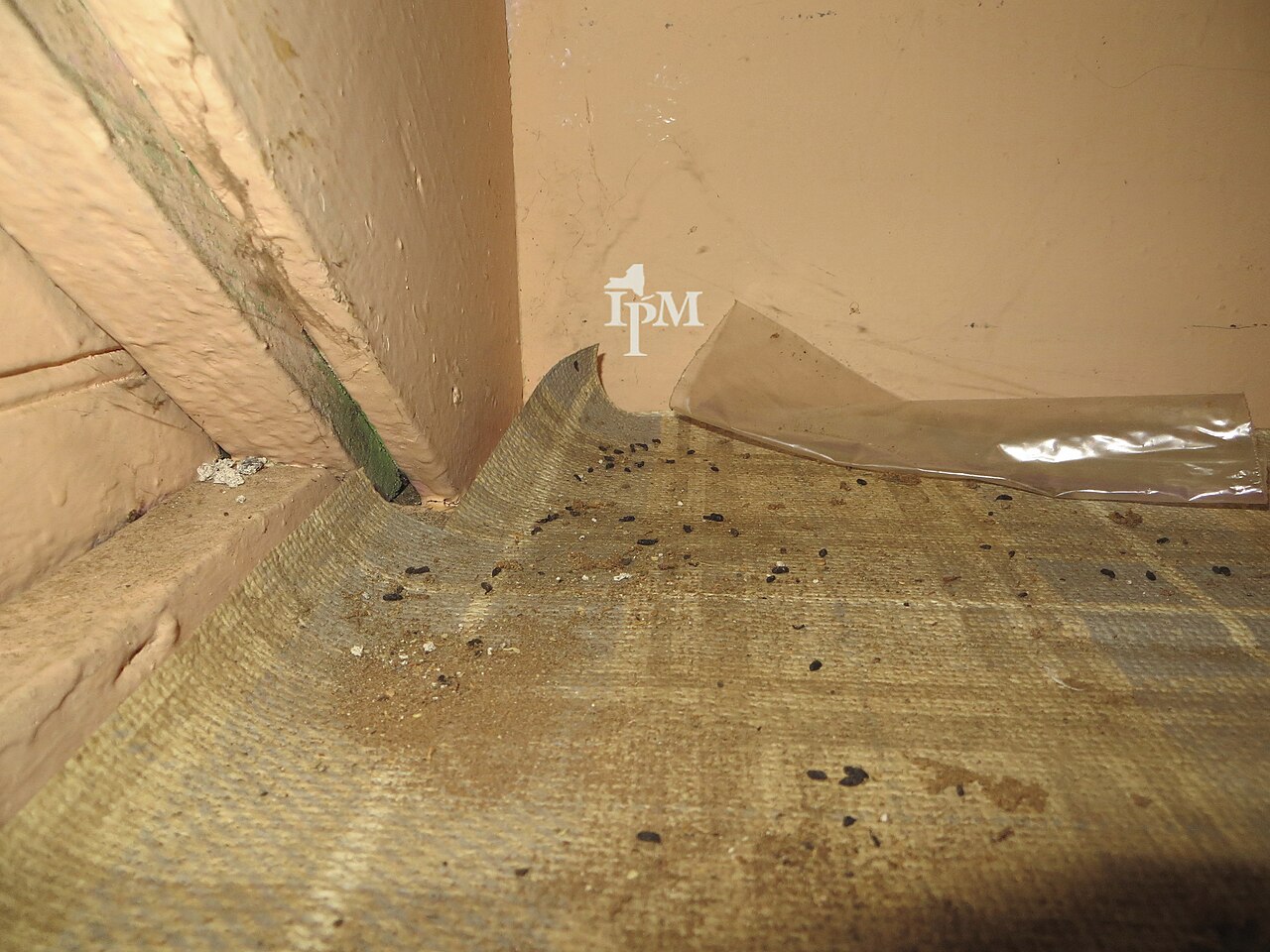
A single house mouse produces a genuinely surprising number of droppings daily relative to its small body size, typically 50 to 75 individual droppings per day, meaning even a modest, recently established mouse presence can generate a considerable accumulation of droppings within a relatively short time, particularly in favored feeding or nesting areas where a mouse spends concentrated time.
This high daily output means that finding even a small handful of droppings should generally prompt a broader inspection of the surrounding area rather than being dismissed as an isolated, minor concern, since the sheer volume mice typically produce means a genuinely isolated single-dropping finding is less common than discovering the true, sometimes more extensive, scope of an active mouse presence once a proper inspection is conducted.
Multiple mice, whether a breeding pair or a small established family group, compound this dropping accumulation considerably, and homeowners discovering unexpectedly large quantities of droppings during an inspection should generally consider this a signal of a potentially more established infestation involving several mice rather than assuming a single mouse could be responsible for an unusually extensive dropping accumulation across multiple areas of a structure.
Where Mouse Droppings Typically Appear
Mice tend to forage and explore relatively widely within accessible areas of a structure, meaning their droppings often turn up in a broader range of locations compared to some other rodent species that concentrate activity more heavily along fixed travel routes, with common mouse dropping locations including kitchen cabinets and drawers, pantries and food storage areas, along baseboards and in corners, inside stored boxes, and near potential entry points like utility penetrations or gaps around pipes.
Food storage areas specifically tend to show concentrated dropping activity given mice’s obvious interest in accessible food sources, making pantries, cabinets containing dry goods, and areas near pet food storage particularly common discovery points, and finding droppings specifically inside or immediately around food storage containers or packaging warrants discarding any potentially contaminated food items entirely rather than attempting to simply clean or salvage them.
Beyond food-focused locations, mice also frequently leave droppings along their general travel routes within wall voids, behind appliances, in basement or attic storage areas, and near any structural gaps serving as entry or nesting access points, meaning a genuinely thorough inspection for mouse activity should extend beyond just the kitchen and pantry areas most people check first to include these additional common but sometimes overlooked locations throughout a structure.
Health Risks: Hantavirus and Other Concerns
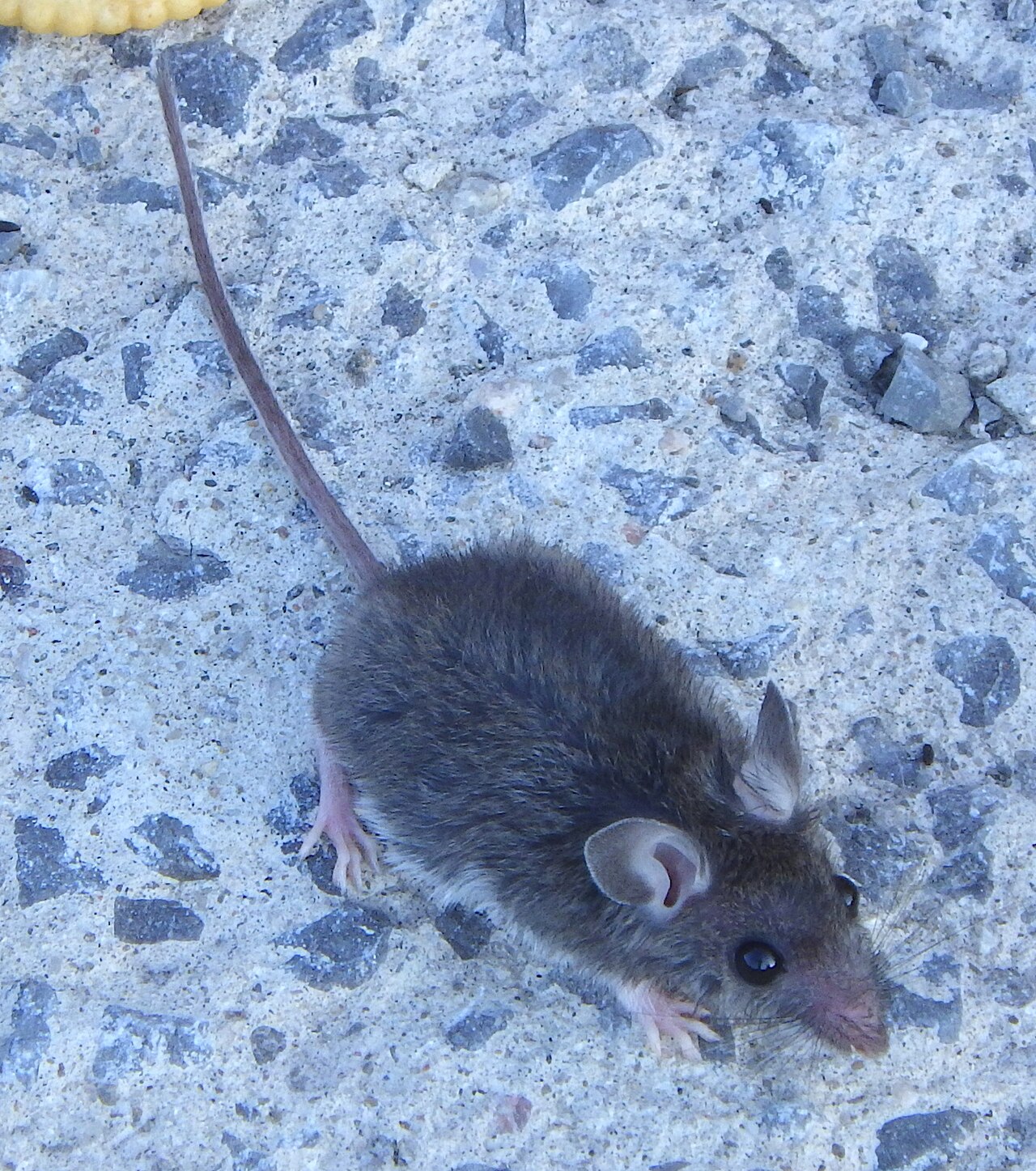
Mouse droppings carry genuine, well-documented health risks, most notably including hantavirus, a potentially severe respiratory illness that the CDC (cdc.gov) specifically identifies as transmissible through inhaling dust particles contaminated with infected rodent droppings, urine, or saliva, particularly associated with deer mice and certain other wild mouse species in specific regions of the United States, making proper precautions genuinely important rather than merely a theoretical concern.
Beyond hantavirus specifically, mouse droppings can also harbor salmonella bacteria and other pathogens capable of causing foodborne illness if droppings contaminate food preparation surfaces or stored food items, reinforcing why any food potentially exposed to mouse droppings should be discarded entirely rather than risk consumption, along with why thorough cleaning of any surfaces where droppings were found matters beyond simply removing the visible droppings themselves.
Given these documented health risks, the CDC and other public health authorities specifically recommend against dry sweeping, vacuuming, or otherwise disturbing dried mouse droppings in ways that could release contaminated particles into the air where they might be inhaled, a precaution that shapes the specific safe cleanup protocol covered in detail in the following section rather than allowing more casual cleanup approaches that might seem adequate for less hazardous household debris.
Safe Cleanup Protocol
Proper mouse dropping cleanup begins with thoroughly ventilating the affected area, opening windows and allowing fresh air circulation for at least 30 minutes before beginning any actual cleanup work, since this initial ventilation period helps disperse any airborne particles that may have already become disturbed before formal cleanup precautions are put into place.
Rather than dry sweeping or vacuuming, the recommended approach involves thoroughly spraying the droppings and surrounding area with a disinfectant solution or a diluted bleach mixture, allowing the solution to sit for several minutes to fully saturate the material, before wiping everything away with disposable paper towels while wearing rubber or disposable gloves throughout the entire process, a wet-cleanup method specifically designed to prevent the particle aerosolization that dry methods risk.
After removing droppings and disinfecting surfaces, disposing of cleaning materials in a sealed bag, washing gloved hands thoroughly before removing gloves, and then washing bare hands again afterward completes the recommended protocol, and any items that cannot be adequately disinfected, certain porous materials or heavily contaminated stored items, may need to be discarded entirely rather than risk incomplete decontamination through cleaning alone.
Mouse Poop vs Rat, Cockroach, and Other Lookalikes
Distinguishing mouse droppings from the considerably larger droppings of rats relies primarily on size, since rat droppings typically measure 1/2 to 3/4 inch, several times larger than a mouse’s 1/8 to 1/4 inch droppings, a size gap similar in scale to how squirrel and rat droppings are separated by comparable size logic, making this comparison one of the more straightforward rodent identification checks available, covered in full detail in our rat poop vs mouse poop guide.
Cockroach droppings present a genuinely common source of confusion given their broadly similar small size, though cockroach droppings tend to show a more uniform, cylindrical shape without the distinctly pointed ends characteristic of mouse droppings, and cockroach droppings often appear alongside other cockroach evidence, shed skins, egg cases, or a distinctive musty odor in heavier infestations, that mouse activity does not typically produce.
Other small dark insect droppings, including those from various beetles or the considerably different sign left by silverfish, generally lack the specific pointed, rod-like shape characteristic of mouse droppings, and this size-and-shape approach mirrors the same identification logic covered for larger mammal droppings in our raccoon poop guide, and checking for this specific shape detail alongside considering the broader context of where droppings were found, kitchen and pantry areas favor mice, while more specialized locations, like the damp spots covered in our gnat control guide, might favor a different pest entirely, helps resolve most identification uncertainty between these various small dropping types.
What Dropping Patterns Reveal About Infestation Severity
Beyond simply confirming mouse presence, the specific pattern and quantity of droppings discovered during a thorough inspection provides genuinely useful information about the likely scale of an infestation, with isolated, limited droppings in just one or two locations suggesting a more recent, possibly still-manageable presence, while extensive droppings scattered across multiple rooms or areas of a structure suggest a more established, potentially larger mouse population requiring more comprehensive intervention.
Tracking whether new droppings continue appearing after initial cleanup and any trapping or exclusion efforts provides an ongoing, practical measure of whether control efforts are actually succeeding, since a genuine reduction in new dropping accumulation over subsequent days and weeks indicates declining mouse activity, while continued fresh droppings despite active control measures suggest the need for reassessing and likely intensifying the current approach.
For infestations producing droppings across multiple areas or showing no meaningful reduction despite basic homeowner trapping efforts, professional pest control services bring both more comprehensive inspection capability for identifying all active entry points and nesting areas, along with more effective, appropriately scaled trapping and exclusion approaches suited to addressing an infestation more established than the more isolated, easily managed situations basic homeowner efforts can typically resolve on their own.
Related reading: Roach Poop vs Mouse Poop.
Related reading: Bat Poop vs Mouse Poop.
Frequently Asked Questions
What does mouse poop look like?
Small, dark, rod-shaped droppings about 1/8 to 1/4 inch long with pointed ends on both sides, resembling small grains of dark rice. Fresh droppings appear dark and slightly shiny, aging to a duller gray-brown color.
How many droppings does a mouse produce per day?
A single mouse typically produces 50 to 75 droppings daily, meaning even a recently established mouse presence can generate a considerable accumulation within a short time.
Is mouse poop dangerous to touch or breathe?
Yes, mouse droppings can transmit hantavirus and other pathogens through inhaled contaminated dust, which is why the CDC recommends avoiding dry sweeping or vacuuming and instead using a wet-cleanup method with disinfectant.
How do I safely clean up mouse droppings?
Ventilate the area first, then thoroughly wet the droppings with disinfectant before wiping them away with disposable gloves and paper towels, avoiding any dry sweeping or vacuuming that could release contaminated particles into the air.
Where do mice usually leave droppings in a house?
Commonly in kitchen cabinets, pantries, along baseboards, inside stored boxes, and near entry points like utility gaps, with food storage areas being particularly frequent discovery locations.
How is mouse poop different from cockroach droppings?
Mouse droppings are distinctly pointed at both ends, while cockroach droppings tend to be more uniformly cylindrical, and cockroach infestations often show additional signs like shed skins or a musty odor.
Should I throw away food if I find mouse droppings nearby?
Yes, any food potentially contaminated by proximity to mouse droppings should be discarded entirely rather than cleaned or salvaged, given the genuine risk of pathogen contamination from mouse droppings.