Frog Poop: What It Looks Like and How to Identify It
Frog poop looks like a dark brown or black cylindrical pellet with rounded ends, and it is surprisingly large for the animal that produced it, often a quarter to a third of the frog’s body length. A pellet from a common backyard tree frog measures about a quarter inch, while droppings from a large bullfrog can reach two inches long and the thickness of a pencil. Fresh frog poop is moist and shiny and may be coated in a clear mucus layer, and when it dries it turns dull black and crumbles to reveal glossy insect fragments, which is the single most reliable identification clue.
Most people encounter frog droppings on a patio, porch railing, pool deck, or windowsill where tree frogs perch at night to hunt insects drawn to a light. The droppings are usually mistaken for rat or mouse poop, which causes unnecessary alarm. This guide covers what frog poop looks like, how to tell it from rodent droppings, what it means when you find it, whether it is dangerous, how to clean it up safely, and how to reduce the number of frogs perching where you would rather they did not.
Frog poop is a dark brown to black cylindrical pellet with rounded ends, moist and shiny when fresh and crumbly when dry. It is large relative to the frog, from a quarter inch in tree frogs to two inches in bullfrogs. Broken apart it reveals shiny insect wings and legs, which distinguishes it from the tapered, uniform droppings of mice and rats.
| Feature | Frog Poop |
|---|---|
| Shape | Cylindrical with rounded, blunt ends |
| Color | Dark brown to black, sometimes with a white cap |
| Size (tree frog) | About 0.25 in |
| Size (bullfrog) | Up to 2 in long and pencil-thick |
| Contents | Shiny insect wings, legs, and exoskeleton bits |
| Where found | Patios, porch rails, pool decks, near outdoor lights |
| Health risk | Salmonella possible; wear gloves, wash hands |
What Does Frog Poop Look Like?
Frog poop is a dark, cylindrical pellet with blunt, rounded ends on both sides, and it is notably large compared with the size of the frog. A green tree frog barely two inches long can leave a dropping a quarter inch long, and a bullfrog can produce a pellet two inches long and as thick as a pencil. The size relative to the animal surprises people and is one reason frog droppings are so often attributed to a much larger creature such as a rat.
Color runs from dark brown through to nearly black, and fresh droppings often have a wet, glossy sheen with a clear mucus coating. Some frog droppings carry a white or cream cap at one end, which is urate, the semi-solid nitrogen waste that amphibians and reptiles excrete alongside feces. That white cap is a useful identification feature because mammal droppings never have it, though not every frog dropping shows one clearly.
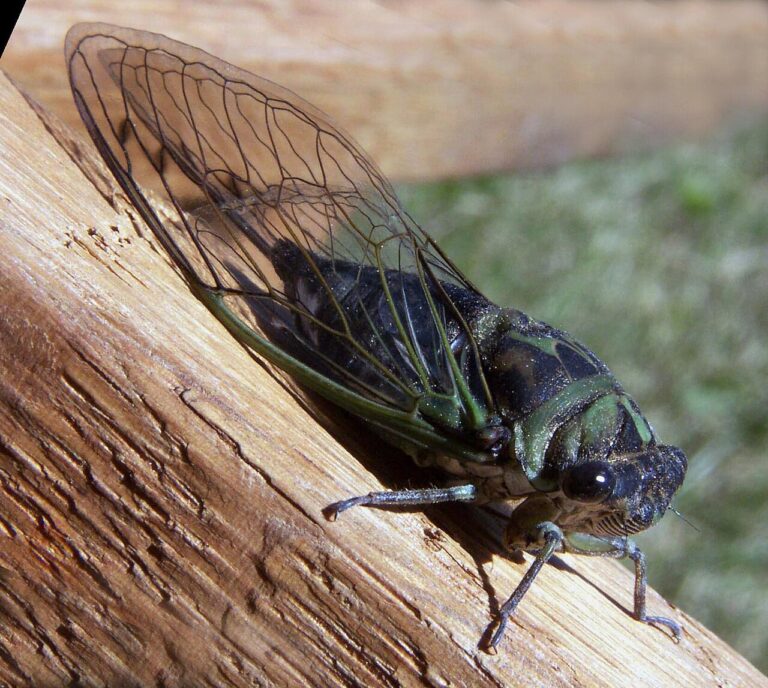
The decisive test is what happens when the dropping dries and breaks apart. Frogs swallow prey whole and cannot chew, so beetle wing cases, ant heads, moth wing scales, cricket legs, and fly parts pass through largely intact. A dried frog pellet crushed with a stick reveals a glitter of iridescent insect fragments. Nothing else in a suburban yard leaves droppings packed with recognizable whole insect parts at that size.
Frog Poop vs Rat Poop vs Mouse Poop
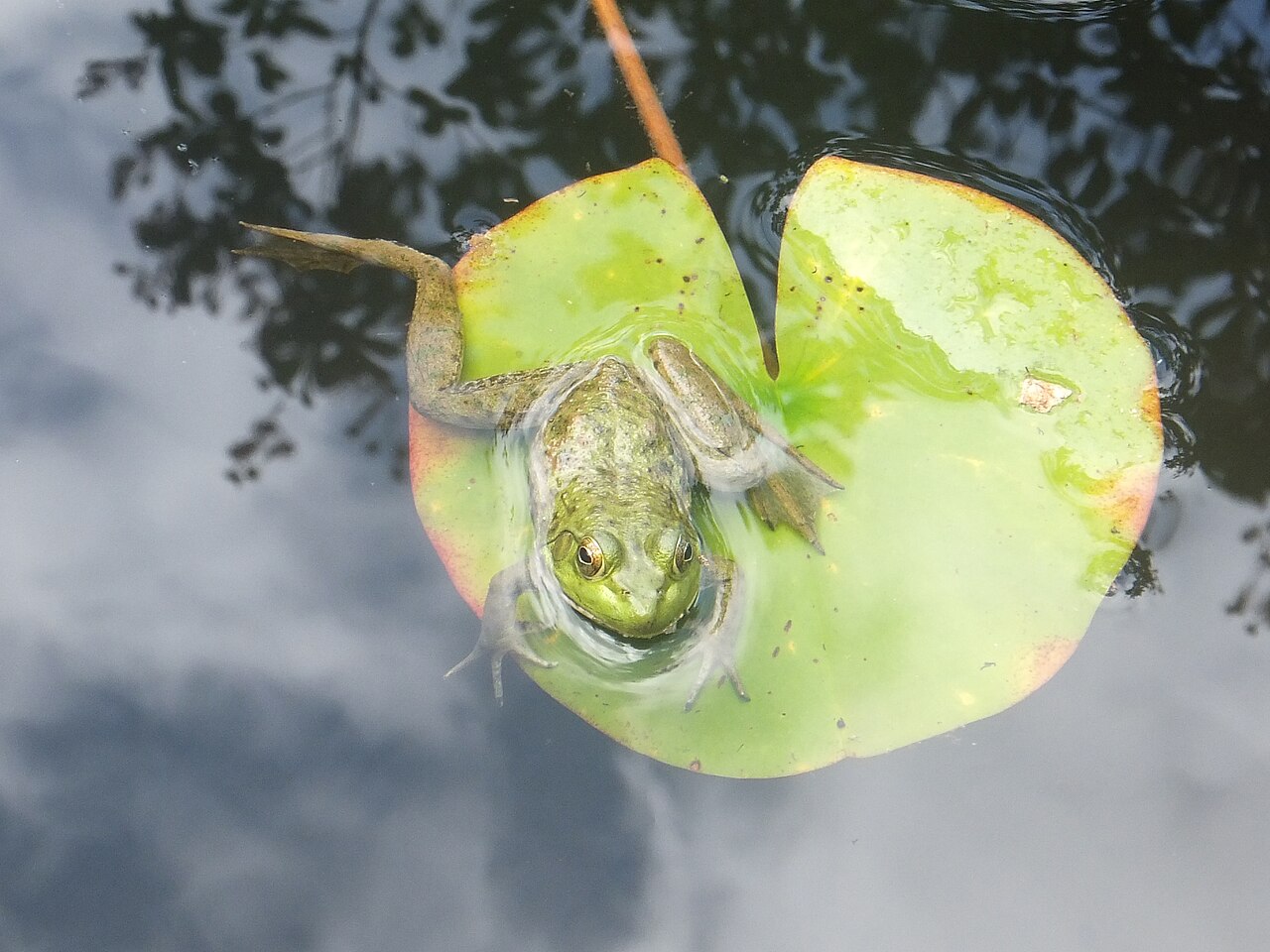
Frog poop is most often confused with rat poop, and the confusion is understandable because a large tree frog dropping and a rat dropping are similar in length and color. The differences are consistent once you know them. Rat droppings are tapered or pointed at one or both ends, are uniform and grainy inside, and are almost always found in scattered trails of dozens along walls, in cupboards, or near food. Frog droppings are blunt at both ends and are found singly or in twos and threes, usually on a horizontal surface below where a frog was perched.
Mouse droppings are much smaller, about a quarter inch, and are pointed at both ends like a grain of rice. They are also found in large numbers, because a single mouse produces 50 to 75 droppings a day. If you are finding two or three dark pellets on a patio table each morning, that is a frog. If you are finding forty of them behind the stove, that is a rodent, and the mouse poop guide covers the identification and the hantavirus precautions that go with it.
Location settles most cases on its own. Frogs perch on vertical surfaces such as walls, windows, and railings, hunting insects attracted to lights, and their droppings land on whatever is directly below: a doorstep, a deck rail, a pool cover, a car hood. Rodents travel along edges and walls indoors and leave droppings along those routes. Finding pellets on an open outdoor surface with nothing above it but a light fixture is a strong indication of frogs. For comparison with another commonly misidentified dropping, the lizard poop guide covers reptile droppings, which also carry a white urate cap.
What Does Toad Poop Look Like?
Toad poop looks very similar to frog poop but tends to be larger, drier, and more sausage-shaped, reflecting the toad’s bulkier body and more terrestrial life. An American toad can leave a dropping an inch or more long and noticeably thick, and because toads live on land rather than in water, their droppings are usually less mucus-coated and hold their shape better. The contents are the same: whole insect parts, especially ants, beetles, and slugs.
Toads are the more likely source of droppings found on the ground, in a garden bed, under a porch step, or in a window well, because toads spend their time on soil rather than climbing. Frog droppings, particularly from tree frogs, appear on elevated surfaces. If you find a substantial dark pellet on a patio slab in a garden with no overhead perch, a toad is more likely than a frog.
Toads are worth having. A single American toad can eat several thousand insects and slugs in a season, and gardeners often encourage them by providing a toad house, a shallow water dish, and moist shade. The droppings are a small price for that level of pest control. The old belief that handling toads causes warts is false; warts are caused by human papillomavirus and have nothing to do with amphibians, though toads do secrete a mild irritant from the parotoid glands behind their eyes, so hands should be washed after handling.
Is Frog Poop Dangerous?
Frog poop carries a real but modest health risk, primarily from Salmonella bacteria. Amphibians and reptiles commonly carry Salmonella in their digestive tracts without appearing sick, and the bacteria are shed in their droppings. The Centers for Disease Control and Prevention (cdc.gov) documents outbreaks linked to contact with frogs, especially African dwarf frogs kept as pets, and advises that people wash their hands thoroughly after touching amphibians, their habitats, or anything contaminated by them.
The practical risk from droppings on a patio is low as long as basic hygiene is observed. The danger comes from hand to mouth transfer, not from proximity, so the precautions are simple: do not handle droppings bare-handed, keep them away from food preparation surfaces and children’s play areas, and wash hands after cleanup. Children under five, older adults, and anyone with a weakened immune system are at greater risk of serious illness from Salmonella and should not handle amphibians or their waste at all.
Unlike some mammal droppings, frog poop does not carry an airborne disease risk, so there is no equivalent of the hantavirus precautions needed for bat poop or rodent droppings, where dry material must never be swept because inhaling the dust is the transmission route. Frog droppings can be swept up dry without special concern, though wetting them first makes them easier to remove and is good practice anyway.
How to Clean Up Frog Poop
To clean frog poop from a hard surface, put on disposable gloves, spray the dropping with water or a household cleaner to soften it, and wipe it up with paper towels. Dried frog droppings bond firmly to painted surfaces, glass, and outdoor furniture, so letting the spray sit for a minute or two before wiping saves a great deal of scrubbing. Dispose of the towels in the trash, then disinfect the surface and wash your hands with soap for at least 20 seconds.
Stubborn dried droppings on concrete or brick usually come off with a stiff brush and warm soapy water, or with a pressure washer if the surface can take it. On painted wood or vinyl, avoid abrasive scrubbing and use a plastic scraper after soaking. On glass, a razor scraper held flat lifts a dried pellet cleanly. Frog droppings can stain light-colored cushions and umbrella fabric, so treat those promptly with an enzymatic cleaner of the kind sold for pet stains.
Pool owners have a specific concern. Frog droppings in a pool are handled the same way as any fecal contamination: remove the material with a net, dispose of it in the trash rather than rinsing it back into the water, check that chlorine and pH are at proper levels, and let the filter run. The CDC recommends maintaining free chlorine at 1 part per million with a pH of 7.2 to 7.5 for routine sanitation of formed fecal matter, which most pools already do.
What Does Frog Poop in Your Yard Mean?
Frog poop in your yard means you have frogs, which is generally a positive sign about your property. Amphibians are sensitive to pollutants and pesticides and absorb chemicals directly through their permeable skin, so a healthy frog population suggests your yard is not heavily contaminated. Frogs also eat enormous quantities of insects, including mosquitoes, flies, and garden pests, providing free pest control every night.
The specific locations tell you what is attracting them. Droppings on a porch railing or windowsill mean tree frogs are hunting insects drawn to your outdoor lights. Droppings around a pool or water feature mean frogs are using it for drinking, cooling, or breeding. Droppings in a garden bed or under a step mean toads are working the soil for slugs and beetles. Frogs need moisture, cover, and insects, and any yard with a pond, dense plantings, or reliable irrigation will attract them.
If you want fewer frogs on the porch specifically, the simplest fix is the light. Switching to yellow bug lights or motion-activated fixtures reduces the insect swarm that draws the frogs, and turning outdoor lights off when not needed works even better. Removing standing water in containers, trimming dense ground cover near the house, and sealing gaps under doors also reduce frog traffic. Chemical repellents are not recommended, both because they work poorly and because amphibians are highly sensitive to them.
What Frog Poop Reveals About Frog Diet
Frog droppings are a direct record of what a frog has eaten, and biologists analyze them for exactly that reason. Frogs are ambush predators that catch prey with a projectile tongue and swallow it whole, and because they lack grinding teeth, the hard parts of insects pass through recognizably. A pellet from a tree frog typically contains moth wing scales, beetle elytra, ant heads, and fly parts, giving a clear picture of a night’s hunting.
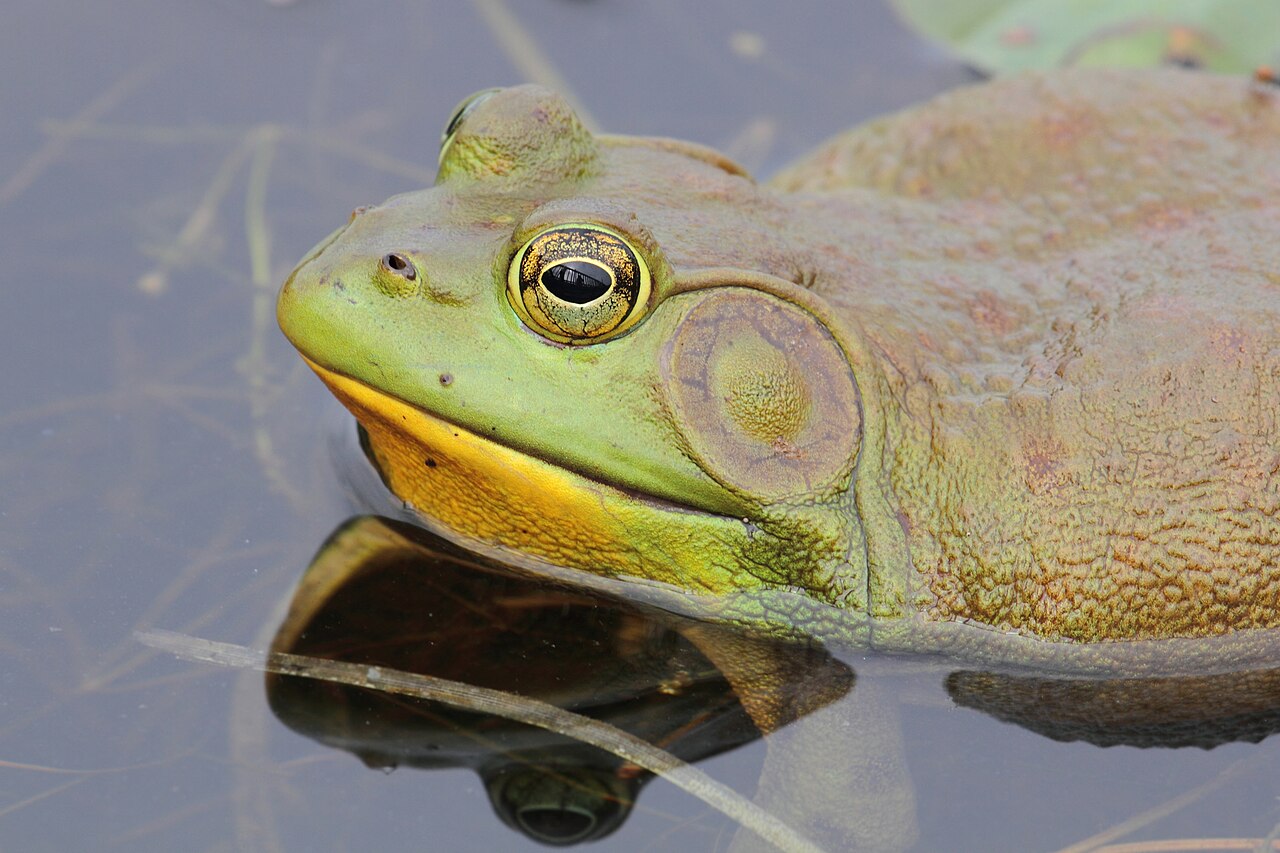
Diet varies dramatically with size. Small tree frogs eat mosquitoes, gnats, flies, ants, and small moths. Medium species take crickets, beetles, spiders, and caterpillars. American bullfrogs, which can exceed eight inches and weigh over a pound, eat essentially anything they can fit in their mouths, including other frogs, small snakes, mice, crayfish, and even young birds, and their droppings can contain bones and fur. This is why bullfrog scat is sometimes mistaken for the droppings of a small mammal.
The volume of a frog dropping relative to the animal reflects an efficient, compact digestive system built to process large meals infrequently. A frog may eat several times its stomach capacity across a good night and then not feed for a day or more. The guide to what tadpoles eat covers the completely different herbivorous diet of the larval stage, which is one of the more dramatic dietary shifts in the animal kingdom, and the African bullfrog guide shows what an extreme amphibian appetite looks like in a large species.
Frequently Asked Questions
What does frog poop look like?
Frog poop is a dark brown to black cylindrical pellet with blunt, rounded ends, moist and shiny when fresh. It is large for the animal, from about a quarter inch in tree frogs up to two inches in bullfrogs, and it contains visible insect parts when broken apart.
How do you tell frog poop from rat poop?
Rat droppings taper to a point and are uniform inside, and they appear in scattered trails of dozens indoors. Frog droppings are blunt at both ends, contain shiny insect fragments, and are found singly on outdoor surfaces below a perch, often near a light.
Is frog poop dangerous?
Frog droppings can carry Salmonella, so wear gloves, keep them away from food areas, and wash your hands afterward. The risk is low with basic hygiene. Unlike rodent and bat droppings, frog poop poses no airborne disease risk.
What does toad poop look like?
Toad droppings resemble frog droppings but are usually larger, drier, and more sausage-shaped, often an inch or more long. They are found on the ground, in garden beds, or under steps rather than on elevated perches.
How do I stop frogs from pooping on my patio?
Reduce the insects that attract them by switching to yellow bug lights or motion sensors and turning outdoor lights off when not needed. Remove standing water, trim dense ground cover near the house, and avoid chemical repellents, which work poorly and harm amphibians.
How big is frog poop?
It ranges from about a quarter inch for small tree frogs to two inches long and pencil-thick for bullfrogs. Droppings are typically a quarter to a third of the frog’s body length, which is unusually large relative to body size.
Do you have to clean up frog poop?
On patios, railings, and furniture, yes, both because it stains and because of the Salmonella risk. In garden beds and lawns it can be left alone, where it breaks down quickly and returns nutrients to the soil.