Can Rabbits Eat Cucumber? Portions and Cautions
Rabbits can eat cucumber, and it is one of the safer fresh foods to offer: low in sugar, low in calcium, and not toxic in any part. A couple of thin slices two or three times a week suits an average adult rabbit, and the skin and seeds are both fine.
The reason to keep the portion small is water rather than sugar. Cucumber is roughly 95 percent water and contains very little fibre or nutrition, so a rabbit that fills up on it eats less hay and can develop loose droppings. It is a hydrating treat rather than a vegetable that earns a daily place. This guide covers portions, skin and seeds, the leaves and flowers, and which greens should be daily instead.
Rabbits can eat cucumber in small amounts: two or three thin slices, two or three times a week. Skin and seeds are safe and the skin holds most of the nutrition. Cucumber is 95 percent water and low in fibre, so too much causes loose droppings. Cucumber leaves and flowers are also safe and more nutritious than the fruit.
| Item | Guidance |
|---|---|
| Portion | 2 to 3 thin slices per serving |
| Frequency | 2 to 3 times a week |
| Skin | Safe; holds most of the fibre and nutrients |
| Seeds | Safe; no need to remove |
| Leaves and flowers | Safe and more nutritious than the fruit |
| Under 12 weeks | None; hay, pellets, and mild greens only |
| Main risk | Loose droppings from high water, low fibre |
Is Cucumber Safe for Rabbits?
Yes. Cucumber is non-toxic to rabbits in every part, including flesh, skin, seeds, leaves, and flowers, and it contains no compound that causes a problem. It is also low in sugar at around 1.7 percent, and low in calcium and oxalates, which matters because both contribute to bladder sludge and stones in rabbits.
Those properties make it a better treat than fruit. A rabbit that begs for something sweet can be given cucumber without the sugar load of a grape or a slice of banana, and it is particularly useful in hot weather because of the water content.
The catch is that low sugar does not mean unlimited. Cucumber is almost entirely water and provides very little of what a rabbit’s digestive system actually needs, so the constraint is different from the one that applies to fruit but it is still a constraint. The guide to grapes for rabbits covers the sugary end of the same question.
How Much Cucumber Can a Rabbit Have?
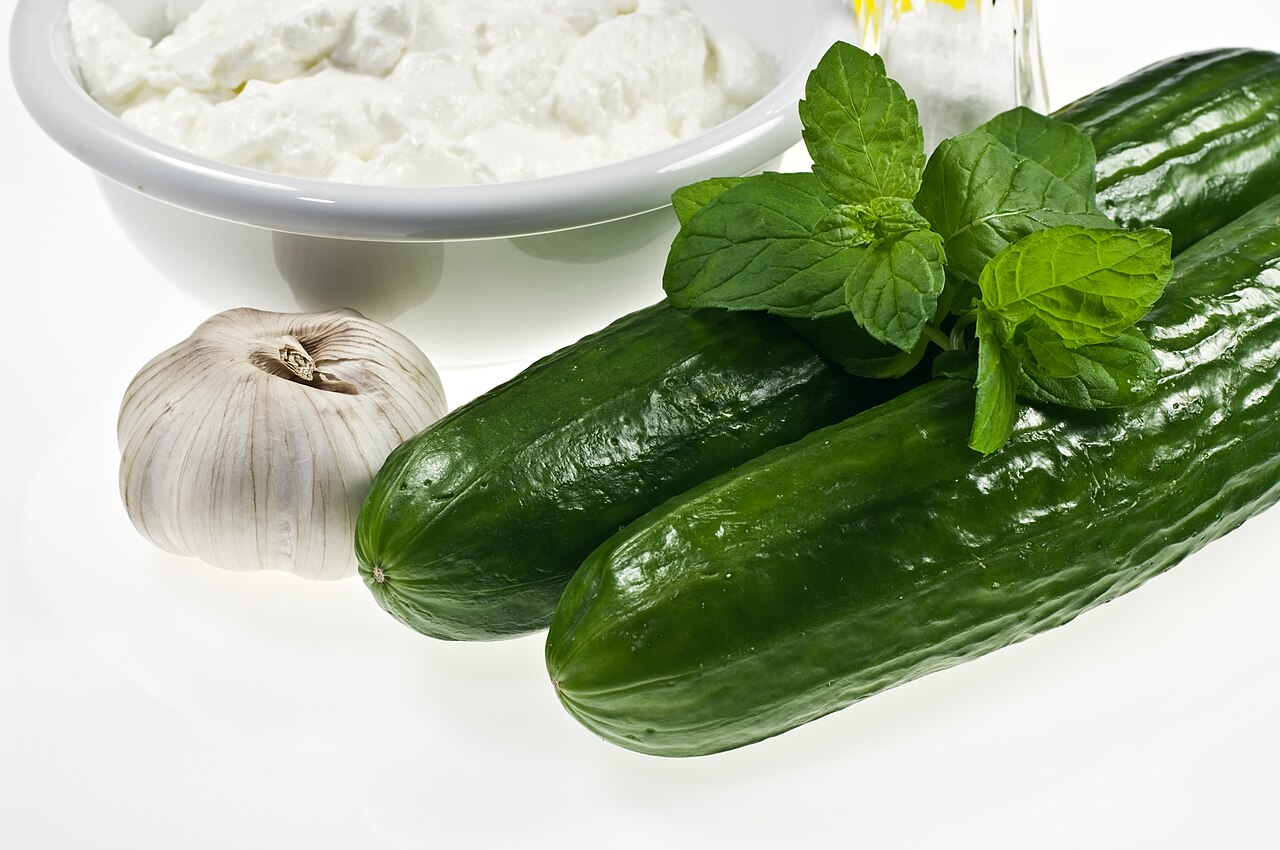
Two or three thin slices per serving, two or three times a week, for an average adult of five to eight pounds. For a dwarf breed under three pounds, one or two thin slices is enough.
Fresh vegetables as a whole should come to roughly one packed cup per two pounds of body weight daily, split across several types, and cucumber should be one component of that rather than the whole thing. A plate of cucumber instead of a mixed selection of greens is a poor day’s food even though nothing in it is harmful.
Rabbits under twelve weeks should have no cucumber or any other watery vegetable. Young rabbits have developing gut flora and need unlimited hay, a measured amount of pellets, and mild greens introduced slowly from about twelve weeks, with one new item at a time and two or three days between introductions.
Can Rabbits Eat Cucumber Skin and Seeds?
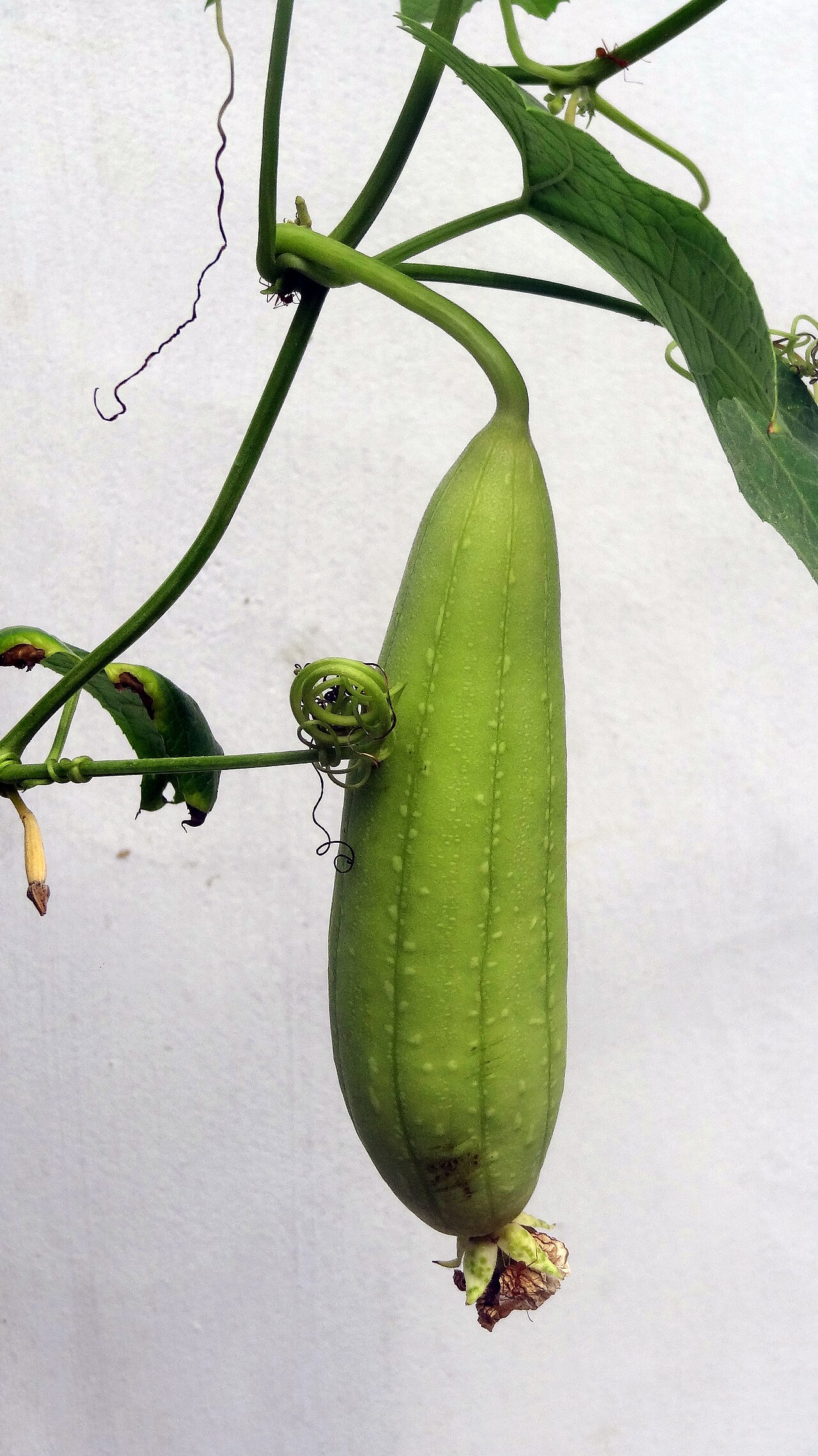
Both, and the skin is the better part. Cucumber skin holds most of the fibre, most of the vitamin K, and most of the antioxidants in the vegetable, so peeling removes what little nutritional value the cucumber has and leaves mostly water.
Seeds are soft, small, and entirely digestible, and there is no reason to remove them. This is different from apple and pear seeds, which contain cyanogenic compounds and must be taken out, and the distinction confuses people who apply one rule to all seeds.
Washing matters. Cucumbers are frequently waxed after harvest and can carry pesticide residue, and a rabbit is small enough for residues to matter more than they do for a person. Scrub under running water, or buy unwaxed or organic if cucumber is a regular part of the routine. The baby rabbit guide covers feeding at the stage where mistakes carry most weight.
Can Rabbits Eat Cucumber Leaves and Flowers?
Yes, and they are nutritionally better than the fruit. Cucumber leaves are fibrous and green with a real nutrient content, and rabbits generally take them readily, so anyone growing cucumbers has a useful supply of rabbit food that usually goes on the compost heap.
The same applies to the flowers, which are safe in small amounts. Squash and courgette leaves and flowers are equally fine, and this is a common pattern with the cucurbit family: the foliage is more useful to a rabbit than the fruit.
Only feed leaves from plants you know are unsprayed. Garden and allotment plants treated with fungicide or insecticide are not safe, and shop-bought cucumbers do not come with leaves, so this only applies to home-grown plants. Wilted or mouldy leaves should never be used. The rabbit guide covers the wider basics of keeping them.
What Happens If a Rabbit Eats Too Much?
Soft droppings, usually within a day. High water intake with almost no fibre passes through quickly and produces loose or mushy droppings, and while that is not dangerous in itself it is a signal to cut the cucumber back and increase hay.
The distinction worth knowing is between soft droppings and diarrhoea. Rabbits produce two kinds of dropping: firm round faecal pellets and softer clustered caecotrophs, which they eat directly and which are normal and necessary. What is not normal is watery diarrhoea, uneaten caecotrophs smeared in the enclosure, or a drop in the number of normal pellets.
Any rabbit that stops producing droppings or stops eating needs a vet the same day. Gastrointestinal stasis progresses fast, and a rabbit sitting hunched, pressing its abdomen down, and grinding its teeth is in pain rather than resting. Watery vegetables are a common minor contributor rather than a main cause, but the warning signs are the same regardless.
What Vegetables Can Rabbits Eat Daily?
Leafy greens are the daily category. Romaine and green leaf lettuce, cilantro, parsley in rotation, basil, dill, mint, carrot tops, radish tops, watercress, endive, and dandelion greens are all suitable, and a mix of three or more types daily is better than one in quantity.
Rotate the high-calcium and high-oxalate ones. Kale, spinach, chard, and parsley are nutritious but should appear a couple of times a week rather than daily, since excess calcium contributes to bladder sludge and stones, which are among the more common rabbit health problems.
Cucumber, courgette, bell pepper, broccoli leaves, and celery sit in a middle category: safe and useful several times a week but not a daily staple. Carrot is a treat rather than a vegetable in rabbit terms, being high in sugar despite its reputation, and should be limited to small pieces. The Netherland dwarf guide covers portions for the smallest breeds.
Do Rabbits Need Water If They Eat Cucumber?
Yes, always, and this is worth stating because the water content leads some owners to cut back on the bowl. A rabbit needs constant access to fresh water regardless of how many watery vegetables it gets, and a rabbit drinks roughly 50 to 150 millilitres per kilogram of body weight daily.
Bowls beat bottles. Studies comparing the two consistently find rabbits drink substantially more from an open bowl than from a sipper bottle, and adequate intake matters because low water consumption contributes directly to bladder sludge and to gut slowdown. A heavy ceramic bowl that cannot be tipped is the usual solution.
Watch intake as a health signal. A sudden increase in drinking can indicate kidney problems or dental pain, and a sudden decrease often precedes gut stasis by a day or two. Both are worth a vet call, and both are easier to notice with a bowl that visibly empties than with a bottle.
What Should Rabbits Never Eat?
Iceberg lettuce is the one most often given by mistake. It is nutritionally empty, contains lactucarium which can cause problems in quantity, and its water content without fibre produces exactly the loose droppings cucumber can cause but worse. Darker lettuces are fine.
Avocado is genuinely toxic through persin. Rhubarb, both leaf and stalk, is toxic. Onion, garlic, leek, chives, potato and potato leaves, and any part of a nightshade plant should never be given, and nor should chocolate, dairy, meat, bread, cereal, crackers, or processed food of any kind.
Houseplants and garden plants cause a disproportionate share of rabbit poisoning cases in free-roaming animals: lilies, foxglove, ivy, yew, oleander, and daffodil and tulip bulbs are all dangerous. The House Rabbit Society (rabbit.org) maintains a current list of safe and unsafe plants worth checking against before letting a rabbit roam.
How Much Should Be Hay?
Around 80 to 90 percent of everything a rabbit eats. Grass hay such as timothy, orchard, or meadow should be available at all times and a rabbit should get through a body-sized pile of it each day, which is far more than most owners provide.
Hay does two jobs no other food does. The long fibre keeps the gut moving, which prevents the stasis that kills rabbits, and the side-to-side chewing grinds down molars that grow continuously through life. A rabbit on a low-hay diet develops dental spurs that cut into the tongue and cheek, and that is one of the most common and most expensive rabbit conditions.
Everything else is secondary. Greens at about a cup per two pounds of body weight daily, pellets at a quarter cup per five pounds, and treats including cucumber and fruit under 5 percent of intake. If a rabbit is not eating much hay, the first thing to cut is pellets, not hay. The rabbit poop guide covers the daily check that tells you whether the balance is right.
Related reading: can rabbits eat broccoli.
Related reading: can rabbits eat watermelon.
Frequently Asked Questions
Can rabbits eat cucumber?
Yes. Two or three thin slices two or three times a week for an average adult. Cucumber is low in sugar, calcium, and oxalates, which makes it a safer treat than most fruit.
Can rabbits eat cucumber with the skin?
Yes, and the skin is the best part, holding most of the fibre and nutrients. Wash thoroughly since cucumbers are often waxed and can carry pesticide residue. Seeds are safe too.
How much cucumber can a rabbit eat?
Two or three thin slices per serving for an average adult, one or two for a dwarf breed. Total fresh vegetables should be about a cup per two pounds of body weight daily across several types.
Can rabbits eat cucumber leaves?
Yes, and they are more nutritious than the fruit. The same applies to the flowers and to squash and courgette foliage, provided the plants are unsprayed.
What happens if a rabbit eats too much cucumber?
Soft or mushy droppings, from high water intake with almost no fibre. Cut the cucumber back and increase hay. A rabbit that stops eating or producing droppings needs a vet the same day.
What vegetables can rabbits eat daily?
Leafy greens: romaine, green leaf lettuce, cilantro, basil, dill, mint, carrot tops, and dandelion greens. Rotate kale, spinach, chard, and parsley rather than feeding them daily.
What should rabbits never eat?
Iceberg lettuce, avocado, rhubarb, onion, garlic, potato, and any processed human food. Apple and pear seeds and stone fruit pits must be removed before feeding the flesh.

Similar Posts
Can Rabbits Eat Grapes? Safe Amounts by Size
Grapes are safe for rabbits but sugary. How many per week by body size, why raisins are worse, what happens if you overdo it, and which fruits to avoid entirely.
Can Guinea Pigs Eat Bananas? Portion and Sugar Concerns
A finger-width slice once a week at most. Why banana’s high sugar and low vitamin C make it one of the weaker fruit treats despite being popular.
Can Rabbits Eat Tomatoes? Safe Parts and What to Avoid
Ripe flesh yes, in small amounts. Leaves, stems, and green fruit are toxic. What’s safe, how much, and what solanine poisoning looks like.
Can Guinea Pigs Eat Strawberries? Portions and Vitamin C
Yes, one small berry once or twice a week, tops included. Why guinea pigs need dietary vitamin C, why bell pepper beats fruit, and which fruits to avoid entirely.
Can Guinea Pigs Eat Blueberries?
Yes, one or two berries once or twice a week. Vitamin C and antioxidants, but sugar means portion control matters. How much is safe and what to watch for.
Can Bearded Dragons Eat Bananas? Safe Amounts Explained
Bearded dragons can eat bananas once or twice a month. Here is why the calcium to phosphorus ratio matters and how to serve banana safely.