Guinea Pig Care Guide: Housing, Location, Food and Daily Care
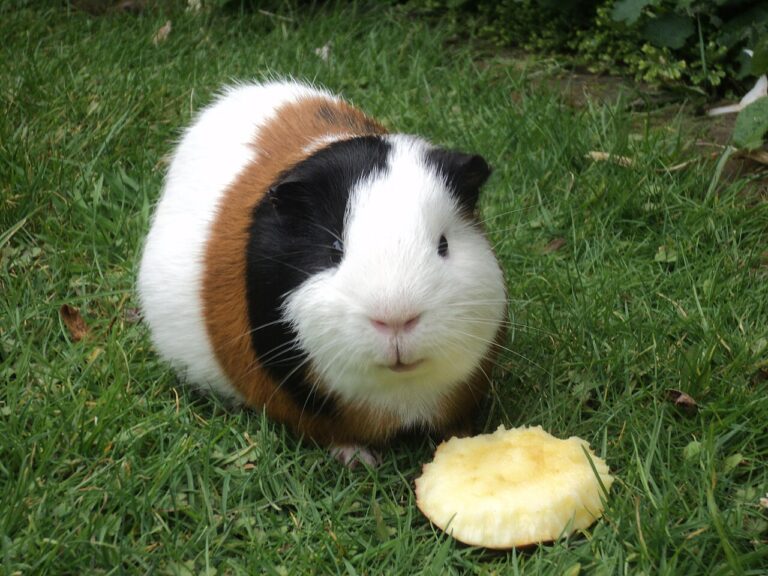
A guinea pig care guide comes down to one idea: these are grazing herd animals living in your home. Guinea pigs (Cavia porcellus) eat for much of the day, feel safest in company, and show illness quietly.
Guinea pigs need at least one compatible guinea pig companion, a roomy single-level enclosure with hides, and a quiet, draft-free spot away from heat and predators. Feed unlimited grass hay, fresh water and daily vitamin C from vegetables or fortified pellets. Check food intake, droppings and behavior every day, and weigh them weekly.
| Care area | What to provide | What to avoid |
|---|---|---|
| Enclosure | One large, continuous floor area with a hide per pig | Tall cages with little floor space |
| Location | Quiet indoor room with steady temperatures | Radiators, direct sun, drafts, unprotected yards |
| Bedding | Dust-free paper or fleece over an absorbent layer | Scented bedding and wire floors |
| Diet | Unlimited grass hay, water, vegetables, plain pellets | Chocolate, onions, potato plants, sweets |
| Company | A compatible guinea pig partner | A rabbit as the only companion |
| Routine | Daily checks and a weekly weigh-in | Two days alone with an automatic feeder |
How much space do guinea pigs need, and where should they live?
A pair of guinea pigs needs one large, continuous floor area in a quiet indoor spot with steady temperatures. Guinea pigs run, popcorn and graze across the ground, and they make little use of tall levels.
As a practical benchmark, SPCA New Zealand recommends at least 1.5 square meters of floor space for a pair; provide more whenever possible. This is a welfare recommendation, not a universal legal minimum. Provide a hide for each pig and daily exercise in a secure area with cables, toxic plants and other pets kept out of reach.
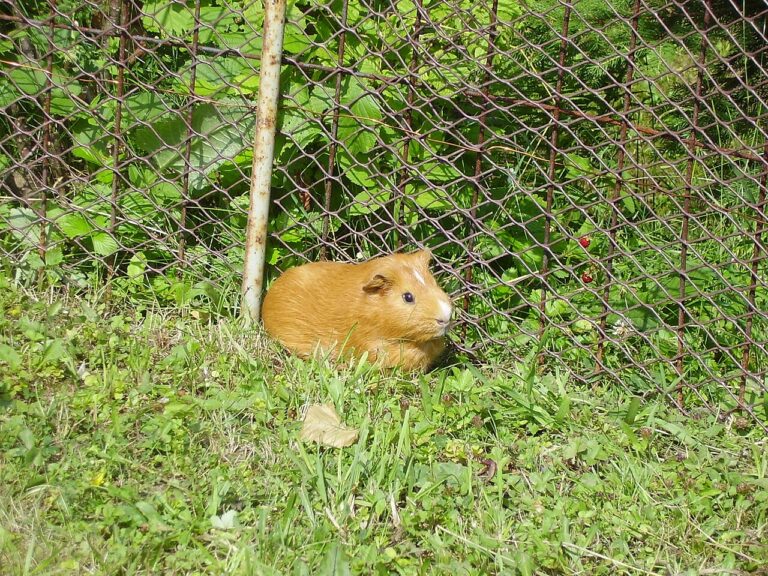
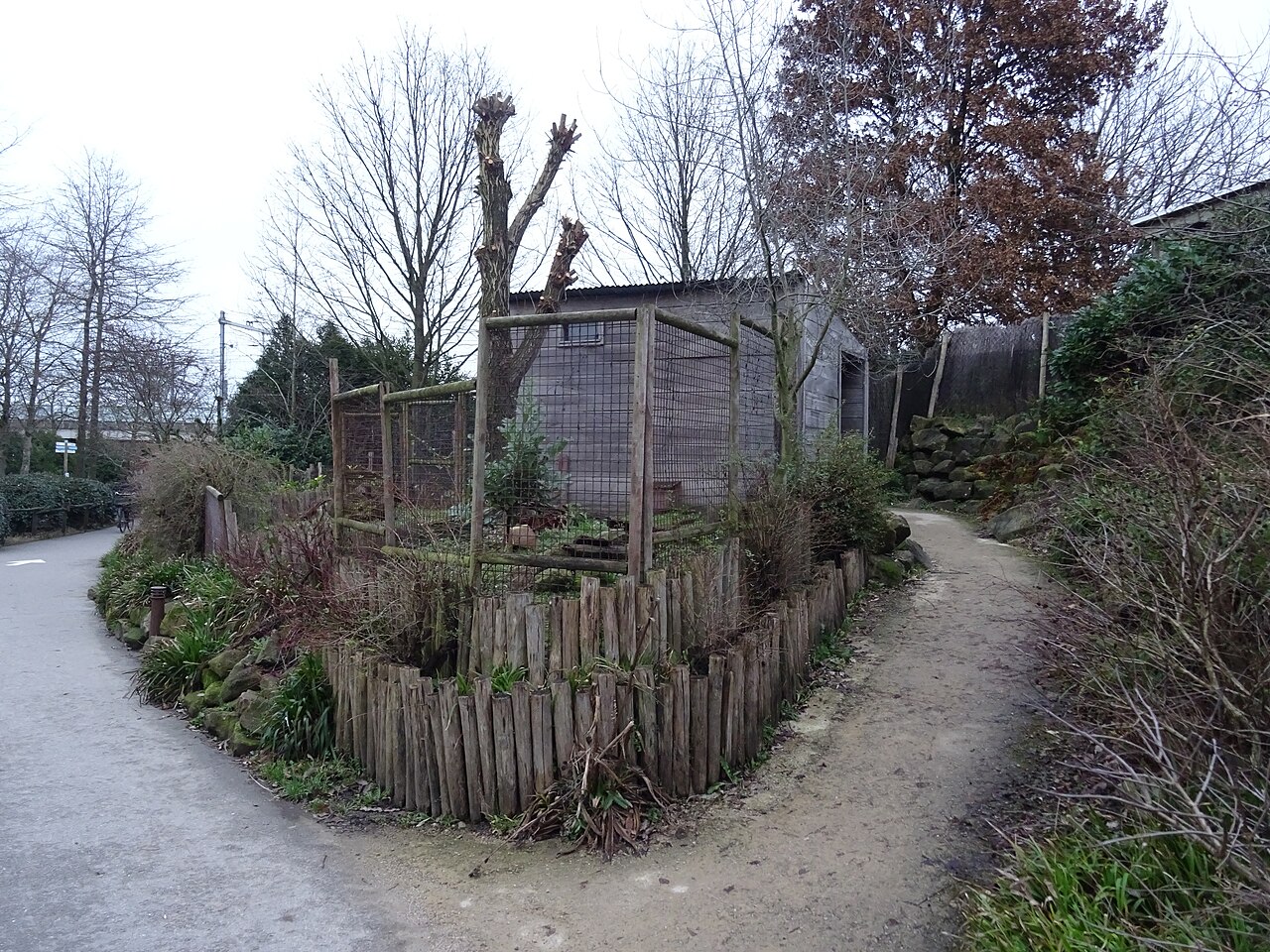
Place the enclosure in a quiet, well-ventilated room away from radiators, direct sun, drafts and loud speakers. Outdoor housing requires dry shelter, shade and an enclosure secured against predators from above, around the sides and underneath. Suitability depends on your local climate and the animals’ acclimatization. Avoid abrupt temperature changes, and do not move indoor guinea pigs outdoors during cold weather. The RSPCA housing advice explains protection from weather and temperature changes.
What bedding keeps a guinea pig enclosure clean?
Dust-free paper bedding or fleece that lets moisture pass into an absorbent underlayer helps keep a guinea pig enclosure dry. Skip scented bedding, and never house guinea pigs on wire or mesh floors.
Remove wet bedding and droppings every day. Regularly replace loose bedding or wash fleece and its absorbent layers, and clean and dry the enclosure before putting fresh bedding back.
What should guinea pigs eat, and which foods are unsafe?
Guinea pigs eat mostly grass hay, plus fresh water, leafy vegetables and a small portion of plain guinea pig pellets. Hay should be available at all times. Timothy, orchard and meadow hay all suit adult guinea pigs.
Guinea pigs cannot make their own vitamin C, so they need it from food every day. Bell peppers, leafy greens and pellets made for guinea pigs supply it, while vitamin drops in the water bottle are unreliable. Guinea pig foods should provide daily vitamin C without relying on fruit.
Never feed chocolate, onions, garlic, leeks, chives, potato plants, or house and garden plants you cannot identify. Bread, sweets, meat and dairy have no place in the bowl either. Introduce each new vegetable slowly over several days, because sudden diet changes upset a guinea pig’s digestion.
Why do guinea pigs need a compatible companion?
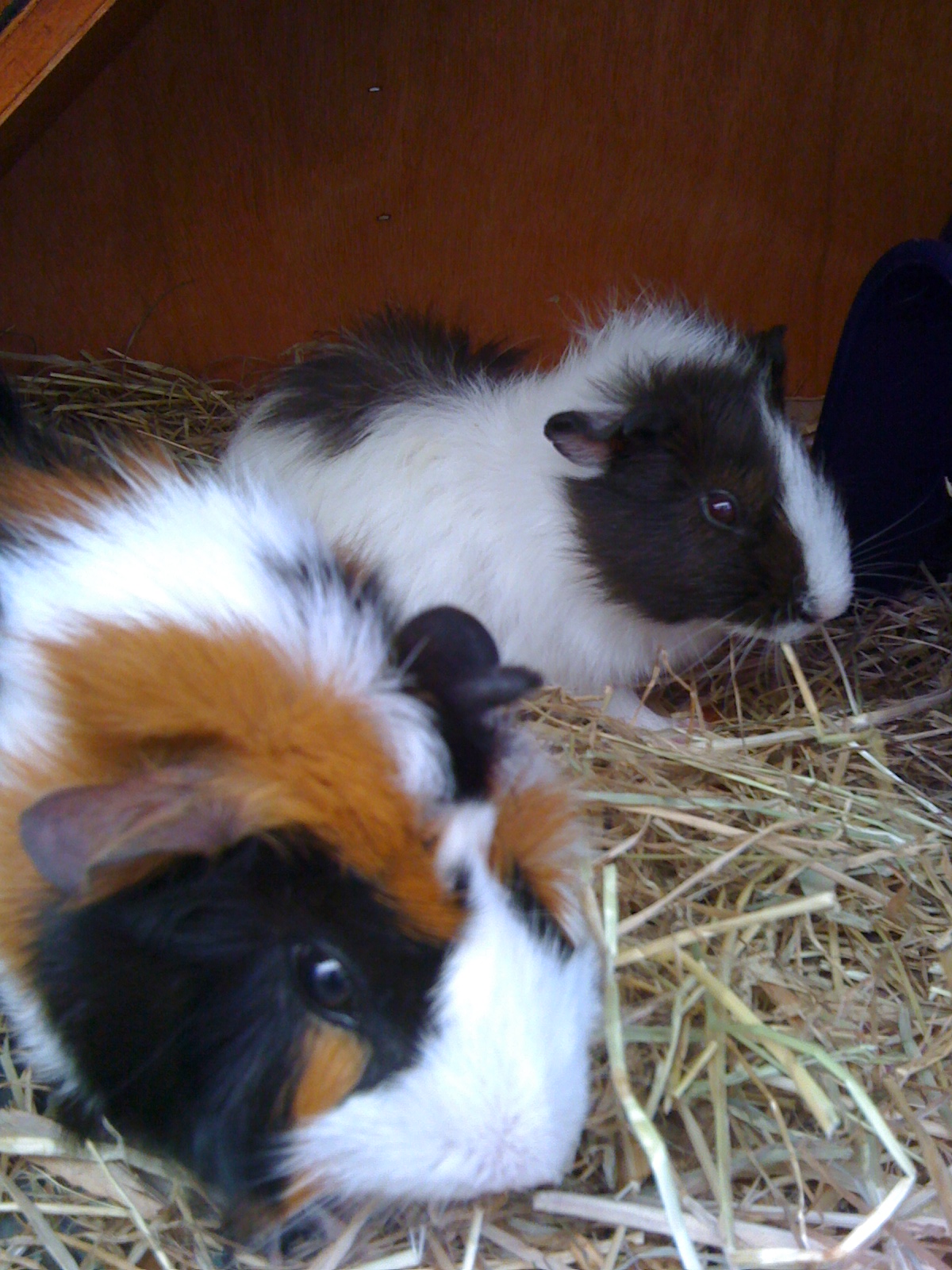
Guinea pigs need a compatible companion because they are social herd animals and companionship supports their welfare. Keep at least two compatible guinea pigs. Same-sex pairs or a neutered male with females prevent unwanted litters. A rabbit is not a substitute for another guinea pig.
Guinea pig breeds and coat types differ in grooming needs, but every breed shares this need for company.
Guinea pig sounds and their meanings show how a new pair is getting along, from wheeks at feeding time to tense teeth chattering.
What daily care keeps guinea pigs healthy and safe?
Healthy guinea pigs need a daily check of food, water, droppings and behavior, plus a weekly weigh-in for each animal. Contact a vet immediately if a guinea pig stops eating, eats noticeably less or passes far fewer droppings. Weight loss on a digital scale can show up before you see anything else.
Two days alone is too long. Automatic feeders and a second bottle cannot notice a jammed spout or a pig that has stopped eating. Arrange a sitter who comes by every day and knows to call a vet if appetite or droppings drop off.
Check nails and coats during the weekly weigh-in. Texel guinea pig grooming needs include regular brushing of the long, curly coat.
Abyssinian guinea pig coat care centers on rosettes that trap hay and bedding.
How should new guinea pigs settle in?
New guinea pigs settle in best with enough hides, a quiet room and the same routine every day. The 3-3-3 rule is an informal settling-in mnemonic: three days to decompress, three weeks to learn a routine and three months to feel at home. These are suggested stages, not validated deadlines for guinea pigs; individuals settle at different speeds. It never justifies waiting when a new pig stops eating.
Let contact grow on their terms. To lift a guinea pig, scoop one hand under the chest and support the hindquarters with the other. Sit on the floor when holding it to reduce the risk of injury from a fall. Keep it away from your face and do not kiss it, as the CDC advice on small pet mammals recommends. Squealing, struggling or freezing means put the pig down and try later.
Frequently Asked Questions
Can guinea pigs climb?
Yes, but only a little. Guinea pigs manage low obstacles and gentle ramps, yet they are clumsy climbers and can fall from raised levels. Give every loft a barrier on open edges, keep ramps shallow, and never count upper floors as main floor space. Wheels and exercise balls are unsafe for them.
Do guinea pigs smell in the house?
No, not strongly. Some smell of hay and animals is normal, but a clean, dry enclosure should not produce a strong, persistent odor. Urine-soaked bedding is a common cause; remove it and clean the affected surfaces. An unusual smell from the guinea pig itself needs a vet check.
Do guinea pigs like to be cuddled?
Yes, some do. Many enjoy gentle stroking and voluntary lap contact, while others dislike being lifted or held. Let each animal choose whether to approach and stay, and end contact if it struggles, freezes or tries to leave.
Do guinea pigs get attached to you?
Yes, many learn to recognize their people and approach them freely. Voluntarily approaching your hand can indicate trust, whether or not you are offering food.
Do guinea pigs carry germs?
Yes. The CDC lists guinea pigs among the small mammals that can carry germs even when they look clean and healthy. Their food, equipment and habitats can carry Salmonella too. Wash your hands after handling your pets or their supplies, and keep cages and gear out of the kitchen.
Should pregnant women handle guinea pigs?
No, not when it can be avoided. The CDC advises pregnant women not to handle pet rodents when possible because of lymphocytic choriomeningitis virus. Another household member should take over handling and cage cleaning during pregnancy.
Sources