Sloth Spirit Animal: Meaning, Symbolism and Message
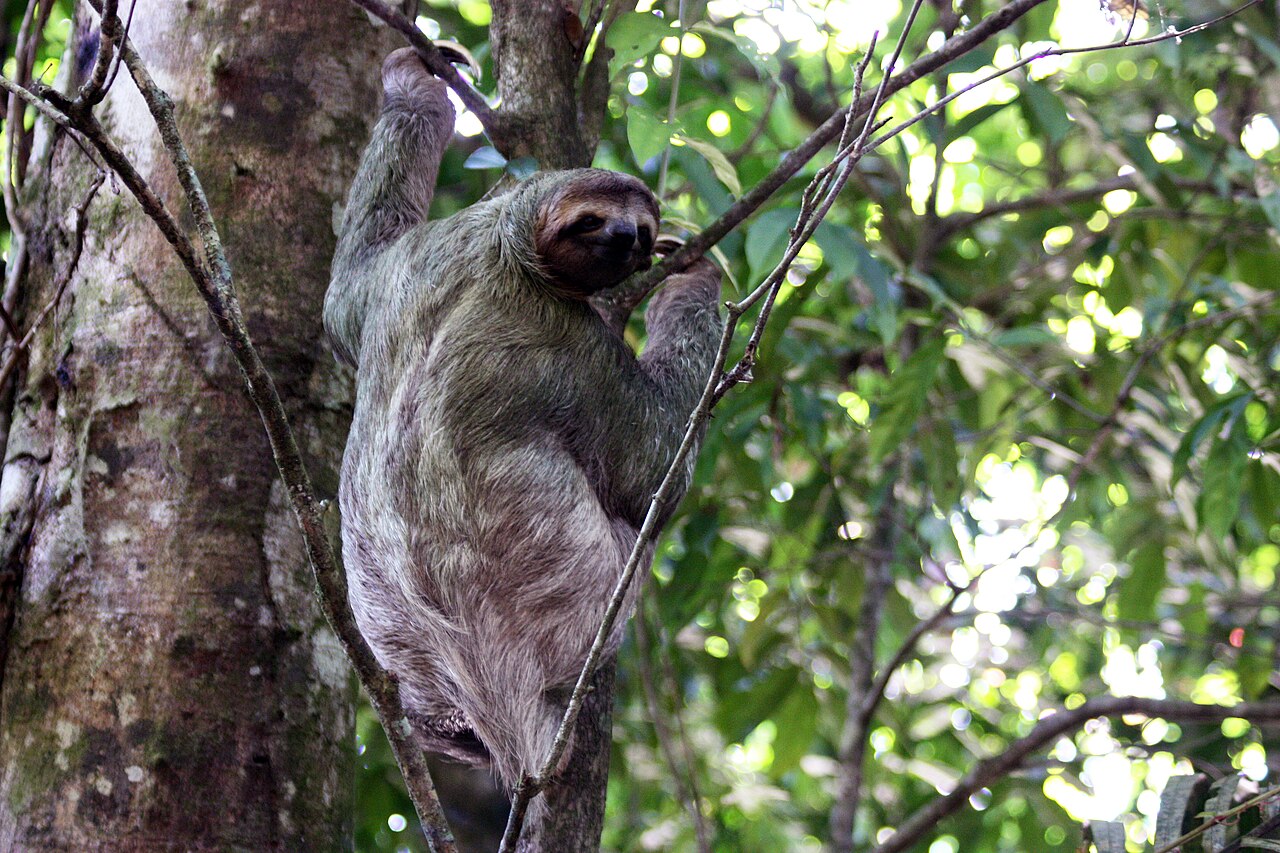
The sloth spirit animal symbolically stands for patience, deliberate rest and the courage to move at your own pace in a hurried world. Its message is to slow down on purpose, save energy for what matters, and trust that steady progress still arrives. The same animal also carries a shadow, because the English word sloth named a deadly sin long before it named the mammal.
That double meaning makes the sloth unusual among animal signs. One side invites rest, and the other warns against drifting. A useful reading holds both and asks which one your life needs this week.
Spiritually, the sloth stands for patience, rest and energy spent only where it counts. Its shadow is inertia, the slide from chosen rest into avoidance, the old sin that shares the animal’s name. The message is to slow down on purpose while still taking one small, real step each day.
What Does the Sloth Spirit Animal Symbolize?
The sloth spirit animal symbolizes patience, rest and contentment with little. A sloth hangs in one tree for days, eats leaves that other animals pass over, and still thrives. That pattern carries the core lesson. You do not need speed to survive, and you do not need more than enough.
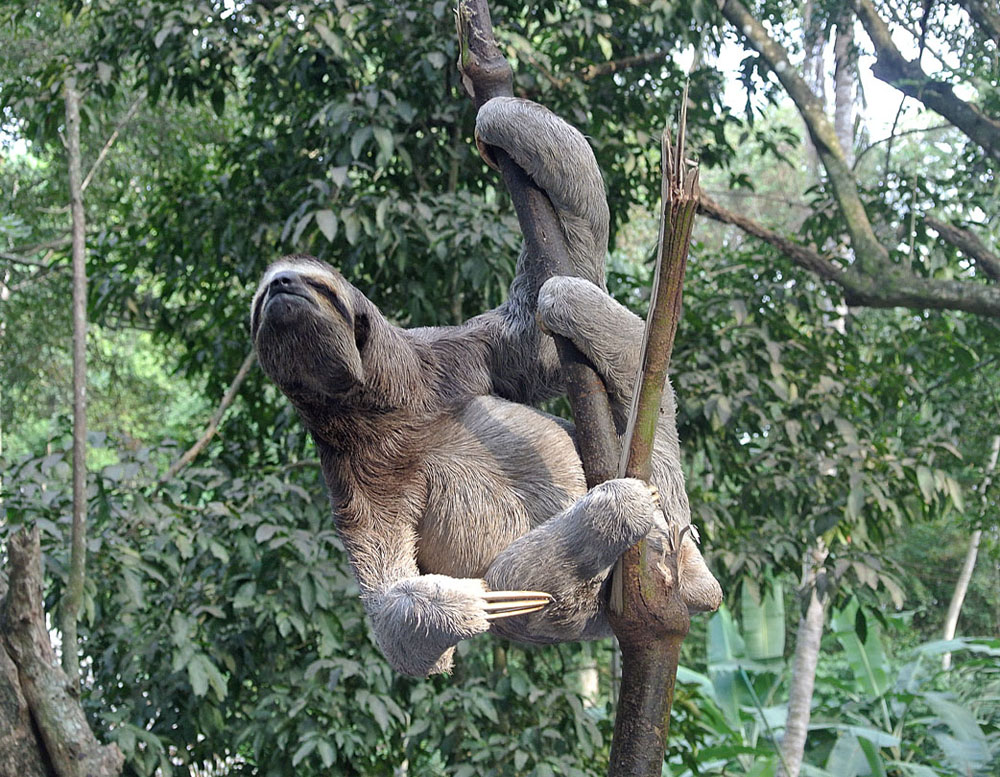
Patience is the first theme. The sloth reaches its food through slow, exact movements, and a careless grab would cost energy it cannot spare. Rest is the second theme. The animal treats stillness as part of the job, not as failure. Contentment is the third. A diet of leaves gives little fuel, so the sloth asks less of each day and lives within that limit without strain.
The phrase spirit animal is a modern term. It describes an animal you feel drawn to and learn from, not a creature that controls your fate. Blue dragonflies make a useful contrast, since they stand for quick transformation. The sloth stands for change that comes from staying put long enough to let it happen.
What Real Sloths Teach: Slow Living Backed by Biology
Real sloths teach that slowness is a survival strategy, not laziness. Brain recordings of wild brown-throated three-toed sloths (Bradypus variegatus) in a Panama rainforest found about 9 to 10 hours of sleep a day. Captive sloths logged far longer totals, and that gap fed the myth of an animal asleep 15 to 20 hours.
The real driver is energy. Sloths run one of the slowest metabolisms among mammals, and a diet of tough leaves takes days to digest. Moving slowly saves fuel the animal cannot easily replace. Green algae grow in the grooves of their coarse fur, which gives the coat a green tint and may help the animal blend in with the canopy. Armadillos belong to the same mammal group as sloths, the Xenarthra, together with anteaters.
Three-toed sloths climb down about once a week to defecate at the base of their tree. That trip is the riskiest part of their routine, and they make it rarely and deliberately. Two-toed sloths (genus Choloepus) follow the same slow rhythm, and the Smithsonian’s National Zoo profile of the two-toed sloth covers their diet and night activity.
| Trait | What a real sloth does | Lesson for your life |
|---|---|---|
| Sleep in the wild | About 9 to 10 hours a day | Rest is a need, not a reward |
| Metabolism | One of the slowest among mammals | Spend energy where it counts |
| Diet | Leaves that take days to digest | Ask less and use it fully |
| Coat | Algae give the fur a green tint | Blend in when you need quiet |
| Ground trips | About once a week for three-toed sloths | Take risks rarely and on purpose |
| Pace | Slow, exact movements | Precision beats hurry |
Sloth Symbolism in Dreams
In modern dream interpretation, a sloth points to your relationship with rest and pace. A sloth hanging calmly from a branch shows a rhythm that works for you, or one you need to find. A sloth that keeps sleeping while things happen around it points to avoidance, a task or feeling you keep postponing.
A sloth trying to walk on the ground is the most pointed image. Sloths are clumsy on the forest floor, so the dream shows you out of your element, crossing a place that drains you. Ask what in your waking life feels like that ground. A sloth climbing steadily upward points to slow progress that is still progress.
Black cat dreams carry a sharper charge than sloth dreams, built around luck, fear and intuition. The sloth dream is quieter. It does not warn of an event. It asks about a habit.
Sloth as a Power Animal: Guidance, Totem and Path
As a power animal, the sloth guides you toward a sustainable pace and away from burnout. A power animal is the animal you call on for a quality you lack, and the sloth lends steadiness. It suits seasons of recovery, long projects and any stretch where rushing would break something.
The word totem comes from the Ojibwe term odoodem, which refers to a clan and its animal emblem. In Ojibwe usage the doodem marks kinship and descent, not a personal guide chosen by one person. Calling the sloth your totem borrows the word loosely. Spirit animal or power animal fits the personal sense better and respects the original meaning.
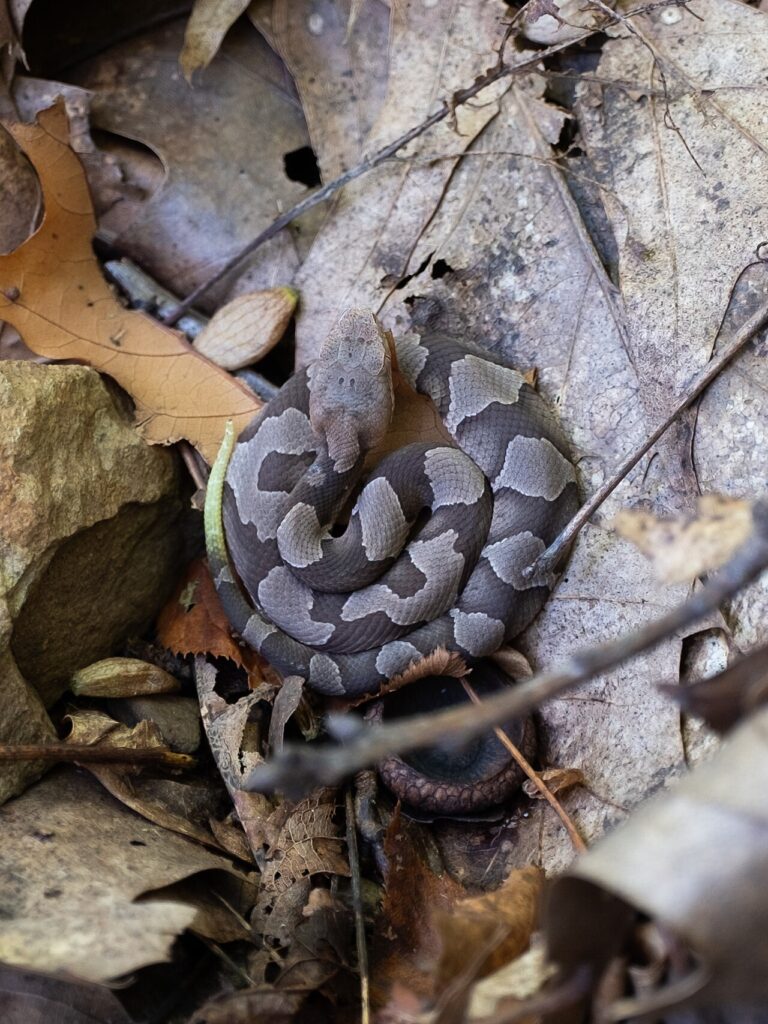
Treat the sloth as a teacher, not a fortune teller. It does not predict what happens next. It shows a way of moving that is deliberate, energy-aware and unhurried. Snakes stand for shed skin and sudden renewal, which makes them a contrasting animal sign to the sloth in a season of fast change.
Is Sloth a Sin? The Biblical and Historical View
Yes, sloth is one of the seven deadly sins in Christian tradition, but the sin names a condition of the soul, not the animal. The mammal took its English name from the older word for laziness, slowth or sloth in Middle English. No verse names the animal, which lived only in the Americas. The biblical meaning of the sloth spirit comes from verses about slothful people.
Proverbs 6:6 to 11 tells the sluggard to go to the ant and learn from its work, and warns that poverty comes “as one that travelleth.” Proverbs 19:24 in the King James Version pictures a slothful man who hides his hand in his bosom and will not bring it to his mouth again. The KJV uses slothful for idle people. In that sense the sloth spirit is a refusal to act when action is due.
The idea grew through the early church. Evagrius Ponticus, a fourth-century monk, named acedia, a listless restlessness that pulled monks away from prayer. Pope Gregory the Great reshaped the list of vices into seven in the late sixth century. Thomas Aquinas defined sloth in the Summa Theologiae, Second Part of the Second Part, Question 35 as sorrow about spiritual good. Dante placed the slothful on the fourth terrace of Purgatory, running without rest. In 1589 the German bishop Peter Binsfeld paired each sin with a demon and gave sloth to Belphegor.
Do Sloths Like Hugs? Touch and Wild Animals
No, sloths are wild animals that do not seek hugs from people, and handling can stress them. A sloth’s calm face hides its response. It cannot flee fast, so it typically freezes, and stillness in someone’s arms is not comfort.
Sloth selfies at roadside stands and tourist attractions can feed a trade in animals taken from the wild. Rules on holding wild sloths vary by country, and permission comes from the national wildlife authority, not from a tour operator.
Admire sloths from a distance, or visit a sanctuary that does not offer holding sessions. The respectful choice matches the animal’s own lesson. Let it keep its pace.
How to Bring Sloth Energy Into Everyday Life
Bring sloth energy into everyday life by scheduling rest as firmly as work and choosing one pace per day. Block a recovery hour the way you block a meeting. Pick a slow day for deep tasks and a fast day for errands, instead of switching speeds every hour.
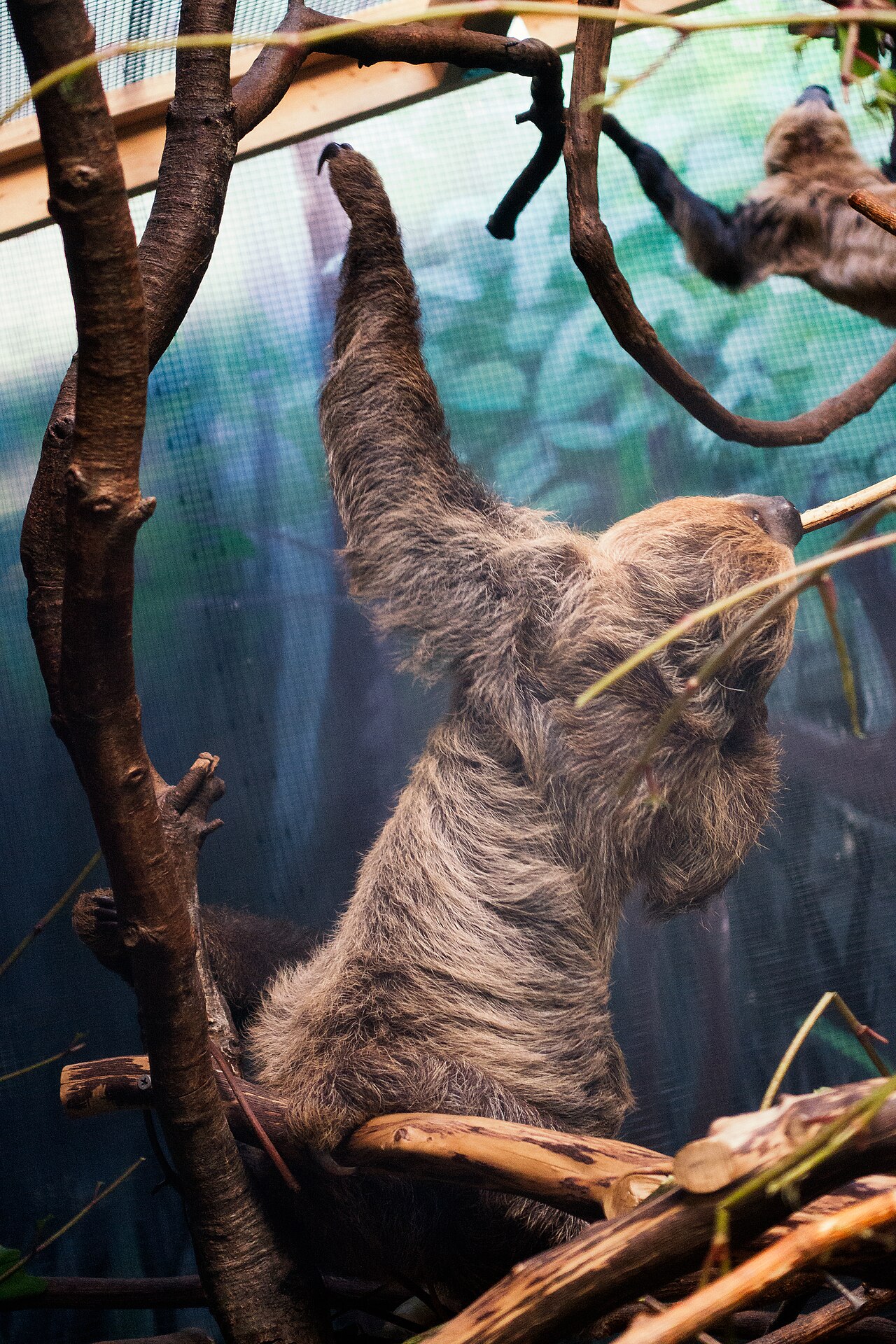
Breaking the spirit of sloth works the other way, through small steps. Name the one task you keep avoiding and do five minutes of it today. Proverbs points to the ant for a reason. Small, regular effort beats a heroic push that never starts, so pair the step with a fixed time and the decision is already made.
Bears carry a related lesson, since a black bear (Ursus americanus) can spend months in a winter den and still wake to a full season of foraging. Rest and effort belong to one cycle.
Frequently Asked Questions
What demon is associated with sloth?
Belphegor is the demon tied to sloth in Peter Binsfeld’s 1589 classification, which paired each of the seven deadly sins with a demon. Binsfeld was a German bishop and a theologian of the witch trials. His list linked Belphegor to idleness, and the demon still carries that link in Christian demonology.
What does God say about sloths?
The Bible speaks of slothful people, not the animal. Proverbs 18:9 calls the slothful worker a brother to a great waster, and Proverbs 19:24 pictures a slothful man too idle to lift food to his mouth. The sloth itself lived only in the Americas, so no verse names it.
How long do sloths sleep?
Wild sloths sleep about 9 to 10 hours a day. Brain recordings from brown-throated three-toed sloths in a Panama rainforest found that range. Older figures of 15 to 20 hours came from captive animals and overstate how much a wild sloth sleeps in its own forest.
Are sloths endangered?
Yes, one species is. The pygmy three-toed sloth (Bradypus pygmaeus), found only on Isla Escudo de Veraguas off Panama, is listed as Critically Endangered by the IUCN. Other sloth species face habitat loss and the wildlife trade, but their listings are less severe.
Where do sloths live?
Sloths live in the tropical forests of Central and South America. Two-toed and three-toed sloths range from Central America south into Brazil and Bolivia. No wild sloths live in the United States, so any sloth in the US belongs to a zoo, sanctuary or private collection.
Why is sloth considered a sin?
Sloth counts as a sin because Christian moral theology treats it as a turning away from spiritual good. Thomas Aquinas called it sorrow about spiritual good, a sadness that makes a person neglect duties toward God and neighbor. It is more than rest. It is a refusal of the good a person owes.
Sources
- Smithsonian’s National Zoo and Conservation Biology Institute, Two-toed sloth
- Biology Letters, Sleeping outside the box: electroencephalographic measures of sleep in sloths inhabiting a rainforest
- New Advent, Summa Theologiae II-II, Question 35: Sloth
- Bible Gateway, Proverbs 6:6 to 11 (KJV)
- Merriam-Webster, Totem: definition and etymology