Stingray Symbolism: Spiritual Meaning and Signs
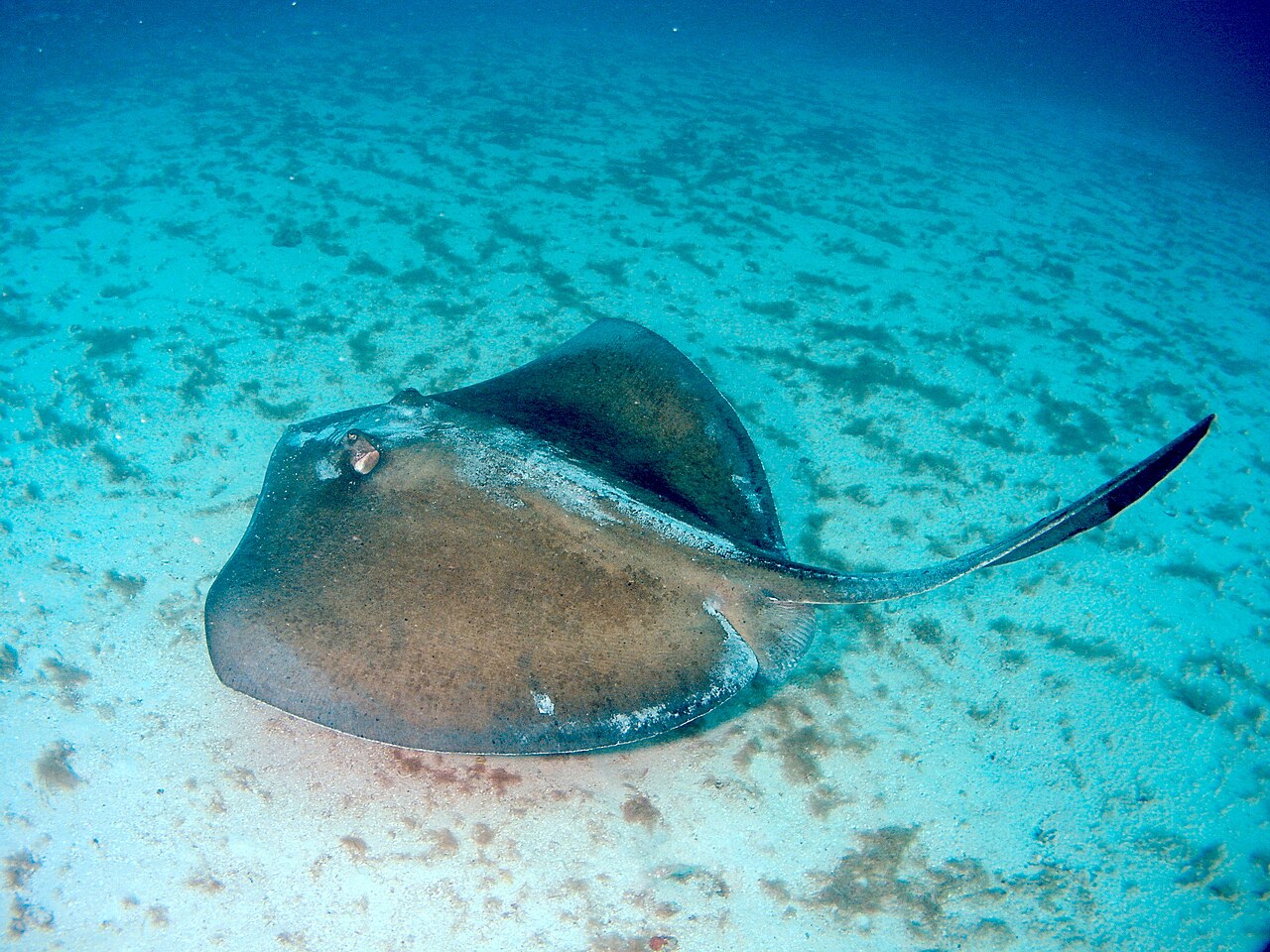
Stingray symbolism centers on calm power, protection and the skill of moving through life without a fight, and a stingray sighting symbolically asks you to glide rather than push. The animal rests half buried in sand, watches what passes, and carries a defense it uses only when someone steps on it. That mix of stillness and quiet force is the core of the meaning.
Context shifts the message. A ray passing you on a snorkel trip, a ray in a dream and a ray inked on skin each point somewhere different. Real stingrays also carry a venomous tail spine, so safety comes before luck when you meet one, including at Stingray City in Grand Cayman, where tour guides promise good fortune for a kiss.
Spiritually, a stingray sighting points to calm strength, protection and the ease of gliding past conflict instead of meeting it head on. A ray in open water asks you to trust your instincts, a ray buried in sand asks you to watch before you act, and a dream ray reflects hidden tension.
| Feature | Stingray | Manta ray | Skate |
|---|---|---|---|
| Tail defense | Venomous barbed spine | No venomous spine | No spine, thorny skin on the back |
| Young | Born live | Born live | Hatch from leathery egg cases |
| Where you meet it | Sandy shallows, resting on the bottom | Open water, swimming near the surface | Seafloor, many species in cool water |
| Food | Shellfish and worms dug from sand | Plankton filtered from the water | Small bottom animals |
| Risk to swimmers | Sting if stepped on or grabbed | No sting risk | No sting risk |
| Symbolic weight | Protection, calm, hidden strength | Freedom, grace, wide horizons | Rare as a symbol |
What Does It Mean If You See a Stingray?
Seeing a stingray means you are being asked to move with calm awareness and protect your energy without picking a fight. The ray is the animal of soft movement and a firm boundary. It glides, it hides, and it strikes only when pressed. A sighting puts those three habits in front of you at the moment you need one of them.
Where you meet the ray shapes the message. A stingray gliding past on a snorkel trip points to flow, a sign to stop forcing a plan and let the current carry part of the work. A ray half buried in sand near your feet points to watchfulness, because the danger and the lesson both lie in what you do not see. A stingray in an aquarium tunnel, passing overhead, points to perspective. You look at your situation from below, and the ray shows how calm it looks from the inside.
A stingray washed up on the beach carries a heavier note. It speaks of a boundary that failed or a defense you dropped too early. The right response is to check where you have been too open, not to fear the week ahead. If the animal is alive, call the local beach or wildlife authority instead of moving it yourself, since the spine stays dangerous on a stranded ray.
A second sighting within days strengthens the first message. Repetition points to a lesson you have not acted on yet, and the setting of the second encounter tells you where to apply it. Water twice means a feeling that needs space. Sand twice means a situation that needs patience before you move. A jellyfish spirit animal speaks of drift and surrender, while the stingray speaks of quiet control.
Stingray Spirit Animal and Totem Meaning
The stingray spirit animal stands for grace under pressure, quiet strength and the ability to disappear when the world gets loud. People who feel drawn to it stay calm on the surface and alert underneath. They read a room before they speak. They avoid open conflict but hold a clear line when someone crosses it.
Each trait of the real animal feeds the totem. The ray beats its wide pectoral fins like wings and moves with almost no wasted motion, a model of effort without strain. It flips sand over its back and vanishes on the seafloor, a model of privacy and the right to rest out of sight. Rays belong with sharks in the cartilaginous fishes, and the Smithsonian Ocean guide to sharks and rays covers both groups. Like sharks, rays sense the faint electric fields of buried prey, which makes the stingray a symbol of noticing what others miss.
The totem has a shadow side. A stingray person can hide too long and let resentment build under the sand. The spine is the warning here. Avoided problems sting harder when someone finally steps on them, so the healthy version speaks up early, in a calm voice, before the barb becomes the only tool left.
The stingray turns into a wake-up call when you keep drifting past a decision. It shows up in thoughts, photos or travel plans while you stall, and it asks you to choose a direction and glide toward it. A dolphin spirit animal pushes toward joy and company, while the stingray pushes toward self-trust and a quieter path.
What Rays Symbolize in Folklore and Culture
Rays symbolize danger hidden in calm water and a fate that arrives from an unexpected direction, and the clearest records come from ancient Greece and the Maya world. Both cultures focused on the same feature, the sharp spine in the tail. Neither treated the ray as a gentle creature. The themes of grace and gliding belong to modern readings, while the old sources center on the barb.
In Greek myth, the lost epic called the Telegony told how Odysseus died. Telegonus, his son by the sorceress Circe, sailed to Ithaca to find the father he had never met. In a fight on the shore he wounded a stranger with a spear tipped with a stingray spine, and the stranger was Odysseus. The story turns the ray into a symbol of fate that cannot be dodged. The hero who survived Troy and years at sea dies by a weapon taken from the sea’s quietest animal.
Among the Maya, stingray spines served as bloodletting tools. Nobles drew their own blood as offerings to gods and ancestors, and archaeologists recover ray spines from ritual offerings at Maya sites. The spine came from the sea, the blood came from the ruler, and the offering joined the two. Here the ray stands for the link between the sea, the body and the sacred, a point where pain opened a channel to the gods.
The Greek and Maya records agree on one point. The ray’s power lies in the tail, not in the wings. Modern meanings soften that power into protection and boundaries, and the old stories show where the idea comes from. Shark symbolism builds on open predation, while the stingray holds a power that stays hidden until someone touches it.
Is Kissing or Touching a Stingray Lucky?
A kiss or a touch on a stingray is said to bring good luck, a belief that began as a tourism custom at Stingray City in Grand Cayman. At this sandbar in the North Sound, southern stingrays (Hypanus americanus) gather in shallow water where boats bring visitors to feed and hold them. Tour guides tell guests that a kiss on the ray brings good luck.
The gathering itself has a practical origin. Fishermen once cleaned their catch in the calm water behind the reef, and the rays learned to come for the scraps. Tour operators built on that habit, and the kissing ritual grew on the boats, not from an older Caymanian tradition. The custom is decades old, not centuries old.
The kiss stands for trust, a moment where you approach a large animal calmly and it stays calm too. Wild rays outside managed sites have no habit of human contact, so the custom ends at the edge of the tour sandbar.
Is It Safe to Touch a Stingray?
Touching a stingray is safe only at managed sites with trained guides, and a wild ray should be left alone. The barbed spine on the tail is a defense, not a weapon of attack. Rays strike when someone steps on them or pins them, and they swim away when they can. Most stings happen to waders who land on a ray buried in the shallows.
Shuffle your feet when you walk in sandy shallows. The vibration warns rays ahead of you, and they glide off before your foot comes down. If a sting happens, get out of the water, rinse the wound and soak it in water as hot as the person can stand without scalding, then see a doctor. Spine fragments and infection need medical treatment even when the pain fades.
Deaths are rare. The most famous case is Steve Irwin, who died in 2006 when a barb pierced his chest. At sites where touching is allowed, use a flat open hand on the back and never grab the tail, the edges of the fins or the eyes. The ray carries a protective mucus coat, and rough handling strips it and exposes the animal to infection.
What Does a Stingray Symbolize in a Tattoo?
A stingray tattoo symbolizes grace, protection and freedom, a modern design for people who want calm strength rather than open aggression. The wide body stands for freedom of movement. The tail stands for a boundary. Together they say that you move easily and defend yourself when you have to.
Style changes the emphasis. A fine line ray in single needle work keeps the focus on grace and lightness. Blackwork and dotwork rays stress the protective side, with the tail drawn in heavy contrast. Ocean pieces pair the ray with waves or a sea turtle to frame a story of travel and the sea.
Placement follows the shape of the animal. The diamond outline of the ray fits a shoulder blade, the upper back or the outer thigh, where the wings can spread. A ray on the forearm or calf, with the tail running along the limb, gives the design motion. Some people choose it after a dive trip or a visit to Stingray City, which turns the symbol into a record of a real encounter.
Koi fish tattoos tell a story of struggle and transformation, while the stingray tells a story of ease and self-protection. Pick the ray when the message is about staying calm, not about climbing upstream.
Stingray Dream Meaning
A stingray in a dream points to hidden tension, a feeling or conflict lying just under the surface of your waking life. The dreaming mind picks the ray because it looks calm and carries a hidden barb. The scene tells you where that tension sits.
A ray gliding through clear water shows a problem you handle well, with grace and little noise. A ray buried in sand that you step on shows a risk you have been ignoring. A sting in the dream points to a hurt you expect from someone close, or a boundary you crossed. A whole fever of rays, the name for a group, points to many small pressures that add up.
A dead stingray in a dream marks the end of a defense you no longer need, or a fear that has lost its power. Dead fish in dreams carry a broader message about endings and lost energy, while the dead ray speaks to protection in particular. Keep dreams apart from waking sightings. A dream mirrors your inner life, and a ray on a snorkel trip is an outside encounter whose meaning comes from place and timing.
Frequently Asked Questions
What does ray mean spiritually?
A ray stands for gliding and calm, a symbol of moving through life with ease. Stingrays add protection through their tail spine. Manta rays carry no venomous spine, so their meaning shifts toward freedom, open space and gentle strength, without the warning that comes with the barb of a stingray.
What is a stingray fish called?
A stingray is a cartilaginous fish in the group Batoidea, the rays, and a close relative of sharks. The largest family is Dasyatidae, the whiptail stingrays. A group of stingrays is called a fever, and the southern stingray, Hypanus americanus, is the species visitors meet in the Caribbean.
Is a stingray the same as a manta ray or a skate?
No. All three are rays, but they differ in key ways. Stingrays carry a venomous tail spine and give birth to live young. Manta rays have no venomous spine and swim in open water. Skates lay leathery egg cases, the mermaid’s purses that wash up on beaches.
Can a stingray sting kill you?
Yes, but deaths are extremely rare. The best known case is Steve Irwin, who died in 2006 when a barb pierced his chest near the heart. Most stings hit the foot or ankle and cause severe pain, and they need a hot water soak and a doctor’s care.
Do stingrays attack people?
No. Stingrays do not hunt or chase people. The tail spine is a defense the ray uses when someone steps on it, pins it or grabs it. Shuffling your feet in sandy shallows warns rays nearby, and they swim away before any contact happens.
Why do stingrays bury themselves in sand?
Stingrays bury themselves to hide from predators, rest and wait for prey. A few flaps of the fins throw sand over the body until only the eyes and spiracles show. That camouflage is also why waders step on them, and it made the ray a symbol of hidden strength.
Sources
- Smithsonian Ocean, Sharks and Rays
- Florida Museum of Natural History, Southern Stingray
- NOAA Fisheries, Giant Manta Ray