Can Guinea Pigs Eat Spinach? Safe Amount, Risks and Limits
Guinea pigs can eat spinach, but only one or two small leaves once or twice a week. Spinach is not toxic to guinea pigs and it carries useful vitamin C, yet it is one of the highest oxalate greens sold in American grocery stores. Fed daily, those oxalates bind with calcium in the urinary tract and push a cavy toward bladder sludge and stones.
That makes spinach a rotation green rather than a staple. Romaine, green leaf lettuce and bell pepper can carry the daily salad, while spinach shows up as a treat alongside them. The sections below cover the safe portion by body weight, the oxalate math behind the limit, the warning signs of too much, and which greens belong nowhere near the bowl.
Yes, guinea pigs can eat spinach in small amounts. Limit it to one or two medium leaves, one or two times per week, always raw and washed. Spinach is high in oxalates and calcium, which raise the risk of bladder stones when fed daily. Rotate it with romaine, bell pepper and cilantro.
Is Spinach Safe for Guinea Pigs?
Spinach (Spinacia oleracea) is safe for guinea pigs in controlled portions and dangerous only as a daily habit. Nothing in the leaf is poisonous to a cavy. The entire concern is dose: spinach carries roughly 970 mg of oxalate per 100 g, which is among the highest values of any leafy green a pet owner is likely to buy.
Guinea pigs also absorb calcium differently from most mammals. They take up dietary calcium in proportion to what they eat rather than to what they need, and the surplus leaves the body through the urine. That is why healthy guinea pig urine often looks chalky. Add a steady oxalate load on top of that calcium and crystals start forming.
How Much Spinach Can a Guinea Pig Eat?

One to two medium spinach leaves, one to two times per week, is the portion nearly every exotics vet lands on. A medium leaf weighs about 10 g, so a weekly intake of roughly 20 to 30 g fits inside the general guidance of one cup of fresh vegetables per guinea pig per day without letting one high oxalate item dominate it.
Baby spinach leaves are smaller, so three or four of them equal one mature leaf. The oxalate concentration is the same either way. Counting leaves works better than eyeballing a handful, because a loose handful of baby spinach easily reaches 40 g and quietly triples the intended dose.
Can Guinea Pigs Eat Spinach Every Day?

No. Daily spinach is the single mistake that turns a harmless green into a veterinary bill. The problem is cumulative rather than acute, so nothing looks wrong for weeks or months while calcium oxalate crystals build in the bladder.
Urinary stones are among the most common surgical problems in pet guinea pigs, and calcium oxalate accounts for the large majority of the stones that get removed. Diet is not the only factor, since genetics, water intake and low activity all contribute, but it is the one an owner can control from the kitchen counter.
Next question: Can Guinea Pigs Eat Blueberries?
The Calcium and Oxalate Problem Explained
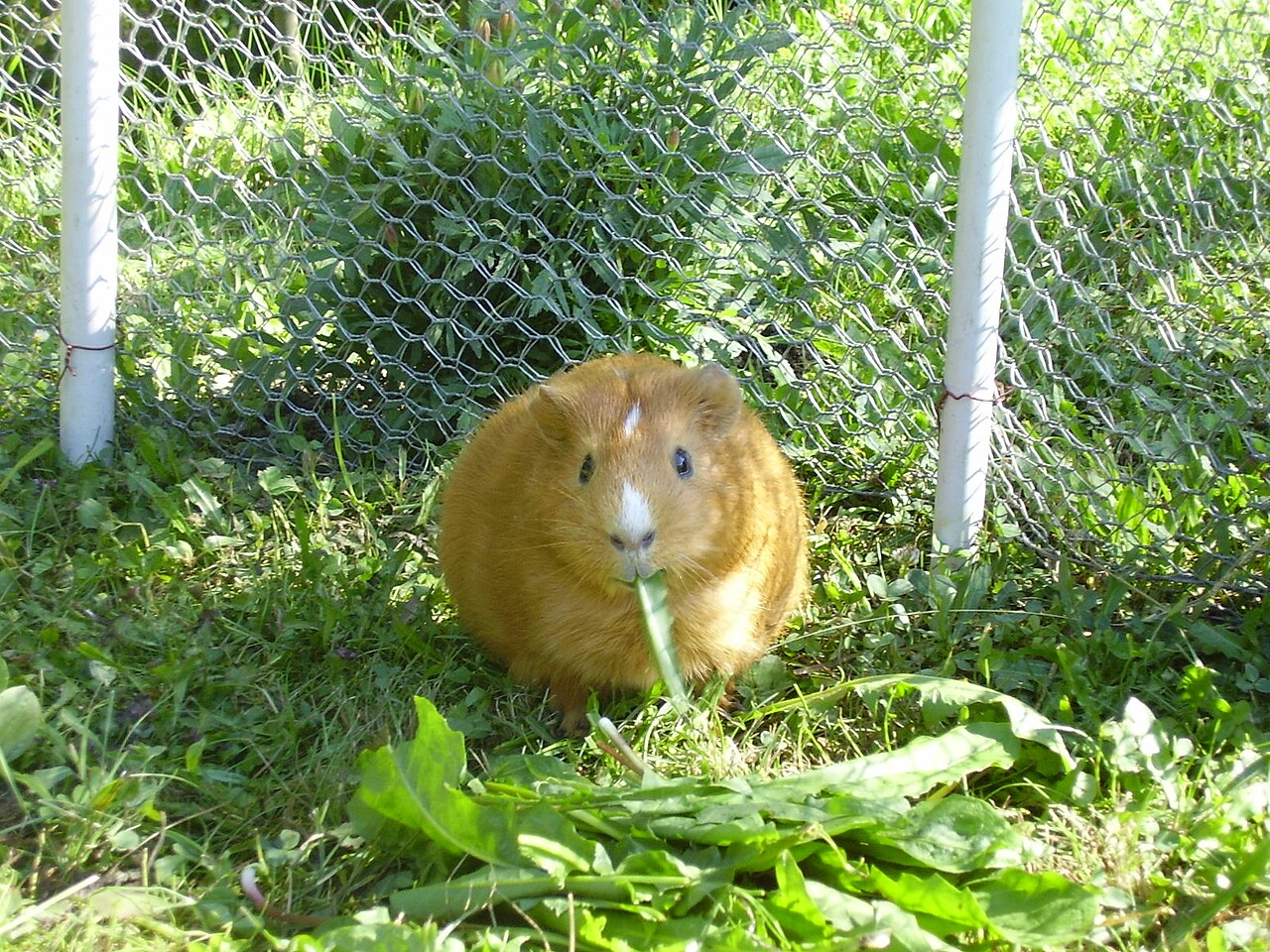
Oxalate is a natural plant compound that binds tightly to calcium and forms an insoluble salt. In the gut that reaction blocks some calcium absorption, which sounds helpful, but the pairs that reach the kidneys and bladder are exactly what crystals grow from.
Spinach is unusual because it is high in both halves of the equation, around 99 mg of calcium and 970 mg of oxalate per 100 g. Romaine, by contrast, carries about 33 mg of calcium and a trace of oxalate, which is why it works as a daily base. The ratio is what separates a staple green from a rotation green.
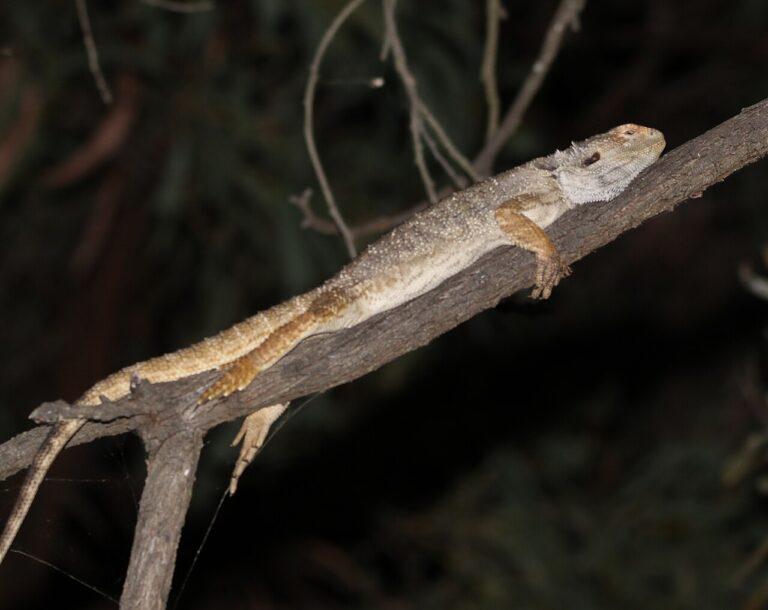
Cooking reduces oxalate in human food, but guinea pigs should never be fed cooked vegetables. Their digestive system is built for raw, high fiber plant material, and cooked greens ferment badly in the cecum. Serve spinach raw or not at all. For a wider comparison of how different species handle this same leaf, see how spinach affects bearded dragons.
Spinach Nutrition for Guinea Pigs at a Glance
Guinea pigs cannot make their own vitamin C, so every fresh green is judged partly on that number. Spinach supplies a moderate amount, roughly 28 mg per 100 g, which is respectable but well behind bell pepper. The table compares spinach with the greens it usually competes against in the bowl.
| Vegetable (per 100 g) | Vitamin C | Calcium | Oxalate | Feeding frequency |
|---|---|---|---|---|
| Spinach | 28 mg | 99 mg | Very high | 1 to 2 times per week |
| Red bell pepper | 128 mg | 7 mg | Very low | Daily |
| Romaine lettuce | 4 mg | 33 mg | Low | Daily |
| Kale | 93 mg | 254 mg | Moderate | 2 times per week |
| Cilantro | 27 mg | 67 mg | Low | Most days |
| Broccoli | 89 mg | 47 mg | Low | 2 to 3 times per week |
Can Guinea Pigs Eat Spinach Stems and Baby Spinach?
Both are fine within the same weekly limit. Spinach stems are safe, slightly more fibrous than the blade, and many cavies prefer them for the crunch. There is no need to strip the stem out the way you would for a salad.
Baby spinach is simply immature leaf of the same plant, so it offers no oxalate advantage despite the gentler name. Count it by equivalent weight. Prewashed bagged spinach is acceptable if you rinse it again, since the processing wash leaves residue that can upset a small gut.
What Vegetables Can Guinea Pigs Eat Every Day?
The daily vegetables are the low calcium, low oxalate ones with useful vitamin C. Bell pepper of any color is the standout, since a single slice covers a cavy’s daily vitamin C requirement without adding mineral load. Romaine and green leaf lettuce make a reliable bulk base.
Cilantro, small amounts of cucumber, and a thin ring of zucchini round out a rotation that most guinea pigs accept without complaint. A practical daily salad is one cup total per pig: two thirds leafy base, one third pepper and herbs, and whatever treat green is in rotation that day.
Treat fruit separately and sparingly because of the sugar. Our guides to apples and strawberries cover the portions, and broccoli explains why a gas producing vegetable still earns a place a few times a week.
What Greens Can Guinea Pigs Not Eat?
Iceberg lettuce, onion greens, garlic tops, rhubarb leaves, potato leaves and tomato plant foliage are the hard no list. Iceberg is mostly water with almost no nutrition and reliably causes diarrhea in cavies. The allium family damages red blood cells, and rhubarb leaves carry oxalate at levels that are outright toxic rather than merely high.
Avocado, mushrooms, corn kernels, peas in quantity, and any seed or nut also stay out. The fruit of the tomato is fine in small amounts, but the leaves and stems are not, which is covered in our note on feeding tomatoes to guinea pigs.
Signs Your Guinea Pig Is Getting Too Much Spinach
Watch the urine first. Thick, gritty, chalk white deposits on the cage liner that do not dry to a normal powdery film point to excess calcium. Pink or rust colored urine is more urgent and needs a vet, since it can mean a stone is already scraping the bladder wall.
Because cavies mask illness, sound is often the earliest clue. A sharp repeated squeal at the litter corner is not a happy noise, and our guide to guinea pig sounds and what they mean separates the contented wheeks from the distress calls. The ASPCA maintains a general small pet care resource that is worth a look before a first vet visit.
How to Serve Spinach Safely
Rinse the leaves under cold running water even when the bag says prewashed, then shake them dry. Wet greens spoil fast and turn a cage corner sour within hours. Serve at room temperature rather than straight from the refrigerator, since cold food is a common trigger for a skipped meal.
Hay stays the foundation no matter what the salad looks like. Unlimited timothy or orchard grass should make up the large majority of daily intake, with roughly one eighth of a cup of plain pellets and one cup of vegetables layered on top. Spinach is the smallest line item in that plan and should stay that way.
Frequently Asked Questions
What is the 3-3-3 rule for guinea pigs?
The 3-3-3 rule is a settling-in guide for a newly adopted cavy: expect roughly three days of hiding and minimal eating, three weeks to learn the household routine, and three months to feel fully secure. It is a behavior timeline, not a feeding rule, and diet changes should wait until the first phase has passed.
What is a guinea pig’s favorite food?
Most guinea pigs rank bell pepper, cilantro and romaine at the top, with carrot and apple as high value treats they will beg for loudly. Favorites vary by individual and by what they ate as weanlings. A cavy that never saw a green pepper before adulthood may refuse it for weeks.
What food is irresistible to guinea pigs?
Cilantro and parsley are the two herbs almost no guinea pig turns down, which makes them useful for hiding medication or coaxing a shy animal to hand feed. Parsley is high in calcium, so keep it to a sprig or two per week rather than using it daily.
How can you tell if a guinea pig is hungry?
Hungry cavies wheek at the sound of a refrigerator door or a rustling bag, pace the cage front, and stand up on the bars. A guinea pig that stops eating hay for more than twelve hours is the opposite signal and needs veterinary attention, because gut stasis moves fast in a small animal.
Can guinea pigs eat spinach and carrots together?
Yes, and they pair well because carrot is low in oxalate and adds vitamin A. Keep the carrot to a thin coin sized slice a few times a week, since it is high in sugar for a small herbivore. A mixed bowl also slows down eating compared with a single novelty item served on its own.
What time of day should guinea pigs be fed?
Feed fresh vegetables twice a day, morning and evening, which matches the crepuscular activity pattern of the species. Hay and water stay available around the clock. A consistent schedule reduces stress and makes it obvious on the first missed meal that something is wrong.