What Eats Owls? 7 Predators by Egg, Owlet, and Adult
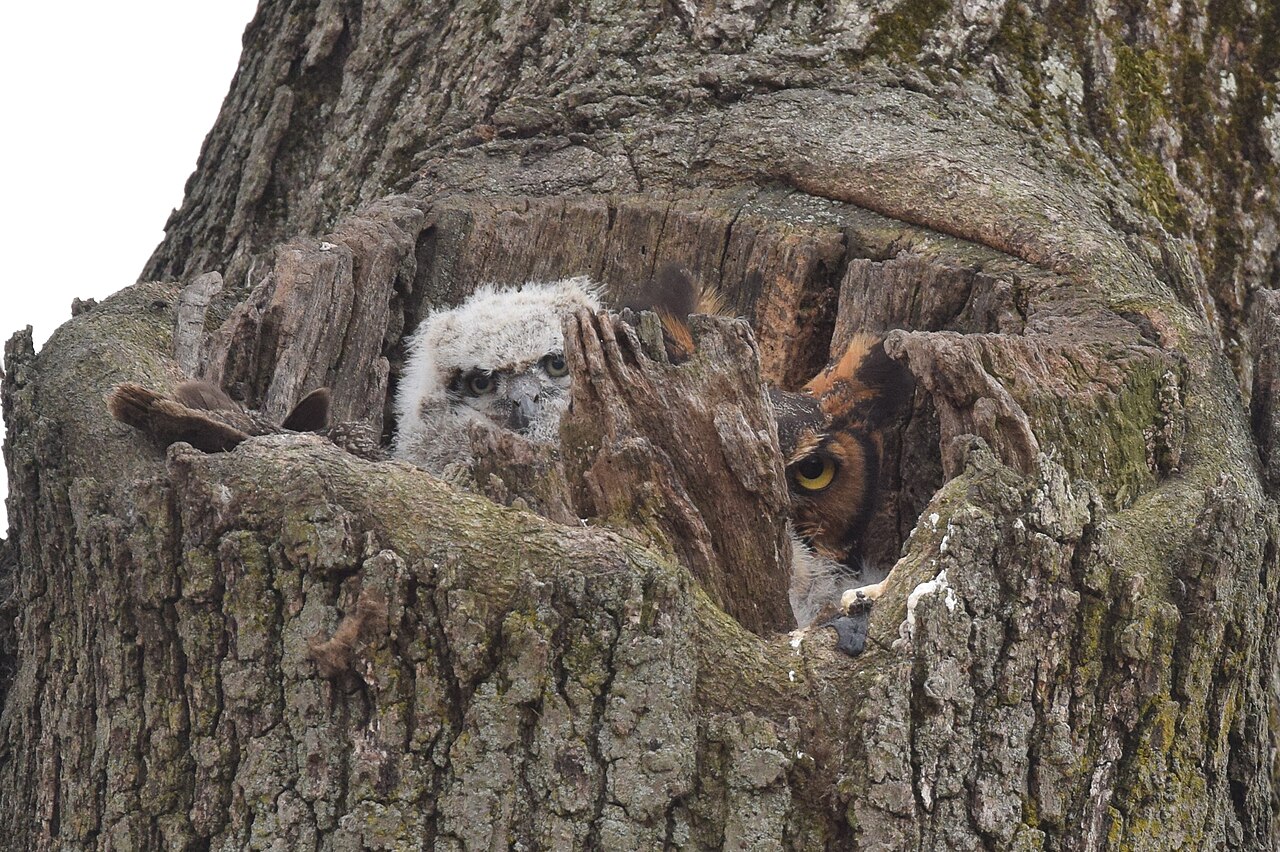
Owls are predators, but they are also prey, and what eats owls depends almost entirely on the owl’s life stage. Eggs and nestlings are taken by raccoons, snakes, crows, and squirrels. Healthy adults are killed mostly by bigger owls and large hawks, which is why the great horned owl (Bubo virginianus) shows up more often as the killer than as the victim.
Risk also tracks habitat. An owl nesting in a cavity in deep woods loses eggs to climbing mammals, while a burrowing owl on open prairie faces badgers, coyotes, and feral cats at ground level. Around houses, barns, and chicken runs the picture changes again: the dangers there are cats, dogs, rodent poison, and vehicles rather than wild predators.
Owls are eaten by larger owls, eagles, and large hawks, plus raccoons, foxes, bobcats, snakes, and crows that raid nests. Most predation falls on eggs and nestlings. Adult owls have few natural enemies, and the great horned owl is the single most frequent killer of other owl species in North America.
| Predator | US region | Owl stage taken | How often |
|---|---|---|---|
| Great horned owl | All 48 states | Nestlings and adults | Common |
| Raccoon | East, Midwest, West Coast | Eggs and nestlings | Common |
| American crow and jays | Nationwide | Eggs, nestlings | Common |
| Red-tailed and Cooper’s hawk | Nationwide | Fledglings, small adults | Occasional |
| Rat snakes | Southeast, lower Midwest | Eggs and nestlings | Occasional |
| Bobcat, fox, fisher | Forested states, Northeast | Ground roosting adults | Rare |
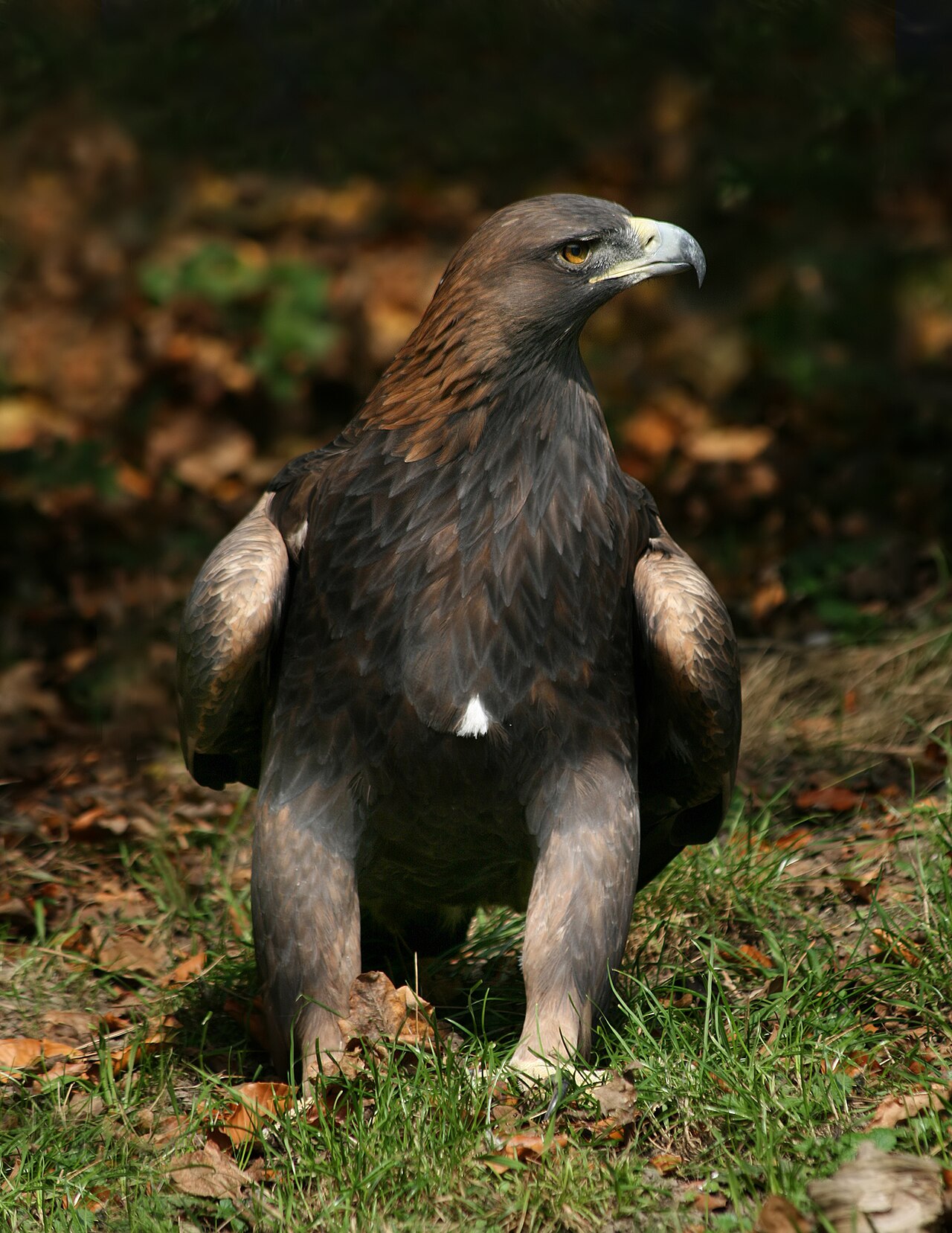
| Golden eagle | West, Rockies | Adults | Rare |
Which Animals Do Owls Have to Fear?
The short list of animals that eat owls in the United States is headed by other raptors: great horned owls, golden eagles (Aquila chrysaetos), bald eagles (Haliaeetus leucocephalus), red-tailed hawks (Buteo jamaicensis), and Cooper’s hawks (Accipiter cooperii). All of them are strong enough to kill a small or medium owl outright.
Below the raptors sit the nest raiders, and they account for far more dead owls per year: raccoons (Procyon lotor), gray squirrels, rat snakes, crows, and opossums. These animals rarely hunt an adult owl. They simply find an unguarded clutch or a nestling that cannot fly yet, which is the cheapest meal in the woods.
What Eats Owl Eggs
Owl eggs are lost mainly to climbing mammals and snakes. Raccoons are the biggest single cause across the eastern half of the country because they climb well, work at night, and remember productive cavities from one season to the next. Gray and fox squirrels take eggs opportunistically, often while prospecting the same tree cavity as a nest site for themselves.
Snakes matter in the Southeast and lower Midwest, where black rat snakes (Pantherophis obsoletus) climb 30 ft (9 m) of trunk without difficulty. Open stick nests used by great horned owls and barred owl pairs are also robbed by crows and ravens during the short windows when the female leaves to stretch or feed.
What Eats Owlets and Nestlings
Nestlings are the most heavily predated stage, and the list widens because a flightless owlet is vulnerable to anything that can reach it. Raccoons, fishers (Pekania pennanti), martens, and climbing snakes take young from cavities. Great horned owls pull barred and screech owl young from nests and will also kill the adults defending them.
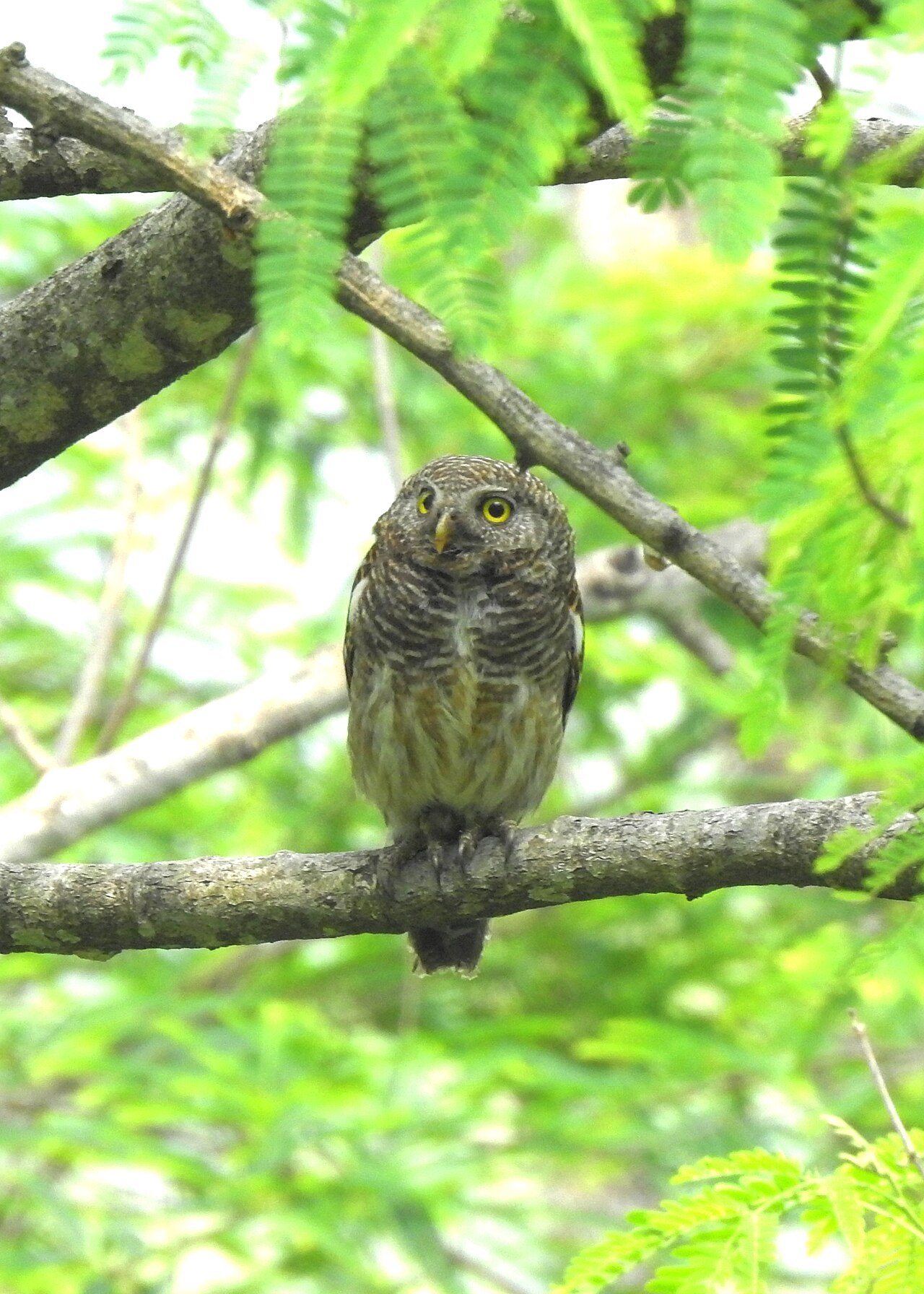
The second danger window opens at branching, when owlets leave the nest but cannot fly. Fledglings of the eastern screech owl spend days clambering through low branches, and some end up on the ground, where cats, foxes, coyotes, and dogs find them. Owl survival in the first year is commonly under 50 percent for this reason.
What Eats Adult Owls
Adult owls have few natural enemies, and most records of dead adults involve a bigger bird. Great horned owls kill barred owls, long-eared owls, screech owls, and barn owls, sometimes within a few hundred yards of their own nest. Golden eagles take short-eared and snowy owls in open western country, and bald eagles have been recorded killing owls near shorelines.
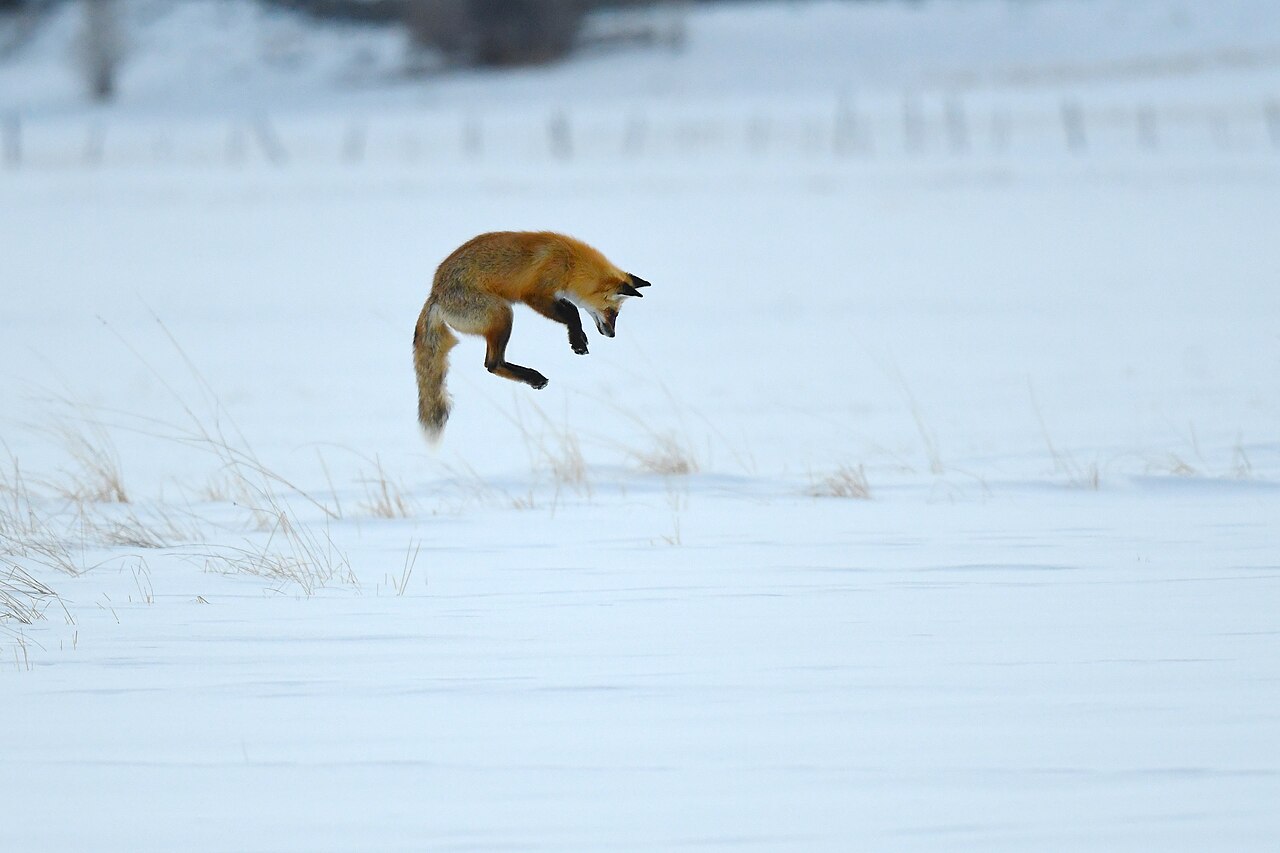
Mammals catch adults mostly by surprise. A bobcat (Lynx rufus) or red fox (Vulpes vulpes) can reach an owl roosting low or feeding on carrion at ground level. These kills are real but uncommon, which is why starvation, collisions, and poison end more adult owl lives than teeth or talons do.
The Owl That Eats Other Owls
If one animal deserves the title of owl predator in North America, it is the great horned owl. It weighs 2 to 5.5 lbs (0.9 to 2.5 kg), hunts in every habitat from desert to suburb, and has the broadest diet of any North American raptor. Smaller owls are part of that diet rather than an accident.
The effect is measurable on the ground. Screech owls and saw-whet owls avoid calling where great horned owls are active, and nest boxes placed within sight of a great horned territory stay empty more often. If you want to know more about the prey side of this balance, see what owls eat across seasons.
Do Hawks and Eagles Kill Owls?
Yes, and the direction of the attack depends on the clock. Hawks and eagles hunt by day, when most owls are roosting and sluggish, so a red-tailed hawk that finds a screech owl in the open at noon has a clear advantage. Cooper’s hawks and northern goshawks will also kill small owls inside woodland.
After dark the advantage flips, and owls prey on sleeping hawks and smaller falcons. Great horned owls are documented taking roosting red-tailed hawks from nests they later occupy themselves. Because owls hunt mostly at night, the same two species can share one woodlot and still be each other’s predator at different hours.
What Is an Owl’s Worst Enemy?
Measured by body count, the worst enemy of owls is not another animal. Vehicle strikes, rodenticide poisoning, barbed wire, and the loss of old cavity trees kill more owls every year than every wild predator combined. Barn owls are hit especially hard on roadsides because they hunt low over grass verges along highways.
Secondary rodenticide poisoning is the quiet one. An owl that eats three or four poisoned rats accumulates anticoagulant in the liver and either bleeds out or becomes too slow to hunt. State wildlife labs in California and New York have found residues in the large majority of owls they test, including the common barn owl.
Mammal Predators: Raccoons, Foxes, and Bobcats
Raccoons are the most consequential mammal predator of owls in the United States, and they are worst in suburbs, where their numbers run far above rural densities. A raccoon that finds a nest box with young returns night after night until the box is empty. Mounting the box on a smooth metal pole with a baffle stops almost all of it.
Foxes, coyotes, and bobcats act lower down. They take grounded fledglings, injured adults, and ground nesting species, which puts burrowing owls and short-eared owls at the greatest risk. In the Northeast, fishers climb well and have been recorded raiding both cavity nests and roosting adults in winter.
Snakes, Squirrels, and Other Climbers
Climbing predators are the reason cavity nesting does not guarantee safety. Rat snakes, corn snakes, and in the Southwest the occasional coachwhip enter cavities and nest boxes and eat eggs and small young on the spot. A snake that has eaten cannot leave quickly, so homeowners sometimes find the predator still inside the box.
Squirrels are a double problem: they rob eggs and they compete for the same cavities, often evicting an owl before the first egg is laid. Flying squirrels do the same in the Southeast. Birds that hunt the canopy, including crows and grackles, finish the list of climbers and fliers that empty owl nests.
Why Crows and Jays Attack Owls
A screaming mob of crows around a tree usually means an owl is sitting in it. Crows (Corvus brachyrhynchos), jays, chickadees, and titmice gang up on a roosting owl to drive it out of their nesting area, a behavior called mobbing. It is not an attempt to eat the owl, but it is still dangerous.
Mobbing can injure an owl, expose it to hawks, and cost it the daytime rest it needs to hunt. Crows do take owl eggs and small nestlings when they find them, so the hostility runs both ways. The calls birds make while mobbing are distinctive, and people often confuse them with birds that sound like owls at dusk.
Owls in Backyards, Barns, and Chicken Runs
Around homes the predator list shrinks to three real items: free roaming cats, loose dogs, and people. Cats kill fledgling owls on the ground and compete for the same voles and mice. Dogs catch grounded birds in fenced yards. Both risks drop sharply if pets stay in at dusk and dawn, when owls are most active near the ground.
If you keep poultry, the traffic goes the other way: owls take bantams and young birds through open pop doors at night. Hardware cloth over windows and vents, a closed coop after dark, and a covered run solve it without harming a protected bird. Killing or trapping an owl is a federal offense under the Migratory Bird Treaty Act, which the US Fish and Wildlife Service enforces for all native owl species.
Frequently Asked Questions
What eats owls during the day?
Daytime attacks come from hawks and eagles, which hunt while owls roost. Red-tailed hawks, Cooper’s hawks, and goshawks kill small owls they find in the open. Crows and jays mob roosting owls without eating them. Raccoons and snakes can also reach a sleeping owl in a cavity during daylight hours.
Which animals do owls eat?
Owls eat mice, voles, shrews, rats, rabbits, squirrels, songbirds, frogs, snakes, insects, and in some regions fish and crayfish. Great horned owls add skunks, woodchucks, and other owls. Small species such as screech owls live largely on beetles, moths, and earthworms through the warm months.
Do barn owls hunt other birds?
Rarely. Barn owls are rodent specialists, and voles, mice, shrews, and rats make up roughly 90 percent of their diet by number. They occasionally take starlings, sparrows, or swallows roosting in the same barn, but they do not hunt birds the way great horned owls or Cooper’s hawks do.
Can an owl take a 20 lb dog?
No. The largest US owl, the great horned owl, weighs up to about 5.5 lbs (2.5 kg) and can carry only a few pounds in flight. It can injure a small dog or cat that it strikes defensively near a nest, but a 20 lb (9 kg) dog is far beyond what any North American owl can lift or kill.
Is a poisoned rat dangerous to an owl?
Yes. Anticoagulant rodenticide passes from the rat to the owl and builds up in the liver, a route called secondary poisoning. An owl may need several contaminated rodents before it bleeds internally or becomes too weak to hunt. This is one of the leading human caused killers of barn owls and great horned owls.
How rare is it to see a screech owl?
Screech owls are common across most of the United States but very hard to spot because they are small, nocturnal, and bark colored. Most people hear them for years without seeing one. Listening for the trill or whinny at dusk, then scanning cavity trees at the sound, is the practical way to find one.
Explore more: What Eats What: The Backyard Food Chain Explained