What Eats Frogs? Predators From Egg to Adult
Almost everything eats frogs. Snakes, herons, raccoons, fish, large beetles, turtles, owls, otters, house cats, and other frogs all take them, and the list changes completely depending on whether the frog is still an egg, a tadpole, a froglet the size of a thumbnail, or a full grown adult. That is why a pond can produce 2,000 eggs and end the summer with a handful of survivors.
Knowing what do frogs eat and what eats frogs in return tells you where a frog sits in the food chain: squarely in the middle. Below is the predator list by life stage, then by habitat, then the specific question most homeowners actually have, which is what is killing the frogs in their yard.
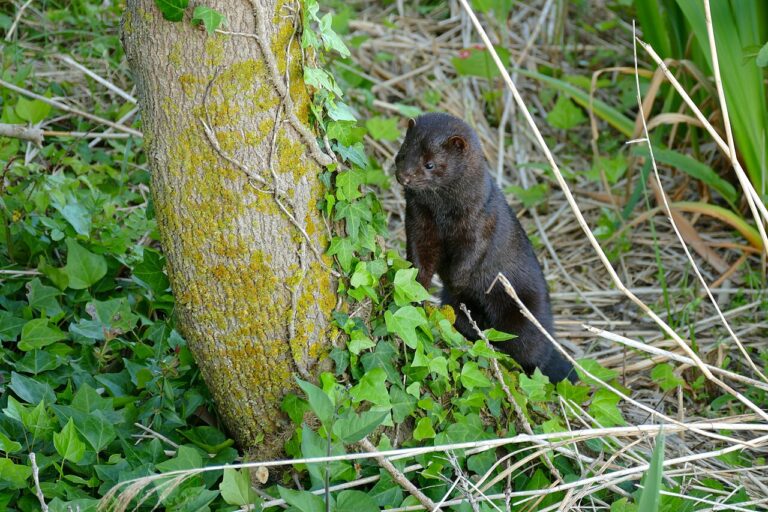
Frogs are eaten by snakes, wading birds, raccoons, fish, turtles, owls, hawks, otters, mink, large spiders, predatory insects, and bigger frogs. Snakes and herons are the most consistent predators of adult frogs in the United States, while fish and dragonfly larvae take the heaviest toll on eggs and tadpoles.
| Predator | Main US range | Frog stage taken | How often |
|---|---|---|---|
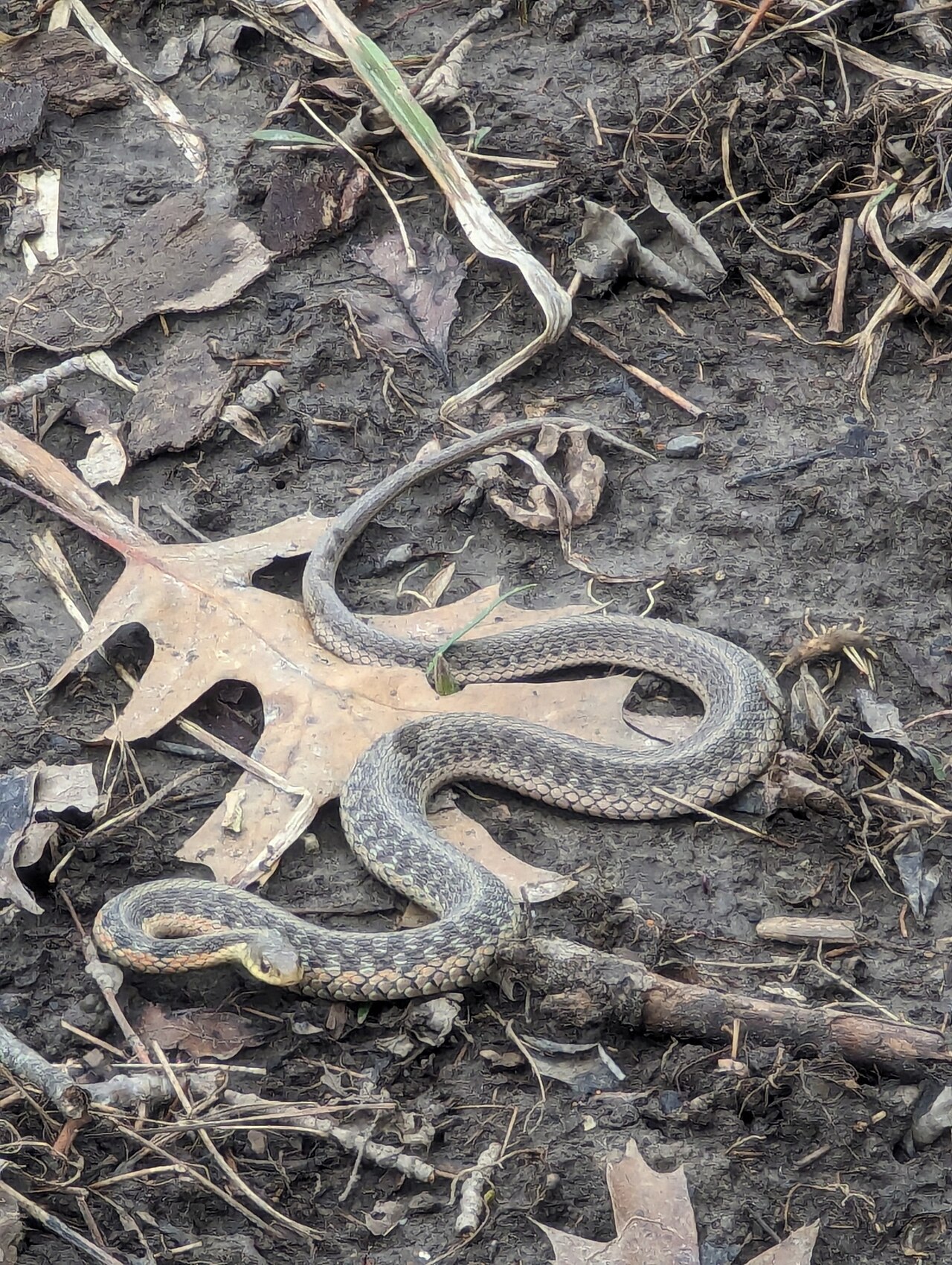
| Garter snake (Thamnophis sirtalis) | Nearly nationwide | Froglets and adults | Very common |
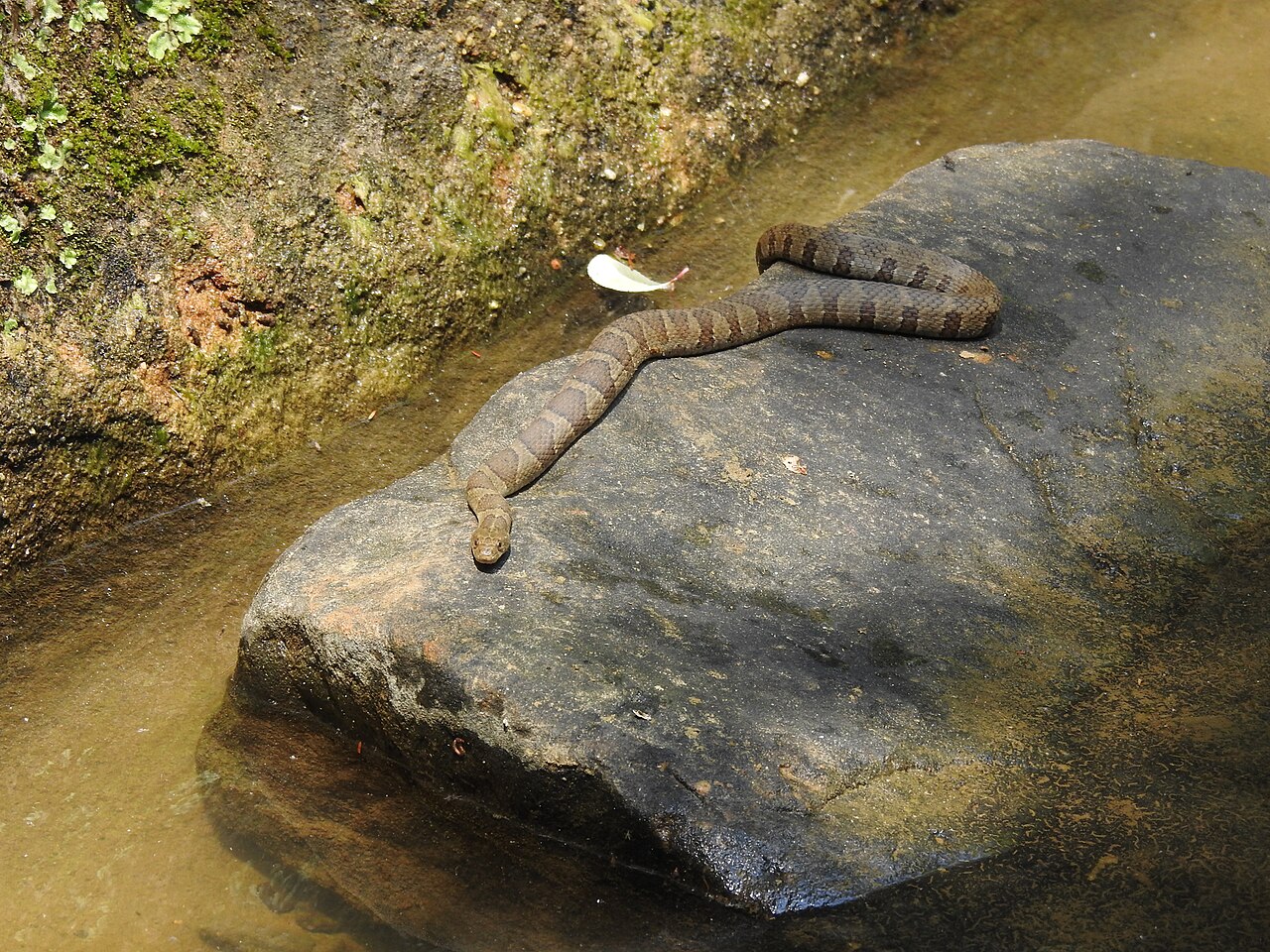
| Northern water snake (Nerodia sipedon) | East and Midwest | Tadpoles to adults | Very common |
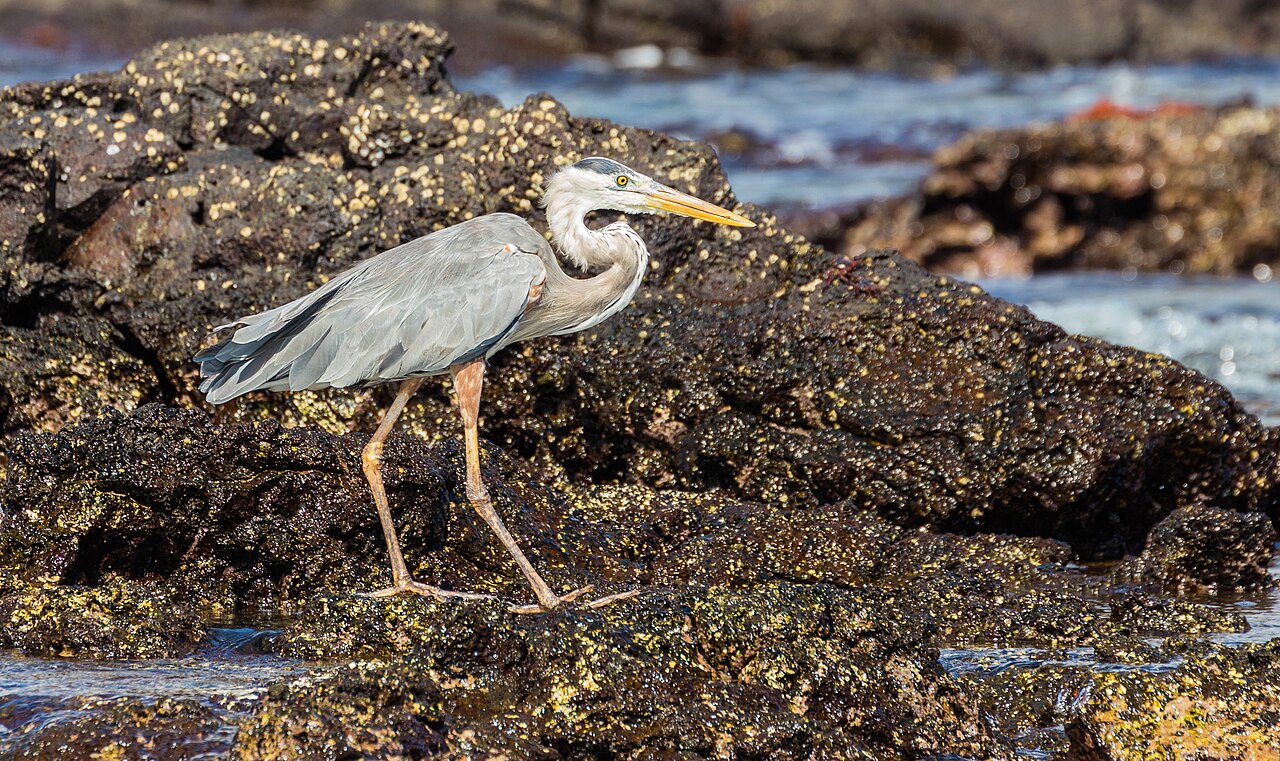
| Great blue heron (Ardea herodias) | Nationwide | Adults | Common |
| Raccoon (Procyon lotor) | Nationwide | Adults, egg masses | Common |
| Bluegill and bass | Stocked ponds, lakes | Eggs and tadpoles | Very common |
| Dragonfly nymph (Anax junius) | Nationwide | Tadpoles | Very common |
| American bullfrog (Lithobates catesbeianus) | Native east, introduced west | Froglets and small adults | Locally heavy |
What Eats Frog Eggs and Tadpoles
The water stages lose the most individuals, and the predators are mostly small. Fish lead the list: bluegill (Lepomis macrochirus), largemouth bass, and stocked goldfish strip egg masses and hunt tadpoles in open water, which is why permanent fish ponds often hold almost no frogs while a fishless vernal pool next door swarms with them.
Invertebrates do the rest. Dragonfly nymphs ambush tadpoles from the bottom, backswimmers and predaceous diving beetles pierce them, and leeches and crayfish take eggs out of the jelly. Red spotted newts (Notophthalmus viridescens) eat both eggs and small tadpoles, and salamander larvae compete and prey at the same time. Species that breed in temporary pools, including the wood frog, trade this pressure for the risk of the pool drying early.
What Eats Young Frogs and Froglets
The weeks just after metamorphosis are the single most dangerous stretch in a frog’s life. A new froglet is a half inch long, has just traded gills for lungs, cannot yet jump far, and must leave the water to feed. Everything from garter snakes to robins, shrews, wolf spiders, ground beetles, and crayfish takes them along the shoreline. Detail on that transition is in our guide to the baby frog stage.
Bigger frogs are part of the problem. Adult bullfrogs are ambush predators with no particular loyalty to their own order and will swallow smaller frogs and froglets whole, including juveniles of their own species. Where bullfrogs or Cuban tree frogs have been introduced outside their native range, they often become the dominant predator of local native frogs.
What Eats Adult Frogs: The Biggest Predators
For adults in the United States, snakes and wading birds are the frog’s worst enemies. Garter snakes and water snakes are built for it, with jaws that handle a wide, slippery prey item and an immunity to the mild skin toxins most North American frogs carry. Great blue herons, egrets, bitterns, and green herons hunt the same shallows by sight and take frogs year round.
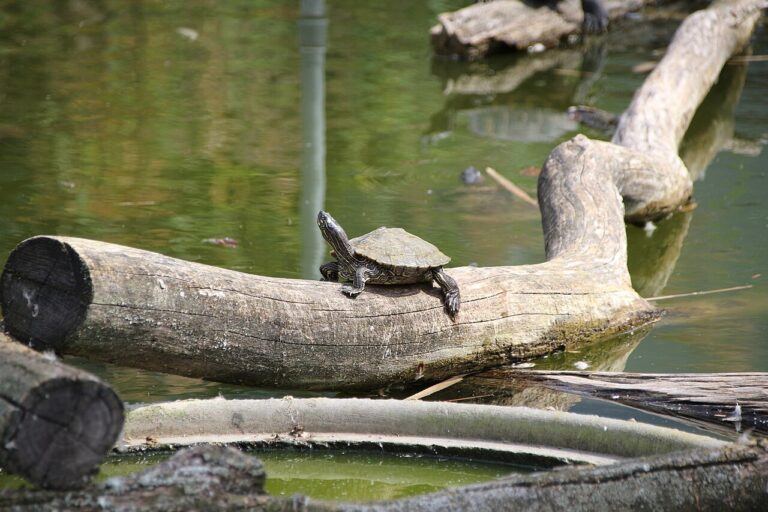
Mammals and reptiles fill in. Raccoons work the shoreline at night, often leaving only the skin behind, and mink, river otters, skunks, and opossums take frogs opportunistically. Snapping turtles (Chelydra serpentina) catch them in the water, and barred owls, red shouldered hawks, and crows take them from above. Chemical defense works against some of these: a poison dart frog is effectively off the menu, while an American green tree frog relies on hiding instead, as described in our green tree frog profile.
Frog Predators by Habitat: Pond, Woodland and Backyard
Habitat predicts the predator better than species does. In a pond or marsh the pressure comes from water snakes, herons, bass, bullfrogs, and snapping turtles. In woodland leaf litter it comes from shrews, ring necked snakes, ground beetles, and spiders, and the frogs there are mostly small and well camouflaged. Along a stream, otters and mink matter more than birds.
In a backyard the dominant predator is usually a pet. Free roaming cats kill frogs and toads regularly, often without eating them, and dogs maul toads and occasionally die from toad toxins. Frogs that overwinter in mud or under logs, a strategy covered in how frogs hibernate, are also dug up by raccoons and skunks during warm winter spells.
What Kills Frogs in Your Yard and What Homeowners Can Do
Most yard deaths are not predation at all. Lawn mowers and string trimmers kill frogs hidden in tall grass, pool skimmers and filter baskets drown them, pesticide and herbicide runoff kills them through their permeable skin, road traffic takes them on rainy migration nights, and swimming pool chlorine is lethal within hours. Cats account for most of the remainder.
Four changes do the most good: mow at midday rather than at dusk, when frogs are active, and raise the deck height; fit the pool with a ramp or a floating escape route and cover it overnight in spring; keep lawn chemicals away from any wet margin; and keep cats in after dark. If you want fewer frogs instead, remove the water, since drying up a saucer or a tarp puddle ends the breeding site without harming anything. Never use salt, vinegar, baking soda, or caffeine on amphibians, which is both cruel and, for many native species, illegal. State and federal amphibian status is tracked by the U.S. Geological Survey.
What Do Frogs Typically Eat?
Adult frogs are carnivores that eat whatever moves and fits in the mouth. The staple diet is insects and other invertebrates: flies, mosquitoes, moths, beetles, crickets, ants, spiders, slugs, worms, and snails. Large species go further, with bullfrogs recorded eating small fish, crayfish, mice, hatchling turtles, small snakes, and birds. Frogs do not eat vegetables, and almost none drink by mouth, since they absorb water through the skin.
Tadpoles are the exception. Most start as grazers, scraping algae and biofilm off rocks and plants, and shift toward animal matter as they grow, with some species scavenging carcasses or turning cannibal in crowded pools. That appetite for mosquitoes and midges is the main reason frogs around a property are worth keeping, and it ties directly into the mosquito buzz you hear on summer evenings.
Frequently Asked Questions
What is a frog’s worst enemy?
Snakes, above all garter snakes and water snakes, which specialize in amphibian prey and tolerate frog skin toxins. Across a whole population, though, fish and dragonfly nymphs remove far more individuals, since they feed on eggs and tadpoles. By total numbers lost, the worst enemy is a fish pond; by risk to any one adult frog, it is a snake.
What does it mean when frogs hang around your house?
It means there is water, cover, and insects nearby, usually a pond, a leaking spigot, dense ground cover, or a porch light that draws moths all night. Frogs on a wall or window are hunting that insect swarm. It is a sign of a reasonably healthy, pesticide light yard rather than a problem, and numbers drop on their own when the water does.
What does baking soda do to frogs?
It kills them, painfully. Amphibian skin is permeable and absorbs dissolved compounds directly, so baking soda, salt, vinegar, bleach, and caffeine all cause severe chemical irritation and death. These home remedies circulate widely as frog control advice and should not be used. Killing native amphibians is also regulated in many states. Remove the standing water instead.
Why can’t we touch frogs?
Handling harms both sides. Their skin is a breathing and drinking organ, so hand lotion, sunscreen, insect repellent, soap residue, and salt pass straight into the bloodstream, and dry hands strip the protective mucus layer. Handling also spreads chytrid fungus between ponds. For people, frogs and toads can carry salmonella, and toad secretions irritate eyes and mouths.
What are frogs afraid of?
Movement overhead, vibration, and sudden shadow, which is what a bird or a raccoon looks like from a frog’s position. Calling males go silent within a second of a footstep near a pond and resume after a minute or two of quiet. They are not deterred by sound devices, lights, or scent products; cover removal and water removal are the only reliable ways to make a spot less attractive.
Explore more: What Eats What: The Backyard Food Chain Explained