Bugs That Look Like Crickets: ID and When to Call a Pro
Many bugs that look like crickets inside a US home are camel crickets, also called spider crickets, and they pose no danger to people. A silent, long-legged jumper near the basement floor drain is the classic sighting. Several other insects share the cricket shape without being true crickets, and each one calls for a different response.
Three questions sort them fast. Does it have wings? Does it sing? Where did you find it? Answer those and you know whether a dehumidifier solves the problem or whether a pest control company is worth the call.
Many cricket-like bugs found indoors are camel crickets. They are humpbacked, wingless, silent and harmless to people. Dry and seal the basement yourself, and call a pest control pro only if their numbers keep rising after the space is dry.
Spider Crickets (Camel Crickets), the Bug Most People Find
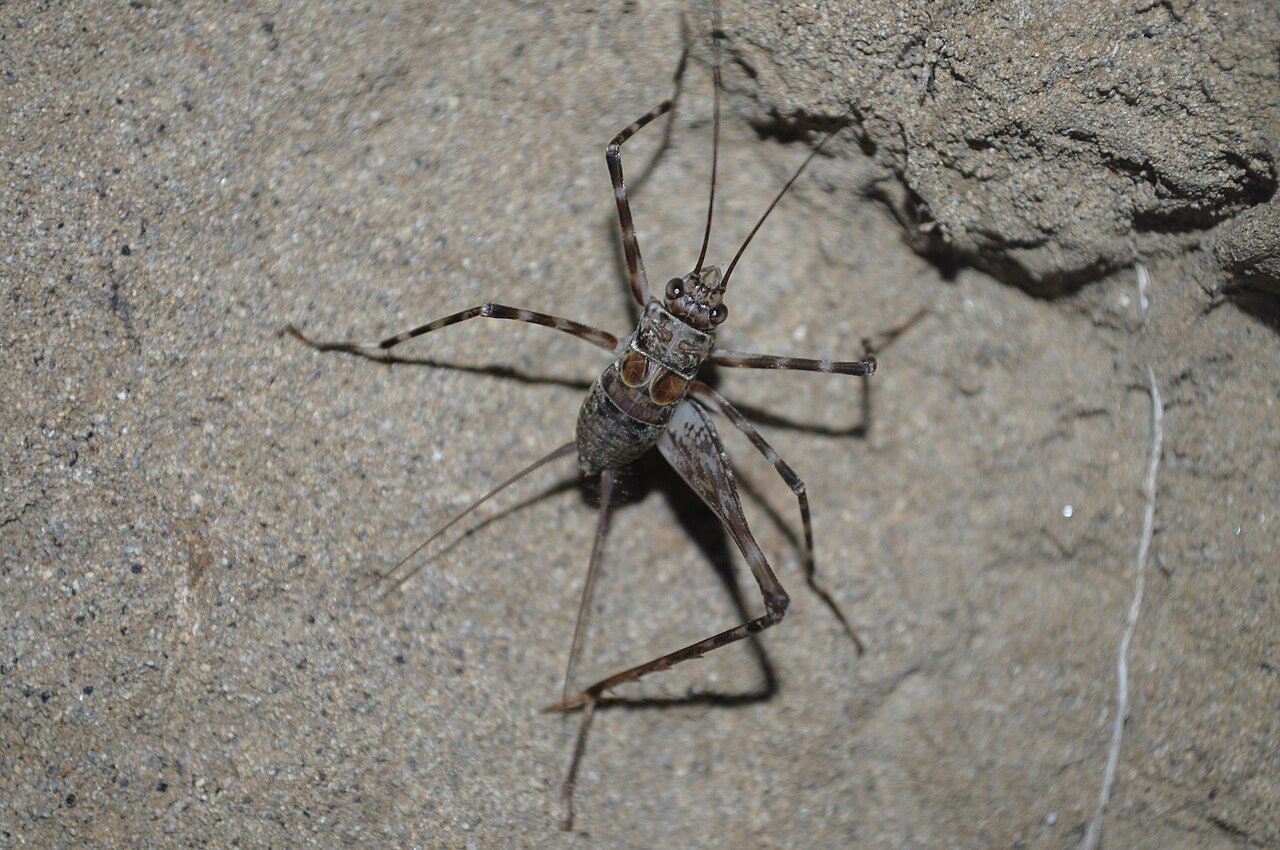
Spider crickets are camel crickets, members of the cave cricket family Rhaphidophoridae, and they are not true crickets at all. Their long legs and mottled brown body read as a spider in a dim basement, which explains the nickname.
Look for a humped back, no wings and very long hind legs. The antennae run longer than the body and sweep constantly. Adults make no sound, so a silent jumper on the basement floor points to a camel cricket. Cricket sounds come from the wings of true crickets, and a camel cricket has no wings to rub.
A startled camel cricket jumps in an unpredictable direction, sometimes toward you, so it seems to attack. The leap is thought to startle a predator and buy time to escape. It lands, freezes and then hops off into the nearest dark corner.
Other Bugs That Look Like Crickets
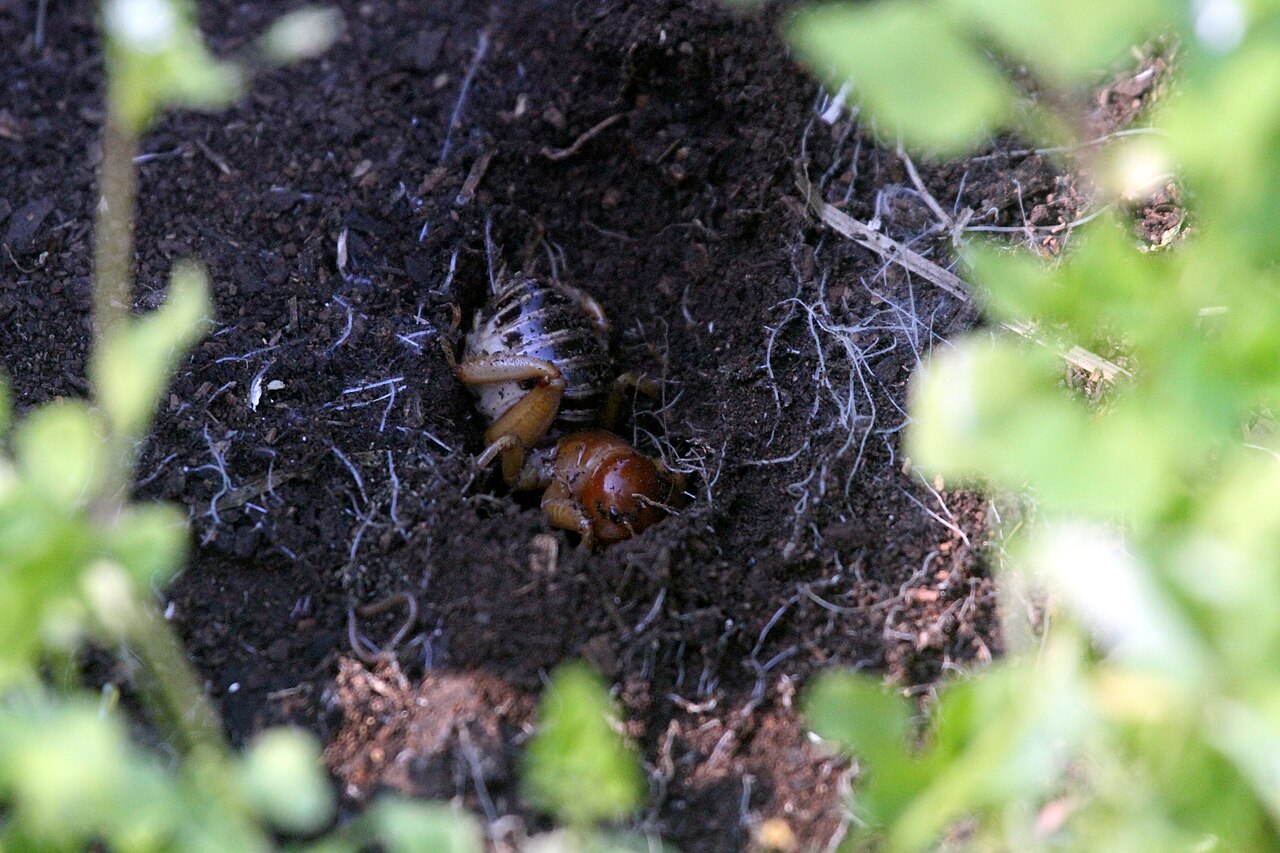
Five other insects get mistaken for crickets in the US, and habitat sorts most of them quickly. Jerusalem crickets (family Stenopelmatidae) live mainly in the western states and surface on wet nights. USGS researchers place the western North American species in the genus Ammopelmatus. They have a large, bald-looking head and a striped abdomen. They can deliver a painful bite if handled, so move one with a cup and a sheet of paper.
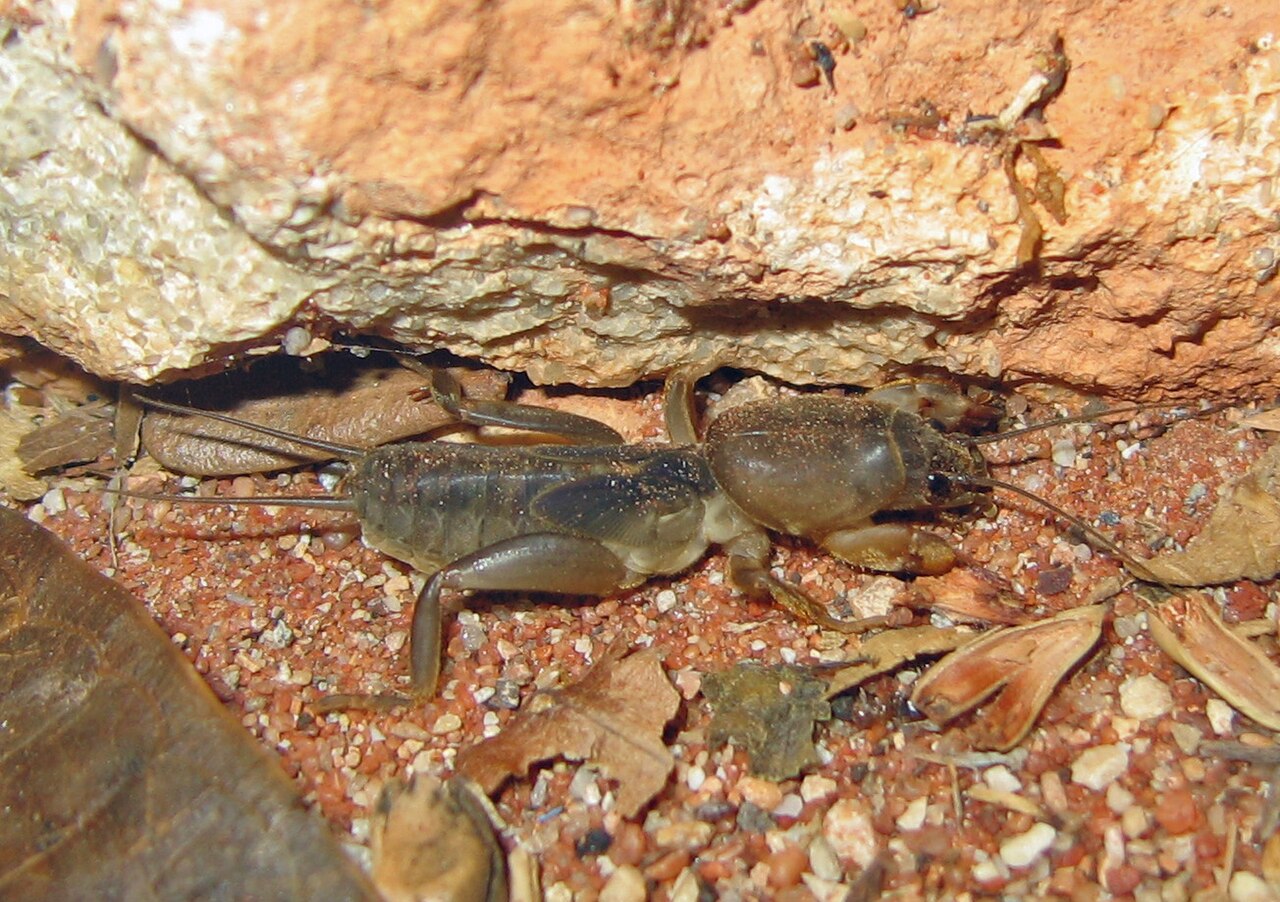
Mole crickets (Gryllotalpidae) tunnel under lawns, mostly in the Southeast, and dig with broad front legs shaped like small shovels. They rarely come indoors. Katydids (Tettigoniidae) are green and leaf-shaped, and they sing from trees on late summer nights. Grasshoppers are active by day in sunny grass and do not settle in basements.
Crickets and grasshoppers differ most clearly in antenna length and in the time of day they are active. Cockroach nymphs cause confusion too, because they are brown and wingless. They run instead of jump. A bug that sprints for a crack is a roach and needs a different plan.
| Bug | Body tell (wings, antennae, back) | Sound | Where you find it |
|---|---|---|---|
| Camel cricket | No wings, antennae longer than the body, humped back | Silent | Basements, crawl spaces, garages |
| Jerusalem cricket | No wings, short antennae, large head and striped abdomen | No chirp | Western yards, under rocks after rain |
| Mole cricket | Short front wings, short antennae, shovel-like front legs (hind wings can be full-size, and many species fly) | Trill from burrows | Lawn burrows, mostly Southeast |
| Field cricket (Gryllus) | Wings folded flat, long antennae, flat black back | Steady night chirp | Lawns and door edges at night |
| Katydid | Green leaf-shaped wings, very long antennae | Rasping calls from trees | Trees and shrubs |
| Grasshopper | Usually full wings, short antennae, slim back | Clicks or buzzes by day | Sunny grass by day |
| Cockroach nymph | No wings, long antennae, flat oval body | Silent, runs instead of jumping | Kitchens, bathrooms, cracks |
Why Camel Crickets Get Inside
Camel crickets come inside for cool, damp shelter. Summer heat, drought and the first cold nights all push them toward basements, crawl spaces and garages. A damp basement offers the same conditions as a cave or a rotting log. Camel crickets are nocturnal and spend the day in dark corners, under stored boxes and behind water heaters, so most people meet them after switching on a basement light.
Drying the space is the fix that works. Cricket diets lean on mold, fungi and decaying scraps, and dry air removes both the moisture and the food. Run a dehumidifier in the basement and crawl space through the humid months, and clear out damp cardboard and floor clutter. Seal foundation cracks, add door sweeps, screen the vents and set sticky traps along the walls for the strays already inside.
When to Call a Pest Control Pro
Cricket droppings in large numbers along the walls point to an established population, not a stray. Call a pest control pro when the numbers keep rising after the space is dry, or when the crawl space is too tight or too wet to reach safely. A pro can treat the perimeter and the voids you cannot get into. Ask the company to check the crawl space for standing water and gaps along the sill plate during the same visit, because a perimeter spray without drying only buys a few quiet weeks.
Frequently Asked Questions
Do spider crickets bite?
No. A bite is uncommon and harmless, at worst a small nip, because spider crickets have chewing mouthparts and no venom. Children and pets are not at meaningful risk from them. They are not known to spread disease to people either, so one spider cricket in the house is a nuisance, not a health problem.
Can spider crickets damage your house?
Yes, in a limited way. Large groups in damp basements chew fabric, cardboard and stored paper items, so boxes on the floor and clothes in open bins take the damage. Move stored items onto shelves and into sealed plastic containers until the basement stays dry.