Found a Baby Scorpion? How Dangerous It Is and What to Do
A tiny, pale scorpion on a bathroom floor or inside a shoe is almost always a youngster that recently left its mother’s back.
A baby scorpion carries the venom of its species in a smaller dose, so what matters most is the species, not the age. In the US, the Arizona bark scorpion is the one of medical concern. One baby indoors suggests a mother and more young nearby, so check the room and seal its gaps.
What a Baby Scorpion Looks Like
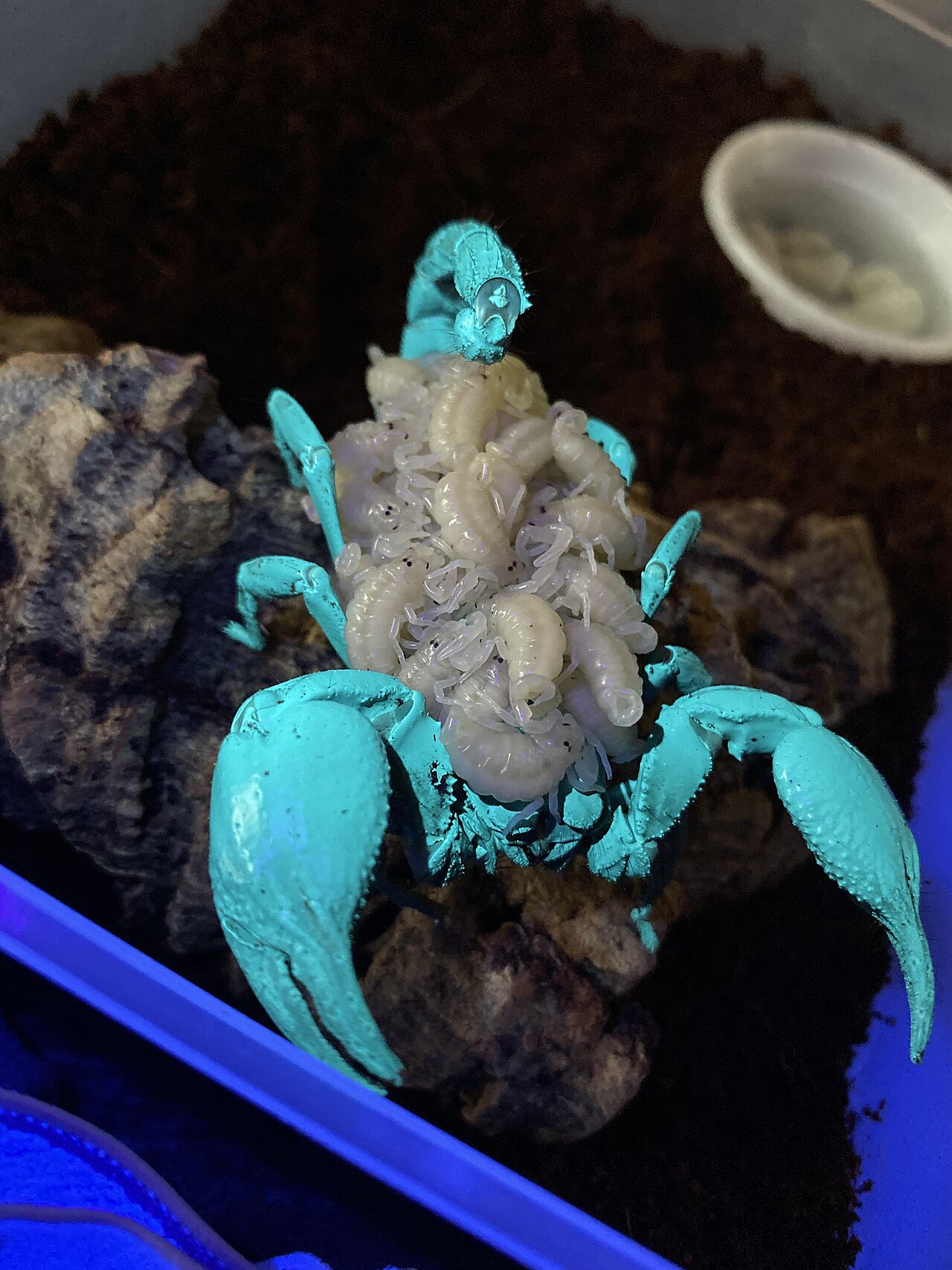
A baby scorpion looks like a pale, almost white miniature of an adult. Newborns climb onto their mother’s back right after birth and ride there in a tight cluster. They do not feed while riding and live on yolk reserves until their first molt. After that they leave and hunt small insects on their own.
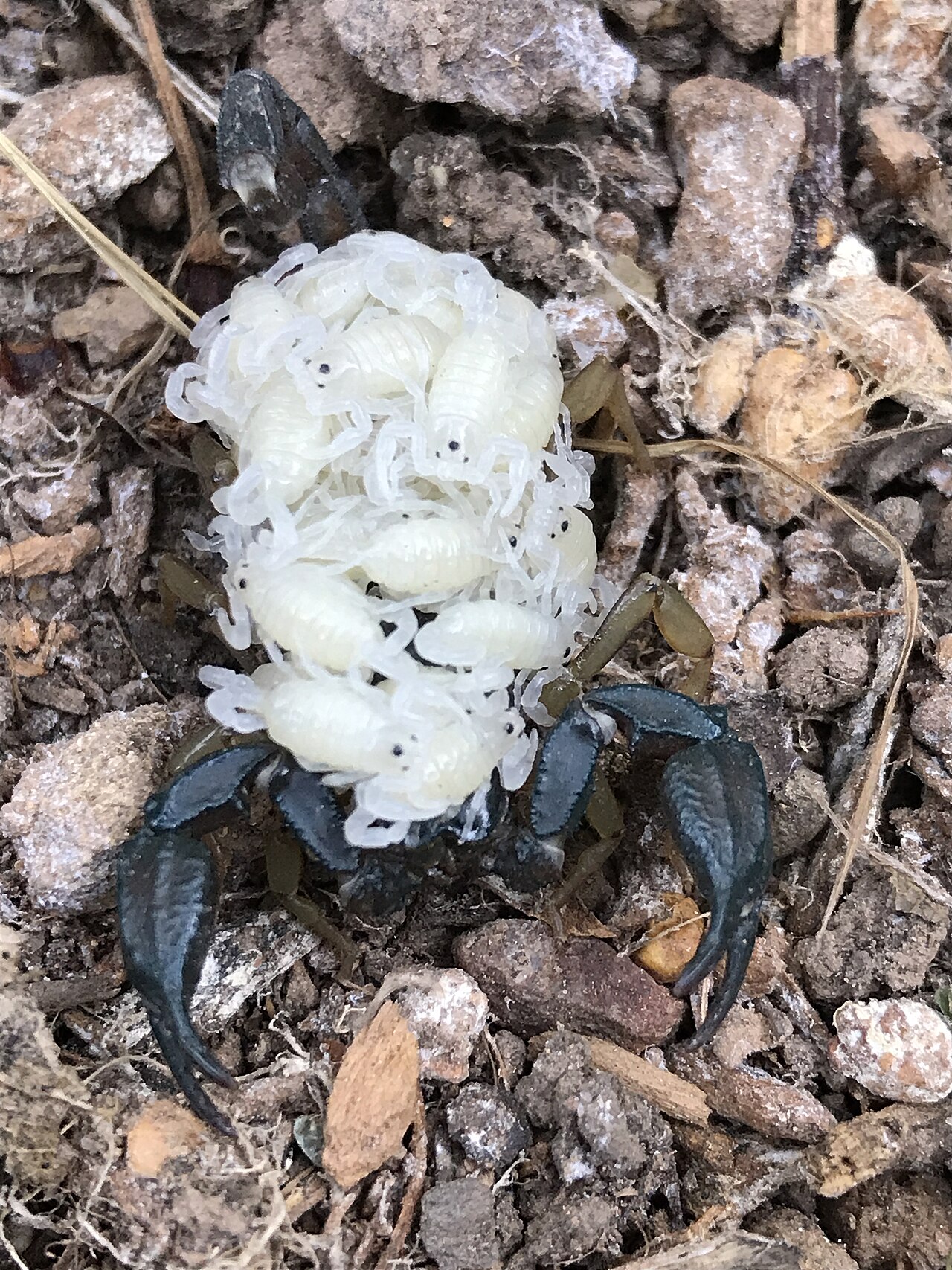
Each later molt makes the young scorpion darker and larger. The body plan is complete from the start, with two pincers, eight legs and a segmented tail that ends in a stinger. Scorpions are arachnids, not insects. Clover mites, ticks and spiders belong to the same class.
Pale young that just left their mother are easy prey, because their outer shell is still soft. Owls take scorpions at night.
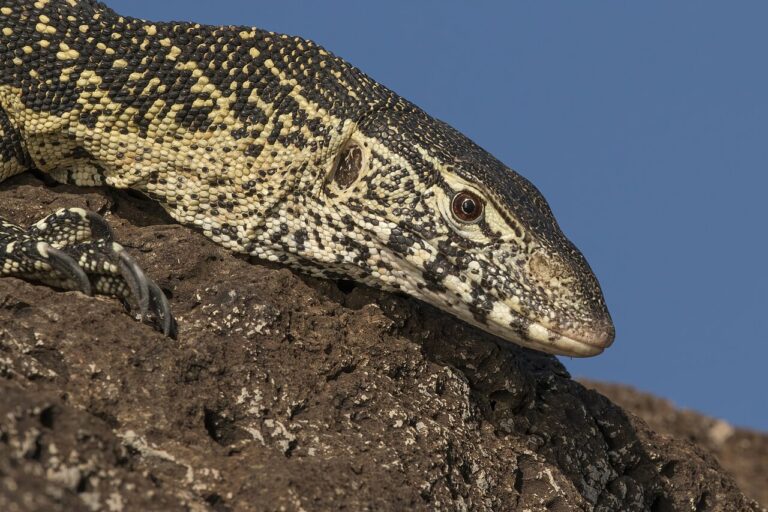
Lizards, shrews and bats hunt scorpions as well.
A tiny brown animal with pincers is not always a scorpion. Pseudoscorpions look similar at a glance, but they have no tail and no stinger, and they are harmless to people. Spiders that look like scorpions cause similar confusion, and a look at the tail settles most cases.
Is a Baby Scorpion Dangerous to People?
Baby scorpions are not more dangerous than adults. The popular claim that babies are stronger because they cannot control their venom is a myth. A young scorpion has smaller venom glands, so a sting typically delivers a smaller dose of the same kind of venom. The species decides whether that venom matters.
In the US, the Arizona bark scorpion (Centruroides sculpturatus) is the only species of real medical concern. It lives mainly in the desert Southwest. Deaths from scorpion stings in the US are extremely rare, and an antivenom (Anascorp) is available for severe bark scorpion stings, mostly in young children. Most other American scorpions cause a painful sting that fades on its own. Young children, older adults and pets typically react more severely than healthy adults, so a sting in these groups deserves fast attention.
| Trait | Baby scorpion | Adult scorpion |
|---|---|---|
| Color | Pale, almost white | Darker, species color |
| Venom dose | Smaller | Larger |
| Where found | On mother’s back, then near her | Alone, under cover |
| Glow under UV | Weak right after birth, bright after the first molt | Bright blue green |
After a sting, wash the spot with soap and water and put a cool compress on it. Call Poison Control at 1-800-222-1222 for advice on the species and the symptoms. Mayo Clinic lists muscle twitching, unusual head and eye movements and trouble breathing as signs of a severe sting. Seek medical care fast if any of these appear or numbness spreads. Keep the scorpion in a sealed jar if you can, because it helps with identification.
Why Baby Scorpions Show Up in Your House
A baby scorpion indoors suggests that an adult female and her other young may be close by, inside the walls or just outside them. Young scorpions stay with their mother only until the first molt, so a baby found alone may have spread out from a nest nearby. One baby on the kitchen floor is a sign to search the room, because it may have siblings or a mother nearby.
Scorpions come inside for moisture, shelter and the small insects they hunt. Scorpions eat crickets, cockroaches and other insects, so a home with many bugs feeds them well. They hide in shoes, bedding, laundry piles and gaps under baseboards. Shake out shoes and towels in areas where scorpions are common.
Scorpions glow blue green under ultraviolet light. Walk the house after dark with a blacklight, and check corners, closets and the base of walls. Seal gaps around doors, pipes and baseboards, cut clutter on the floor, and reduce indoor insects.
Frequently Asked Questions
How many babies does a scorpion have at once?
Roughly 10 to 25 on average, depending on the species, and brood size varies widely. The young ride on their mother for a few days to about two weeks before they spread out, so a single find may mean a brood nearby.
What eats baby scorpions?
Many animals do, including owls, bats, lizards, shrews, centipedes and larger scorpions, sometimes adults of their own species. Pale young that just left their mother are the easiest targets because their outer shell is still soft.
Can baby scorpions climb into beds and cribs?
Yes. Arizona bark scorpions climb walls and ceilings and can drop onto bedding. Pull beds and cribs a few inches from the wall, keep blankets off the floor and stand the legs in smooth glass jars, which scorpions cannot climb.
Sources
- University of Michigan Museum of Zoology, Animal Diversity Web, Scorpionidae
- Arizona-Sonora Desert Museum, Natural History of the Sonoran Desert, Scorpions
- EMRA (Emergency Medicine Residents’ Association), Scorpion Stings
- Seattle Children’s Hospital, Scorpion Sting