Seeing a Snake Meaning: Omen, Warning or Good Luck?
Seeing a snake is a sign of change, not a verdict of bad luck, and the first thing it asks of you is distance. Spiritually, the snake stands for renewal because it sheds its whole skin and keeps growing. It also stands for deceit, and that double nature runs through every reading. The seeing a snake meaning you land on depends on two things, the tradition you follow and the species in front of you.
Fear is the honest first reaction, and it deserves a straight answer. Most snakes in a US yard are harmless and want to leave. A few are venomous, and several of those warn with a rattle, a hiss or a raised body before they bite. That warning is the part of the encounter worth taking literally.
In the Bible, the snake carries both meanings, deceit in Genesis 3 and healing in Numbers 21, so a sighting is neither pure luck nor doom. The real warning is physical. Stop, give the snake room, keep children and pets back, and never try to kill or handle it.
Is Seeing a Snake a Good or Bad Omen?
Seeing a snake is both, and the source you trust decides which side wins. On the good side stands Asklepios, the Greek god of healing, whose staff carries a single coiled snake. That rod still marks medicine today. A snake on your path, in this light, points to recovery and to a situation putting itself right.

The bad side starts in Genesis 3. The serpent there is “more subtil than any beast of the field” and talks Eve into eating the forbidden fruit. Genesis never names the serpent as Satan. That link appears much later, in Revelation 12:9, which calls the devil “that old serpent.”
A sighting therefore carries a warning about deceit as much as a promise of healing. Look at what is changing in your life and ask which side fits. A snake inside the home raises a separate question of luck, and it ends with a call to a wildlife removal service rather than a ritual.
| Source | What the snake stands for | Omen for a sighting |
|---|---|---|
| Genesis 3 | Cunning and temptation | Warning about deceit |
| Numbers 21 | The bronze serpent that heals | Healing after hardship |
| Matthew 10 | Wisdom paired with innocence | Act with care |
| Greek myth of Asklepios | Medicine and renewal | Recovery |
| Quran, Surah Ta Ha | Moses’s staff turned snake | A sign of divine power |
| Hindu Naga tradition | Guardians of water and earth | Respect, not fear |
What Seeing a Snake Means Spiritually
A snake sighting points to an ending that makes room for growth. A healthy snake sheds its skin in one piece when it outgrows it, and the animal that crawls away is brighter than before. The sighting points to a habit, job or relationship you have outgrown. Shedding is not gentle, and neither is the change it signals.

The second meaning is the double nature. Venom harms, yet the snake on the Asklepios staff marks the doctor’s office. One animal holds both poison and cure. That pairing asks you to look for the trap inside a good offer and the gift inside a hard one.
This reading of renewal and duplicity is a modern one, built on the biology of shedding rather than on a single scripture. Snake symbolism by tradition traces how Greek, Hebrew and Hindu sources each built their own version of the pairing. A sighting borrows from all of them, and you choose the thread that matches your moment.
Snakes in the Bible, Judaism, Islam and Hinduism
The Bible treats the snake as both tempter and healer. In Numbers 21, venomous serpents bite the Israelites in the wilderness, and Moses sets a bronze serpent on a pole so anyone bitten can look at it and live. Jesus points back to that scene in John 3:14. In Matthew 10:16 he tells his disciples to be “wise as serpents, and harmless as doves.”
Jewish scripture keeps two separate snakes. The first is Moses’s staff, which turns into a snake in Exodus 4 as a sign that God sent him. The second is the bronze serpent from Numbers 21, which the people later burned incense to. In 2 Kings 18:4, King Hezekiah breaks it into pieces and calls it Nehushtan, a lesson about a healing sign that turned into an idol.
The Quran tells the staff story too. In Surah Ta Ha, God tells Moses to throw down his staff, it becomes a moving snake, and God tells him to take it up without fear. The snake there is a sign of divine power, not an enemy.
Hinduism gives snakes a place of honor. Nagas are serpent beings tied to water and the earth, Shiva wears a snake around his neck, and Vishnu rests on the coiled serpent Shesha. A baby snake inside a Hindu home calls for respect rather than panic, and respect means leaving it unharmed until someone trained moves it outdoors.
What Snake Colors Signal
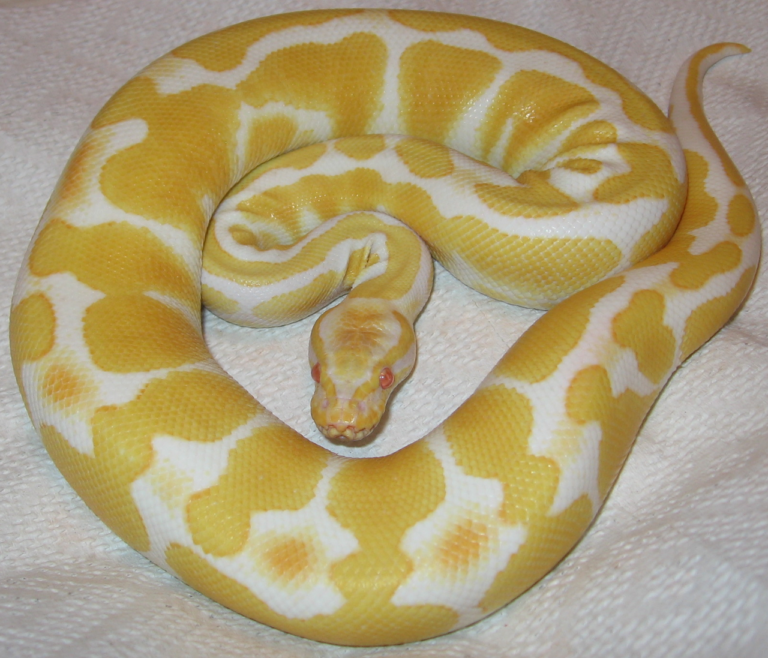
Snake color narrows the omen from general change to a specific theme. Black points to protection and the hidden parts of a situation. White points to clarity and a fresh start, and white snakes are rare in the wild, where albino and leucistic young stand out to predators.
Green ties to growth and healing. The rough green snake (Opheodrys aestivus) of the eastern US fits that reading as a slim, harmless insect eater. Yellow signals insight and a call to pay attention. Red signals warning and energy.
Red banding in the US also calls for real caution, because the venomous eastern coral snake (Micrurus fulvius) wears red, yellow and black rings. The black snake spiritual meaning carries the most layers of any color. A black rat snake in the barn and a black snake in a dream point to different things.
Snake in Dreams Versus Real Life
A dream snake is an interpretation, and a real snake is an event. The dream comes from your own mind, so its meaning is personal. The snake in your yard is a living animal with a reason to be there, such as food, warmth or shelter.
Treat the two differently. A dream asks what you fear or avoid. A sighting asks first whether you are safe, and only then what it means for you.
What 7 common snake dreams signal depends on the snake’s color, its behavior and whether it bites. A snake that chases you in a dream reads nothing like one that sleeps on a warm rock in daylight.
Seeing a Snake in Your Path, Yard or House
A snake crossing your path points to a crossing in your own life, a decision or a change already under way. The snake moves from one side to the other and does not stop to look back. Let it finish, then walk on.
A snake in the yard is there for food or shelter. Woodpiles, tall grass and a mouse problem draw them in. Clear those and the visits drop.
A snake inside the house is a different matter. Call a pest control or wildlife removal service, shut the door to that room, and keep children and pets out. The meaning of a snake in the house adds the symbolism of the home to the sighting.
Which Snakes Are Dangerous and How They Warn You
Venomous snakes in the US fall into two groups, the pit vipers and the coral snakes. Pit vipers include rattlesnakes, copperheads (Agkistrodon contortrix) and cottonmouths (Agkistrodon piscivorus), and they have a heat sensing pit between the eye and the nostril. Coral snakes are slender and brightly ringed. Treat any snake you cannot name as venomous and never pick it up.

Snakes warn in four main ways. The timber rattlesnake (Crotalus horridus) shakes its rattle, and rat snakes and copperheads vibrate the tail in dry leaves. The eastern hognose snake (Heterodon platirhinos) flattens its neck and hisses, and cottonmouths gape to show a white mouth. A rattlesnake can still strike without rattling first, so silence is not safety.
Black and white snake identification by species shows how far color alone misleads. The red, yellow and black rhyme for coral snakes works only for North American species, and it fails on odd patterns even there. One snake in the open is a single animal on its own route, not the scout of a hidden nest.
What to Do When You See a Snake
Stop, step back slowly and give the snake a clear way out. Snakes strike at what feels like a threat, and a person who backs off stops being one. Keep children and dogs behind you, and never try to catch, move or kill the animal.
If a snake bites anyone, call 911 and get medical care right away. Do this even if the snake looked harmless. A photo taken from a safe distance helps the hospital more than a guess.
Snakes can carry germs even when they look healthy. Reptiles often carry Salmonella in their digestive tracts, and the CDC notes that even a healthy reptile can carry the bacteria. Wash your hands with soap and water after handling anything a snake has crawled on, or use a hand sanitizer with at least 60% alcohol.
Frequently Asked Questions
Is it good luck to have a snake in your house?
No, a snake in the house is a removal job before it is an omen. Rat snakes slip indoors after mice, and they do control rodents, but a bite from a startled snake outweighs any luck. Call a wildlife removal service and seal the gaps the mice used to get in.
Is it true if you see one snake, are there more?
No, one snake almost never means a hidden group. Most species live and hunt alone. The exceptions are winter dens, where garter snakes gather in large numbers, mating season, and the short time after a clutch hatches before the young spread out on their own.
What does it mean spiritually to have a baby snake in your house in Hinduism?
A baby snake in a Hindu home points to the protection of the Nagas, the serpent guardians honored with milk offerings on Naga Panchami. The respectful response is to leave it unharmed. Call a snake rescuer to carry it outside rather than handling it yourself.
Is it bad luck to kill a snake?
Yes, in the practical sense. Many states protect native snakes, and killing a protected species can bring fines. Killing any snake also means getting within striking range of it. Leaving it alone is safer for you and keeps the free rodent control it provides.
Should young children touch a snake they find?
No. The CDC says children younger than 5 should not handle or touch reptiles or their environments, because they face a higher risk of serious illness and hospitalization from Salmonella. Teach older children to look, call an adult and step back instead.
Can you get sick from a snake without touching it?
Yes. You do not have to touch a reptile to get sick from the germs it carries, because those germs reach the places it lives. Keep a snake’s hiding spot off limits to children and wash your hands after yard work near it.
Sources