Junco Call: Trill, Tick and Twitter Sounds Explained
A junco call is the sharp tick you hear from under the feeder on a cold morning, a hard, dry note like two pebbles knocked together. The Dark-eyed Junco (Junco hyemalis) adds a tinkling twitter when a flock flushes and a ringing trill when a male sings. These are three of its most familiar sounds.
Juncos are winter regulars at US feeders, so most people meet the calls first and the song later. Learn the tick, the twitter and the trill, and you can name the bird before it hops into view. The nickname snowbird reflects its familiar appearance as a winter visitor across much of the US.
The junco call is a sharp tick or smack note, heard as birds keep contact or react to disturbance. Juncos also give a rapid twitter when flushing or interacting. Their typical song is a loose, musical trill on one pitch, more musical than a chipping sparrow’s dry, mechanical trill.
What does a junco call sound like?
A junco call sounds like a sharp tick or smack, a single hard note the bird repeats when it is restless or uneasy. Each note is short and dry. Several juncos ticking at once sound like stones dropped on a step.
The second sound is a tinkling twitter. A flock gives it when it flushes from the ground into a shrub, and the white outer tail feathers flash at the same moment. Hear the twitter and look low, not up in the canopy.
Listen also for repeated tit-tit-tit location calls. These short notes help flock members keep contact while they forage.
| Sound | How it sounds | When you hear it |
|---|---|---|
| Tick or smack | Hard, dry single note | Restless birds, alarm |
| Flight twitter | Tinkling, rapid chatter | Flock flushing to cover |
| Location call | Short, repeated tit-tit-tit notes | Contact among foraging flock members |
| Song | Loose, musical trill on one pitch | Late winter and breeding season |
| Quiet song | Soft whistles, trills and warbles | Courtship during the breeding season |
Junco song and the chipping sparrow trill
Junco song is a loose, musical trill on a single pitch, a quick run of notes that rings like a small bell. Males sing it from a perch near the top of a conifer or a dead snag. Each song is brief, and a male repeats it at steady intervals.
The chipping sparrow (Spizella passerina) sings the trill most often confused with it. Its version is drier and more mechanical, closer to a sewing machine than a bell. Tight, flat notes point to the sparrow. Wet, ringing notes point to the junco.
The pine warbler (Setophaga pinus) adds a third option in pine woods. All three species can occur in the same habitat, so a trill from a tall pine does not settle the identification. Compare recordings and try to see the singer.
When juncos call in winter and spring
Juncos call in winter flocks and during the breeding season. Winter flock members use short calls to keep contact while feeding. During nesting season, males sing from elevated perches to defend their territories.
Alarm calls can include repeated tchet notes or a buzzy bzzz. A rapid twitter may accompany a bird flushing into cover or interacting with another junco.
Song strengthens in late winter. Males try the trill on mild days before spring migration and sing in full on the breeding grounds in northern and mountain forests. Bluebird song and calls pick up on the same mild days, so a late-winter yard can carry both.
How to recognize a junco while you listen
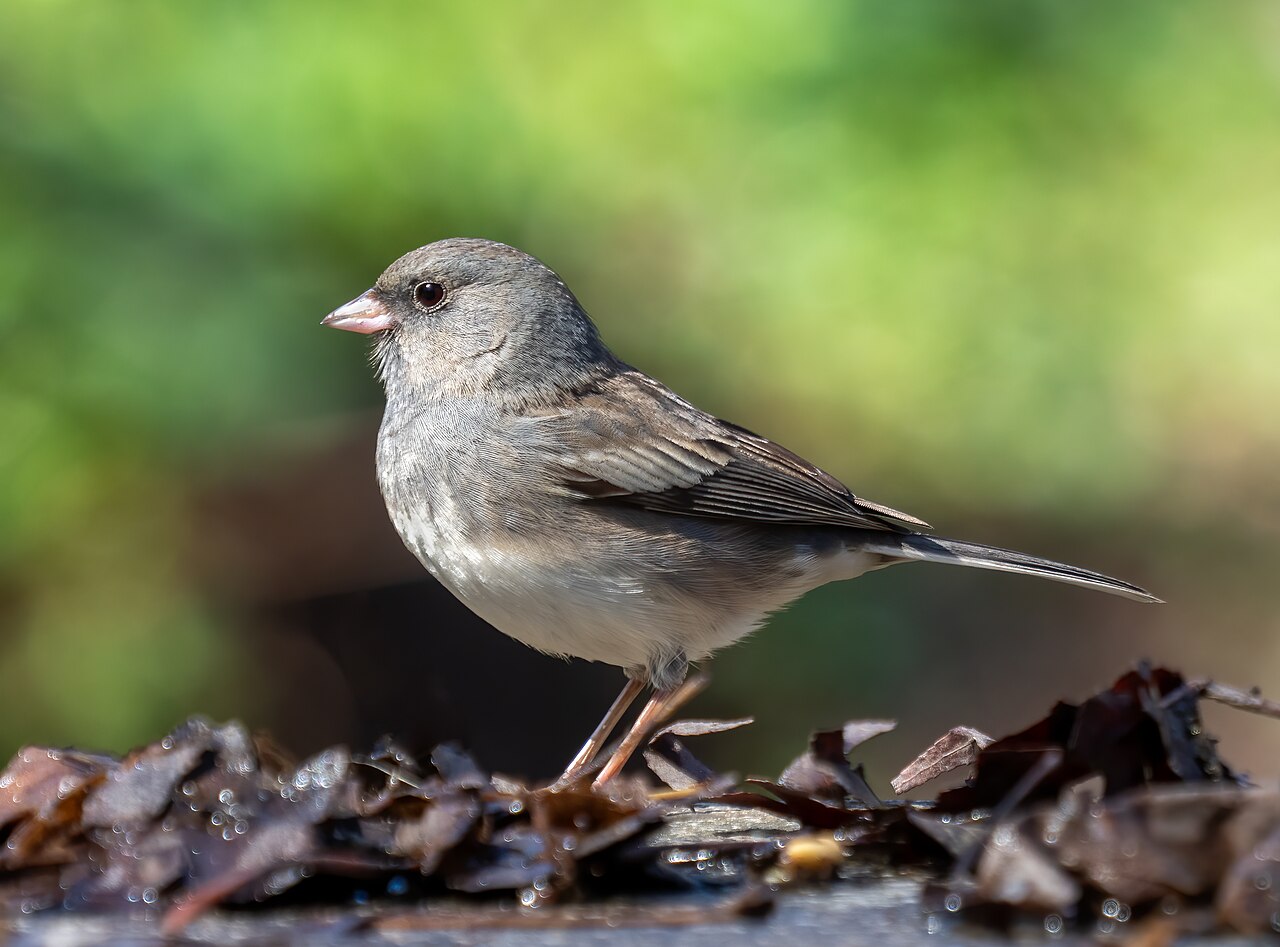
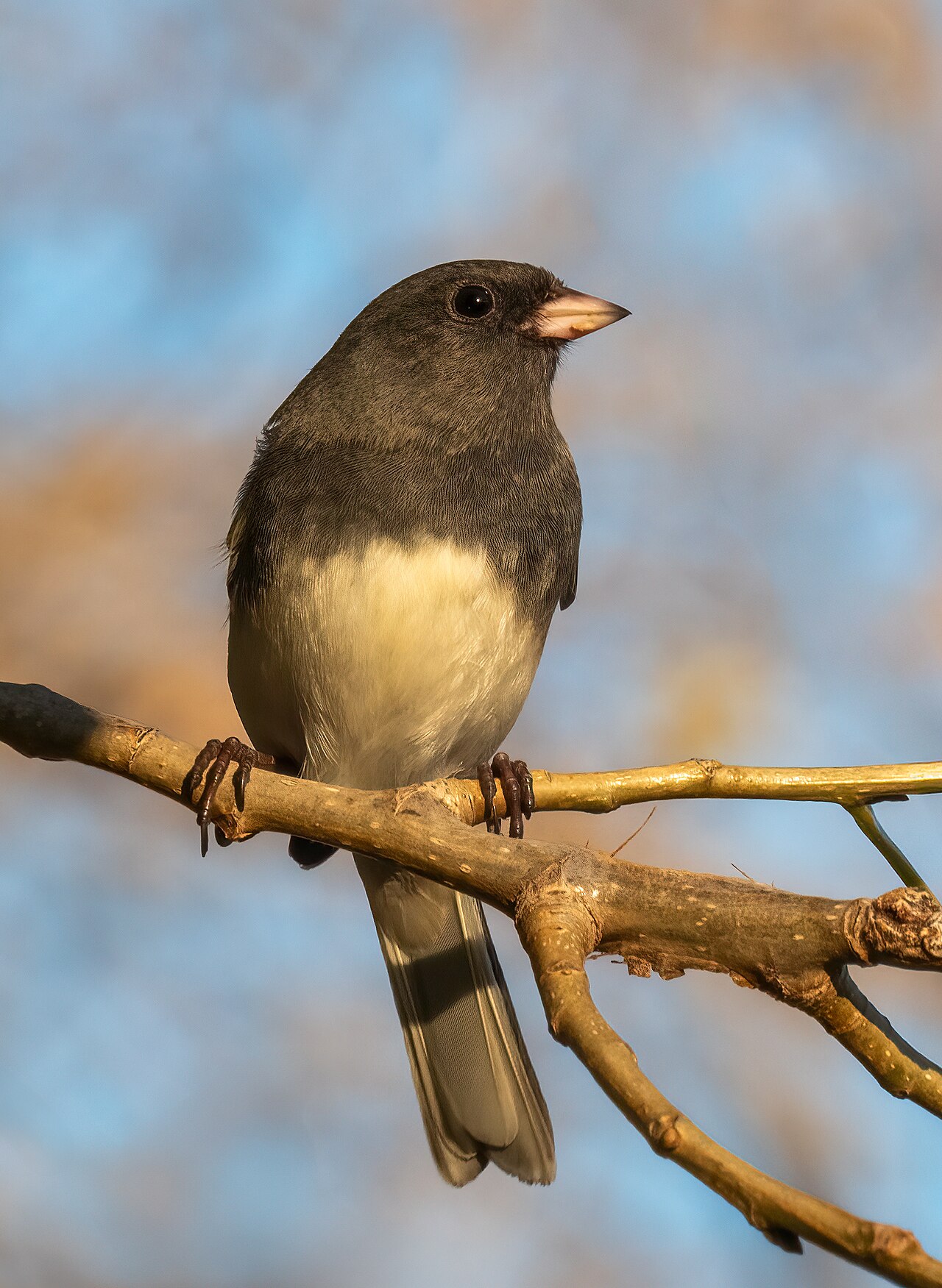
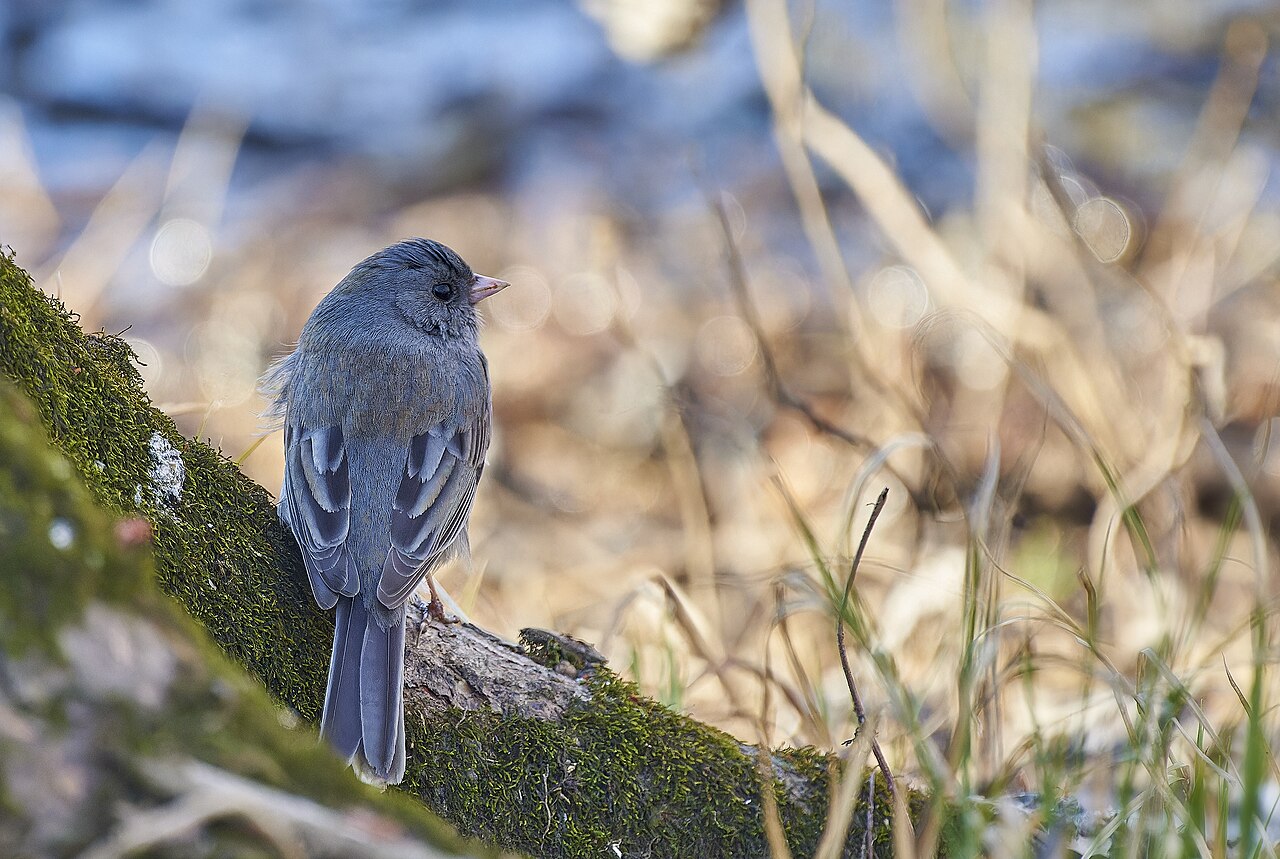
A Dark-eyed Junco is a small sparrow whose adult plumage usually combines a gray, black or brown head and upperparts with a white belly. The pattern varies by regional form. Females and first-winter birds often look browner than adult males, while juveniles are streaked brown.
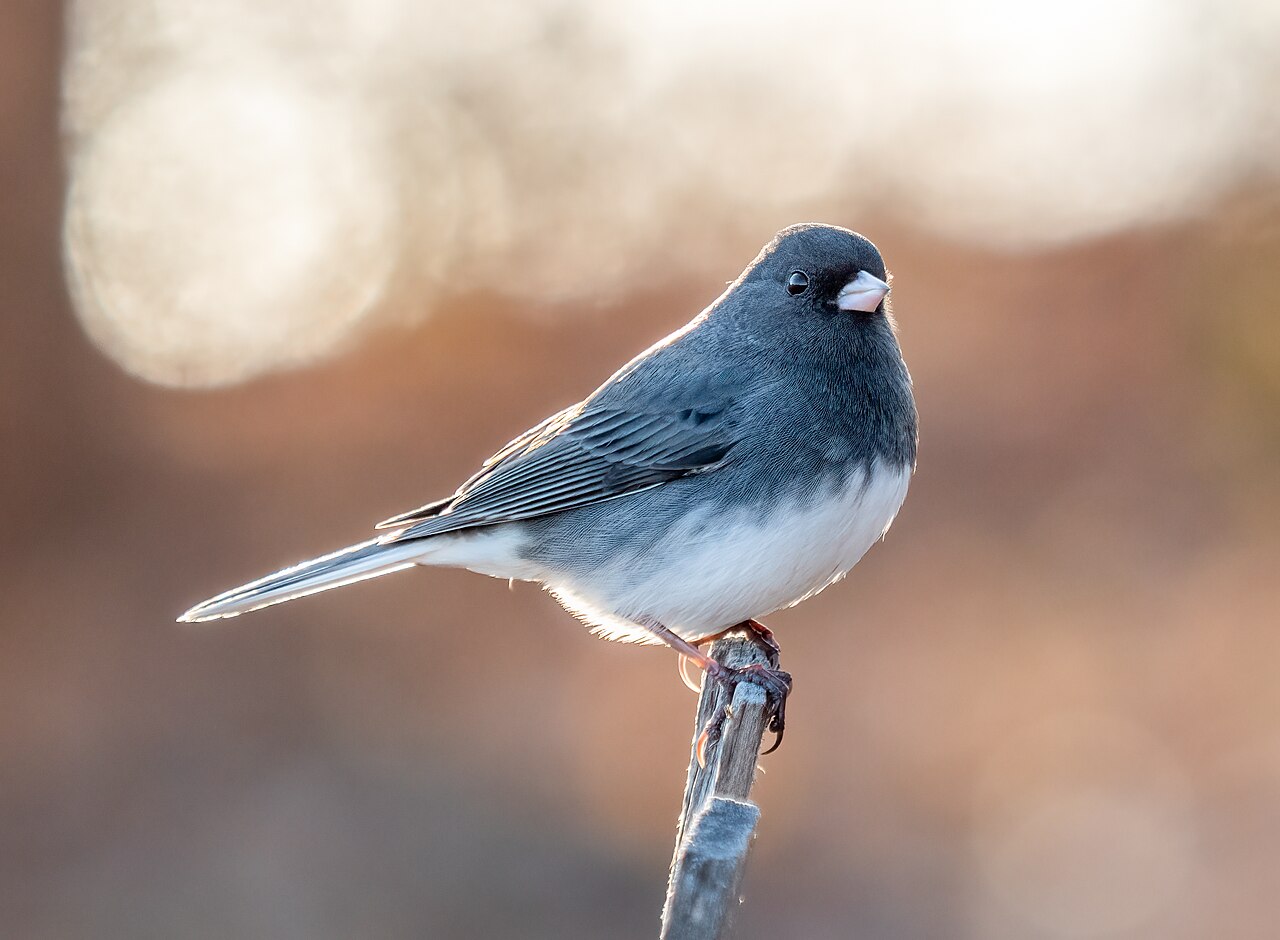
Look at the bill and tail next. Most forms have a pale pink bill, although the red-backed form has a mostly dark bill. White outer tail feathers flash in flight, sometimes alongside a twittering call.
Regional forms vary in color but belong to one species. The slate-colored, Oregon and pink-sided juncos are all Dark-eyed Juncos. Dark-eyed Juncos share familiar call types, but their songs vary among individuals and regional forms. The Yellow-eyed Junco (Junco phaeonotus) of the Southwest borderlands is a separate species.
Where juncos sleep and when they visit feeders
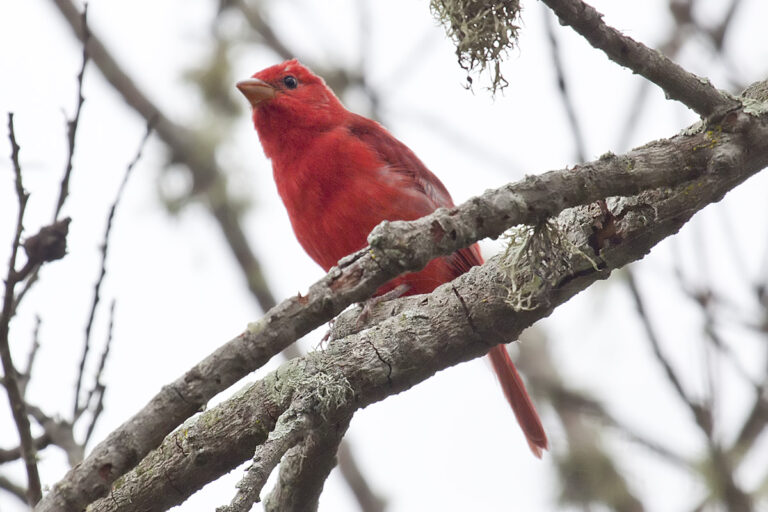
Juncos sleep in dense conifers and brush thickets, tucked close to the trunk out of the wind. A spruce hedge or a brush pile near the yard makes a good winter roost. Cardinals, with their whistles and chips, use the same dense cover, so both birds leave it at first light.
Feeder visits run from fall through winter. Juncos feed on the ground under the feeder and pick up seed that other birds drop. Mourning doves share the same patch and add soft coos and a wing whistle on takeoff.
In spring, many juncos leave winter feeding areas and move north or upslope to breed, while some populations remain in the same region year-round. Ground feeding has one health note for the people who host them. The CDC reports that avian influenza A viruses have been found in several common backyard birds, including sparrows, and rates the current risk to the general public as low.
Frequently Asked Questions
What does it mean when a junco visits you?
In the folklore recounted by nature writer Margie Manthey, a junco’s first autumn visit heralds approaching snow. At a feeder, juncos come for accessible seeds and nearby shelter. Some populations also live locally year-round.
What do you call a group of junco birds?
A group of juncos is called a flock. A playful collective name is a blizzard of juncos. Winter flocks keep in touch with short contact calls.
Do juncos sing in winter?
Yes. Juncos sometimes sing their musical trill in winter, especially on mild days in late winter before spring migration. Singing becomes more frequent during the breeding season.
Why are juncos called snowbirds?
Juncos are called snowbirds because in much of the US they arrive in fall and leave in spring, so their stay matches the snowy months. When snow covers natural feeding areas, flocks may move to feeders and patches of exposed ground where seeds remain accessible.
Sources
- Cornell Lab of Ornithology, All About Birds, Dark-eyed Junco Sounds
- Centers for Disease Control and Prevention, Bird Flu Transmission
- Centers for Disease Control and Prevention, About Psittacosis