Cheetah Spiritual Meaning: Symbolism and Life Lessons
Symbolically, the cheetah (Acinonyx jubatus) stands for focus, speed and the nerve to act at the right moment. The cheetah spiritual meaning centers on one clear target, one fast and decisive move, and a real pause afterward. The cat that wins the sprint is also the cat that knows when to lie down in the shade.
The real animal keeps the metaphor honest. A cheetah holds its top speed for one short burst, and a large part of its day goes to scanning the plains and resting. That rhythm of long patience followed by a brief all-out effort is the core of the reading. It also makes the cheetah a poor symbol for nonstop grind.
Spiritually, a cheetah points to focus, decisive action and well-timed effort. It asks you to pick one priority, wait for the right opening, and commit fully when it comes. The second half of the message matters as much. After the sprint comes rest, so recovery belongs in the plan.
What Does a Cheetah Mean Spiritually?
A cheetah means focus that turns into action. The animal spends long stretches scanning open ground from a termite mound or a low branch. It picks one animal from the herd, and only then does it run. That order is the lesson. Attention comes first, choice second, speed last.
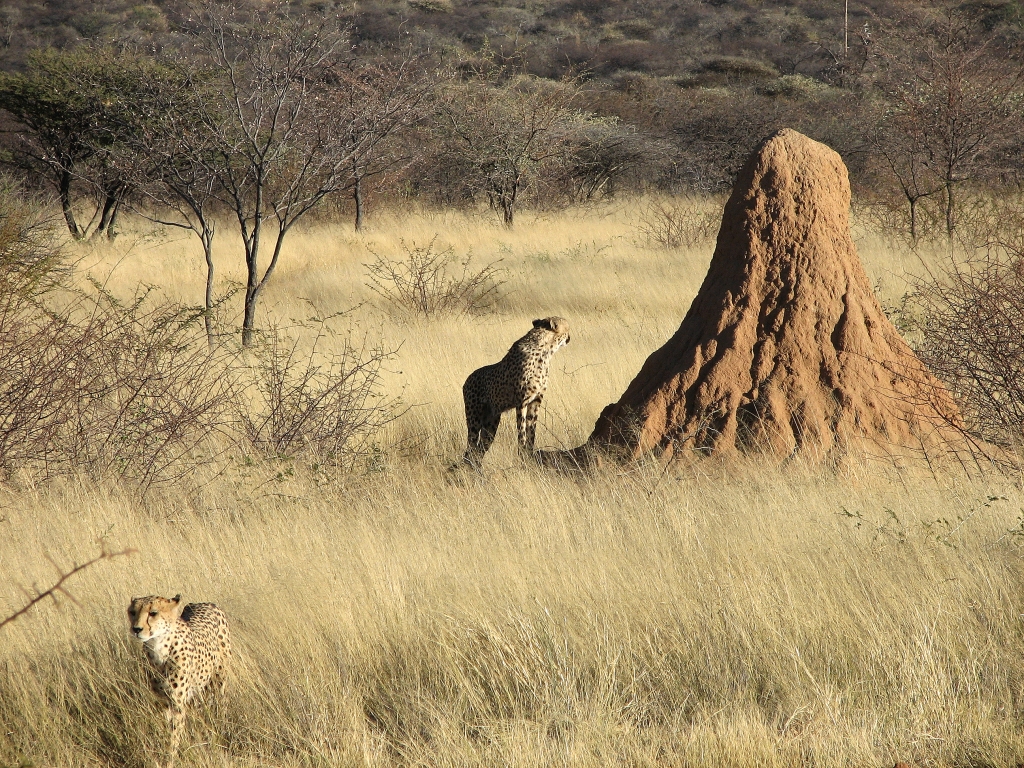
The cheetah also stands for self-trust. It does not wait for a pack to approve the chase. A female hunts alone to feed her cubs, and she makes each call on her own read of the ground, the wind and the prey. For you, that points to acting on your own judgment once the watching is done.
Tempo is the third theme. The cheetah is built for one fast move, not for a marathon, and the meaning follows the body. It favors short, intense pushes over slow, grinding effort. If you have been circling a decision for weeks, the cheetah points to a narrow window that will not stay open. Waiting past it has a cost.
The cheetah message differs from the meaning of other spotted cats. Jaguar symbolism and the Maya jaguar god rest on night, hidden power and a documented place in Maya religion. The cheetah belongs to daylight, open country and speed. The cheetah’s meaning here grows from its speed, focus and recovery.
What Is the Power of a Cheetah?
The power of a cheetah is commitment at the right moment. Its strength is not size or endurance. It is the ability to wait, choose, and then give everything to one attempt. Power in this sense means deciding cleanly and moving before doubt catches up.
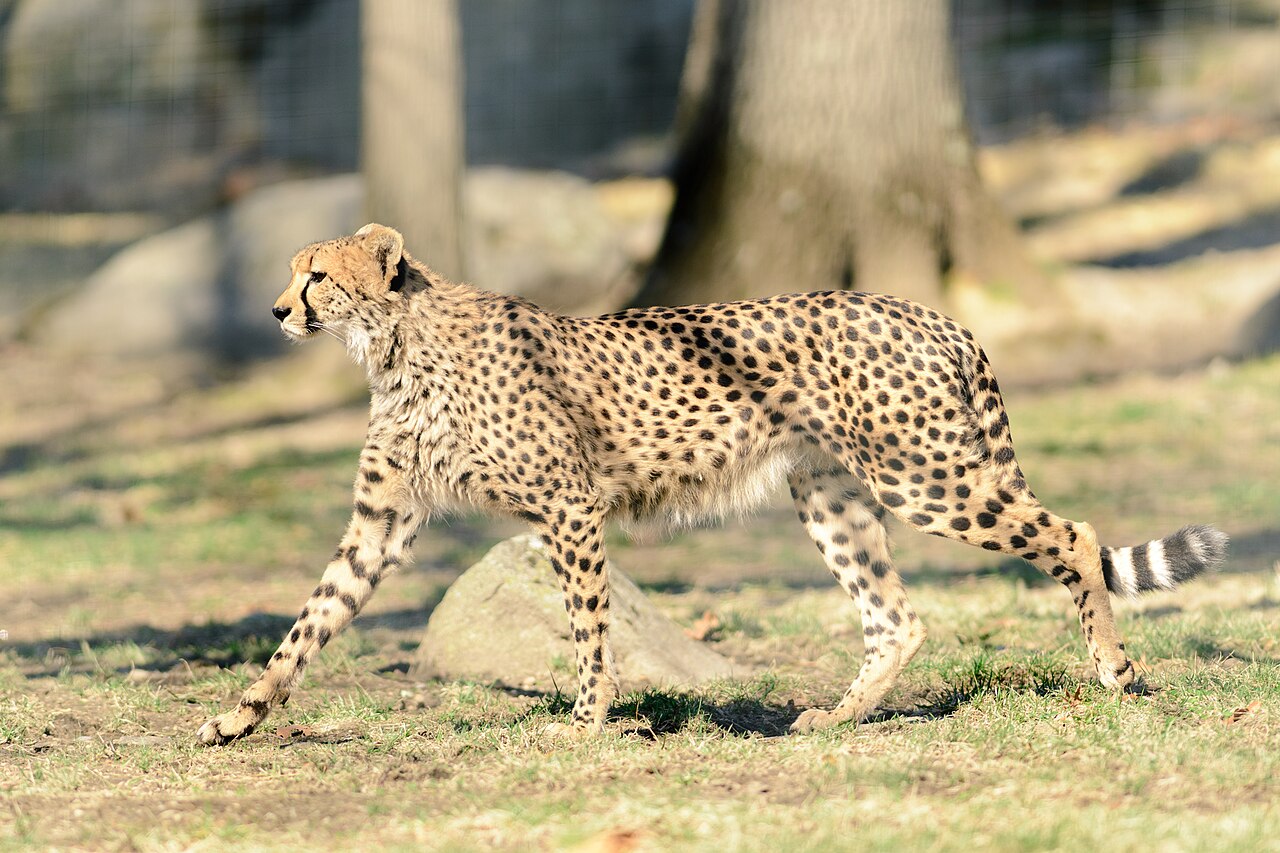
Turn that into one practical step. Pick a single priority for the coming week, the task that would change the most if it were done. Clear the space around it, start at a set hour, and work on it before anything else. Then put recovery on the calendar as firmly as the work itself. Recovery protects the energy you need for your next effort.
Keep the biology and the message apart. A real cheetah’s sprint is a physical feat shaped by its spine, legs and lungs, and it says nothing about your week. The message borrows the shape of the hunt, not its mechanics. Patience, one choice, full effort and rest are the parts that carry over.
Lion symbolism and spiritual strength offer a useful contrast. The lion stands for authority held over time and shared with a pride. The cheetah stands for a brief, precise burst of effort.
Cheetah Personality Traits and Life Lessons
The traits attached to the cheetah are drive, independence and adaptability. Drive shows in the single chosen target. Independence shows in the solo hunt. Adaptability shows when the prey cuts sideways and the cheetah adjusts its speed and direction to follow.
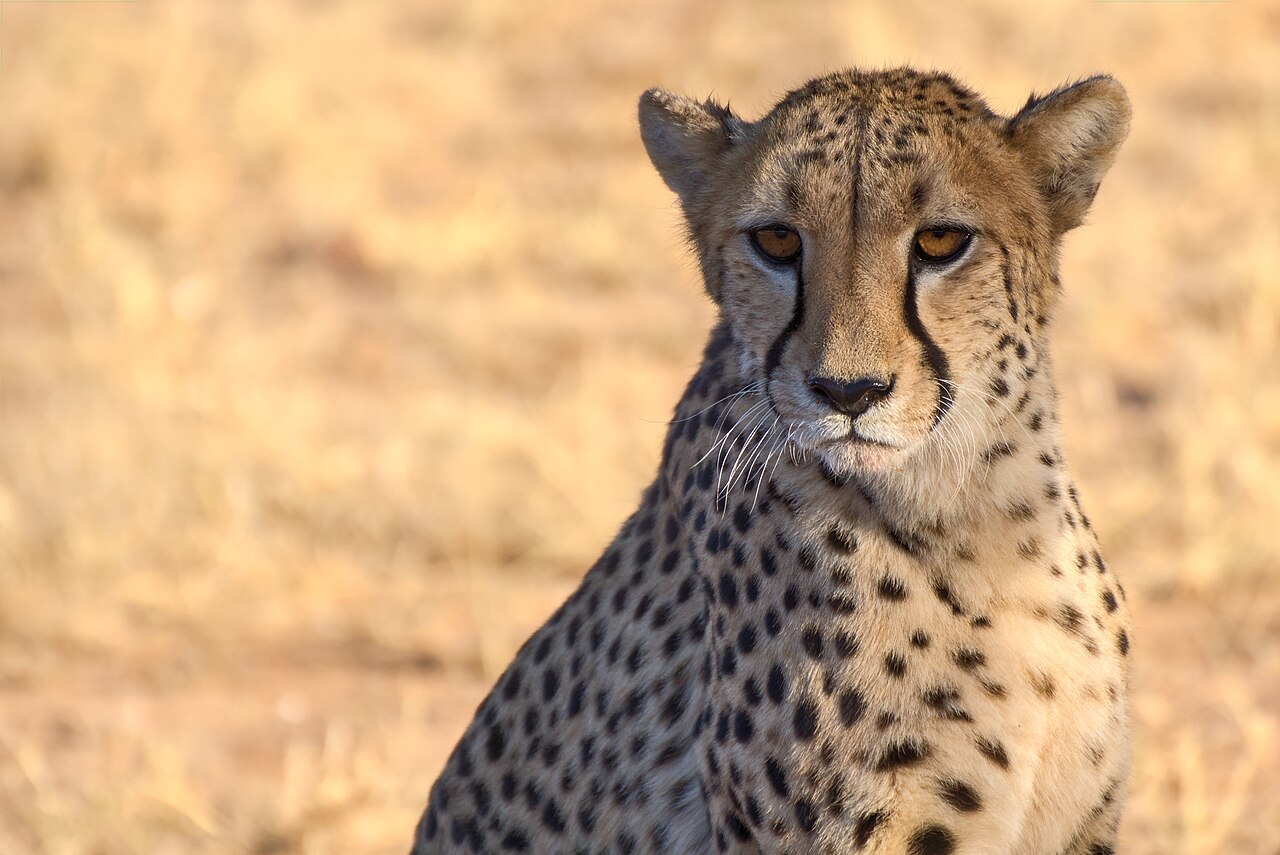
The shadow side is impatience. A person with strong cheetah energy starts fast and loses interest when results take longer than one burst. Overload is the second risk. Treating every task as a sprint leaves no reserve, and the lesson then is to slow the pace on purpose and pick fewer chases.
Keep the metaphor apart from real behavior. Cheetahs are not strict loners. Females raise their cubs on their own, but males form coalitions as well, and littermate brothers stay together in some of them. The independent cheetah personality is a picture, not a field report.
Cat symbolism and independence cover the broader reading of feline self-reliance. The cheetah sharpens that reading into speed and timing.
Seeing a Cheetah or Dreaming About One
Seeing a cheetah or dreaming about one points to a question of timing in your waking life. In the US, a cheetah encounter happens at a zoo, in a documentary or in a dream, and the setting matters less than the scene and how it felt. A calm feeling and a frightened feeling turn the same animal into two different prompts.
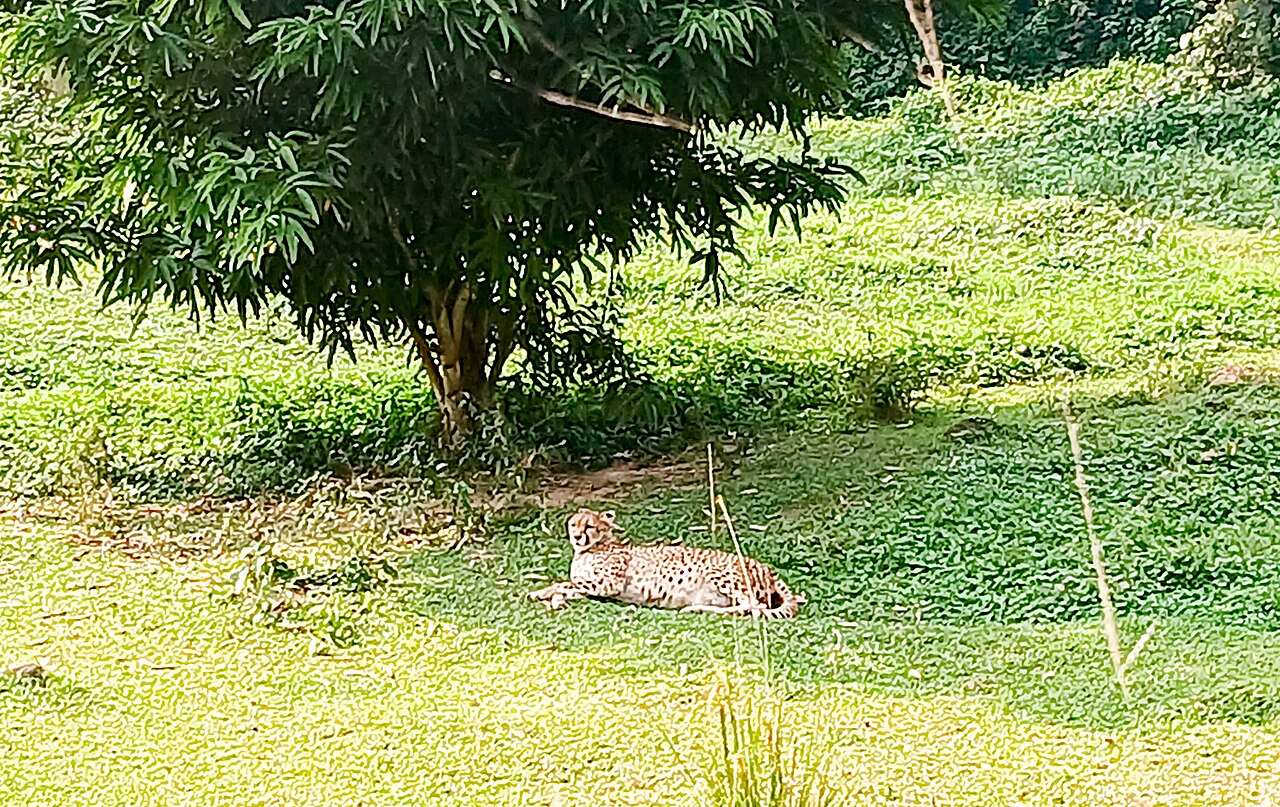
A running cheetah points to a chance that is moving now. A resting cheetah points to recovery you have been postponing. A cheetah chasing you points to a deadline or an expectation you keep running from, and the fear in the dream shows how heavy it feels. None of these scenes predicts an event. They are prompts for reflection, not forecasts and not a diagnosis.
| Scene | What it points to | Question to ask yourself |
|---|---|---|
| Running cheetah | An opportunity moving right now | What am I ready to commit to today? |
| Cheetah resting in the shade | Recovery you keep putting off | Where do I need a real pause? |
| Cheetah chasing you | Pressure you avoid facing | Which deadline am I running from? |
| Cheetah watching quietly | Patience before a move | What am I still observing before I act? |
| Mother cheetah with cubs | Protective focus on a few priorities | Who depends on my energy? |
| Cheetah missing its prey | A chase aimed at the wrong target | Which goal should I drop? |
After the dream or sighting, ask one question. What single chase would I commit to if I trusted my own timing? Write the answer down the same day.
Lynx symbolism and intuition lean toward hidden knowledge and quiet watching. That is a slower reading than the cheetah’s call to act.
What Does the Bible Say About Cheetahs?
The Bible does not name the cheetah, and it contains no cheetah teaching. The verses quoted on symbolism pages mention the leopard in common English translations. Reading them as cheetah verses mixes up two different animals.
Habakkuk 1:8 describes the horses of an invading army as swifter than leopards. The image is about the speed of a coming threat, not a blessing or a prophecy about a big cat. Jeremiah 13:23 asks whether a leopard can change its spots. It pictures how hard it is to change ingrained behavior.
Both passages use the animal as a comparison, not as a symbol with its own message. Speed in Habakkuk warns. Spots in Jeremiah describe stubborn habit. Neither verse hands the cheetah a biblical meaning, and a page that claims otherwise reaches beyond the text.
Why Is the Cheetah So Special?
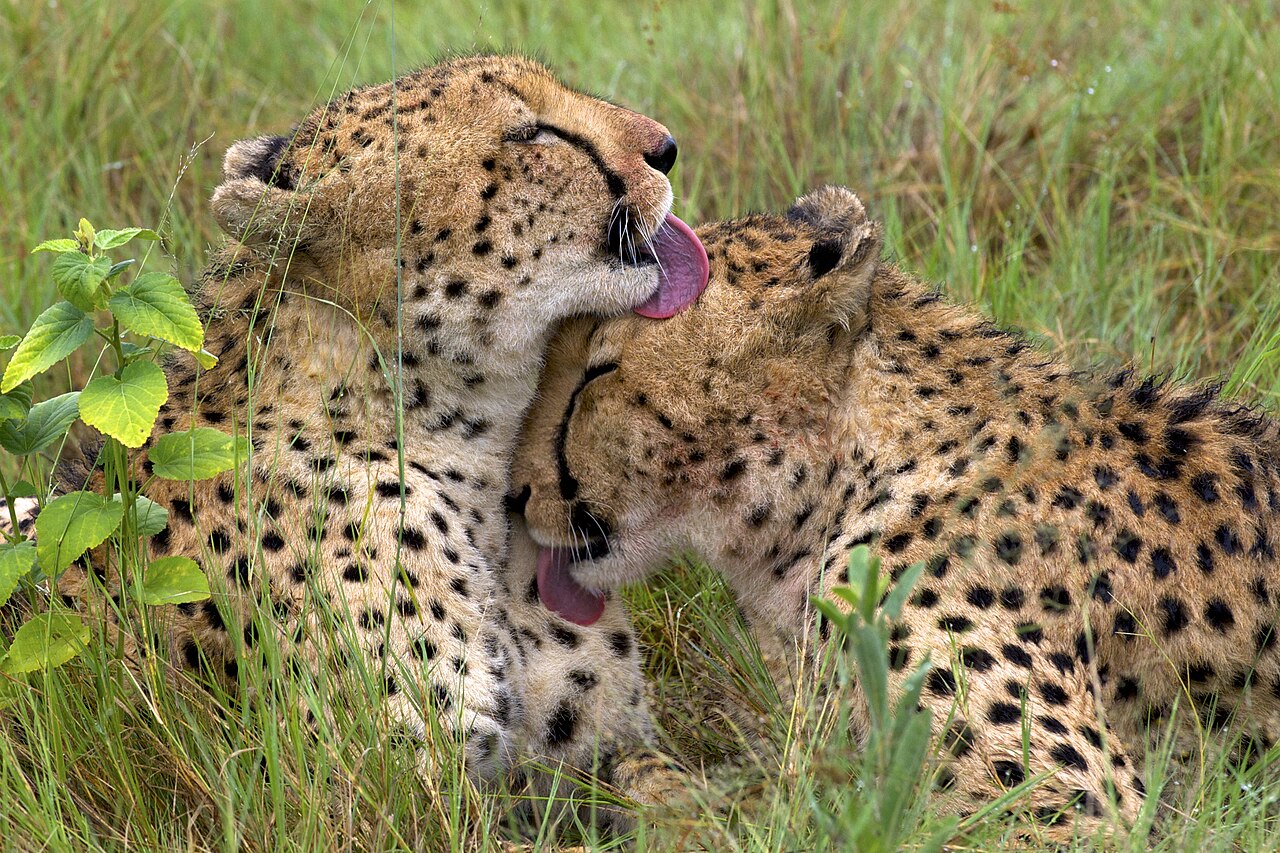
The cheetah is special because it is the fastest land animal over a short sprint. The Cheetah Conservation Fund credits a light frame, a flexible spine, long legs and enlarged nasal passages and lungs for that speed. Its long tail works as a rudder in sharp turns, and its claws grip the ground like cleats.
The Smithsonian’s National Zoo profiles the species as a cat of open grassland and savanna, built for acceleration and quick changes of direction rather than for strength.
Cheetah vs leopard differences run deeper than the spots. The leopard is the heavier, stronger climber of the two.
Frequently Asked Questions
What is the strongest spiritual animal?
There is no objective ranking of spiritual animals. Physical strength does not give an animal spiritual priority, and each tradition or personal framework weighs animals by its own values. The cheetah stands out for focus and timing, the lion for steady authority, and neither outranks the other outside the framework you choose.
What zodiac is a cheetah?
The cheetah has no standardized association in the Western or Chinese zodiac. It is not one of the twelve signs of the Western zodiac, and it is not one of the twelve animals of the Chinese zodiac, which includes the tiger but no cheetah.
Who is cheetah’s enemy?
Lions and spotted hyenas are major competitors and threats to cheetahs. They can steal cheetah kills, while encounters with them can also endanger cheetahs and their cubs. Cubs face a longer list, because other predators also take young cheetahs left hidden while the mother hunts. None of these animals is evil. They compete for the same food.
What is a cheetah’s weakness?
A cheetah’s weakness is endurance. It holds its top speed for only a short burst, and a failed chase leaves it needing rest before it tries again. Its light build also makes it a poor fighter, so it gives up kills to lions and hyenas rather than risk an injury that would end its hunting.
Why did cheetah turn evil?
The question is about Cheetah, the DC Comics villain who fights Wonder Woman, not the real animal. Priscilla Rich, the first Cheetah, turned on Wonder Woman out of jealousy. Barbara Minerva, the best known version, is an archaeologist whose motive and transformation change from one comic continuity and adaptation to the next.
Do cheetahs live alone?
No, not all of them. Female cheetahs live alone except when raising cubs, which stay with their mother until they can hunt. Males are different. They can form coalitions, often of brothers from the same litter, and hunt and hold ground together. That makes the cheetah a poor symbol of pure solitude.
Sources
- Cheetah Conservation Fund, Cheetah Facts
- Smithsonian’s National Zoo, Cheetah
- Bible Gateway, Habakkuk 1:8 (NIV)
- Bible Gateway, Jeremiah 13:23 (NIV)