Baby Tortoise Care: What to Feed, How Often and Setup
A baby tortoise is a land turtle in its first year or two, and it eats a daily plate of weeds and leafy greens, needs a warm enclosure with UVB light and can outlive the person who buys it. Hatchlings come out of the egg with a soft, high-domed shell and stumpy feet built for walking, not swimming.
Turtles and tortoises differ in habitat and anatomy: tortoises are land-dwelling members of the turtle group. Care depends on species as well as age. Pick the species first, build the enclosure second and buy the animal last.
Feed baby tortoises daily. For grazing species, offer varied weeds and leafy greens, initially enough to cover the shell, then adjust to growth and body condition. Red-footed tortoises need a different diet that includes some fruit and animal matter. All need appropriate warmth, UVB, humidity, calcium and fresh water.
What a Baby Tortoise Looks Like and How It Differs From a Baby Turtle
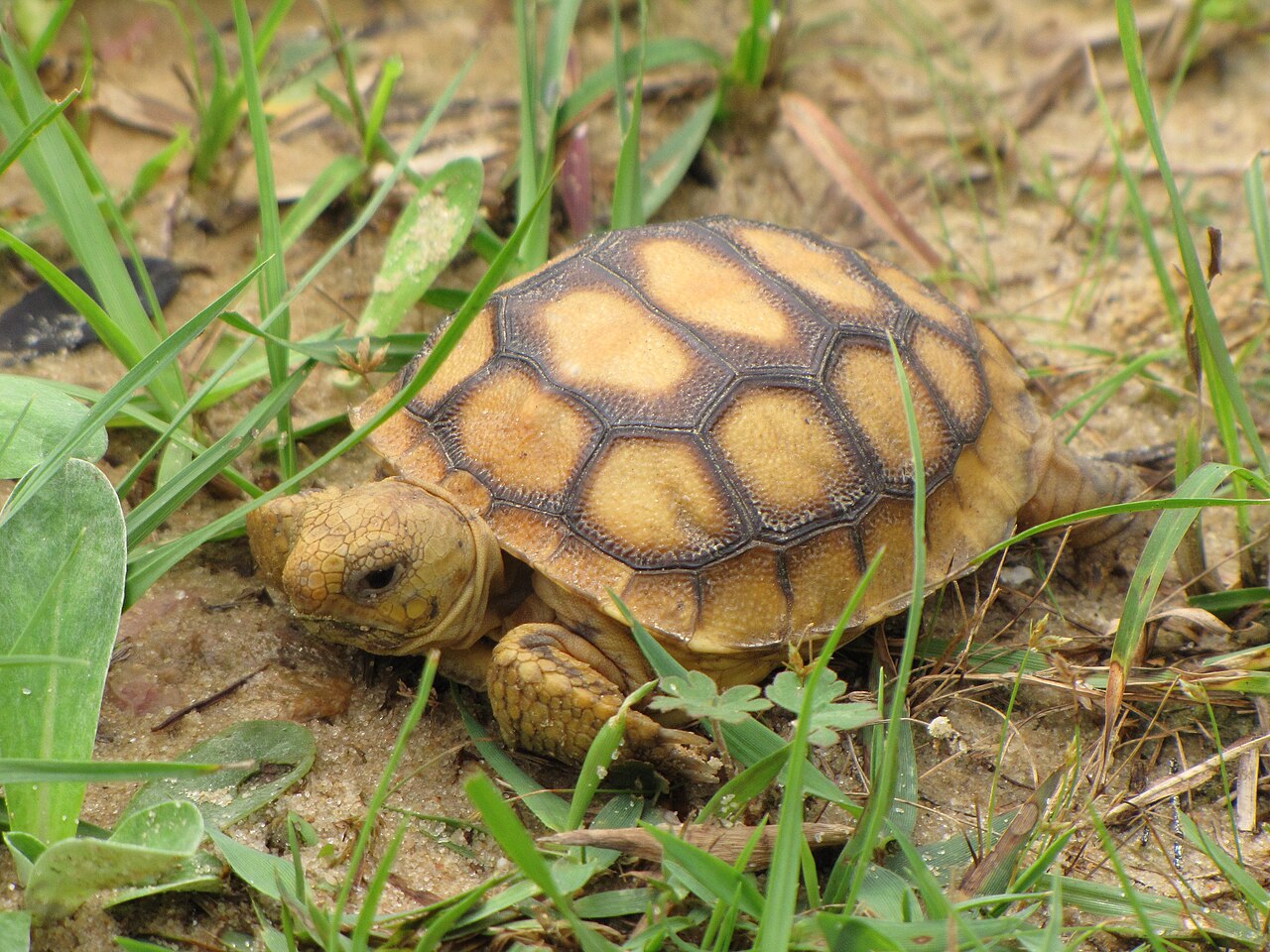
A baby tortoise is called a hatchling, and it looks like a small adult with a softer, higher-domed shell and thick, stumpy legs. Tortoises are turtles that live only on land, so their feet are round and scaly with blunt claws instead of webbed paddles.
Red-eared slider turtles (Trachemys scripta elegans) are aquatic turtles with webbed feet and need a filtered aquatic enclosure with a dry basking area.
Do not house a baby tortoise with an aquatic turtle. Deep water poses a drowning risk to the tortoise.
Are Baby Tortoises Hard to Care For?
Baby tortoises require careful setup and daily care, and mistakes can affect them more quickly than adults. Choose a species that fits your space and climate, then build heat, light and humidity around it. Every day, offer food and fresh water, check the animal and enclosure conditions, remove waste and clean dirty dishes.
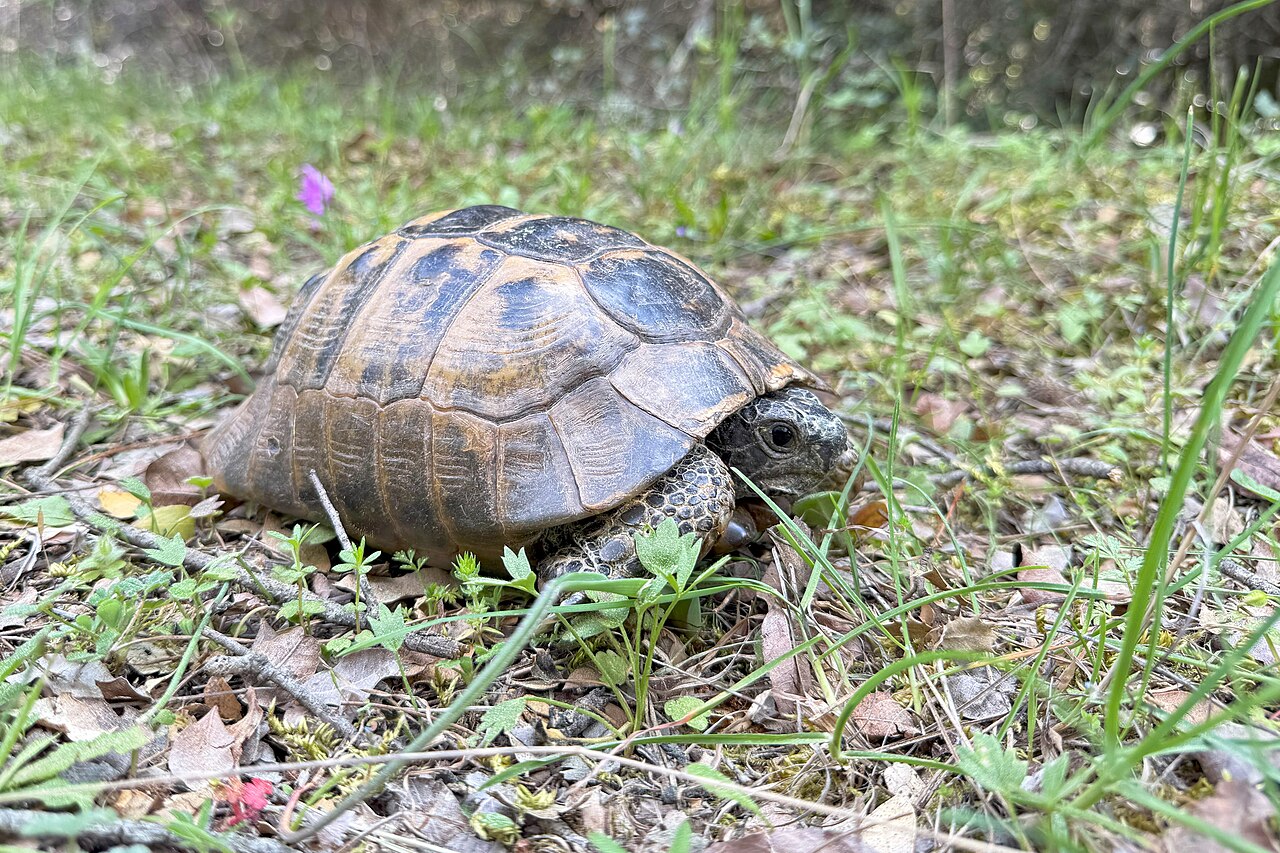
Hermann’s tortoises (Testudo hermanni) stay small and calm, and they are one of the best first species for a beginner.
Russian tortoises (Testudo horsfieldii) are the other classic starter species, hardy, small and active. The money goes into the setup, not the animal. A tortoise table, a basking lamp, a UVB tube, a thermometer and a timer typically cost more than a captive-bred baby of a starter species. Large species need a heated shed and an outdoor pen within a few years.
| Species | Native climate | Humidity need | Adult size | Beginner fit |
|---|---|---|---|---|
| Hermann’s (Testudo hermanni) | Mediterranean scrub | Ventilated enclosure with a moist hatchling hide | Small | Very good |
| Russian (Testudo horsfieldii) | Central Asian steppe | Ventilated enclosure with a moist hatchling hide | Small | Very good |
| Greek (Testudo graeca) | Mediterranean and North African hills | Varies by origin; provide a moist hatchling hide | Small | Good |
| Leopard (Stigmochelys pardalis) | East and southern African grassland | Moderate | Large | Fair |
| Red-footed (Chelonoidis carbonarius) | South American forest | High | Medium | Fair, humidity is the challenge |
| Sulcata (Centrochelys sulcata) | African Sahel savanna | Moderate as a baby | Very large | Poor, needs a yard |
How Many Years a Pet Tortoise Lives
A pet tortoise typically lives 50 to over 100 years, depending on the species and the care it gets. Small Mediterranean species and large African species both reach ages that outlast most other pets. Sulcata tortoises belong to the long-lived giants, and a hatchling bought today still needs a home decades from now.
Early husbandry affects long-term health. Inadequate UVB and calcium can weaken bones and the shell. Pyramiding involves abnormal shell growth and has several contributing factors, including humidity and nutrition. Persistent or increasing shell softness, poor appetite or abnormal growth should be assessed by a reptile veterinarian.
A tortoise is a family decision. Decide now who takes the animal if you move, retire or fall ill.
Baby Tortoise Enclosure: Heat, Light, Humidity and Substrate
A baby tortoise needs a species-appropriate enclosure with a basking area, UVB, hides, fresh water and suitable humidity. For Hermann’s and Russian hatchlings, a typical basking temperature is about 95°F (35°C), with a cool end around 68°F (20°C). Measure temperatures at the animal’s level. Choose UVB equipment and mounting distance for the species and fixture; a 5.0 or 10.0 label alone does not establish adequate exposure. Use a timer for daytime lighting and thermostatic control for compatible heat sources.
Humidity targets depend on species and age. Greek hatchlings typically benefit from a localized humid hide around 50 to 70 percent relative humidity. Red-footed tortoises typically need an enclosure around 70 to 90 percent. Hermann’s and Russian hatchlings also need moist retreats; sulcata and leopard babies should not be raised in uniformly dry conditions. Measure humidity at the animal’s level.
Red-footed tortoises (Chelonoidis carbonarius) need a warm, humid setup with moisture-retaining substrate such as coco coir or cypress mulch. Keep it damp rather than waterlogged. For Mediterranean hatchlings, use a suitable soil-based digging substrate with moisture below the surface and a moist hide.
An open wooden table can suit Mediterranean hatchlings, but humid forest species may need a more enclosed, ventilated setup to retain moisture and warmth. Avoid an unmodified fish aquarium. Check the temperature gradient and airflow, and use opaque lower walls. Add hides, an easily exited shallow water dish and a flat feeding stone.
What to Feed a Baby Tortoise at Home
For baby Hermann’s and Russian tortoises, offer varied edible weeds and leafy greens such as dandelion, plantain, mallow, endive and escarole. Use clover sparingly. Sulcata and leopard tortoises also need suitable grasses. Red-footed tortoises require a different diet that includes some fruit and animal matter. Only feed plants you can identify as safe.
Calcium keeps the shell hard. Dust the greens with a plain calcium powder several times a week and leave a piece of cuttlebone in the enclosure for the baby to nibble. Fruit is an occasional treat for forest species like red-footed tortoises and has no place in the diet of Mediterranean and steppe species.
Leopard tortoises are strict grazers, and their diet leans even more toward grasses and weeds than that of the small species.
Spinach binds calcium through its oxalates, and iceberg lettuce fills the stomach with water and little else. Dog food, cat food, bread, dairy and other processed food do not belong in a tortoise’s bowl. Plants from a garden center may carry pesticides, so pick weeds from an untreated lawn instead.
How Often to Feed a Baby Tortoise
Feed a baby tortoise every day. For grazing species, enough loosely spread greens to cover the shell is a rough starting portion, not a fixed requirement. Adjust it using weight records, growth and body condition. Offer food after the baby has had access to its basking area, away from the hottest spot.
Adult feeding schedules depend on species, activity and body condition; daily feeding can be appropriate. Do not automatically introduce fasting days as a baby grows.
Aim for steady growth on an appropriate diet. Pyramiding has several contributing factors, including humidity and nutrition, and is not proof of weak bones.
Soaking and Hydration
Baby Mediterranean tortoises typically benefit from a supervised daily soak in shallow, lukewarm water. Keep the head clear and never leave the baby unattended. Adapt the routine to the species and veterinary advice.
Sunken eyes or unusually hard urates can indicate a problem. Check water access, temperature and humidity, and contact a reptile veterinarian. Flaking skin can be normal shedding, and pale urates alone do not establish dehydration.
Between soaks a shallow water dish is enough. A deep bowl or a pool is a trap for a baby that flips onto its back.
Handling a Baby Tortoise and Leaving It Alone for a Week
Handle a baby tortoise rarely, because being lifted off the ground stresses it and it has no way to tell a hand from a predator. Tortoises tolerate a gentle scratch on the shell and some lean into it, but they do not seek cuddles. Pick it up only to soak, weigh or move it.
Wash your hands after every contact. The CDC reports that pet turtles of any size can carry Salmonella in their droppings even when they look healthy and clean, and tortoises belong to the turtle order. Half of the people sickened in a recent turtle-linked outbreak were children younger than 5. Children younger than 5 should not touch the tortoise or its enclosure. Nobody should kiss it or handle it near food.
A baby tortoise cannot be left alone for a week. It needs fresh greens every day, and a failed lamp in an empty house leaves it cold and refusing food. Put the lights on a timer and ask a sitter to feed it and check the temperatures daily.
Buying a Baby Tortoise: Species, Legality and Cost
Buy a captive-bred baby tortoise from a breeder who can name the species, the hatch date and the diet of the parents. Wild-caught tortoises arrive stressed and carry parasites. Native species such as the gopher tortoise (Gopherus polyphemus) and the desert tortoise (Gopherus agassizii) are protected and stay in the wild.
Prices vary by species, breeder and location. In the United States, the federal restriction on commercial sale and distribution of turtles with shells under 4 inches explicitly includes tortoises. Its exceptions do not provide a general exemption for commercial pet sales. Check applicable state rules as well.
Frequently Asked Questions
What is the baby of a turtle?
A baby turtle is called a hatchling, whether it is a water turtle or a tortoise. It breaks out of the egg with a small, sharp egg tooth on the tip of its snout, and that tooth falls off within days of hatching. The yolk sac on the belly is absorbed in the same period.
Can my tortoise eat scrambled eggs?
Do not feed scrambled eggs to grazing species such as Hermann’s, Russian or sulcata tortoises. Their diet should be plant-based, and butter, milk and salt are unsuitable additions. Red-footed tortoises are an exception to the plant-only rule and can receive limited animal protein under a species-specific feeding plan.
What is a tortoise’s favorite food?
There is no single favorite food shared by all tortoises. Dandelion, hibiscus flowers and spineless prickly pear pads (Opuntia) are useful options in a varied grazing-species diet. Use correctly identified, untreated plants and remove any remaining spines or glochids from cactus pads before feeding.
Do baby tortoises need UVB?
Yes. A baby tortoise needs UVB light to make vitamin D3 and use the calcium in its food. Without UVB and calcium the shell grows soft and deformed, and the bones weaken. Replace the UVB tube on the schedule the maker gives, since its output fades long before the light looks dim.
Do baby tortoises hibernate?
Some species can hibernate even as hatchlings, but beginners should keep Mediterranean babies active through winter with appropriate heat and lighting. Do not start winter dormancy without a reptile veterinarian’s assessment and a species-specific plan. Sulcata, leopard and red-footed tortoises do not hibernate. Reduced activity or appetite also warrants a health check.
Can a baby tortoise carry Salmonella?
Yes. Any turtle, tortoises included, can carry Salmonella germs in its droppings even when it looks healthy and clean. People get sick by touching the animal or anything in its enclosure and then touching their mouth or food. Wash your hands with soap and water after every contact and every cleaning session.
Sources