What Eats Mountain Lions? Predators, Rivals and Real Risks
Adult mountain lions have no regular predator, but wolves, bears, jaguars and other cougars can kill them. Jaguars have also been documented eating pumas. Kittens are more vulnerable than adults.
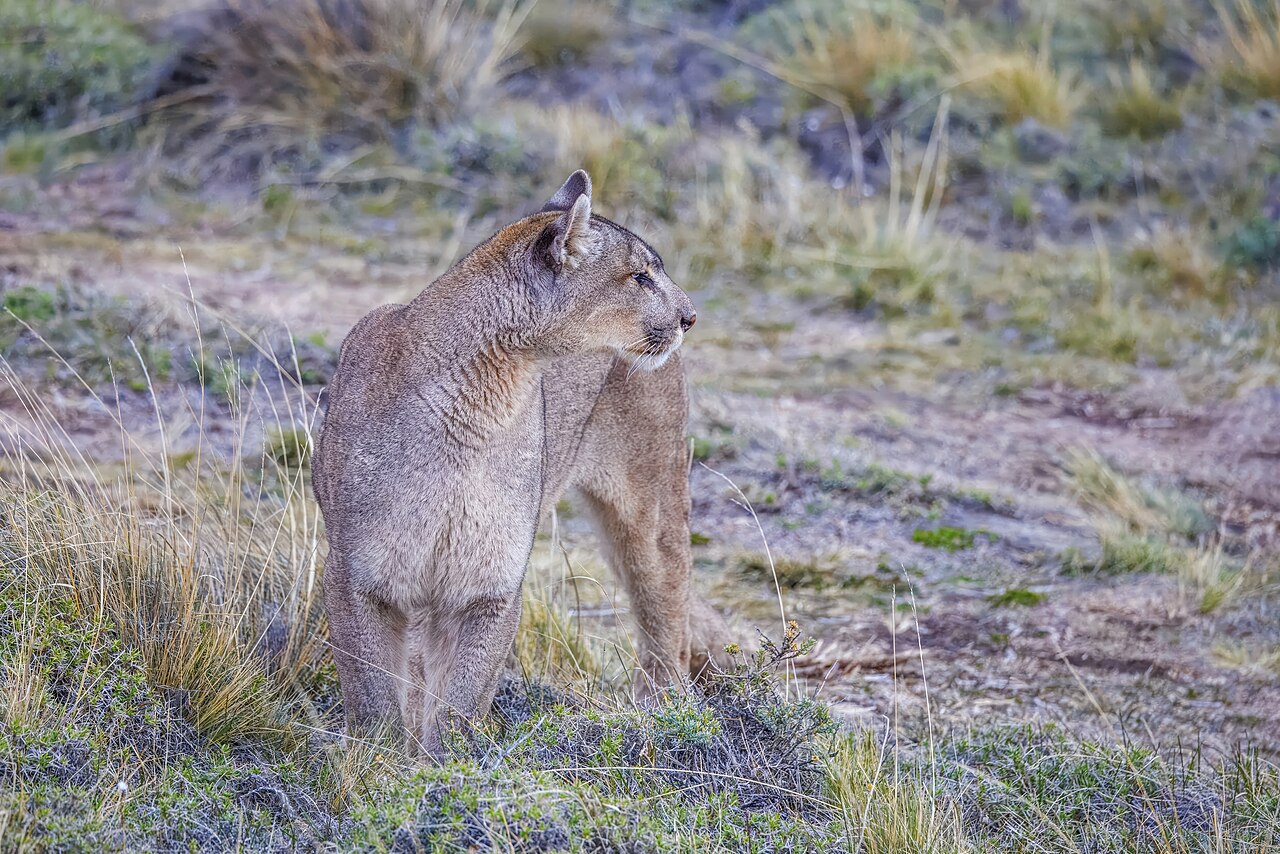
The mountain lion (Puma concolor) sits at the top of its food chain across most of its range. Its biggest threats are cars, habitat loss and conflict with humans. That makes the practical question for most readers a different one: how to keep a cat away from your home, pets and livestock.
Adult mountain lions have no regular predator. Wolves, bears, jaguars and other cougars can kill them, and kittens are more vulnerable. People also kill cougars through hunting, conflict and vehicle collisions. No smell, spice or dog breed reliably prevents encounters; secure enclosures and keeping pets indoors reduce risk.
| Animal | Relationship to mountain lions | Main risk |
|---|---|---|
| Gray wolf | Rival and occasional killer | Packs drive cats off kills and kill some adults and kittens |
| Grizzly bear | Rival scavenger | Takes over carcasses, rarely kills a cat |
| Black bear | Kill thief | Steals cached prey, threat to kittens |
| Other mountain lions | Same species | Territorial males kill rivals and unrelated kittens |
| Jaguar | Rival and occasional predator in shared range | Documented killing and eating of pumas |
| Humans | Main threat | Vehicles, hunting, depredation removal, habitat loss |
What animals kill or eat mountain lions?
Wolves, bears, jaguars and other mountain lions can kill cougars, and some also eat them. Jaguars have been documented killing and eating pumas. These are occasional events rather than routine hunting of cougars.
Gray wolves (Canis lupus) are the most important rival in the northern Rockies. A pack outnumbers a solitary cat, takes over its kills and sometimes kills the cat itself, especially kittens found at a den. Coyotes and wolves differ sharply here, since a coyote steals scraps but poses no danger to a grown cougar.
Bears play a different role. Black and grizzly bears eat a lot of carrion, and a mountain lion kill is an easy meal. A bear pushes the cat off the carcass and the cat loses the calories it worked for. Bears rarely kill adults but will kill kittens. Adult male cougars can kill unrelated kittens and other adult males, making conflict within the species another serious threat.
What do mountain lions eat, and how do they hunt?
Mountain lions eat deer, elk, bighorn sheep and smaller animals such as raccoons, porcupines and coyotes, with their main prey varying by region. They hunt by ambush. The cat stalks close under cover, then rushes and bites the neck. After a kill it drags the carcass to a hidden spot and covers it with leaves and dirt. It returns to feed over several days. That cache is exactly what wolves and bears find and steal, which is why competition at carcasses matters more than predation.
Where are mountain lions found?
Mountain lions live from western Canada to the southern Andes, the widest range of any wild land mammal in the Western Hemisphere. In the United States, breeding populations live mainly in the West, with the endangered Florida panther in south Florida. They use deserts, chaparral, conifer forests, mountains and swamps. Young males travel long distances, and those dispersers explain rare sightings far east of the core range.
What should you do during a mountain lion encounter?
Stand your ground and never run. Running can trigger pursuit. Keep pets close and pick up small children if you can do so without crouching, bending over or turning your back on the cat. Make yourself look bigger, keep eye contact, speak loudly and back away slowly. If the cat attacks, fight back with rocks, sticks or bare hands. The National Park Service mountain lion page for the Santa Monica Mountains gives the same advice. No dog breed offers reliable protection, and a dog that runs ahead can draw a cat toward you.
Are pumas, cougars and mountain lions the same animal?
Yes, puma, cougar and mountain lion all name one species, Puma concolor. Panther also refers to this species in parts of the United States, especially Florida, but has other meanings elsewhere. It is the second largest cat in the Americas after the jaguar. Adults measure 5 to 8 feet from nose to tail tip, with males larger than females. Mountain lion tracks show four toes, a heel pad with three rear lobes and no claw marks.
Mountain lion scat is segmented and is often partly buried under scraped soil.
Do mountain lions roar, and how do they communicate?
No, mountain lions cannot roar. Mountain lion sounds include purrs, hisses, growls, chirps and loud screams, particularly from females in heat. Cats also communicate through scent marks, scraping piles of dirt and leaves, depositing urine and marking trees with claws. Males hold large territories that overlap several female ranges, and the scrapes tell other cats who already lives there.
Are mountain lions endangered?
No, not as a species. The IUCN lists Puma concolor as Least Concern worldwide. Regional status differs. The Florida panther is federally endangered, and the eastern cougar was removed from the endangered list because it is extinct. In southern California, freeways cut populations into small islands where inbreeding and road deaths are real threats. Hunting rules also vary by state, so global status says little about a local population.
Frequently Asked Questions
What do Mexicans call mountain lions?
Mexican Spanish speakers call the mountain lion puma or león de montaña. In some northern regions león on its own means the puma.
Can a dog protect you from a mountain lion?
No. No dog breed reliably protects people from mountain lions. Cougars kill dogs, and a dog that chases a cat can return with it close behind. Livestock guardian dogs should not be relied on as protection against cougars. On trails, keep dogs close on a short leash.
Can a black panther beat a mountain lion?
No, not reliably. Black panther means a melanistic jaguar or leopard, and no confirmed black mountain lion has been documented. Jaguars kill and eat pumas where their ranges overlap, but size and circumstances decide any single fight.
Do spices or smells keep mountain lions away?
Spices and smells do not keep mountain lions away, so skip cayenne, garlic, ammonia and predator urine. Motion lights only discourage a cougar briefly. Clear dense brush near the house, keep pets indoors and secure livestock in sturdy, roofed enclosures at night to reduce opportunities for ambush and access to domestic prey.
Do mountain lions eat coyotes?
Yes. Mountain lions kill and eat coyotes, and they also kill them as competitors at carcasses. Coyotes still follow cougars to scavenge leftovers from cached deer. The relationship runs one way, since a coyote cannot kill a healthy adult mountain lion and avoids a cat guarding its kill.
Sources
- National Park Service, Santa Monica Mountains, Mountain Lions
- California Department of Fish and Wildlife, Mountain Lion
- Animal Diversity Web, University of Michigan, Puma concolor
Explore more: What Eats What: The Backyard Food Chain Explained