Baby Otter: Development, Diet & What to Do
A baby otter, called a pup or sometimes a kit, is born blind, toothless, and almost entirely helpless, whether it is a river otter born in a den on land or a sea otter born directly into the ocean. Both types depend completely on their mother for months, and their development follows very different paths shaped by where they are born. This guide covers what baby otters look like, how river and sea otter pups develop differently, what they eat at each stage, and what to do if you encounter one that appears to be alone.
| Milestone | River otter kit | Sea otter pup |
|---|---|---|
| Birth weight | ~4 to 5 oz (130g) | ~4.5 to 5 lb (2 to 2.3 kg) |
| Eyes open | Around 1 month | Open at birth |
| First swims | Around 2 months | Around 4 weeks |
| Weaned | ~14 weeks | 6 to 8 months |
| Independent | ~1 year | ~6 months |
How Many Otter Species Exist and Where
Thirteen otter species exist worldwide, ranging from the North American river otter, found across most of the United States and Canada near streams, lakes, and coastlines, to giant otters of South America and the various Old World species found across Europe, Africa, and Asia. Despite this diversity, nearly all otter species share the same broad reproductive pattern of altricial (helpless) young cared for intensively by the mother for months, though the specific timeline and habitat details, den-based versus fully aquatic birth, vary by species in the ways covered throughout this guide.
What Does a Baby Otter Look Like?
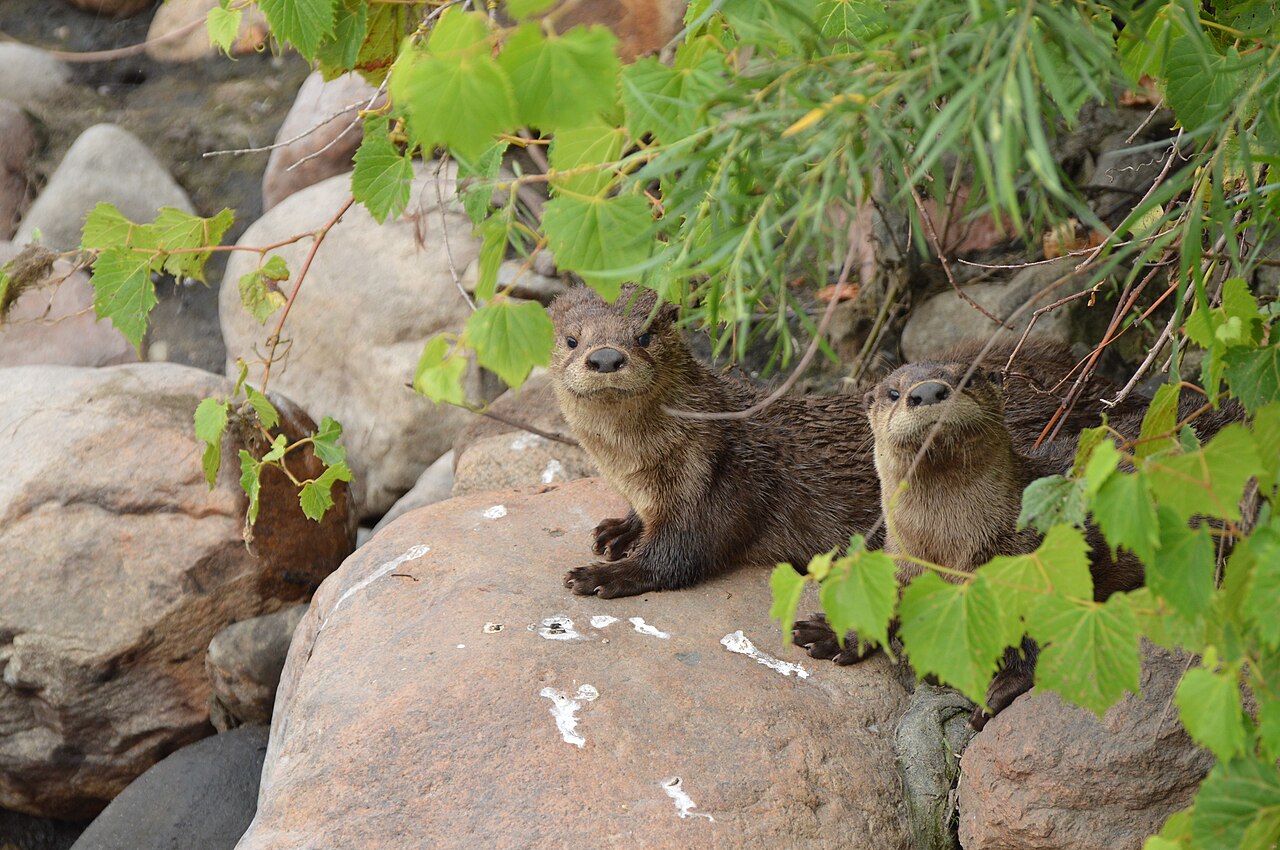
Freshwater otter pups are born genuinely helpless: blind, toothless, and barely able to move, weighing only around 4 to 5 ounces at birth. Sea otter pups are strikingly different and considerably more developed, born with their eyes already open, first teeth emerging, and a full, extremely dense coat of buoyant fur, weighing several pounds at birth rather than a few ounces. This difference reflects where each is born: a river otter kit stays safe in a dry den while it finishes developing, while a sea otter pup is born directly into open water and needs to float and survive from its very first hour of life, which demands a much more advanced starting point.
River Otter Kit Development
River otter kits are born in a protected den, called a holt, and spend their first weeks nursing and sleeping while blind and essentially immobile. Their eyes open at around one month, and mothers begin actively introducing them to water around the two-month mark, often nudging or physically guiding a reluctant kit into the water for its first swimming lessons, since river otter young do not take to water instinctively the way sea otter pups do. Weaning is largely complete by about 14 weeks, though kits continue receiving guidance and protection from their mother for close to a full year, learning to hunt fish, frogs, and crayfish before becoming fully independent.
Sea Otter Pup Development
Sea otter pups spend their earliest weeks floating on the surface, largely because their extraordinarily dense fur, the thickest of any mammal, traps enough air to make diving physically impossible until they grow older and heavier. A mother sea otter nurses her pup while both float on their backs, often wrapping the pup in strands of kelp to keep it from drifting away while she dives for food, and if she senses danger, she will grab the pup by loose neck skin and dive to safety together. Pups begin attempting to swim and dive around four to six weeks old, gradually building the diving stamina and foraging skills needed for adulthood, with full independence typically reached around six months, considerably faster than the roughly one-year timeline for river otter kits, a faster path to independence shared with some other quick-maturing young wildlife like insect nymphs, even though the two could hardly be more different biologically.
Where Do Otters Live in North America?
North American river otters range across most of the United States and Canada wherever there is reliable access to clean rivers, lakes, marshes, or coastline, and their presence often overlaps with other water-associated wildlife that people encounter far more frequently, such as the fish populations otters depend on for food. Sea otters, by contrast, are restricted to a much narrower coastal Pacific range, historically decimated by fur hunting and now recovering in specific protected areas along the North American west coast.
What Do Baby Otters Eat?
All otter pups nurse exclusively on their mother’s milk for the earliest part of life; river otter milk runs notably rich at around 24 percent fat, and pups nurse every 3 to 4 hours for 10 to 15 minutes at a time during the densest nursing period. As pups grow, solid food is introduced gradually: river otter kits typically take their first solid food around the two to three month mark alongside continued nursing, while giant otter pups begin eating solid food slightly later, around three to four months. Once weaned, young otters eat the same general diet as adults, though initially in smaller portions and easier-to-handle prey: fish, crustaceans, amphibians, and shellfish for freshwater species, and similar prey plus techniques like using rocks to crack open shells for sea otters, a skill young pups practice extensively before mastering it.
What to Do If You Find a Baby Otter Alone
According to the RSPCA, if you see an otter cub alone, watch from a distance first rather than intervening immediately. If its eyes are still closed, it is too young to be above ground on its own and needs immediate help from wildlife professionals; do not attempt to rescue or handle it yourself. If the cub’s eyes are open and it appears alert and healthy, the recommended approach is to leave the area and check back after at least 24 hours or overnight, since a mother otter is very likely still nearby foraging and may return once the area is quiet again. Only if the pup remains alone after that waiting period, or shows clear signs of injury or distress, should you contact a wildlife rehabilitator, and even then, otters can deliver a serious bite, so handling should always be left to trained professionals.
Otter Species Differences in Pup Care
Beyond the broad river-versus-sea otter divide, different otter species show real variation in pup care details. Giant otter pups, for instance, take their first solid food slightly later than typical river otters, around three to four months rather than two to three, and giant otters are also unusual among otters for their strongly social family groups, where older siblings often help care for and protect younger pups rather than the mother managing everything alone. Clawless otter pups follow a broadly similar but distinctly timed pattern, opening their eyes around 40 days and taking their first swim around nine weeks, illustrating that even within the same general otter body plan, developmental timing is genuinely species-specific rather than following one universal otter timeline.
Are Baby Otters Dangerous to Approach?
Baby otters themselves are not aggressive, but the caution around handling them is genuine rather than overly cautious: otters of any age can deliver a surprisingly sharp, forceful bite if they feel threatened or cornered, and they can carry parasites and, in some regions, rabies like many wild mammals. Approaching a pup also risks provoking a defensive response from a nearby mother, who will aggressively protect her young against anything she perceives as a threat. Wildlife organizations consistently recommend observing from a distance with binoculars or a camera rather than approaching, both to avoid injury and to prevent stressing the pup or disrupting the mother’s normal foraging routine, similar caution recommended around other protected wildlife such as young mammals found seemingly alone.
Otters as Predators and Their Place in the Food Web
Adult otters are skilled aquatic predators capable of eating up to a kilogram of food a day, primarily fish, shellfish, and crustaceans, along with occasional small mammals, amphibians, and birds depending on species and habitat. This predatory role makes healthy otter populations a genuine indicator of clean, well-functioning waterways, since otters are sensitive to the same pollution and habitat degradation that affects the fish populations they depend on; their decline and later recovery in parts of the UK, driven by historic pesticide use and its later ban, is a well-documented example of this connection. Learning to hunt these prey species is the core skill young otters spend most of their first year, or six months for sea otters, mastering under their mother’s guidance.
Otter Pup Names and Terminology
Baby otters are most commonly called pups across nearly all otter species, including both the North American river otter and the sea otter, though “kit” is also widely used, particularly for river otters, reflecting the term’s shared use across the broader weasel family that otters belong to. Litters typically contain one to three young for most species, though sea otters almost always have just a single pup at a time, since caring for more than one simultaneously in open water is genuinely difficult for a mother otter to manage successfully, a litter-size constraint shaped by habitat in much the way it is for other semi-aquatic and burrow-denning mammals like raccoons.
Related reading: Baby Rabbit.
Frequently Asked Questions
What is a baby otter called?
Baby otters are most commonly called pups, a term used across nearly all species including river and sea otters. Kit is also widely used, especially for river otters, reflecting their place in the weasel family.
What do baby otters eat?
Otter pups nurse exclusively on their mother’s milk at first, then gradually transition to solid food starting around two to four months old, eventually eating the same fish, crustaceans, and amphibians as adults.
How long do baby otters stay with their mother?
River otter kits typically stay with their mother for about a year, learning to hunt and swim. Sea otter pups become independent faster, usually around six months, though nursing itself can last six to eight months.
What should I do if I find a baby otter alone?
Watch from a distance first. If its eyes are closed, contact wildlife professionals immediately. If its eyes are open and it looks healthy, leave the area and check back after 24 hours before assuming it needs help.
Are baby otters born able to swim?
No, not initially. River otter kits are not introduced to water until about two months old and often resist at first. Sea otter pups can float almost immediately due to their dense fur but cannot dive until several weeks old.
Can baby otters be dangerous?
Otters of any age can deliver a surprisingly forceful bite and may carry parasites or, in some regions, rabies. A nearby mother may also act defensively, so observation from a distance is always recommended over handling.
How big are baby otters at birth?
River otter kits weigh only about 4 to 5 ounces at birth and are blind and helpless. Sea otter pups are far more developed, weighing 4.5 to 5 pounds at birth with their eyes already open.
Understanding these species-specific timelines is genuinely useful beyond simple curiosity, since wildlife rehabilitators and researchers rely on exactly this kind of developmental benchmark to assess an individual pup’s age and health status accurately, the same way a veterinarian might assess a young reptile against known growth milestones for its species, or a keeper might track a young pet‘s growth toward its adult size over its first year.
Whether the animal in question is a river otter kit, a sea otter pup, or any other young wild mammal, the guiding principle stays the same: observe carefully, intervene only when genuinely necessary, and always defer to trained wildlife professionals for anything beyond simple, cautious observation from a distance.