Are Possums Dangerous? Rabies, Bites, Pets, and Real Risks
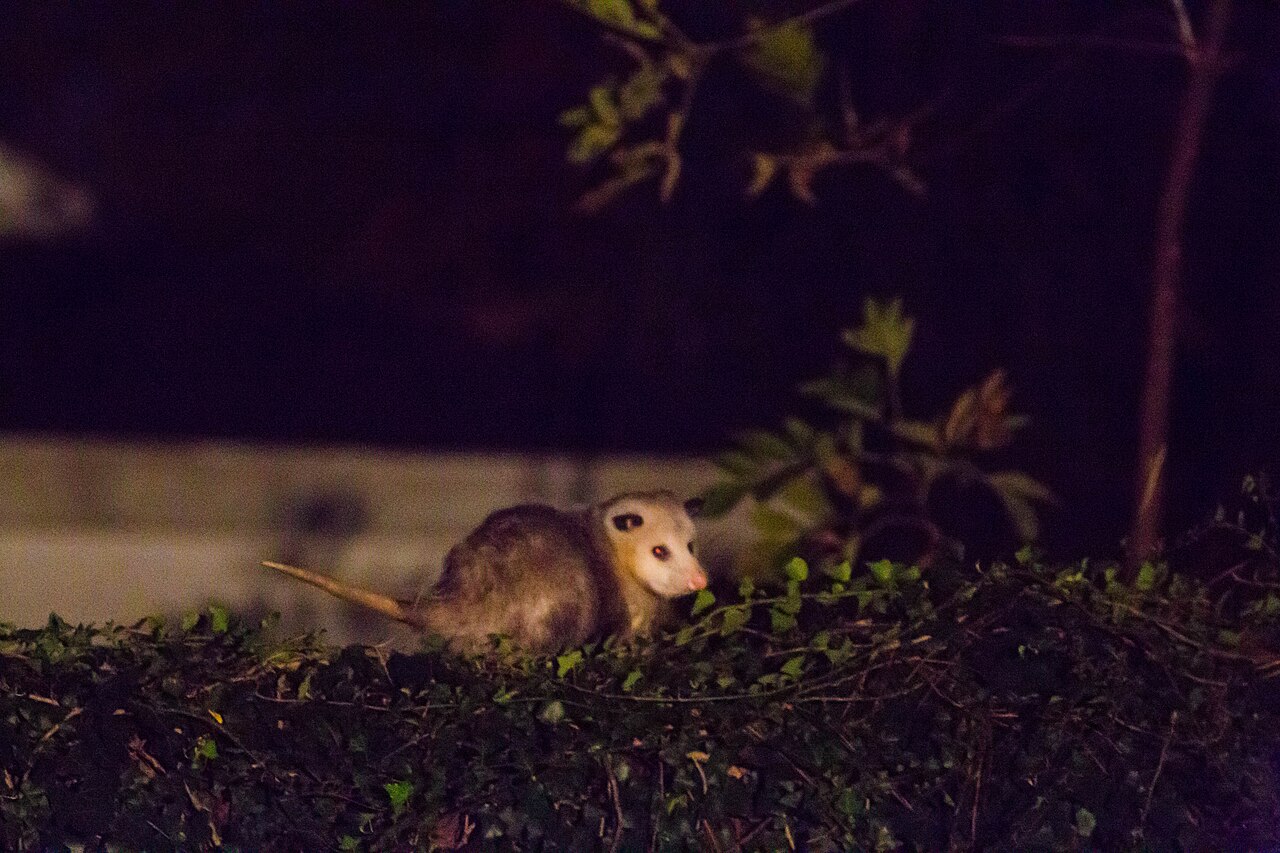
Possums are not dangerous to humans in any practical sense. The Virginia opossum, the only marsupial native to North America, is a slow, non-aggressive scavenger that would rather freeze, hiss, or collapse into a fake death than fight anything. Bites are rare and almost always the result of someone grabbing or cornering the animal, and confirmed rabies cases in opossums are extraordinarily uncommon because their body temperature is too low for the virus to establish easily.
That said, dangerous is not the same as harmless. A possum in your yard can carry fleas and ticks, spread bacteria through its droppings, raid a chicken coop, and pose a real problem for horse owners through a parasite it sheds in its waste. This guide separates the genuine risks from the folklore, covering rabies, diseases, bites, threats to dogs, cats, and poultry, and what to do when one shows up on your porch.
| Quick Facts | Possum Risk Profile |
|---|---|
| Danger to humans | Very low, no unprovoked attacks documented |
| Rabies risk | Extremely rare, body temperature of 94 to 97 F limits the virus |
| Typical defense | Hissing, drooling, then playing dead (thanatosis) |
| Real risks | Fleas and ticks, leptospirosis, salmonella, EPM in horses |
| Risk to poultry | Moderate, will take eggs and young chicks |
| Risk to healthy dogs and cats | Low, usually avoids confrontation |
Are Possums Dangerous to Humans?
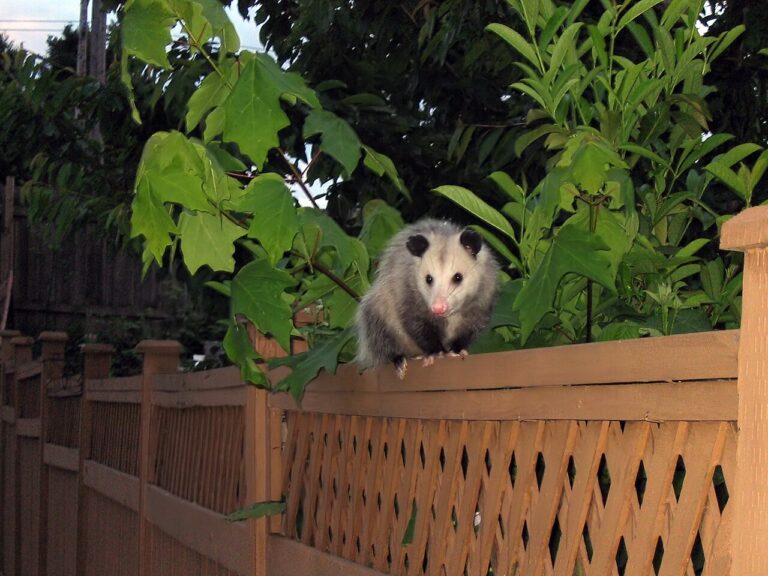
No. There are no documented cases of a healthy opossum attacking a person unprovoked, and wildlife agencies across the United States consistently categorize them as nuisance animals rather than threats. Their entire behavioral repertoire is built around avoidance. An opossum that notices you will almost always freeze, back away slowly, or climb the nearest fence rather than advance.
The confusion comes from the threat display, which looks far more alarming than it is. A cornered opossum opens its mouth wide to show all 50 teeth, hisses, growls, and drools heavily. This is pure bluff, an attempt to convince a predator that the animal is too much trouble to bother with. If the bluff fails, the opossum does not escalate. It collapses.
Physically they are poorly equipped for aggression anyway. An adult Virginia opossum weighs 4 to 14 lb, moves at a top speed of roughly 4 mph, has weak jaw muscles despite the impressive tooth count, and has no defensive weaponry comparable to a raccoon’s claws or a skunk’s spray. Anyone comparing backyard visitors will find the risk profile far lower than that of a raccoon or a coyote.
Do Possums Carry Rabies?
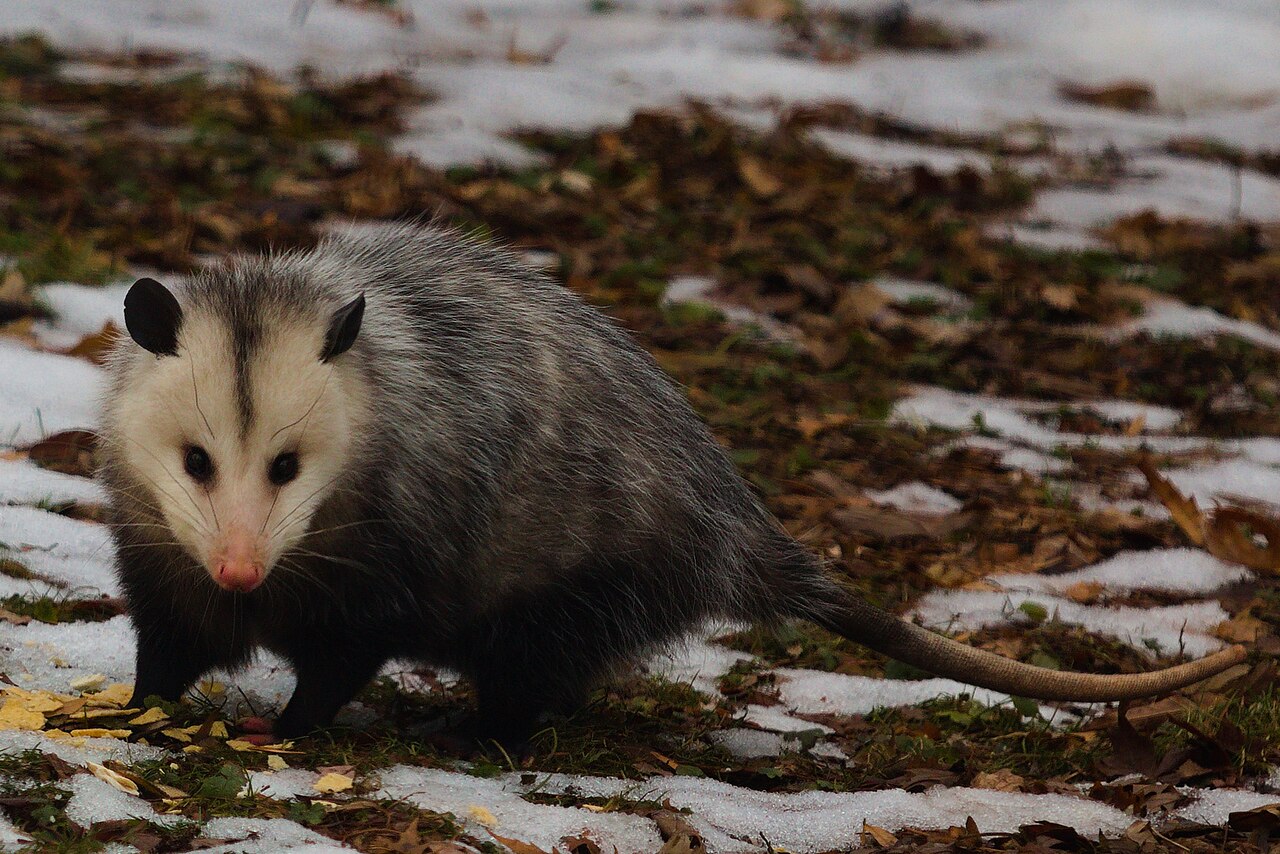
Rabies in opossums is exceptionally rare, and the reason is biological rather than behavioral. Opossums maintain a body temperature between roughly 94 and 97 F, several degrees below that of most mammals, and the rabies virus replicates poorly at those temperatures. The CDC (cdc.gov) lists raccoons, skunks, bats, and foxes as the main wildlife reservoirs of rabies in the United States, and opossums do not appear among them.
Rare is not the same as impossible. Opossums are mammals, and a small number of infected animals have been confirmed over the decades, so no wild mammal bite should ever be dismissed without medical evaluation. If an opossum bites you or your pet, wash the wound thoroughly with soap and water and contact both your physician and your local health department, which will decide whether post-exposure treatment is warranted.
The behaviors people read as rabies in opossums are usually normal. Drooling and foaming at the mouth are part of the standard bluff display. Daytime activity, often cited as a rabies warning sign in other species, is common in opossums during cold weather or when a mother is feeding young. Genuinely concerning signs would be aggression toward a moving person, circling, seizures, or paralysis.
Diseases Possums Can Carry
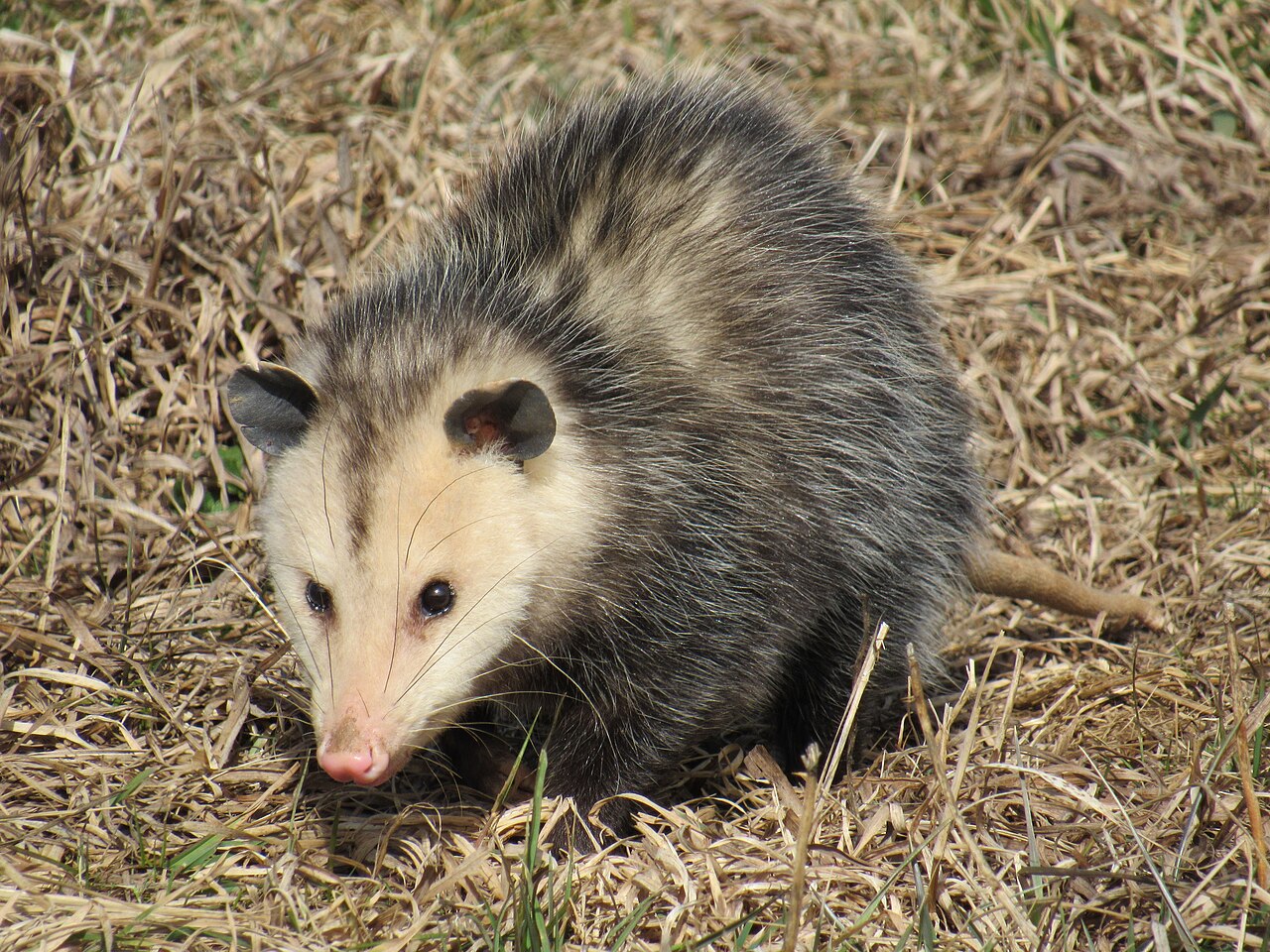
The realistic disease risk from opossums runs through their droppings and their parasites rather than through bites. Leptospirosis, a bacterial infection spread in urine, can infect people and dogs through contaminated water or soil. Salmonella occurs in opossum feces, as does the risk of tularemia and various intestinal parasites. None of these require contact with the animal itself, only with what it leaves behind.
Equine protozoal myeloencephalitis, usually shortened to EPM, is the one genuinely serious concern and it affects horses. Opossums are the definitive host of Sarcocystis neurona, shedding infective sporocysts in their droppings. Horses that eat contaminated hay, grain, or pasture can develop neurological disease that ranges from mild incoordination to permanent damage. Horse owners have a real reason to keep opossums away from feed storage, and it is the single strongest argument for exclusion on any property with livestock.
Fleas and ticks travel with opossums the way they travel with any wild mammal, and they can move into a yard, a dog, or a house. Handling droppings anywhere on your property calls for gloves, a mask if the material is dry and dusty, and thorough handwashing. The same precautions that apply to identifying possum droppings and skunk droppings in the yard apply to cleaning them up.
Do Possums Bite?
They can, but they very rarely do. An opossum’s bite happens almost exclusively when a person picks the animal up, traps it in a confined space with no escape route, or reaches into a place where one is hiding. Even then, the bite is usually a quick defensive snap rather than a sustained attack, and the weak jaw musculature means it seldom causes deep injury.
The 50 teeth are worth understanding because they drive most of the fear. That is more teeth than any other North American land mammal, and a full gape looks genuinely alarming. Those teeth evolved for an omnivorous diet of insects, carrion, fruit, eggs, and small vertebrates, not for defense, and the display exists precisely so the animal never has to use them on anything that fights back.
If a bite does occur, treat it as you would any wild animal bite. Wash immediately with soap and running water for several minutes, apply an antiseptic, and seek medical care to assess infection risk and rabies exposure protocol. Bacterial infection from mouth flora is a more likely complication than rabies, which is true of most mammal bites.
Are Possums Dangerous to Dogs?
For a healthy adult dog, the risk is low. Most encounters end with the opossum playing dead and the dog losing interest, and opossums will not initiate a fight with an animal that outweighs them. A large dog that presses the attack can injure or kill an opossum easily, which makes the dog the more dangerous party in most yard confrontations.
The real risks to dogs are indirect. Fleas and ticks carried by opossums can transfer to a dog that noses one, and leptospirosis can pass through contaminated urine or water sources, which is why the lepto vaccine is recommended in areas with heavy wildlife pressure. A dog that catches and mouths an opossum can also pick up bacteria from the animal or its droppings.
Small dogs and puppies deserve more caution. A cornered opossum defending itself can inflict scratches and bites that matter more on a 6 lb dog than a 60 lb one. The practical advice is to supervise pets at night when opossums are active, clear fallen fruit and spilled seed that draw them in, and keep flea and tick prevention current. The same nighttime awareness applies to other yard visitors, including the ones our guide to coyote sounds helps you identify by ear.
Are Possums Dangerous to Cats?
Opossums and cats frequently ignore each other, and the two often feed from the same outdoor food bowls in sequence without incident. An adult cat is a capable predator with better speed and reflexes, and an opossum’s response to feline attention is the same as it is to anything else. It hisses, then plays dead.
Kittens are a different calculation. An opossum is an opportunistic omnivore that does take small vertebrates, and a very young unattended kitten falls within the range of things it might investigate. This is uncommon rather than typical, but it is a reason to keep kittens indoors overnight in areas with an active opossum population.
Parasite transfer is again the main practical concern. Cats that share outdoor space with opossums can pick up fleas, and both species may be exposed to the same bacteria through shared food and water dishes. Bringing pet food indoors at night removes the shared feeding station that creates most of these contacts in the first place.
Are Possums Dangerous to Chickens and Poultry?
This is where opossums cause genuine damage. They readily take eggs, and they will kill and eat young chicks and occasionally an adult bird, typically at night when the flock is roosting and unable to defend itself. Opossum predation often leaves a partially eaten bird and disturbed bedding, and the animal will return night after night once it identifies a reliable food source.
Prevention is straightforward and mechanical. Secure the coop with hardware cloth rather than chicken wire, which an opossum can tear or push through, and cover any gap larger than about 1 in. Latch doors with two-step closures, because opossums have dexterous front paws and can work a simple hook. Collect eggs daily and store feed in metal containers with tight lids.
Removing the attraction matters as much as the barrier. Spilled feed, fallen fruit, unsecured trash, and pet food left out overnight are what bring an opossum into the yard in the first place. Keepers protecting a flock face the same exclusion problem whether the threat is an opossum, a raccoon, or a hawk, and the fixes overlap heavily.
Playing Dead and Other Behavior That Looks Threatening
Playing possum is not a decision the animal makes. It is an involuntary physiological response called thanatosis, triggered by extreme stress, in which the opossum collapses onto its side, stiffens, drools, lets its tongue hang out, and secretes a foul greenish fluid from its anal glands that smells like decay. The eyes stay open and the breathing becomes almost imperceptible.
The state can last anywhere from a few minutes to several hours, and the animal cannot snap out of it on command. This is why a possum that appears dead in a driveway may simply be in shock, and why moving one requires care and a shovel or a broom rather than hands. Many predators lose interest in prey that appears to be a rotting carcass, which is exactly the point.
The other behaviors people misread are equally benign. Hissing and screeching are warnings, teeth-baring is a bluff, and the slow swaying walk is just how the animal moves. A mother carrying young on her back looks dramatic but is entirely focused on getting away from you, and our guide to the baby possum covers what to do if you find joeys separated from her.
What to Do About a Possum in Your Yard
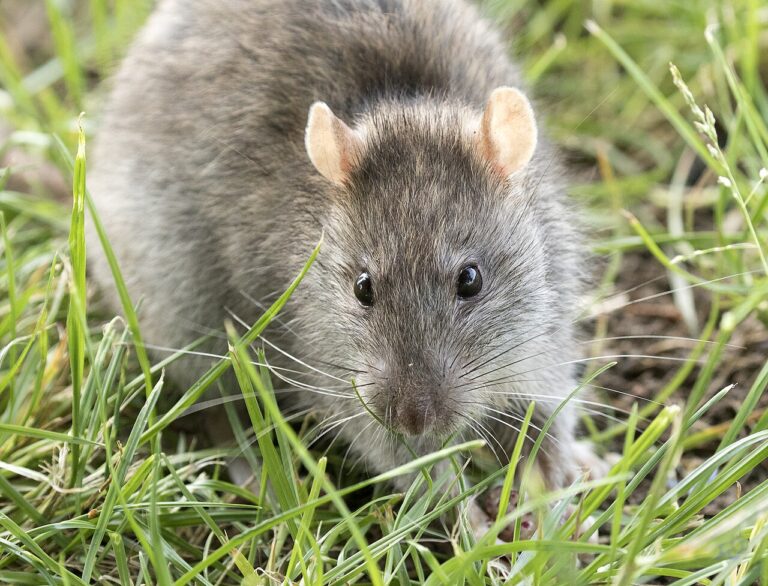
In most cases, nothing. Opossums are nomadic and rarely stay in one territory for long, often moving on within a few days. They eat insects, slugs, snails, rodents, carrion, and fallen fruit, which makes them useful yard cleanup crew, and they are not a species that establishes destructive colonies the way rats do.
One popular claim deserves correction. A widely repeated figure held that a single opossum eats up to 5,000 ticks per season, which made them a celebrated defense against Lyme disease. That figure came from a controlled laboratory study and did not hold up. A 2021 examination of the stomach contents of wild opossums found essentially no ticks, so the tick-eating benefit is far weaker than the internet suggests. Opossums are still useful scavengers, just not the anti-tick machines they were marketed as.
If you want one gone, remove what attracts it and close what shelters it. Secure garbage cans, bring in pet food and bird feeders at night, pick up fallen fruit, and seal openings under decks, sheds, and porches once you have confirmed no animals are inside. Trapping and relocating is illegal in many states and usually fatal for the animal, so exclusion is both the more effective and the more humane route. If an opossum is in your living space, injured, or behaving abnormally, call animal control or a licensed wildlife rehabilitator rather than handling it yourself. Yard-visitor identification questions of this kind come up constantly, and our guide to the baby fox covers a similar set of judgment calls for a different species.
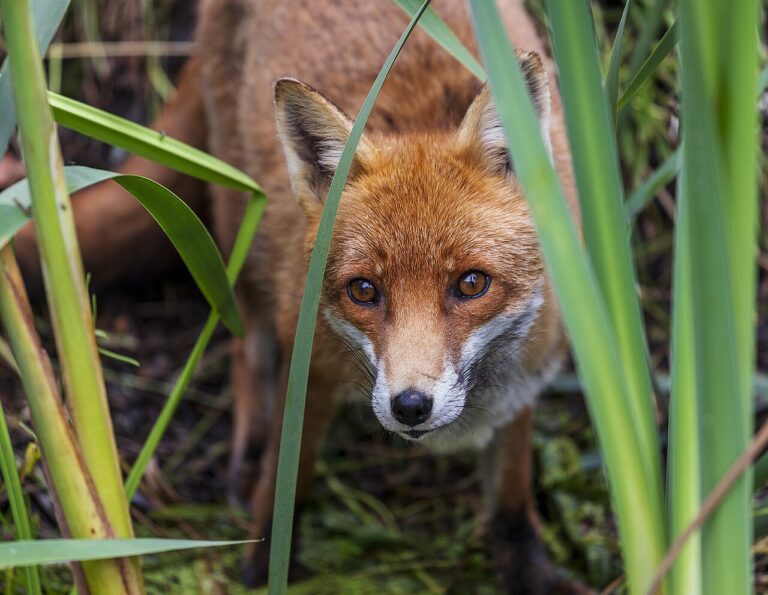
Related reading: are foxes dangerous.
Related reading: Are Groundhogs Dangerous?.
Frequently Asked Questions
Are possums dangerous to humans?
No. There are no documented unprovoked attacks on people by healthy opossums, and their standard defense is to hiss, bluff, or play dead rather than fight. Bites occur only when the animal is grabbed or cornered with no escape route.
Do possums carry rabies?
Very rarely. Their body temperature of roughly 94 to 97 F is too low for the rabies virus to establish easily, and opossums are not listed among the main wildlife rabies reservoirs in the United States. Any wild mammal bite should still be evaluated by a physician and reported to your local health department.
Are possums dangerous to dogs?
The direct risk to a healthy adult dog is low, and the dog is usually the more dangerous party. The real concerns are fleas, ticks, and leptospirosis transmitted through urine or contaminated water. Small dogs and puppies should be supervised at night in areas with active opossums.
Will a possum attack my cat?
Almost never. Adult cats and opossums typically ignore each other, and an opossum confronted by a cat will hiss or play dead rather than fight. Very young kittens should be kept indoors overnight, since an opportunistic omnivore may investigate them.
What diseases do possums carry?
Leptospirosis, salmonella, tularemia, and various intestinal parasites, mostly transmitted through droppings and urine rather than bites. They also carry fleas and ticks. The most serious is Sarcocystis neurona, which causes equine protozoal myeloencephalitis in horses that eat contaminated feed or pasture.
Why do possums play dead?
Thanatosis is an involuntary shock response to extreme stress, not a conscious choice. The animal collapses, stiffens, drools, and releases a foul-smelling fluid that mimics decay, which causes most predators to lose interest. It can last from a few minutes to several hours and the opossum cannot end it at will.
Do possums really eat thousands of ticks?
No. The widely repeated figure of 5,000 ticks per season came from a laboratory study and did not survive scrutiny. A 2021 study of wild opossum stomach contents found essentially no ticks. They remain useful scavengers of insects, slugs, carrion, and fallen fruit, but they are not a meaningful tick control measure.