Baby Bat: What a Pup Needs and What You Must Never Do
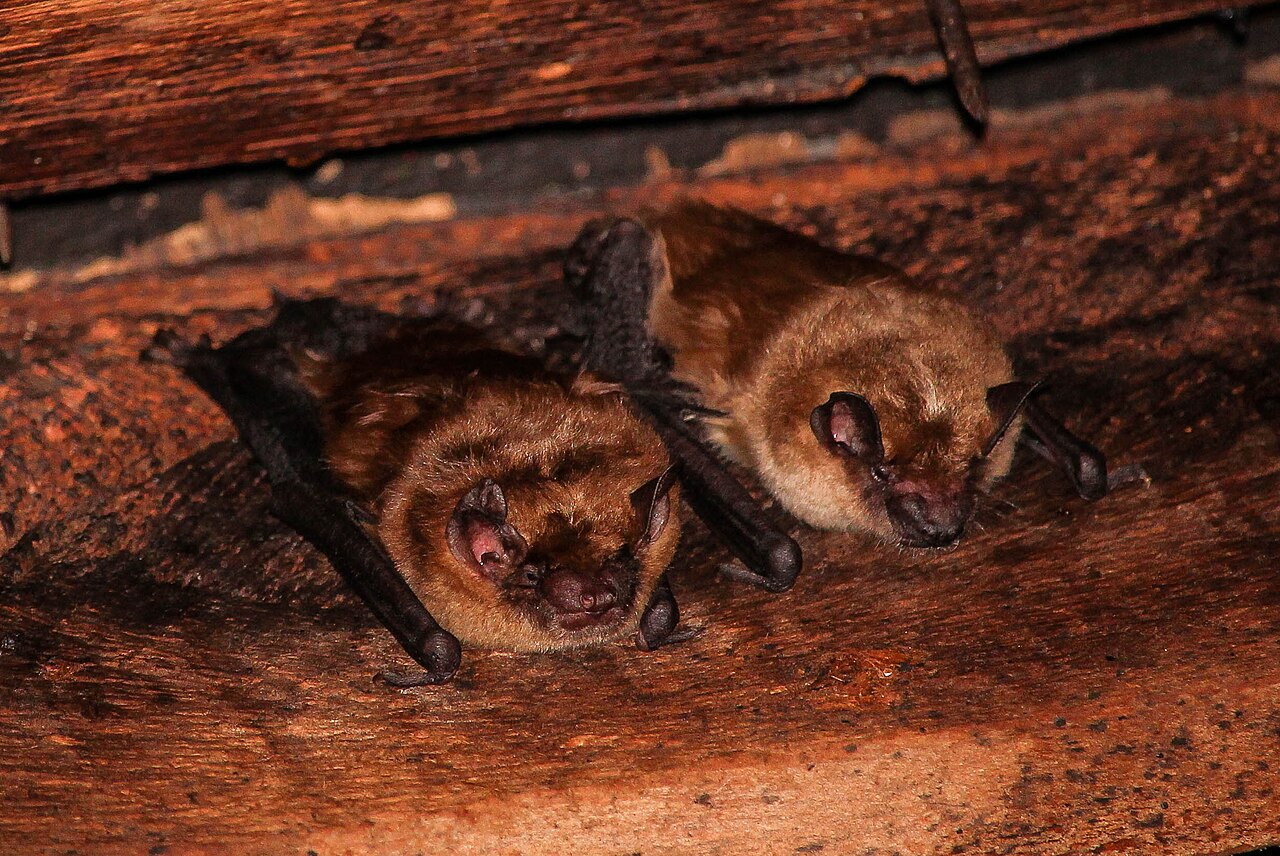
A baby bat is called a pup, and it is one of the most helpless infants in the animal world: born pink, hairless, and blind, weighing about a quarter of its mother’s weight, and completely dependent on her milk for the first weeks of life. Most North American bats give birth to a single pup per year, usually between late May and early July, in warm communal nurseries called maternity roosts that often form in attics, barns, and tree hollows.
That timing is exactly why people meet baby bats at all. Pups occasionally fall from roosts or turn up grounded during their clumsy first flights in midsummer, and what you do next matters for both the bat and your family, because bats are also the leading source of rabies exposure in the United States. This guide covers how pups grow, what a grounded baby bat needs, and the safety rules that are not optional.
| Fact | Baby Bat (Pup) |
|---|---|
| Name | Pup |
| Litter size | Usually 1, sometimes twins |
| Birth season | Late May to early July |
| Birth weight | Around 25 percent of mother’s weight |
| First flight | 3 to 6 weeks old |
| Weaned | By 6 to 8 weeks |
What Is a Baby Bat Called?
Baby bats are pups, the same word used for wolves and dogs, and the fit is closer than it sounds: bats are mammals that nurse their young on milk, and a mother bat knows her own pup’s voice and scent among thousands in a crowded roost. A female typically raises one pup per summer, an unusually slow reproductive rate for such a small mammal and one reason bat populations recover slowly from losses.
Newborn pups are startlingly large relative to their mothers. A pup weighing a quarter of the mother’s body weight is the human equivalent of delivering a 35 pound baby, and for the first days the pup clings to her almost constantly, gripping her fur with hooked milk teeth and thumb claws while she hangs upside down.
Some species even carry their pups on early evening feeding flights, the infant clamped to the mother’s belly, though most mothers soon leave pups behind in the warm cluster of the nursery while they hunt insects. Either way, the bond is tight: mothers returning from a night of foraging locate their own pup by its individual isolation call before feeding it.
Maternity Roosts: The Bat Nursery
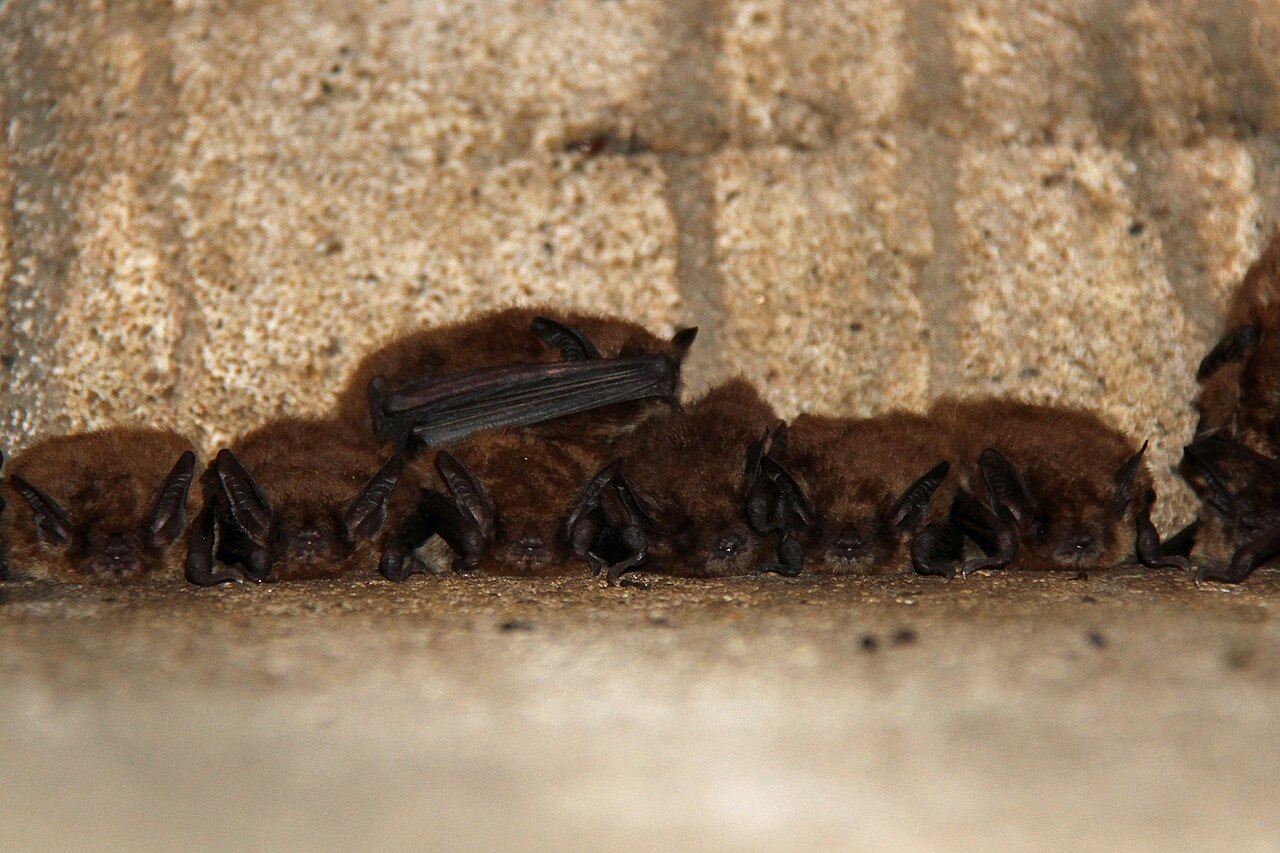
Pregnant females of many North American species, including the little brown bat and big brown bat, gather in spring into maternity colonies ranging from a dozen to several hundred mothers. They choose the warmest cavity available, because pups cannot regulate body temperature at first; attics, barn lofts, chimneys, tree hollows, and the space behind loose bark all serve, with temperatures well above what adult males would tolerate.
Inside the nursery, pups cluster together for warmth while mothers forage, forming tight creches on the roost ceiling. A mother returns several times a night to nurse, finding her pup by voice and scent. Males, meanwhile, roost separately all summer; a maternity colony is exclusively mothers and babies.
This is why summer bat evictions are regulated or discouraged in most states: sealing a roost between roughly June and mid-August traps flightless pups inside, where they die and create odor problems while frantic mothers try to re-enter. Responsible removal waits until pups fly, then installs one-way exits, the same humane playbook covered in our guide to getting rid of bats the right way.
Growth Timeline: Birth to First Flight
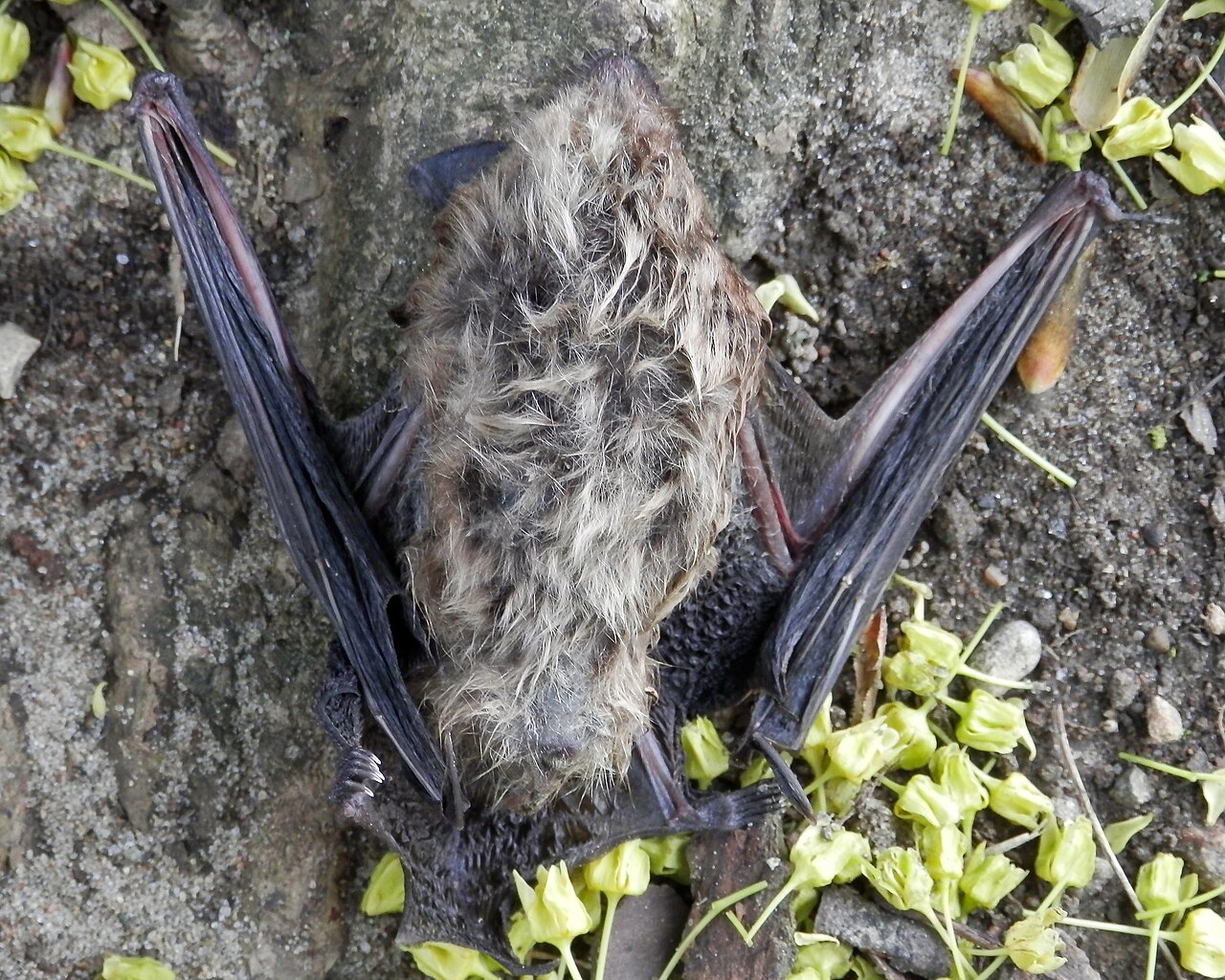
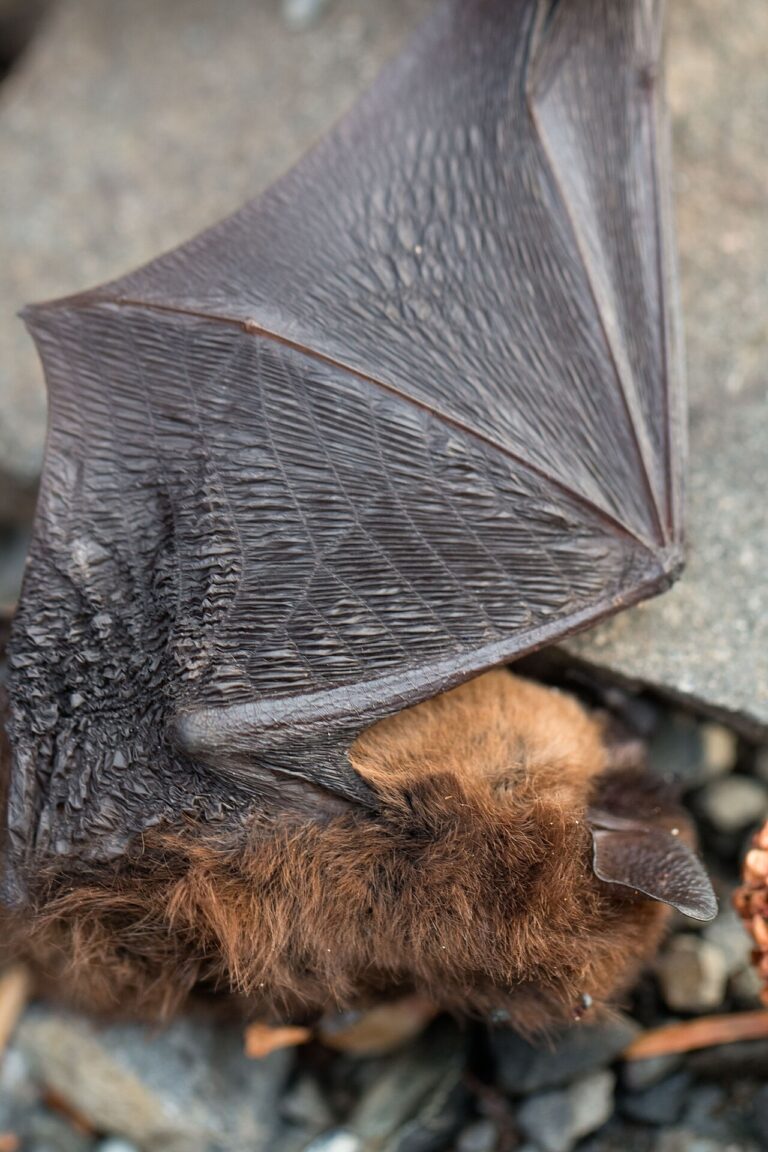
Bat pups grow at a sprint. They are born pink and blind, but eyes open within the first week, fur comes in as a fine gray velvet by around 10 days, and by 3 weeks a pup of a small species looks like a slightly fluffy, small version of an adult. Milk teeth give way to permanent teeth as flight approaches.
First flights come astonishingly early: about 3 weeks for little brown bats and closer to 4 to 6 weeks for larger species like the big brown bat. There is no gradual gliding stage; a young bat’s first flight is real powered flight inside or just outside the roost, and the learning curve shows. Newly flying juveniles crash-land, cling to walls, and end up grounded far more often than adults, which is why most “baby bats” people find in July and August are actually flighted juveniles having a rough week.
By 6 to 8 weeks pups are weaned and hunting insects on their own, and by late summer juveniles are nearly indistinguishable from adults except by slightly darker, fresher fur and cartilaginous finger joints. A first-year bat then faces its biggest test: surviving hibernation or migration with no experience, on fat reserves it built in a single summer.
Found a Baby Bat? Do This First
Rule one is absolute: never touch a bat with bare hands, at any age. If a grounded bat needs moving, wear thick leather gloves or scoop it without contact using a box and a piece of cardboard. Bats are the leading cause of human rabies deaths in the United States, and the CDC (cdc.gov) advises that any direct skin contact with a bat, or a bat found in a room with a sleeping person or unattended child, warrants a call to your doctor or health department, because bat bites can be too small to see.
Handled with that rule in place, most grounded pups have a real chance. If the pup is uninjured and its roost is known, reunion beats rescue: at dusk, place the pup in an open-topped box or cloth bag tacked high on the structure as close to the roost entrance as possible, and watch from a distance. Mothers routinely retrieve fallen pups after dark. A pup still there at midnight, or one that is injured, cold, or covered in flies, needs a licensed wildlife rehabilitator that same night.
While you arrange help, keep the pup contained in a ventilated box with a soft cloth, in a quiet, warm spot, and do not feed it anything. Cow’s milk is not survivable food for a bat pup, and well-meant feeding kills more rescued wildlife than delay does. The same warmth-quiet-no-food triage applies to any found infant mammal, from a baby possum to a baby raccoon, until a professional takes over.
Rabies: Real Risk, Right Response
The honest numbers cut both ways. The vast majority of bats do not carry rabies; studies of wild populations find infection in well under 1 percent of bats overall. But among bats that are grounded, acting strangely, or found in living spaces, the rate rises sharply, and bats account for the majority of the handful of human rabies deaths the United States records each year. Both facts fit together: bats are not a reason for panic, and a downed bat is exactly the animal to treat with full caution.
Exposure has a precise meaning: a bite, a scratch, or bat saliva contacting broken skin or mucous membranes. Finding a bat in the room where someone was sleeping counts as potential exposure, because a sleeping person cannot rule out a bite. In any of those cases, the bat should be safely captured without skin contact so health authorities can test it, and post-exposure treatment, which is highly effective when started promptly, should be discussed with a doctor immediately.
Pets fall under the same policy. A dog or cat that catches or plays with a grounded bat needs a veterinarian’s call, and keeping rabies vaccinations current for outdoor pets is the cheap insurance that makes these encounters minor. None of this requires fearing the bats overhead on a summer evening; airborne bats hunting insects pose essentially no risk to people below.
Why Baby Bats Are Worth Protecting
A nursing mother bat is a pest control machine, eating up to her own body weight in insects nightly, and a single little brown bat can take hundreds of mosquito-sized insects per hour at peak. Multiply by a maternity colony of a hundred mothers and the June air over your yard is measurably quieter. Bats join the ranks of natural allies like the birds that eat mosquitoes in keeping backyard insect loads down without chemicals.
Agriculture leans on them even harder. Analyses published through the U.S. Geological Survey estimate bats save American farmers billions of dollars a year in avoided crop damage and pesticide costs, mostly by eating moths whose caterpillars attack corn and other crops. Every pup that survives its first summer is a decade or more of that service, since small bats routinely live 10 to 20 years.
The pressure on those pups is real. White-nose syndrome, a fungal disease of hibernating bats, has killed millions across North America since 2006, and with mothers raising one pup a year, colonies rebuild slowly. That is the ecological backdrop for the summer eviction rules: a sealed attic in June can erase a whole colony’s annual reproduction in one afternoon.
Living With a Maternity Roost
Discovering a nursery in your attic in June puts you in a waiting game with a clear script. Confirm what you have by watching the roof line at dusk and counting bats exiting; note the exit points. Then hold until mid-August in most regions, when pups are flying, before any exclusion work begins. Many states formally protect maternity colonies during this window, and your state wildlife agency can confirm local dates.
Exclusion itself is simple and permanent: install one-way exit devices over the active openings, leave them up for a week of good flying weather, then seal every gap larger than 3/8 inch, since small bats squeeze through remarkably thin cracks. Never use poisons; nothing is registered for bats, poisoning is illegal, and it scatters sick animals into living spaces where the rabies calculus gets worse.
If you want the insect control without the attic, give the colony somewhere better to go. A properly built bat house, mounted 12 to 15 feet up on a pole or building with morning sun, offers a warm nursery alternative, and colonies excluded from buildings often adopt one nearby. Painting it a dark color in northern states helps it hold the nursery-grade warmth mothers are shopping for.
Baby Bats vs Other Attic Babies
Summer attic noise has several possible mothers, and the babies differ usefully. Bat pups are silent to human ears most of the time, and the colony’s signature is high-pitched chittering at dusk plus staining and droppings concentrated below the roost point. Guano pellets are dark, rice-sized, and crumble to shiny insect fragments when crushed dry with a gloved finger, unlike rodent droppings, which stay solid.
A baby squirrel announces itself with daytime scampering and a bulky leaf-and-insulation nest, while rats and mice mean nighttime scratching with droppings scattered along walls rather than piled under one spot. Raccoon kits chirr and cry audibly, and their mother leaves an entry hole far larger than anything a bat needs.
The stakes of telling them apart are practical: squirrels and raccoons call for one-way doors sized to them and timed to their spring litters, rodents call for trapping, and bats call for patience until pups fly plus meticulous gap sealing afterward. Identify first from droppings, sounds, and entry size, and the eviction plan writes itself.
Related reading: Bat Sounds.
Frequently Asked Questions
What is a baby bat called?
A pup. Most North American bats have a single pup per year, born between late May and early July in a maternity roost shared by many mothers.
What should I do if I find a baby bat on the ground?
Do not touch it with bare hands. If it is uninjured, place it (gloved, or scooped with a box) high near its roost at dusk so the mother can retrieve it; if it is injured or still there late at night, contact a licensed wildlife rehabilitator.
Do baby bats carry rabies?
Any bat can, though the vast majority do not. Because bites can be too small to see, the CDC recommends medical consultation after any direct contact, or if a bat is found in a room where someone was sleeping.
When do baby bats learn to fly?
Remarkably early: around 3 weeks old for little brown bats and 4 to 6 weeks for larger species. Clumsy new fliers in July and August are the “baby bats” people most often find grounded.
Can I feed a rescued baby bat milk?
No. Cow’s milk and pet formulas are not survivable food for bat pups. Keep the pup warm, quiet, and unfed in a ventilated box while you contact a rehabilitator.
Why can’t I seal my attic in summer if bats are inside?
From roughly June to mid-August, flightless pups are inside the roost. Sealing then traps and kills them, creates odor problems, and is restricted in many states. Wait until pups fly, then use one-way exits.
How long do baby bats stay with their mothers?
Pups nurse for 3 to 6 weeks and are weaned by 6 to 8 weeks, hunting insects on their own by late summer. Juveniles then face their first hibernation or migration alone.