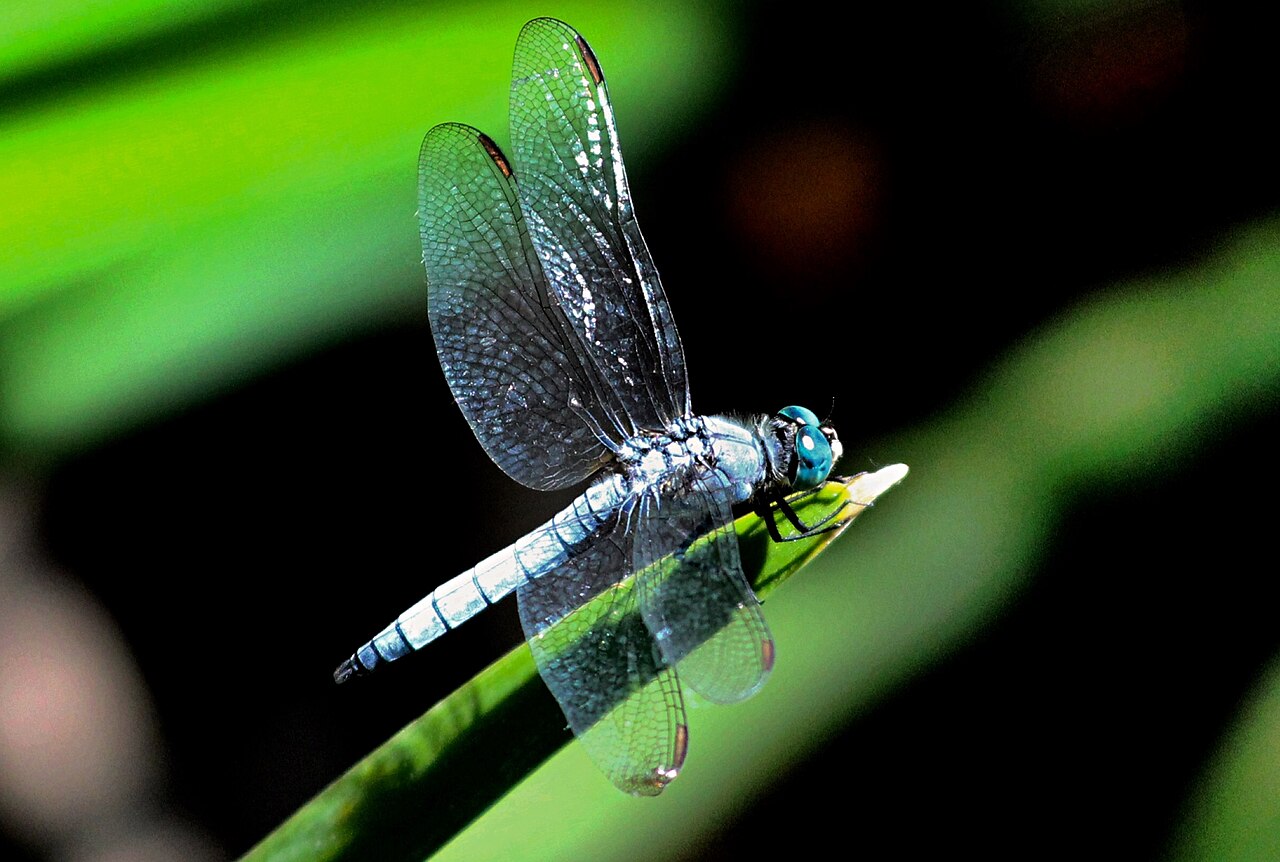
Dragonfly Tattoo Meaning: Transformation and Living Fully Now
The dragonfly tattoo carries a genuinely rich and largely positive symbolic meaning centered on change, adaptability, and living fully in the present moment, drawn directly from the insect’s remarkable biological life cycle, spending the vast majority of its life, often one to several years, as an aquatic nymph before finally emerging as an adult dragonfly for a comparatively brief period, often just weeks or a few months, making the most of that short adult life through remarkably agile, purposeful flight before its natural lifespan ends.
This genuine biological pattern, extensive patient development followed by a short but fully realized adult existence, gives the dragonfly tattoo a symbolic depth that connects meaningfully to real transformation, self-realization, and the importance of embracing change rather than resisting it, themes that appear consistently across the many different cultural traditions that have independently developed dragonfly symbolism throughout human history. This guide covers the core transformation symbolism, cultural variations across different traditions, common design elements and color meanings, and placement considerations for anyone considering this genuinely meaningful design.
| Meaning Category | Core Association |
|---|---|
| Life cycle symbolism | Transformation, patience, self-realization |
| Native American tradition | Renewal, activity, pure water |
| Japanese tradition | Courage, strength, happiness |
| Western/modern general | Change, adaptability, living in the moment |
| Blue dragonfly | Peace, calm, clear communication |
| Multiple dragonflies | Community support through change |
The Core Symbolism: A Life Built on Transformation
The dragonfly’s symbolic power draws directly from its genuinely dramatic life cycle, beginning as an aquatic nymph that can spend anywhere from several months to multiple years underwater, undergoing repeated molts as it grows, before finally emerging from the water, shedding its final nymphal skin, and transforming into the agile flying adult most people recognize, a complete change in habitat, body form, and capability that few other insects demonstrate quite so dramatically.
This extended underwater developmental period followed by a comparatively brief adult life, often measured in weeks rather than years, has led many to interpret the dragonfly as a powerful symbol of patient transformation followed by fully realized, purposeful living, a message some read as encouragement to embrace necessary periods of growth and waiting, trusting that transformation and a fuller, more capable existence will eventually follow.
The brevity of the adult dragonfly’s life specifically contributes an additional symbolic layer around living fully in the present moment, since an adult dragonfly, having invested so much developmental time reaching this stage, does not waste its remaining time, instead flying with remarkable speed, agility, and apparent purpose, a behavioral pattern many interpret symbolically as encouragement to make the most of one’s own time and opportunities rather than taking a fully realized, capable existence for granted.
Native American Symbolism: Renewal and Pure Water
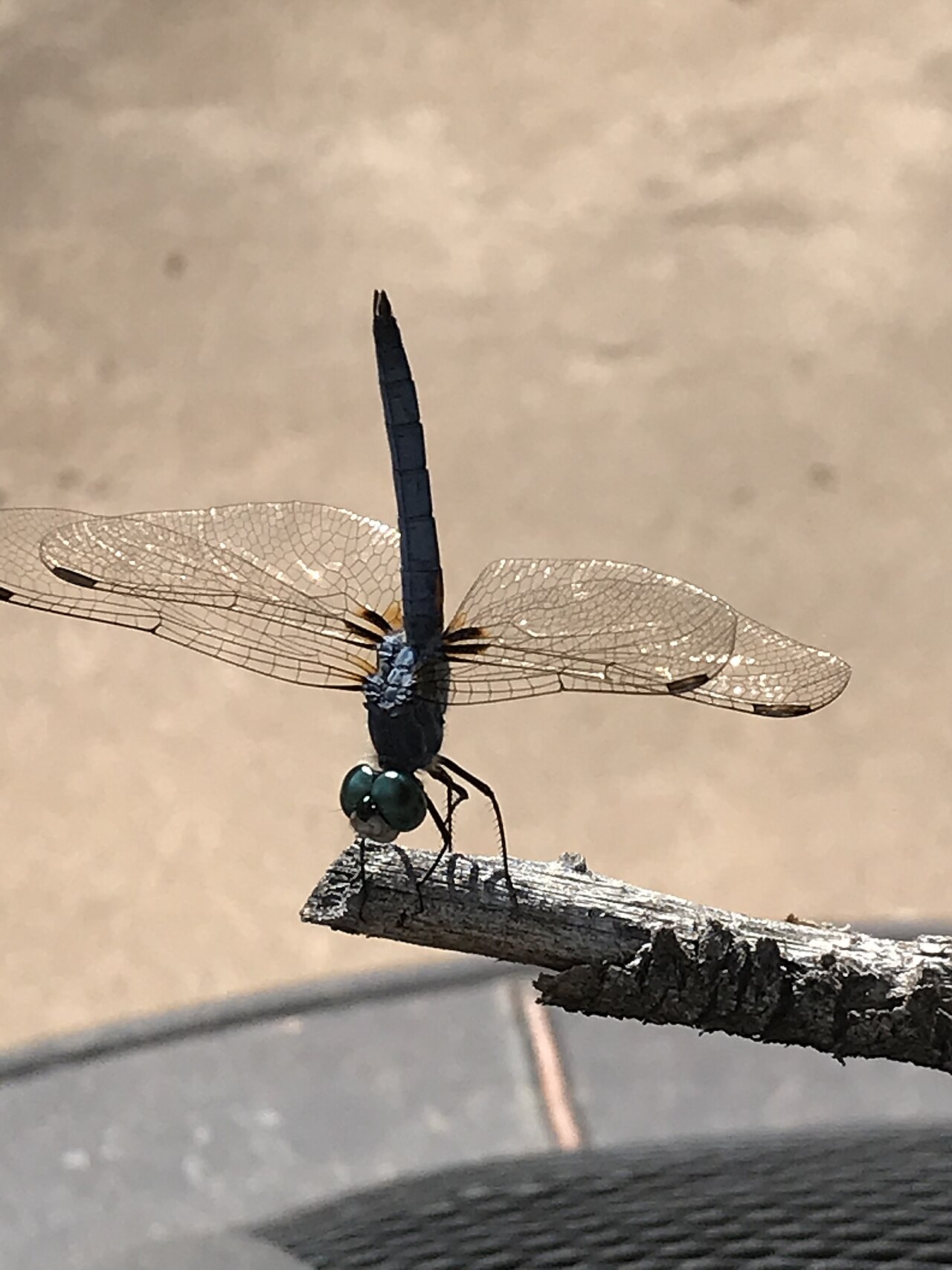
Many Native American traditions hold the dragonfly in particular symbolic regard, often associating it with renewal, transformation, and connection to water specifically, given the dragonfly’s genuine biological dependence on clean water for its extended nymphal stage, making the presence of dragonflies traditionally understood by several tribes as an indicator of healthy, pure water sources nearby.
Some Native American traditions specifically associate dragonflies with swiftness and activity, drawing on the adult insect’s remarkably fast, agile flight capabilities, while other traditions emphasize the dragonfly’s connection to illusion or seeing beyond surface appearances, possibly connected to the insect’s compound eyes and exceptional visual capabilities that allow it to perceive its environment in ways quite different from human vision.
This water-connected renewal symbolism adds a genuinely distinct layer to dragonfly meaning beyond the more general transformation themes covered throughout this guide, specifically tying the insect’s symbolic power to environmental health and purity, a meaningful association for wearers specifically drawn to themes of environmental connection or the idea that genuine renewal requires a clean, healthy foundation to grow from.
Japanese Tradition: Courage and Strength
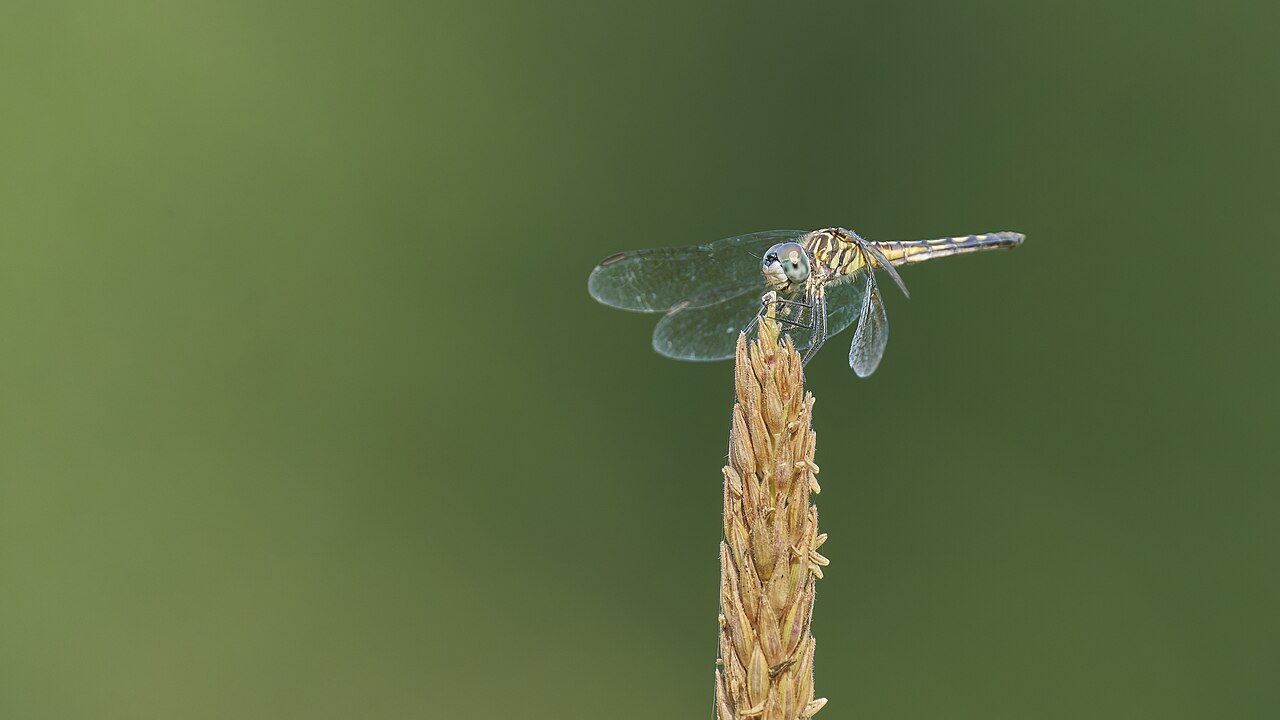
Japanese culture holds dragonflies in particularly high symbolic regard, historically associating them with courage, strength, and happiness, an association strong enough that dragonflies became associated with samurai culture specifically, sometimes appearing on samurai armor and weapons as a symbol meant to invoke the wearer’s own courage and strength in battle.
This Japanese tradition also connects dragonflies to victory and success more broadly, partly because the insect’s forward-only flight pattern, dragonflies cannot fly backward, was interpreted as a symbol of moving only forward toward victory without any capacity for retreat, giving the dragonfly a genuinely martial, achievement-oriented symbolic layer somewhat distinct from the more contemplative transformation themes covered in earlier sections.
Japan’s historical association with dragonflies runs deep enough that the country has sometimes been poetically referred to using dragonfly-related imagery in classical literature, and this rich cultural history means dragonfly tattoos drawing specifically on Japanese artistic style and symbolic tradition carry a genuinely distinct meaning emphasizing courage and forward-moving strength alongside the more universal transformation symbolism found across other cultural traditions.
Western and Modern Interpretations
Contemporary Western interpretation of dragonfly symbolism tends to emphasize adaptability, change, and living authentically in the present moment, drawing on the insect’s dramatic life cycle transformation covered earlier but applying it more specifically to modern personal growth narratives, self-discovery, and the courage required to embrace significant life changes rather than the more specific cultural traditions covered in the previous two sections.
This modern reading has made dragonfly tattoos particularly popular among people marking personal transformation milestones, recovery journeys, major life transitions, or simply a personal commitment to embracing change and growth rather than fearing it, a genuinely flexible and personally applicable symbolic framework that draws on the dragonfly’s biology without requiring commitment to any single specific cultural tradition.
The dragonfly’s symbolism also frequently appears in modern grief and memorial contexts, with many people reporting meaningful dragonfly encounters after losing a loved one and subsequently choosing a dragonfly tattoo to commemorate that connection, a memorial application that parallels similar patterns found in butterfly symbolism and other nature-based tattoo meaning traditions.
Color Symbolism in Dragonfly Tattoos
Blue dragonflies, among the most commonly requested colors for this design, typically carry associations with peace, calm, and clear communication, similar to the tranquil symbolism explored in our blue butterfly guide, drawing on blue’s generally tranquil color symbolism across many contexts, making blue dragonfly tattoos a popular choice for wearers specifically wanting to emphasize the calmer, more contemplative side of transformation symbolism rather than the more dramatic or martial readings covered in earlier sections.
Green dragonflies connect more directly to the insect’s natural coloring and its water-and-nature associations covered in the Native American tradition section, often chosen specifically to emphasize environmental connection, growth, and the natural world more broadly, echoing themes explored in our green butterfly guide as well, while red or orange dragonflies sometimes draw on more energetic, passionate interpretations, connecting to the insect’s remarkably fast, dynamic flight capabilities.
Multicolored or iridescent dragonfly designs, capturing the genuine shimmering, light-catching quality many real dragonfly species display, often aim to represent the full breadth of transformation symbolism at once, avoiding commitment to any single color-specific meaning in favor of celebrating the dragonfly’s overall dynamic, ever-shifting visual quality as a broader metaphor for change and adaptability itself.
The Real Biology Behind the Symbolism
Entomological research, including life cycle studies documented through university extension entomology programs, confirms the genuine biological basis behind dragonfly tattoo symbolism: nymphs can spend anywhere from several months to multiple years developing underwater, undergoing repeated molts, before finally emerging to complete their transformation into the flying adult stage, a well-documented developmental process considerably longer and more dramatic than most other common backyard insects display.
This documented life cycle also confirms the genuine brevity of adult dragonfly life specifically, with many species living only a few weeks as flying adults after such an extensive developmental investment, a real biological fact that grounds the living-fully-in-the-moment symbolic reading in verifiable natural history rather than purely invented cultural association, similar to how our baby dragonfly guide covers the nymph stage in additional developmental detail.
Understanding this genuine biological foundation gives dragonfly tattoo symbolism a grounded credibility that purely mythological symbols sometimes lack, since the transformation and present-moment-living themes explored throughout this guide connect directly to actual, scientifically documented insect behavior rather than requiring purely cultural or spiritual interpretation disconnected from the animal’s real biology.
Common Design Elements and What They Add
Dragonflies paired with water elements, waves, droplets, or lotus flowers, reinforce the water-connection symbolism covered in the Native American tradition section specifically, creating a combined design that emphasizes both the insect’s genuine biological water dependency and broader symbolic associations with purity, renewal, and environmental connection running throughout dragonfly symbolism generally.
Multiple dragonflies within a single design often represent community, family support, or the idea that transformation and change are easier to navigate with others alongside you, a meaningful variation from the more solitary transformation symbolism a single dragonfly typically represents, sometimes chosen specifically by wearers wanting to honor a group of people, a family unit, or a shared journey through significant change alongside others.
Realistic, detailed dragonfly designs emphasizing the insect’s genuinely intricate wing patterns and structure tend to appeal to wearers drawn primarily to the animal’s natural beauty and biological wonder, while more stylized, geometric, or watercolor dragonfly designs often prioritize the broader symbolic and emotional resonance of transformation and change over strict anatomical accuracy, a stylistic choice similar to the design variation spectrum covered in our snake tattoo meaning guide as well.
Placement Considerations for Dragonfly Tattoos
Dragonflies’ naturally elongated body and wing structure make them particularly well suited to shoulder, upper back, and forearm placements, where the design can spread naturally across the available space in a way that echoes the insect’s genuine wingspan and body proportions more effectively than more cramped or unusual placement choices might allow.
Smaller, more minimalist dragonfly designs adapt readily to wrist, ankle, or behind-the-ear placements, popular choices for wearers wanting a more subtle, personal reminder of the transformation symbolism this design carries rather than a larger, more prominently displayed piece, while larger, more detailed dragonfly designs with fuller wing spread work particularly well across the upper back or chest, where sufficient space allows the full design to be appreciated at its intended scale.
Given the dragonfly’s strong water-connection symbolism in several traditions, some wearers specifically choose placements or accompanying design elements that reinforce this connection, positioning the dragonfly design alongside wave or water motifs, or choosing blue and green color palettes specifically to emphasize this particular symbolic layer over the more general transformation themes that a dragonfly tattoo can represent on its own without any additional water-related elements.
Related reading: Moth Tattoo Meaning.
Related reading: Dragonfly Lands on You Meaning.
Frequently Asked Questions
What does a dragonfly tattoo mean?
Dragonfly tattoos primarily symbolize transformation, change, and living fully in the present moment, drawn from the insect’s dramatic life cycle of extended aquatic development followed by a brief but fully realized adult life.
What does a dragonfly symbolize in Japanese culture?
Courage, strength, and victory, historically associated with samurai culture partly because dragonflies cannot fly backward, symbolizing forward-only movement toward success without retreat.
What does a blue dragonfly tattoo mean?
Blue dragonflies typically represent peace, calm, and clear communication, drawing on blue’s generally tranquil symbolic associations, making this a popular color choice for more contemplative transformation themes.
Why do dragonflies represent transformation?
Dragonflies spend the majority of their life as an aquatic nymph, sometimes for years, before transforming into a flying adult, a dramatic biological life cycle change that has made them a natural symbol for personal transformation and growth.
What does it mean when multiple dragonflies appear in a tattoo?
Multiple dragonflies often represent community, family, or shared support through significant change, a variation from the more solitary transformation symbolism a single dragonfly typically carries.
Do dragonfly tattoos have a connection to water?
Yes, particularly in Native American tradition, where dragonflies are associated with renewal and pure water sources, reflecting the insect’s genuine biological dependence on clean water during its extended nymph stage.
Is a dragonfly tattoo a good choice for a memorial tattoo?
Many people choose dragonfly tattoos for memorial purposes after meaningful encounters following a loss, connecting to the insect’s broader symbolic associations with transformation, renewal, and living fully in the present moment.