Baby Fennec Fox: The Biology Behind Those Famous Ears
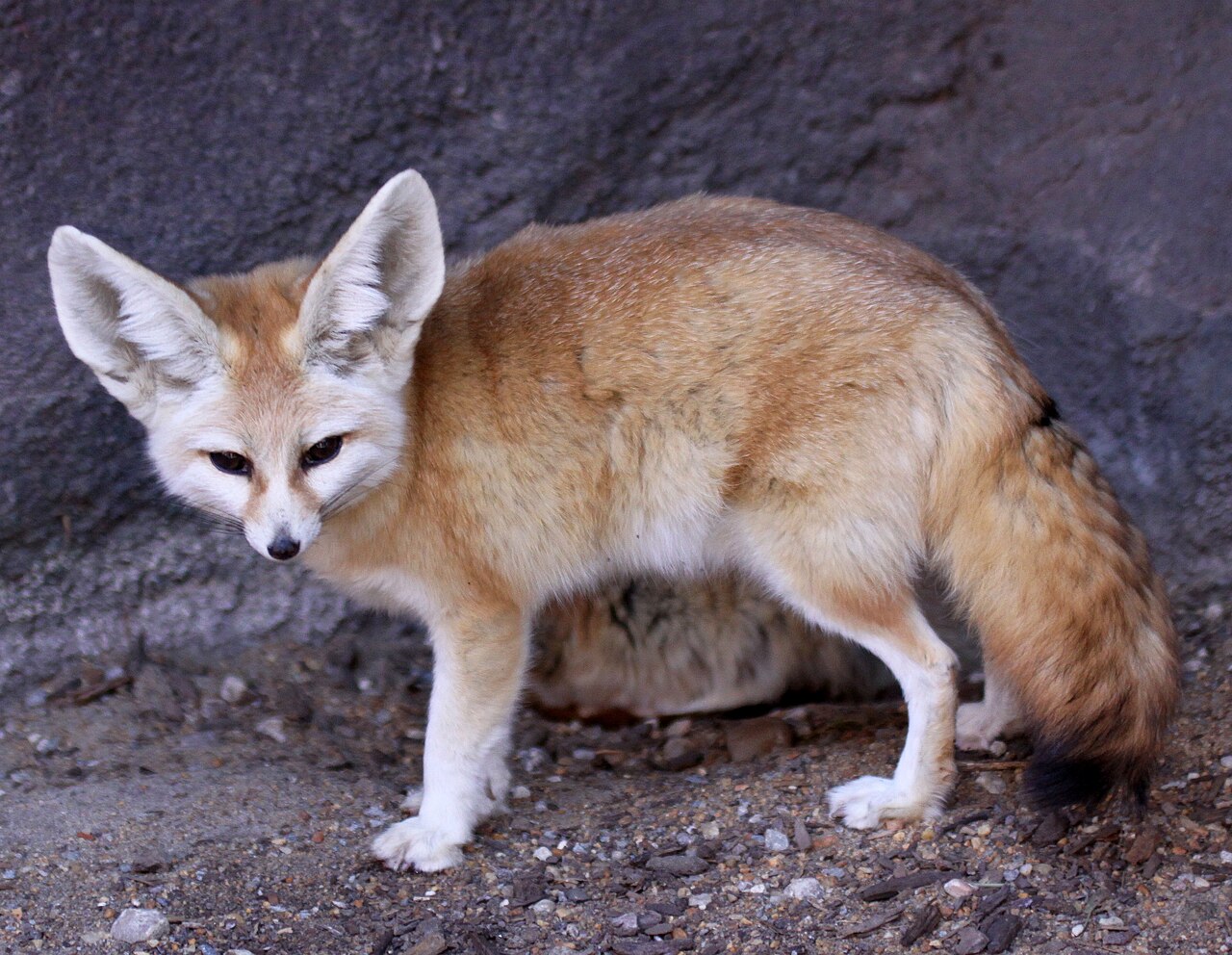
A baby fennec fox is called a kit, and it hatches, so to speak, into arguably the most disproportionately eared mammal on the planet: fennec fox kits are born with the same enormous, distinctive ears relative to their body size that make the adult species so instantly recognizable, ears that serve genuine biological functions well beyond simple appearance, including exceptional heat dissipation critical for survival in the fennec fox’s native Saharan desert habitat and remarkably sensitive hearing that helps detect prey moving beneath the sand.
As the smallest fox species in the world, fennec fox kits pack a genuinely surprising amount of specialized desert adaptation into their tiny frames from birth, making their growth and development a fascinating study in how a species so perfectly suited to one of the world’s harshest environments raises its young. This guide covers fennec fox kit birth and early development, the specific biological function behind those famous ears, denning behavior in their desert habitat, and practical considerations for the small but growing number of people who keep fennec foxes as exotic pets.
| Fact | Baby Fennec Fox (Kit) |
|---|---|
| Name | Kit |
| Litter size | 2 to 5 kits typically |
| Gestation period | About 50 days |
| Eyes open | Around 10 days |
| Weaned | Around 60 to 70 days |
| Adult size | World’s smallest fox species |
What Is a Baby Fennec Fox Called?
Baby fennec foxes are called kits, the same term used across most fox species generally, and fennec fox litters typically consist of 2 to 5 kits after a gestation period of approximately 50 days, a timeline broadly consistent with many other small fox species despite the fennec fox’s genuinely distinctive physical adaptations and considerably smaller overall adult size compared to more familiar fox species like the red fox.
As the smallest fox species in the world, adult fennec foxes typically weigh only 2 to 3.5 pounds, meaning kits are born genuinely tiny even by fox standards, requiring intensive maternal care during their earliest weeks when they are blind, largely helpless, and entirely dependent on their mother for warmth, nutrition, and protection within the den environment covered in more detail later in this guide.
Fennec foxes are generally monogamous, with mated pairs often remaining together and both parents potentially playing some role in kit care, a somewhat different social and parenting structure than seen in some other fox species where paternal involvement varies more considerably, reflecting the fennec fox’s overall social adaptations to its challenging desert environment where cooperative parenting may offer genuine survival advantages for vulnerable young kits.
Growth Timeline: From Blind Kit to Desert-Ready Juvenile
Newly born fennec fox kits are blind, with their distinctive large ears initially folded down against their heads rather than displaying the fully upright, prominent position adults show, and kits typically open their eyes around 10 days of age, a developmental timeline that, while including the folded-ear detail specific to this species, otherwise broadly resembles the early blind, helpless stage many other young canids experience.
Those famous ears begin unfolding and growing toward their eventual prominent adult proportions over the following weeks, with kits gradually developing the full range of specialized adaptations that will define their adult desert life, including the ear-based heat dissipation and enhanced hearing capabilities covered in the next section, as their bodies mature from the initially helpless newborn stage toward greater independence.
Weaning typically occurs around 60 to 70 days of age, after which kits begin transitioning toward the more independent, though still family-group-oriented, existence characteristic of fennec fox social structure, with young foxes generally reaching full sexual maturity and adult size by around 9 to 11 months, a relatively rapid developmental timeline compared to some larger fox species, reflecting the fennec fox’s smaller overall body size and correspondingly faster life history pattern.
The Biology Behind Those Enormous Ears
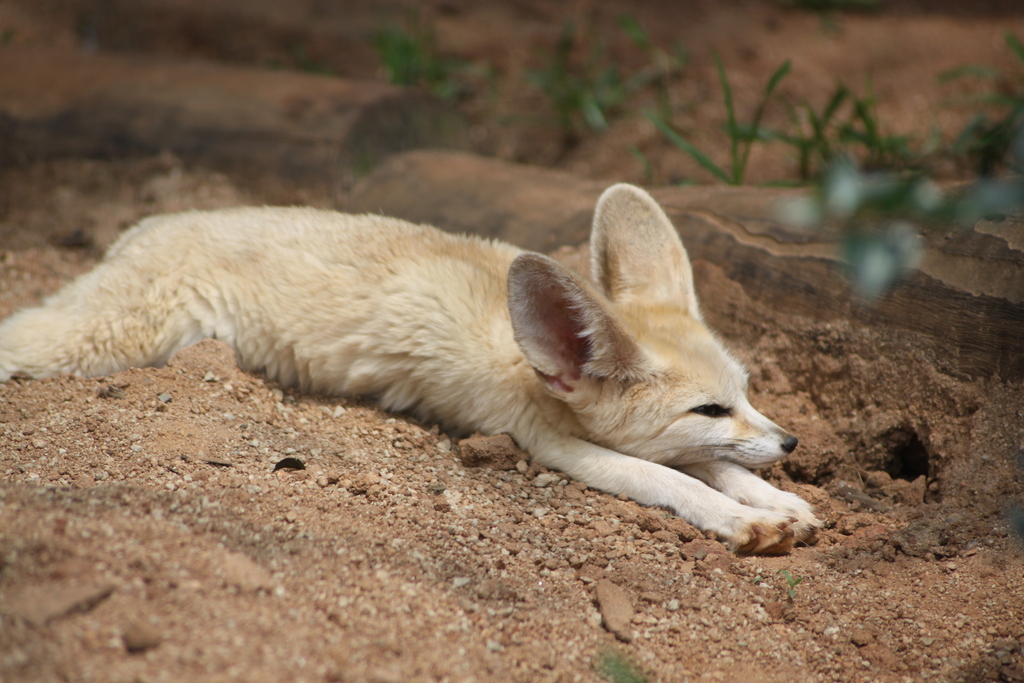
Fennec fox ears, proportionally the largest of any fox species relative to body size, serve two genuinely critical biological functions rather than existing simply as a distinctive visual feature: extensive blood vessels running through the large ear surface area allow for significant heat dissipation, helping fennec foxes regulate body temperature in their extremely hot native Saharan desert environment where daytime temperatures can reach genuinely extreme levels.
Beyond thermoregulation, these oversized ears also provide exceptional hearing sensitivity, allowing fennec foxes to detect the sounds of potential prey, including insects and small rodents, moving both above ground and beneath the sand itself, a hunting adaptation genuinely critical for a species that must locate sufficient food within a sparse desert ecosystem where prey may not always be visually apparent from a distance.
Kits inherit this same ear structure from birth, though the ears require time to fully develop their eventual size and functional capability as the kit matures, meaning young fennec fox kits, while already displaying the beginnings of this distinctive feature, will continue developing toward the full proportional ear size and functional heat-dissipation and hearing capability that defines fully mature adults of this remarkable desert-adapted species.
Denning Behavior in the Desert
Fennec foxes are accomplished burrowers, digging extensive den systems in sandy desert soil that provide critical protection from the extreme daytime heat of their native habitat, with these dens serving as the primary location where kits are born and spend their earliest, most vulnerable weeks before venturing outside as their mobility and independence gradually increase.
Den systems can be genuinely extensive, sometimes including multiple entrances and interconnected chambers, and fennec foxes may maintain several den sites within their territory, moving between them as needed, a behavior that provides both temperature regulation benefits, since underground dens remain considerably cooler than the exposed desert surface during peak daytime heat, and protection from potential predators that might otherwise threaten vulnerable kits.
This denning behavior connects directly to the fennec fox’s broader nocturnal activity pattern, since adults typically forage during the cooler nighttime hours while resting in their dens during the day, a pattern that kits gradually adopt as they mature, learning to follow their parents’ activity schedule as part of their broader development toward independent desert survival within this genuinely demanding environmental niche.
What Fennec Fox Kits Eat
Nursing kits rely entirely on their mother’s milk during their first several weeks, gradually transitioning toward solid food as weaning progresses around 60 to 70 days of age, with young fennec foxes eventually adopting the same varied omnivorous diet adults rely on, including insects, small rodents, birds, eggs, and various plant material, a genuinely flexible diet that helps fennec foxes survive in their sparse, resource-limited desert habitat.
This dietary flexibility reflects the broader opportunistic feeding strategy many desert-adapted species rely on, since consistent access to any single specific food source cannot be reliably guaranteed in such a challenging environment, making the ability to consume a wide range of available food items, whatever happens to be accessible on a given night of foraging, a genuinely important survival adaptation that young fennec foxes must develop as they transition from nursing to independent foraging.
Kits learn appropriate foraging behavior and food recognition largely by following and observing their parents during this developmental transition period, a learning process similar to that seen across many other young canid species, gradually building the skills and knowledge needed to successfully locate and capture the varied prey items that will sustain them once they reach full independence from parental food provisioning.
Fennec Foxes Among the World’s Other Fox Species
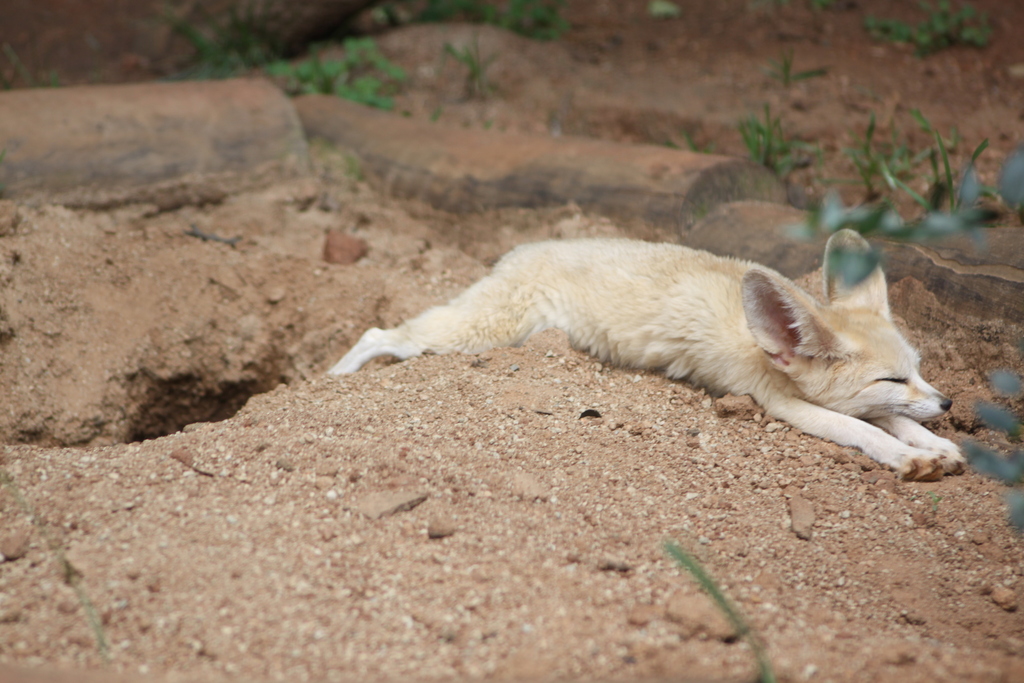
Fennec foxes represent a genuinely striking extreme within the broader fox family, contrasting sharply with the considerably larger, cold-adapted arctic fox, whose small, rounded ears and dense fur reflect the exact opposite environmental pressure, retaining heat in frigid conditions rather than dissipating it in desert heat, illustrating how dramatically fox species have diversified to survive across genuinely opposite climate extremes.
Compared to the more familiar red fox found across much of North America and Europe, fennec foxes show considerably smaller overall body size alongside their proportionally enormous ears, unlike the more moderate ear-to-body ratio seen when comparing foxes to coyotes generally, and while red foxes maintain a largely nocturnal activity pattern similar to fennec foxes, the specific desert heat-avoidance driving fennec fox nocturnal behavior differs meaningfully from the predator-avoidance and hunting-efficiency reasons often cited for red fox nocturnal activity in more temperate habitats.
This broader fox family diversity, spanning environments from Arctic tundra to Saharan desert to temperate woodland, reflects the genuinely successful evolutionary adaptability foxes as a group have achieved across an unusually wide range of challenging environments, with the fennec fox’s kit development and specialized ear biology covered throughout this guide representing one particularly extreme and fascinating example within this broader pattern of fox adaptability worldwide.
Fennec Foxes as Exotic Pets: What Kit Care Involves
Fennec foxes have become an increasingly recognized, if still relatively uncommon, exotic pet species, and kits specifically intended for pet keeping require considerably more specialized care than typical domestic animals, including appropriate enclosure setups that account for their natural digging behavior, temperature regulation needs reflecting their desert origins, and enrichment opportunities that address their genuine intelligence and activity requirements.
Legal ownership status for fennec foxes varies considerably by location, with some states, provinces, or countries prohibiting private ownership entirely while others require specific permits or licensing, a legal patchwork similar to the varied regulations surrounding whether foxes generally can be kept privately, making thorough research into local regulations a genuinely essential first step for anyone considering fennec fox ownership before acquiring a kit specifically, since acquiring an animal that turns out to be illegal to keep in a given location creates genuine problems for both the owner and the animal itself.
Beyond legal considerations, prospective owners should understand that fennec fox kits, despite their undeniably appealing appearance, require considerably more specialized care and behavioral understanding than typical companion animals, including their naturally nocturnal activity pattern, strong digging instincts that can prove challenging in typical home environments, and social needs that may not align well with the companionship style many people expect from more conventional pets, making thorough research and realistic expectations genuinely important before pursuing fennec fox ownership.
Conservation Status and Wild Population Considerations
Fennec foxes are not currently considered endangered, maintaining relatively stable wild populations across their native range spanning the Sahara Desert and parts of North Africa and the Sinai Peninsula, though localized population pressures from habitat disruption and, in some areas, capture for the exotic pet trade specifically have raised some regional conservation concerns worth acknowledging even in the absence of an overall endangered classification.
The growing exotic pet trade specifically has created some tension between legitimate captive breeding programs, which can provide pets without directly impacting wild populations, and illegal capture of wild fennec foxes specifically for pet trade purposes, making sourcing from reputable, legal captive breeding operations a genuinely important consideration for anyone specifically seeking to acquire a fennec fox kit as a pet rather than inadvertently supporting wild population depletion.
Understanding this broader conservation context adds important perspective for anyone drawn to fennec foxes specifically because of their undeniably striking appearance, since responsible interest in this species, whether through simple appreciation of their remarkable desert adaptations or consideration of pet ownership specifically, benefits considerably from awareness of the broader conservation and ethical sourcing considerations surrounding this genuinely unique small fox species.
Related reading: Fennec Fox Pet.
Related reading: Fennec Fox Lifespan.
Frequently Asked Questions
What is a baby fennec fox called?
A kit, the same term used across most fox species. Fennec fox litters typically include 2 to 5 kits after a gestation period of approximately 50 days.
Why do fennec foxes have such big ears?
Their oversized ears serve two critical functions: dissipating heat through extensive blood vessels to help regulate body temperature in extreme desert heat, and providing exceptional hearing to detect prey moving both above ground and beneath sand.
When do fennec fox kits open their eyes?
Around 10 days of age. Kits are born blind with their ears initially folded down, gradually developing toward the fully upright, prominent adult ear position over the following weeks.
Are fennec foxes the smallest fox species?
Yes, fennec foxes are the world’s smallest fox species, with adults typically weighing only 2 to 3.5 pounds, making their kits genuinely tiny even by general fox standards.
Can you legally own a fennec fox as a pet?
Legal status varies considerably by location, with some states, provinces, or countries prohibiting ownership entirely or requiring specific permits, making thorough research into local regulations essential before considering acquiring one.
What do fennec fox kits eat?
Kits nurse on mother’s milk for their first several weeks before weaning around 60 to 70 days, gradually transitioning to the varied omnivorous adult diet including insects, small rodents, birds, and plant material.
Are fennec foxes endangered?
No, they maintain relatively stable wild populations and are not currently classified as endangered, though localized concerns exist around habitat disruption and illegal capture for the exotic pet trade in some areas.