Mockingbird Sounds: The Remarkable Mimicry Explained
Mockingbird sounds are genuinely unlike almost any other backyard bird’s vocal repertoire, since northern mockingbirds are true vocal mimics capable of learning and reproducing the songs and calls of dozens of other bird species, along with various mechanical and environmental sounds, weaving these borrowed sounds into long, continuously varying song sequences that can run for extended periods without obvious repetition, making mockingbirds one of the most acoustically complex and genuinely surprising singers in North American backyards.
Beyond this famous mimicry capability, mockingbirds produce their own distinctive calls as well, including a harsh scolding call used in territorial defense and alarm, and their willingness to sing persistently, sometimes even through the night during breeding season, has made mockingbird song both a beloved feature of many neighborhoods and, for some, a source of genuine late-night frustration. This guide covers the mockingbird’s remarkable mimicry behavior in detail, their own distinct calls, the persistent and sometimes nocturnal singing pattern that surprises many listeners, and how to distinguish mockingbird sounds from the actual species they are imitating.
| Sound | What It Means |
|---|---|
| Mimicked bird songs | Learned repertoire, territorial/mate attraction |
| Harsh “chack” call | Alarm or territorial scolding |
| Continuous varied singing | Unmated male seeking a mate |
| Nighttime singing | Often unmated males, especially near lights |
| Repeated phrase patterns | Each phrase typically repeated 2-6 times |
| Wing-flashing display | Visual accompaniment, possible prey-flushing |
The Remarkable Mimicry: A Genuine Vocal Superpower
The northern mockingbird’s most defining characteristic is its genuinely remarkable capacity for vocal mimicry, with individual birds capable of learning and accurately reproducing the songs and calls of dozens, sometimes over 100, different bird species over their lifetime, along with various non-bird sounds including car alarms, squeaky gates, and other mechanical or environmental noises encountered within their territory.
This mimicked repertoire is not simply randomly reproduced but woven into extended, continuously varying song sequences, with mockingbirds typically singing each learned phrase several times, commonly 2 to 6 repetitions, before smoothly transitioning to an entirely different mimicked phrase, creating long, genuinely unpredictable song sequences that can continue for extended periods without the kind of simple, repetitive pattern many other bird species display.
Researchers believe this remarkable mimicry serves both territorial defense and mate attraction purposes, with a larger, more varied repertoire potentially signaling greater experience, fitness, or territory quality to potential mates and rival males alike, though the mockingbird’s specific motivation for learning quite so many different sounds, well beyond what would seem strictly necessary for these basic communicative functions, remains a genuinely interesting area of ongoing ornithological study and discussion.
How Mockingbirds Learn Their Repertoire
Mockingbirds learn their extensive vocal repertoire primarily by listening to and memorizing the sounds of other birds and environmental noises within their territory and surrounding area, a learning process that continues and expands throughout much of the bird’s life rather than being fixed early on, meaning an individual mockingbird’s specific repertoire reflects the particular acoustic environment it has actually experienced throughout its life.
This means mockingbirds in different geographic regions, or even different specific neighborhoods within the same general area, will typically display somewhat different specific repertoires based on which other bird species and environmental sounds happen to be locally common and available for the mockingbird to learn from, making each individual bird’s song sequence a genuinely unique acoustic fingerprint shaped by its particular life experience and location.
Young mockingbirds appear to learn much of their initial repertoire during their first year, though the capacity for continued learning and repertoire expansion likely persists to some degree throughout adulthood, meaning an older, more experienced mockingbird may well display a more extensive and varied song repertoire than a younger bird still in the earlier stages of building its own particular collection of learned sounds.
The Mockingbird’s Own Calls
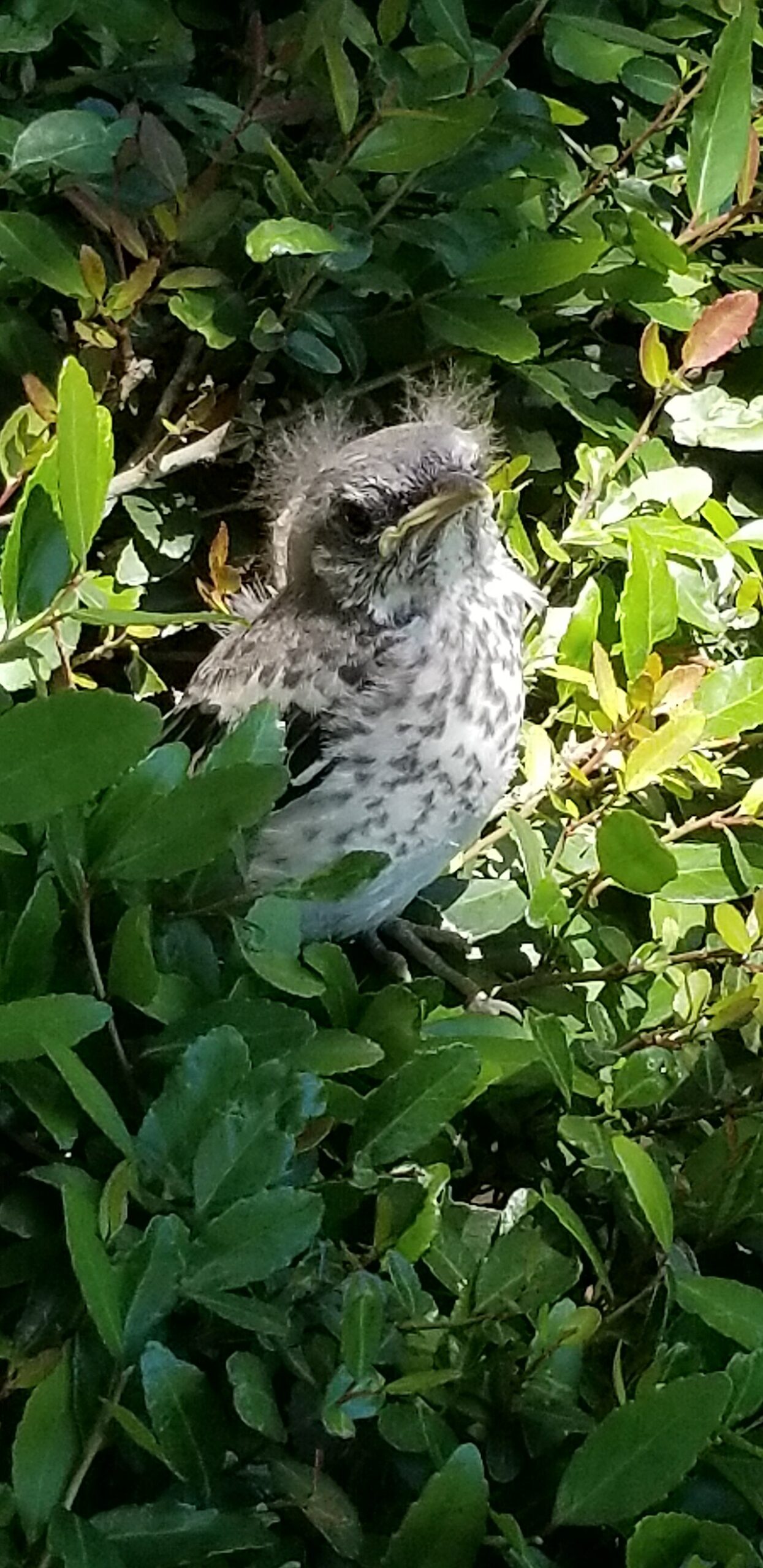
Beyond the famous mimicked repertoire, mockingbirds produce their own distinctive calls not borrowed from other species, most notably a harsh, sharp “chack” or scolding call used in territorial defense and general alarm contexts, a considerably less melodic sound than the varied mimicked song phrases covered above, serving a more direct, urgent communicative function during actual conflict or threat situations.
This scolding call intensifies noticeably when mockingbirds are actively defending a nest or territory against a perceived threat, whether another bird, a cat, or a human walking too close to an active nest site, and mockingbirds are genuinely known for their assertive, sometimes aggressive territorial defense, occasionally even diving at or harassing larger animals, including humans, that venture too close to a nest during the breeding season.
This willingness to aggressively defend territory, combined with the persistent, sometimes seemingly relentless singing covered throughout this guide, reflects the mockingbird’s overall bold, assertive temperament compared to many other similarly sized backyard birds, a behavioral pattern that, alongside their remarkable mimicry, contributes significantly to the mockingbird’s distinctive reputation among backyard bird enthusiasts and casual observers alike.
Persistent Singing and Nighttime Concerts
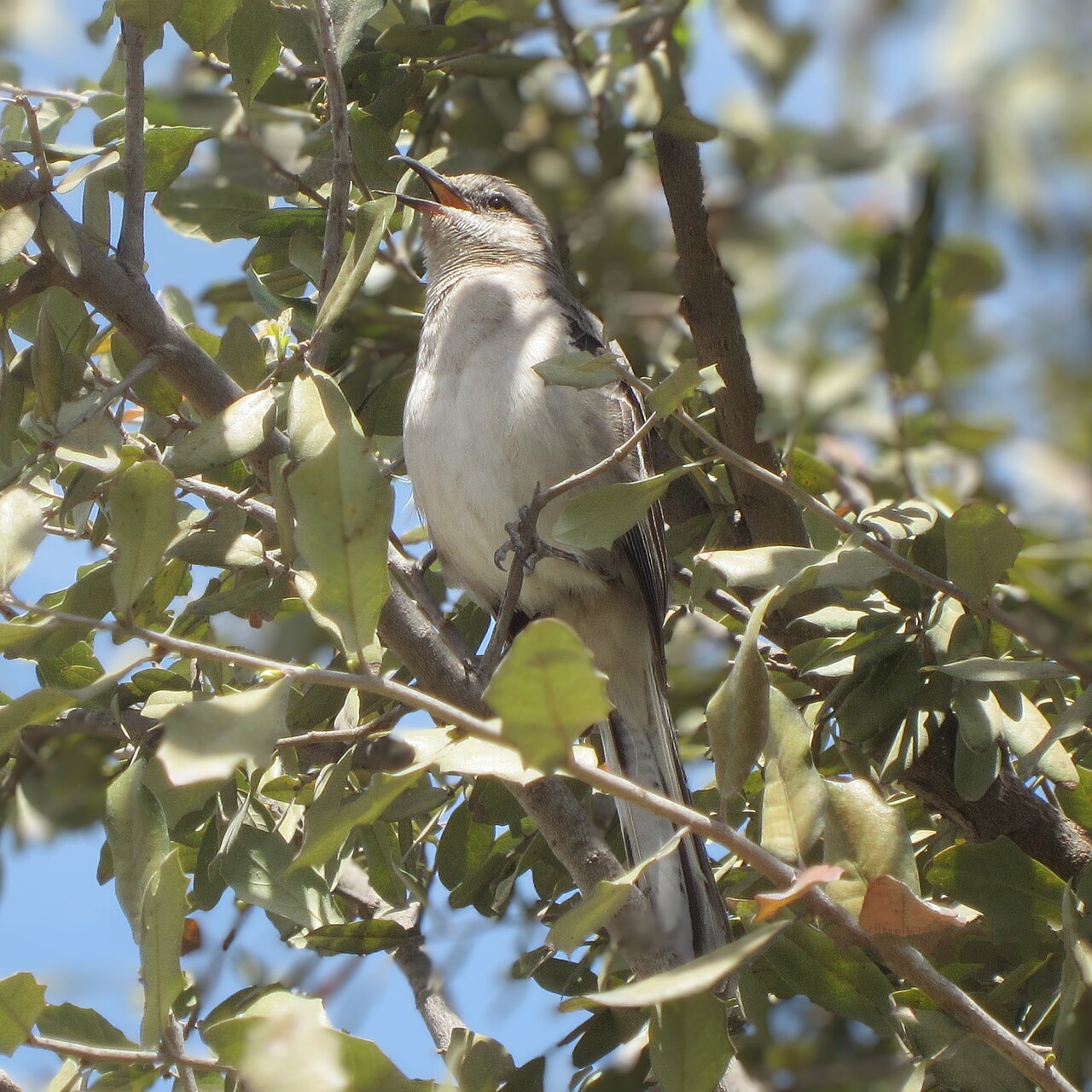
Mockingbirds are known for genuinely persistent singing, often continuing for extended periods with apparent tirelessness, a pattern particularly pronounced in unmated males during breeding season who may sing almost continuously throughout the day in an effort to attract a mate, making mockingbird song one of the more consistently present background sounds in many neighborhoods where this species is common.
Perhaps the most surprising and, for some listeners, genuinely frustrating mockingbird behavior is nighttime singing, with unmated males in particular sometimes singing persistently through the night, a behavior that appears especially pronounced near artificial lighting, possibly because streetlights or other consistent light sources disrupt the bird’s normal day-night activity cycle or provide sufficient illumination for the bird to continue its mate-attraction singing well past normal daytime hours.
This nighttime singing pattern specifically tends to diminish once a male successfully attracts a mate, meaning a persistently singing mockingbird outside your window through multiple nights in a row is likely an unmated male still actively searching for a partner, a genuinely useful piece of context for anyone specifically trying to understand or, more practically, hoping for eventual relief from an especially persistent nighttime singer in their immediate neighborhood.
Wing-Flashing: The Visual Accompaniment
Mockingbirds display a distinctive visual behavior called wing-flashing, rapidly and repeatedly opening their wings partially while foraging on the ground, revealing the white wing patches visible during flight, a behavior often accompanying or occurring near their vocal displays and generally believed to potentially help flush out insects or other prey from grass or ground cover, though the behavior’s precise function remains somewhat debated among researchers studying this species.
This wing-flashing display adds a genuinely distinctive visual element to mockingbird behavior beyond the vocal repertoire covered throughout most of this guide, and observers who notice this particular ground-foraging behavior alongside a mockingbird’s distinctive song can use both the visual and acoustic cues together for particularly confident species identification, especially useful for anyone still building familiarity with distinguishing mockingbirds from similarly sized and colored backyard bird species.
Some researchers have also proposed that wing-flashing may serve a secondary territorial or communicative function beyond pure prey-flushing, possibly signaling to rival mockingbirds or potential threats, though the prey-flushing explanation remains the most commonly cited functional theory, adding this visual behavior as one more genuinely interesting piece of the broader mockingbird behavioral repertoire worth watching for alongside their famous vocal capabilities.
Mockingbird Sounds vs the Species They Imitate
Because mockingbirds specifically mimic other bird species, distinguishing an actual species from a mockingbird’s imitation of that same species presents a genuine identification challenge, though several clues generally help resolve this confusion: mockingbirds typically repeat each mimicked phrase only a limited number of times, commonly 2 to 6 repetitions, before switching to an entirely different phrase, a pattern most actual single-species birds do not display within their own natural, more consistent song structure.
The sheer variety within a single extended mockingbird song sequence also provides a strong clue, since hearing what sounds like several completely different bird species singing in rapid succession from the exact same perch strongly suggests a single mimicking mockingbird rather than multiple different actual bird species happening to sing from the identical location in immediate succession, a pattern considerably more consistent with mockingbird behavior than genuine multi-species coincidence.
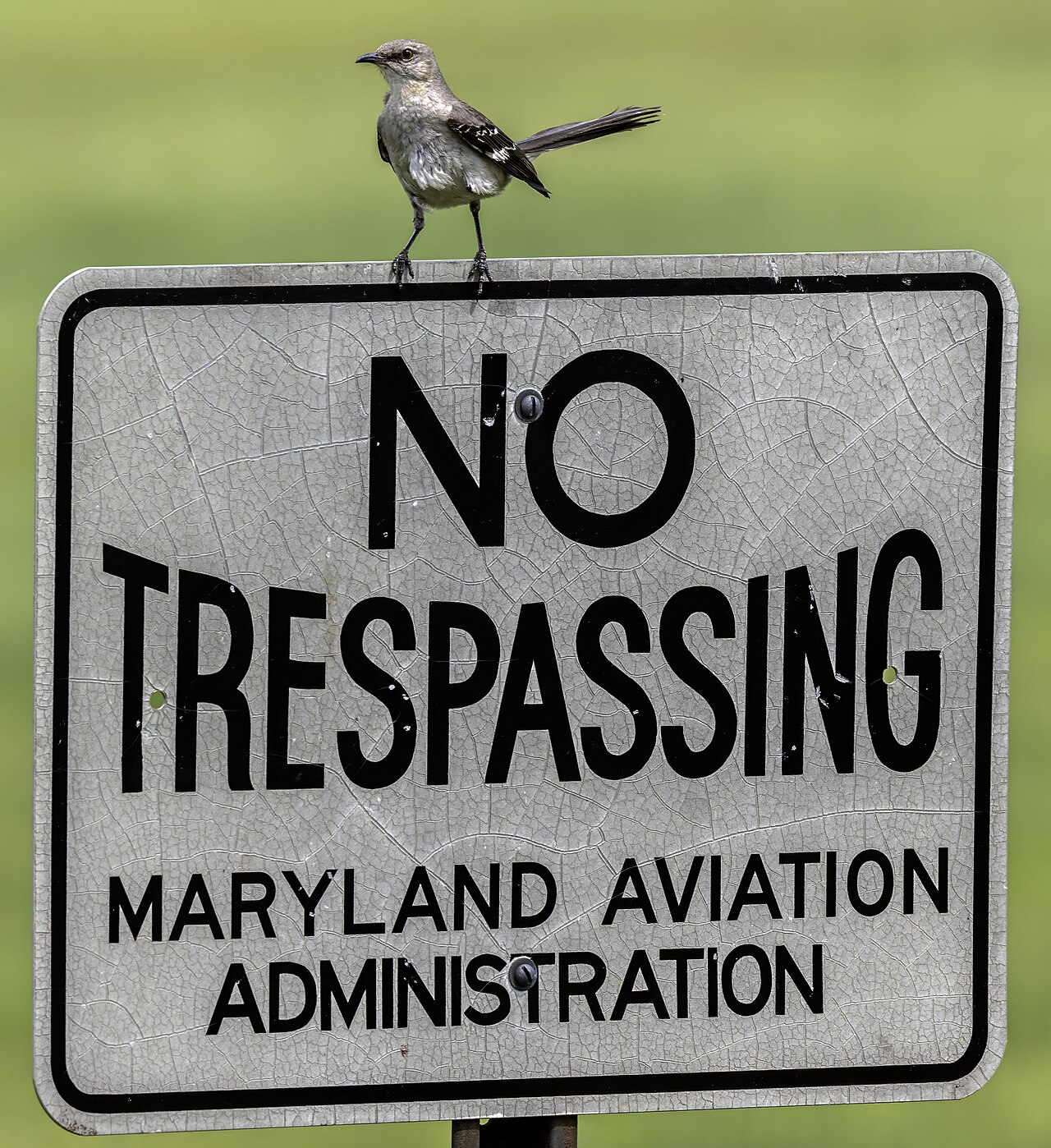
Visual confirmation remains the most definitive method when available, since mockingbirds display their own distinctive gray-and-white plumage and characteristic long tail regardless of which species’ song they happen to be currently reproducing, meaning spotting the actual bird producing an uncertain call resolves the mimicry question immediately, similar to how visual confirmation helps resolve the blue jay’s own documented hawk-call mimicry in cases where that species’ vocal trickery creates similar identification uncertainty.
Mockingbirds Among the Backyard’s Other Vocal Performers
Mockingbirds share their backyard soundscape with several other genuinely vocal species, though few match their specific mimicry capability; blue jays produce their own documented hawk-call mimicry, but generally limit this imitation to a narrower range of specific sounds rather than the dozens of species mockingbirds routinely incorporate into their extended song sequences.
Compared to the mammalian vocal repertoire covered in guides like fox sounds and squirrel sounds, mockingbird vocalization operates on an entirely different acoustic principle, built around learned imitation of other species rather than the fixed, largely instinctual call repertoire most mammals display, making mockingbirds a genuinely unique case study in vocal learning within the broader backyard wildlife soundscape.
Understanding where mockingbird sounds fit within this broader web of backyard vocal communication helps build a more complete appreciation for the genuine acoustic diversity present in most yards and neighborhoods, with the mockingbird’s remarkable mimicry standing as one of the more scientifically fascinating examples of vocal learning documented among common, easily observed backyard wildlife.
Mockingbirds vs Similar Species
The brown thrasher, a close relative sharing some general size and coloration similarity with the mockingbird, also shows some vocal mimicry capability, though generally to a lesser degree than the mockingbird’s more extensive and famous repertoire, with the northern mockingbird vs brown thrasher comparison covering the specific visual and vocal distinctions between these two related species in complete identification detail.
Other backyard birds occasionally get confused with mockingbirds based on general gray coloration or overall body shape, though the mockingbird’s distinctive long tail, white wing patches visible in flight, and above all its genuinely unique extended, varied singing pattern generally allow for confident identification once an observer becomes familiar with these combined visual and vocal characteristics distinguishing this species from its more vocally limited neighbors.
For anyone specifically drawn to the mockingbird’s remarkable vocal abilities and broader symbolic significance, our mockingbird symbolism guide explores the cultural and spiritual meanings various traditions have attached to this genuinely distinctive bird, connecting the biological mimicry behavior covered throughout this guide to the broader symbolic weight many cultures have placed on this species specifically because of its unusual vocal capabilities.
What Mockingbird Sounds Reveal About Your Yard
Persistent mockingbird singing in a specific area generally indicates an actively defended territory, and the specific mimicked species included in a local mockingbird’s repertoire can actually provide some indirect information about which other bird species are or have recently been present in the surrounding area, since mockingbirds can only mimic sounds they have actually heard within their environment.
Nighttime singing specifically near artificial lighting sources suggests an unmated male still actively seeking a partner, information that, while not something homeowners can necessarily act on to stop the behavior, at least provides useful context for understanding why this particular persistent nighttime singing is occurring rather than assuming it represents some kind of abnormal or concerning behavior on the bird’s part.
For anyone simply appreciating the genuine acoustic complexity mockingbirds bring to a backyard soundscape, learning to recognize the specific pattern of repeated-then-switched phrases characteristic of mockingbird mimicry, distinct from the more consistent, unchanging song patterns most other backyard bird species display, opens up a genuinely rewarding new layer of attentive listening to what might otherwise seem like simple background bird noise throughout the day.
Related reading: Loon Sounds.
Related reading: Bald Eagle Sounds.
Related reading: Crow Sounds.
Related reading: Whip-poor-will Sounds.
Related reading: Carolina Wren Sounds.
Related reading: Killdeer Sounds.
Frequently Asked Questions
Why do mockingbirds imitate other birds?
Researchers believe this remarkable mimicry serves both territorial defense and mate attraction, with a larger, more varied repertoire potentially signaling greater fitness or experience to rivals and potential mates alike.
How can I tell if I’m hearing a real bird or a mockingbird imitating it?
Mockingbirds typically repeat each mimicked phrase only 2 to 6 times before switching to an entirely different phrase, and hearing several apparently different species singing in rapid succession from the same perch strongly suggests a single mimicking mockingbird.
Why do mockingbirds sing at night?
Unmated males in particular sometimes sing persistently through the night, especially near artificial lighting, likely because the light disrupts normal day-night activity cycles, and this behavior often diminishes once the male attracts a mate.
How many different sounds can a mockingbird imitate?
Individual mockingbirds can learn and accurately reproduce the songs and calls of dozens, sometimes over 100, different bird species over their lifetime, along with various mechanical and environmental sounds.
What does a mockingbird’s own call sound like?
Beyond mimicked songs, mockingbirds produce a harsh, sharp scolding call used in territorial defense and alarm, a considerably less melodic sound reserved for actual conflict or threat situations.
Why do mockingbirds flash their wings while foraging?
This behavior, called wing-flashing, is generally believed to help flush insects or other prey from grass or ground cover, though the precise function remains somewhat debated among researchers studying the species.
Are mockingbirds aggressive?
They can be genuinely assertive in territorial defense, occasionally diving at or harassing much larger animals, including humans, cats, and other birds that venture too close to an active nest during breeding season.