Rabbit Sounds: Thumping, Screaming, and Tooth Grinding
Rabbits are far quieter than most pets, and the sounds they do make carry unusually specific meanings. The main ones are thumping with a hind foot for alarm, a soft tooth purr for contentment, honking or grunting during courtship, growling as a warning, hissing when genuinely angry, and a scream, which is a distress call so loud and so human-sounding that people who hear one outdoors at night frequently call emergency services.
The distinction that matters most for anyone keeping rabbits is between the soft purr and loud tooth grinding. Both involve the teeth, they sound superficially similar, and they mean opposite things. A quiet vibrating purr means a relaxed rabbit. Loud, audible, crunching tooth grinding means pain, and exotic animal veterinarians treat it as a red flag requiring same-day assessment.
| Sound | Meaning |
|---|---|
| Thump | Alarm or strong displeasure |
| Soft tooth purr | Content, relaxed, often while being stroked |
| Loud tooth grinding | Pain, veterinary emergency |
| Honk or grunt | Courtship, excitement, circling |
| Growl | Territorial warning, often before a lunge |
| Hiss | Anger, usually rabbit to rabbit |
| Scream | Extreme distress, terror or severe pain |
Every Sound a Rabbit Makes
Rabbits are prey animals and silence is a survival strategy, so their vocal repertoire is small compared with that of a dog or a cat. Most communication happens through body position, ear angle, and scent, and sound is reserved for situations where those channels are not enough.
The audible set breaks into three groups. Vocal sounds proper include the grunt, honk, growl, hiss, whimper, and scream. Tooth sounds include the soft purr and the loud grind. Non-vocal sounds include the hind foot thump and, less obviously, the sound of a rabbit shifting position abruptly, which functions as a mild alarm within a bonded group.
Wild rabbits use an even narrower range. A wild eastern cottontail may go its entire life producing nothing louder than a soft grunt, and the scream is often the only sound a person ever hears from one. Domestic rabbits vocalise more because they live in closer contact with humans and other rabbits.
Hearing itself is exceptional in both. A rabbit’s ears rotate independently through nearly a full circle and detect frequencies well above the human range, which is why a rabbit reacts to something a person cannot perceive at all. Sudden freezing with the ears swivelled in one direction is worth reading as seriously as a thump.
Thumping: The Alarm Signal

Thumping is the most recognisable rabbit sound and the most misread. The rabbit lifts and slams one hind foot against the ground, producing a sharp knock that carries through soil, floorboards, and hutch bases. In the wild it warns others in the warren of a predator, and the vibration travels through the ground to rabbits underground.
In a house it means something broader. Rabbits thump at genuine alarm, at an unfamiliar noise, at a dog outside, and also at plain displeasure. A rabbit thumping repeatedly after being put back in a pen is expressing frustration rather than fear, and the two are distinguishable by posture: an alarmed rabbit freezes with ears up, a frustrated one moves normally between thumps.
Repeated thumping through the night usually means a rabbit is detecting something you are not, most often a fox, cat, or raccoon outside. Wild rabbits do the same thing, which is why a thump from a hedge at dusk is worth paying attention to. Our guide to fox sounds covers the animal most often responsible.
Why Rabbits Scream
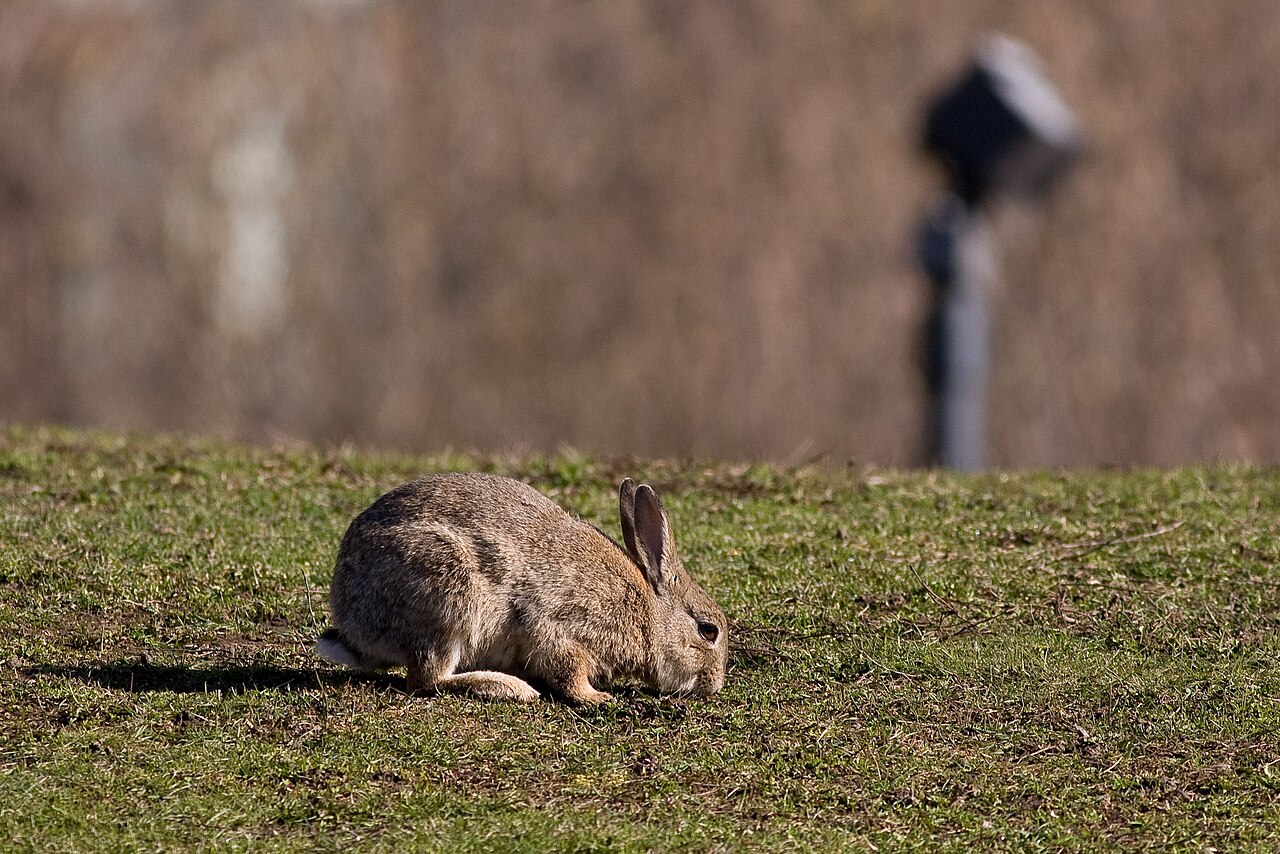
The rabbit scream is one of the most distressing sounds in nature, a high piercing shriek that sounds startlingly like a human child. It is produced only under extreme conditions: being caught by a predator, severe pain, or overwhelming terror. A healthy, calm rabbit will never make this sound.
Outdoors at night, a scream almost always means a wild rabbit has been caught, usually by a fox, coyote, owl, or domestic cat. It typically lasts only a few seconds and ends abruptly. This is the single most common source of nighttime screaming calls to police and animal control in suburban areas, alongside foxes and raccoons.
For a pet rabbit, a scream is a genuine emergency. Handling that triggers it means something is badly wrong, and a rabbit that screams when picked up or touched in a specific place is signalling acute pain rather than dislike. Immediate veterinary assessment is the correct response. Our guides to coyote sounds and raccoon sounds cover the other night screams people report.
Purring vs Tooth Grinding
Rabbits purr by lightly vibrating the teeth against each other, and the result is a soft rapid buzzing you feel more than hear, usually detectable only with a hand on the rabbit’s head. It occurs when a rabbit is relaxed, most often while being stroked along the forehead or cheeks, and it is the closest equivalent to a cat’s purr.
Loud tooth grinding is a different behaviour with the opposite meaning. It is audible from across a room, slower, and has a crunching or grating quality, and it indicates pain. Rabbits hide illness aggressively because showing weakness attracts predators, so by the time one is grinding its teeth audibly the underlying problem is usually advanced.
The accompanying signs confirm it. A rabbit in pain sits hunched with the abdomen tucked, eyes half closed, ears held back, and stops eating and producing droppings. Gut stasis is the most common cause and it can become fatal within 24 to 48 hours, which is why the grinding is treated as urgent rather than as something to monitor.
Honking, Grunting, and Circling
Honking is a soft repeated nasal sound, sometimes described as oinking, given by a rabbit circling another rabbit or a person’s feet. It is courtship behaviour, and unneutered males do it most, though neutered rabbits of both sexes continue it as an excitement or attention-seeking display.
Grunting is shorter and sharper and covers a wider range of meanings. It can be mild annoyance, anticipation of food, or a warning that the rabbit wants to be left alone. Context and posture separate them: a grunt from a rabbit approaching you is excitement, a grunt from one that has turned away with ears back is a warning.
Circling combined with honking around a person’s ankles is very common in house rabbits and is frequently misread as affection. It is closer to courtship or dominance behaviour, and in unneutered rabbits it usually accompanies spraying. Neutering reduces it substantially without removing the rabbit’s sociability.
Growls, Hisses, and Warnings
A rabbit growl is a low guttural sound, quite unlike a dog’s, and it is a clear warning. It typically comes from a rabbit defending a territory, a food bowl, or a nest, and it frequently precedes a lunge with the front feet or a bite. A growling rabbit should be given space rather than reassured.
Hissing is rarer and is usually directed at another rabbit rather than at a person. It occurs during introductions between unbonded rabbits and during territorial disputes, and it signals that a fight is likely if neither animal backs down. Rabbit fights can cause serious injury quickly, so hissing during a bonding attempt means separating them.
Whimpering is the quietest warning and the easiest to miss. Pregnant does whimper at males, and any rabbit may whimper when handled in a way it dislikes. It is a request to stop, and respecting it prevents escalation to growling and biting.
Do Wild Rabbits Make Noise?
Rarely. Wild eastern cottontails are close to silent under normal conditions, relying on freezing, flattening, and running rather than on sound. Their main audible signals are the thump and, in emergencies, the scream, and most people never hear either from a wild rabbit despite living alongside them.
Nestlings are the exception. A disturbed nest of young cottontails produces faint squeaking, and because rabbit nests are shallow scrapes in lawns covered with grass and fur, mowers and dogs find them regularly. The mother visits only at dawn and dusk, so a nest that looks abandoned usually is not.
Wild rabbits thump for the same reasons domestic ones do, and hearing one from a hedge line at dusk means the animal has detected you or a predator. Our guide to the baby rabbit covers what to do about a nest found in a yard, and rabbit poop covers confirming which animal is using the space.
What Rabbit Sounds Tell You About Health
Sound is one of the more useful early warning systems with a species that conceals illness so effectively. Loud tooth grinding is the clearest signal and warrants same-day veterinary attention, particularly when combined with a hunched posture and reduced droppings.
Breathing sounds matter as much as vocalisations. Rabbits are obligate nose breathers, so audible wheezing, clicking, snuffling, or any open-mouth breathing is abnormal and often indicates respiratory infection or an obstruction. Open-mouth breathing in a rabbit is an emergency rather than a symptom to watch.
Changes in normal behaviour carry information too. A rabbit that usually purrs during stroking and stops, or one that begins grunting at handling it previously accepted, is often signalling discomfort before any other sign appears. Our guide to the Netherland dwarf covers breed-specific care considerations.
Frequently Asked Questions
What noises does a rabbit make?
Thumping with a hind foot for alarm, a soft tooth purr when content, honking or grunting during courtship and excitement, growling as a territorial warning, hissing at other rabbits, whimpering to signal discomfort, and screaming in extreme distress. Rabbits are naturally quiet, so any loud sound is significant.
Why do rabbits scream at night?
A scream means extreme distress, usually a wild rabbit caught by a fox, coyote, owl, or cat. It is high, piercing, disturbingly human-sounding, lasts a few seconds, and ends abruptly. It is one of the most common causes of nighttime calls to police and animal control in suburban areas.
What does it mean when a rabbit grinds its teeth?
It depends entirely on volume. A soft vibrating purr you feel more than hear means contentment. Loud grinding audible across a room means pain and is a veterinary emergency, especially with a hunched posture, reduced eating, or fewer droppings. Gut stasis can become fatal within 24 to 48 hours.
Why does my rabbit thump?
Alarm or displeasure. Thumping warns other rabbits of a predator and the vibration travels through the ground. In a house it also expresses frustration. An alarmed rabbit freezes with ears up between thumps, while a frustrated one moves around normally, which is how the two are told apart.
How do you say I love you in rabbit language?
Rabbits express affection mainly through behaviour rather than sound: grooming, lying down beside you, flopping onto their side, and the soft tooth purr when stroked. The equivalent gesture from a person is a gentle stroke across the forehead, which mirrors the grooming rabbits do to each other.
Why does my rabbit honk and circle my feet?
That is courtship behaviour rather than affection. Unneutered males do it most, though neutered rabbits of both sexes continue it as excitement or attention seeking. In unneutered rabbits it commonly accompanies spraying, and neutering reduces it substantially without affecting sociability.
Do wild rabbits make sounds?
Very rarely. Wild cottontails are almost silent, relying on freezing and running rather than sound, and the thump and the scream are the only signals most people ever hear from one. Disturbed nestlings produce faint squeaking, which is often the first sign of a nest hidden in a lawn.