Animals That Eat Wasps: Nature’s Wasp Control
The animals that eat wasps include badgers, skunks, raccoons, black bears, bats, shrews, mice, frogs, toads, lizards, dragonflies, robber flies, praying mantises, spiders, centipedes, and a long list of birds. Badgers and skunks are the ones that matter most for nests in the ground, because they dig the whole colony out and eat the brood rather than picking off individual adults.
Wasps have fewer predators than most insects of their size, and the sting is the reason. Anything that eats them has to solve that problem, and the solutions are interesting: thick fur and loose skin, attacking at night when the colony is torpid, striking so fast the wasp cannot orient, or simply removing the sting before swallowing. This guide covers each group, how they get around the defence, and why wasps are worth having despite the reputation.
Badgers, skunks, raccoons, black bears, bats, shrews, frogs, toads, lizards, dragonflies, robber flies, mantises, and spiders all eat wasps, along with many birds. Mammals that raid nests dig them out at night when the colony is cold and sluggish. Thick fur, loose skin, and speed are the main defences against being stung.
| Predator | How It Handles the Sting |
|---|---|
| Badger | Thick fur and loose skin; digs out nests |
| Skunk | Raids ground nests at night; dense fur |
| Black bear | Fur and fat layer; tears nests apart |
| Bats | Catch adults in flight after dark |
| Dragonflies | Seize prey mid-air from behind |
| Robber flies | Ambush strike, paralysing saliva |
| Praying mantis | Grip behind the head, eat head first |
What Is a Wasp’s Biggest Predator?
Badgers are the most destructive wasp predators in the parts of the world where they occur, and skunks fill the same role across most of North America. Both dig out ground nests, tearing through the soil to reach the comb and eating larvae, pupae, and adults together, and a single night’s work can destroy a colony that took a whole summer to build.
The reason they get away with it is physical. Dense fur and thick loose skin mean most stings never reach anything sensitive, and both animals raid at night when temperatures have dropped and the wasps are torpid and slow to defend. A colony that would swarm a person at midday barely responds at two in the morning.
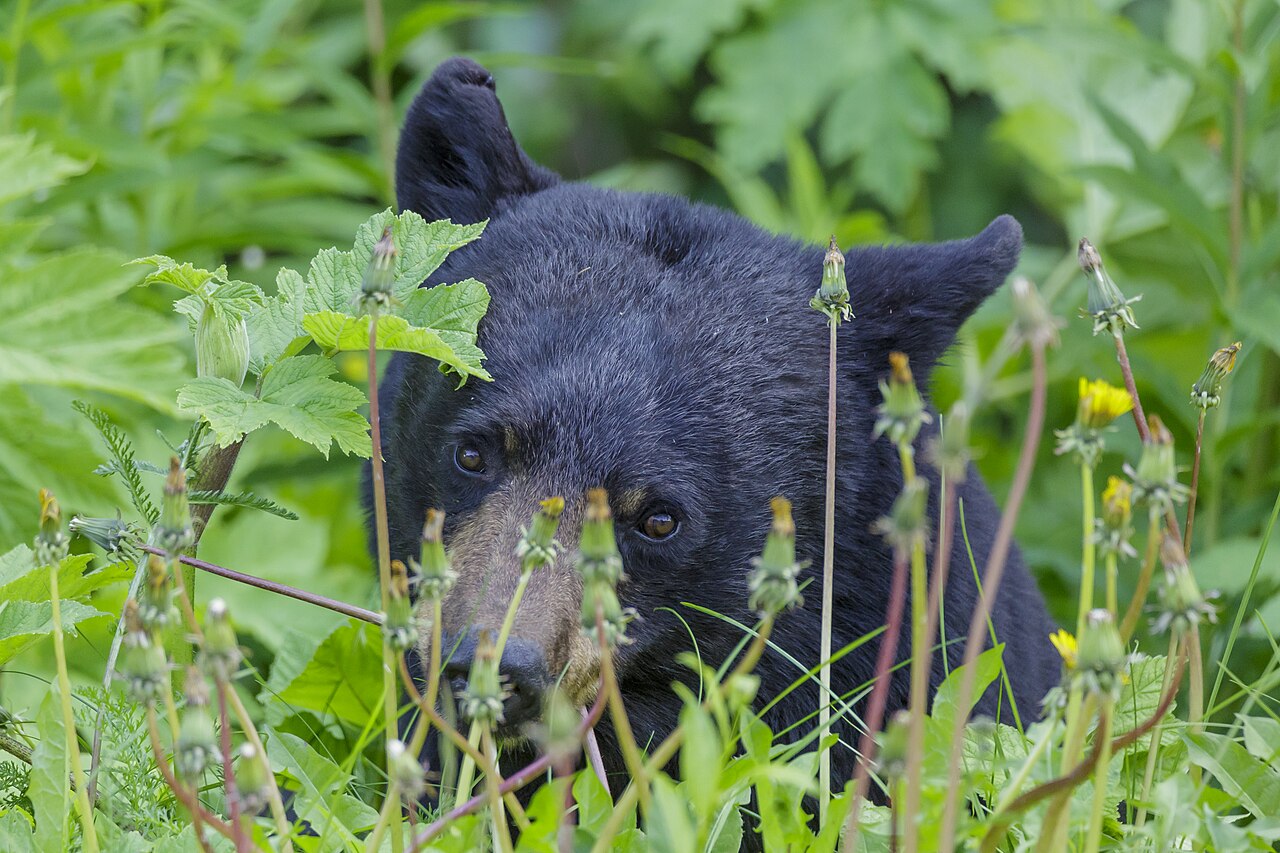
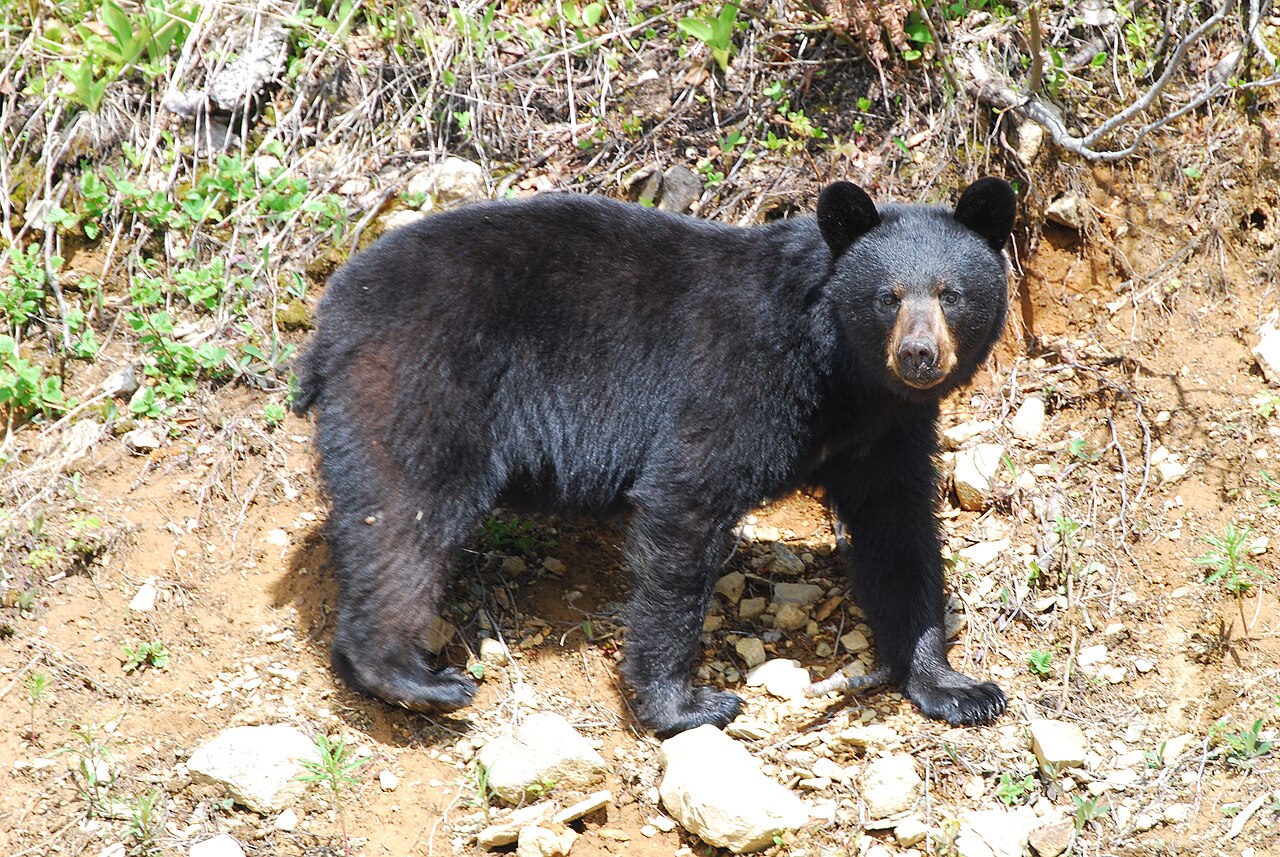
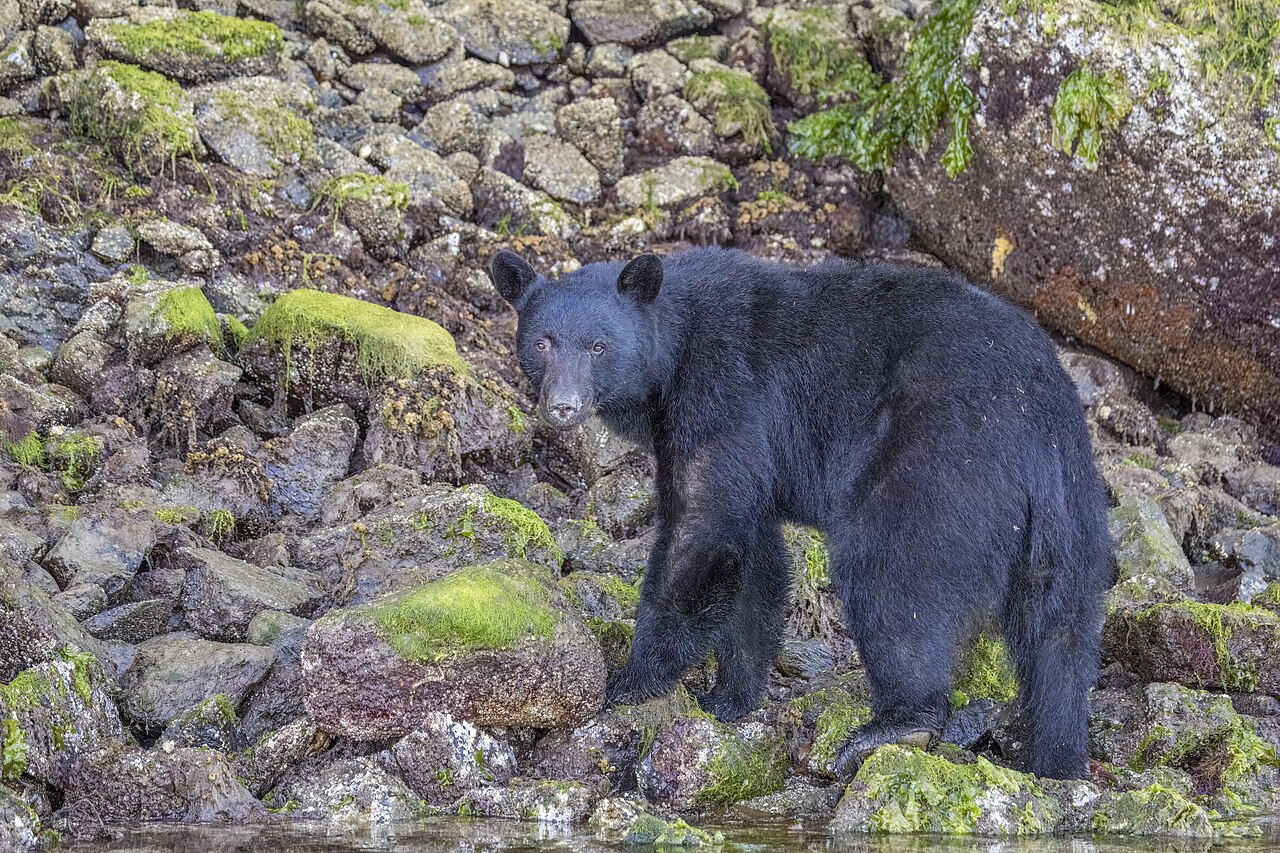
Black bears do the same thing on a larger scale, ripping open ground nests and pulling down aerial nests for the protein-rich brood, and raccoons and opossums take nests opportunistically. Torn-up ground nests with scattered comb fragments are one of the most common ways people discover a wasp colony existed at all. The hornet nest vs wasp nest guide covers what those nests look like intact.
Which Insects Eat Wasps?
Dragonflies are the most effective aerial predators of adult wasps, catching them in flight with a basket formed by the legs and consuming them on the wing or on a perch. Their success rate on targeted prey is extraordinarily high, and a large dragonfly patrolling a pond takes wasps, bees, and flies with no apparent preference between them.
Robber flies are the specialists. They perch, wait, and launch at passing insects, seizing them mid-air and driving a stout piercing mouthpart between the segments of the prey’s armour, injecting saliva that paralyses and liquefies the tissue. Robber flies routinely take insects larger than themselves, including wasps and bumblebees, and the strike happens before the prey can turn to sting.
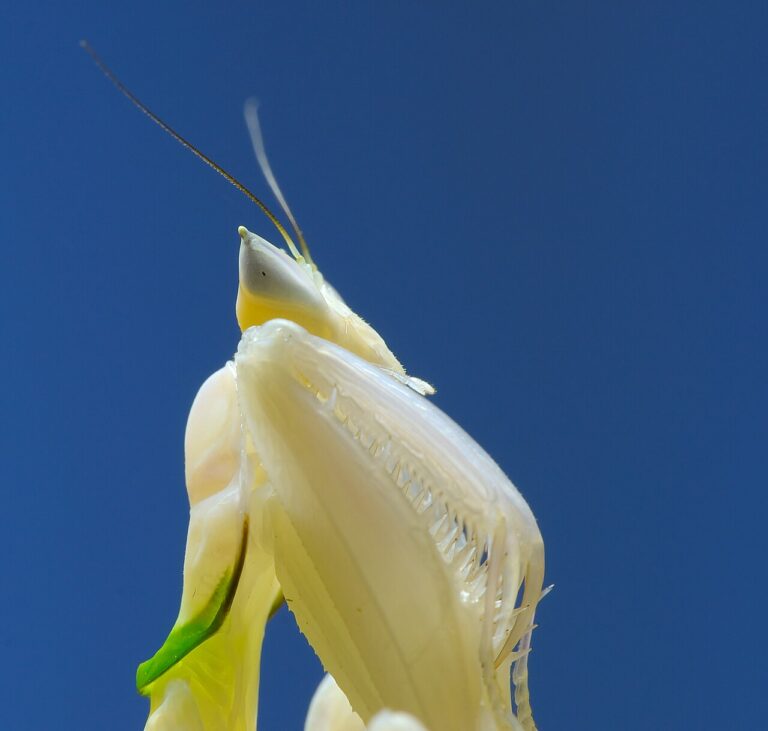
Praying mantises grab wasps with their raptorial forelegs and begin eating at the head, which removes the nervous coordination needed to sting. Some spiders take wasps in webs, though many wasps escape or cut themselves free, and a few spider species specialise on them. Centipedes and beetles take wasps that fall or overwinter on the ground. The hornet vs wasp guide covers the distinctions between the insects being hunted.
Do Wasps Have Insect Enemies of Their Own Kind?
Yes, and wasps are among the most important predators of other wasps. Larger species raid smaller colonies for brood, and hornets are notorious for it. In Asia, the giant hornet raids honeybee and smaller wasp nests in coordinated attacks that can destroy a colony in hours, decapitating defenders and carrying the brood back to feed its own larvae.
Parasitoid wasps attack wasp nests from a different angle, laying eggs in the larvae of other species so their own larvae consume the host from inside. Several small parasitoid species specialise on paper wasp and yellowjacket brood, and the parasitism rate in some nests is high enough to limit colony growth.
Within a species, competition is direct. Yellowjacket queens frequently usurp each other’s early nests, killing the resident queen and adopting her workers, and rival colonies raid each other for brood late in the season when food runs short. The murder hornet guide covers the species whose nest-raiding behaviour drove most of the recent public attention.
Do Bats and Amphibians Eat Wasps?
Bats take wasps as part of general insect foraging, though the timing works against it: most wasps are diurnal and are back in the nest by the time bats emerge. Wasps and hornets caught flying at dusk or attracted to lights are taken readily, and some tropical bats raid nests directly.
Frogs and toads eat wasps regularly and appear largely untroubled by the sting. A toad sitting under a porch light or beside a nest entrance takes wasps as they pass, swallowing them whole, and the mucus and rapid swallowing seem to prevent most stings from landing. Bullfrogs will take large wasps and even hornets without hesitation.
Lizards, particularly fence lizards, anoles, and skinks, take wasps from vegetation and from around nests, and some geckos hunt them at outdoor lights. Shrews and mice eat wasps that fall to the ground, overwintering queens hidden in leaf litter, and larvae from broken nests. Overwintering queens are in fact where a large share of total wasp mortality happens, long before any nest exists.
Which Birds Eat Wasps?
Plenty do, and the technique varies. Summer tanagers are the North American specialists, catching wasps and bees in flight and then wiping the sting out against a branch before swallowing, a behaviour they use so consistently that they can strip a nest over several days. European bee-eaters do the same thing in the Old World with more precision.
Flycatchers, kingbirds, phoebes, swallows, martins, and swifts all take flying wasps opportunistically, and chickadees, nuthatches, wrens, and woodpeckers take larvae from broken or abandoned nests. Blue jays, crows, and grackles take adults and will tear at accessible nests, and in Europe the honey buzzard is a full specialist that digs out ground nests for the comb.
Bird predation on wasps is significant but rarely destroys a healthy colony, since defending workers drive most birds off quickly. The exceptions are the specialists that have solved the sting problem and can therefore feed at a nest repeatedly. The guide to birds that eat wasps covers the species and techniques in detail.
What Animal Would Destroy a Wasp Nest?
Ground nests are destroyed by digging mammals: skunks, badgers, raccoons, opossums, foxes, and bears. The pattern is unmistakable, a conical excavation at the nest entrance with fragments of grey papery comb scattered across the surrounding ground, usually appearing overnight.
Aerial nests are harder to reach and are taken less often, but bears will climb for them, raccoons pull down low ones, and birds tear at exposed combs once a colony weakens in autumn. A large bald-faced hornet nest hanging in a tree is comparatively safe from mammals through the season, which is part of why the species builds where it does.
Weather and season destroy more nests than any predator. Annual colonies of yellowjackets, paper wasps, and hornets die out entirely with the first hard frosts, leaving only mated queens to overwinter, and the nest is never reused. A nest hanging in a tree in February is empty and harmless, and removing it achieves nothing beyond tidiness.
Why Should Wasps Not Be Killed?
Because they are predators doing work that people otherwise pay for. Social wasps hunt caterpillars, flies, aphids, and beetle larvae to feed their brood, and a single yellowjacket colony removes many thousands of insects from the surrounding area over a season. Removing wasps from a garden reliably increases the pest load in it.
They are also pollinators, less efficient than bees because they lack dense body hair, but significant nonetheless, and some plants depend on them entirely. The fig and fig wasp relationship is the best known example, an obligate mutualism in which neither organism can reproduce without the other.
Wasps also feed the predators above them, and colonies that survive the summer are what supports the badgers, skunks, and specialist birds that raid them. Nests genuinely worth removing are limited to those in doorways, wall voids, playground equipment, or anywhere someone with a sting allergy passes daily. A nest at the far end of a garden is doing useful work.
What Is a Wasp’s Defence Against Predators?
The sting is a modified ovipositor, which is why only females have one, and unlike a honeybee’s it is smooth rather than barbed, so a wasp can sting repeatedly without dying. Venom is delivered under muscular pressure and includes compounds that cause pain directly rather than merely damaging tissue.
Alarm pheromone is the more consequential defence. A wasp that stings or is crushed releases a chemical that recruits nestmates and marks the target, which is why swatting one near a nest so often produces several more. This is the mechanism behind most multiple-sting incidents, and it is why walking calmly away beats defending yourself.
Black and yellow banding is a warning signal, and it works well enough that a large number of harmless insects mimic it, including hoverflies, some moths, and various beetles. That mimicry is so widespread that a striped insect in a garden is more likely to be a harmless mimic than a wasp. The red wasp guide covers one of the species most often encountered around houses.
Do Wasps Remember Who Attacked Them?
Paper wasps can recognise individual faces of other wasps, which is well documented in the genus Polistes, where distinctive facial markings support a dominance hierarchy and experiments show the recognition breaks down when markings are altered. Whether they extend that ability to human faces is less clear, and research on the question is limited.
What is certain is that wasps learn locations. Colonies remember where reliable food sources are and return to them repeatedly, which is why a picnic table used once becomes a fixture, and they learn the approach path to the nest in detail. A person who disturbs a nest becomes associated with the site rather than necessarily with their own appearance.
The practical implication is that a nest disturbed once tends to be more defensive afterwards, and colonies that have been attacked stay agitated for hours. If a nest needs dealing with, doing it once, at night, thoroughly, is better than repeated partial attempts. Entomology extension programmes such as Penn State Extension (psu.edu) publish species-specific guidance worth reading before acting.
Frequently Asked Questions
What is a wasp’s biggest predator?
Badgers where they occur, and skunks across most of North America. Both dig out ground nests at night when the colony is cold and sluggish, and thick fur and loose skin protect them from most stings.
What animal can kill a wasp?
Many: skunks, badgers, raccoons, bears, bats, shrews, frogs, toads, lizards, dragonflies, robber flies, mantises, spiders, and numerous birds. Larger wasps and hornets also kill smaller wasps.
What animal would destroy a wasp nest?
Ground nests are dug out by skunks, badgers, raccoons, foxes, and bears, leaving a cone-shaped hole with scattered comb. Aerial nests are mostly safe from mammals until a colony weakens in autumn.
How do predators avoid being stung?
Thick fur and loose skin in mammals, raiding at night when wasps are torpid, striking from behind in flight, gripping behind the head, or wiping the sting out against a branch before swallowing.
Why should wasps not be killed?
They hunt caterpillars, flies, aphids, and beetle larvae in large numbers, so removing them increases garden pests. They also pollinate, and some plants such as figs depend on specific wasps entirely.
Do wasps remember who attacked them?
Paper wasps recognise each other’s faces, and colonies clearly remember locations and stay defensive for hours after a disturbance. Whether they recognise individual human faces is not well established.
Do wasps have insect enemies?
Yes, including other wasps. Hornets raid smaller colonies for brood, parasitoid wasps lay eggs in wasp larvae, and rival yellowjacket colonies raid each other late in the season when food is scarce.