Gray Wolf Spirit Animal: Meaning, Traits and 9 Signs
A gray wolf spirit animal stands for loyalty, instinct and leadership that does not need to raise its voice. Seeing a gray wolf (Canis lupus) on a trail, in a dream or in a photograph that keeps finding you is a call to trust what you already sense and to look hard at who belongs in your circle.
In modern practice, seeing a gray wolf is a call to trust your instincts. The gray wolf stands for loyalty to your chosen people, freedom balanced with responsibility and quiet leadership, and its gray coat adds balance between extremes. Nine signs below show whether it is your animal.
What the Gray Wolf Means as a Spirit Animal
The gray wolf as a spirit animal means instinct, loyalty and the pull between independence and belonging to a pack. In modern readings the wolf arrives when you have been talking yourself out of what your gut already knows.
The gray in particular matters. The white wolf carries light, purity and vision, the black wolf carries shadow and hidden power, and the gray wolf sits between the two. Its message is balance and realism, strength without purity and instinct without menace, from a guide that has seen both sides and chooses the middle path. Coats in Canis lupus range from near white to black, with gray the familiar form, and each color has grown its own meaning.
When the gray wolf arrives, it marks a phase in which you are asked to lead without dominating and to choose your circle deliberately. A wolf’s loyalty is narrow and absolute, and that is the standard it sets for you.
Gray Wolf Spirit Animal Personality: Core Strengths
A person with a gray wolf spirit animal is protective, quick to read people, communicative inside a small trusted group and strategic rather than impulsive. Practitioners describe someone who notices the one person at the table who is not being straight and says nothing until it matters. Wolves live and hunt in family packs, a breeding pair with their offspring, and that single fact carries the whole metaphor.
At work this looks like the colleague who builds a tight team and defends it upward. A wolf person takes the blame for a junior’s mistake in the meeting and settles it privately afterward, and the team knows the difference. In friendships it means a few people held for decades and a slow door for newcomers. In families the wolf person notices a sibling drifting and quietly pulls them back in. In a relationship the wolf person wants a partner who is a packmate first, someone who shares the work, and finds flattery without follow-through harder to forgive than a plain argument.
Gray Wolf Spirit Animal for a Woman
The female version sharpens these traits. A woman with the gray wolf as her guide is a fierce protector of her own, a leader who runs the room without display and who expects the same loyalty she gives. The beaver offers a different kind of strength, patient work on one structure rather than the wolf’s work on relationships.
The Shadow Side of the Wolf Spirit
The shadow side of the wolf spirit is distrust of outsiders, withdrawal into lone-wolf isolation, territorial jealousy and a stubborn inability to ask for help. Each one is the same strength bent too far. Loyalty becomes suspicion of every newcomer, so that a friend’s new partner is treated as a rival before anyone has spoken.
Modern guides treat the shadow as part of the message rather than a curse. The wolf shows up precisely because the balance has tipped.
Four questions test where you stand. When did you last let a new person all the way in? Who has asked to see you lately, and did you go? Do you resent a friend’s new friend? What are you carrying alone that two people could lift?
9 Signs the Gray Wolf Is Your Spirit Animal
Nine signs point to the gray wolf as your spirit animal. Modern spirit-animal practice treats them as patterns across a life rather than single events, and no real wolf is required.
- Wolves keep finding you, on book covers, trail signs, a stranger’s jacket, a child’s name, and the pull started in childhood, long before you knew anything about the animal.
- Wolves walk through your dreams more than once a year, calm or hunting, and you remember them in the morning when other dreams fade.
- Your circle is small and you guard it with a fierceness that surprises people. You have ended a friendship over a slight to someone else, not to you.
- You need days alone and then crave company with the same intensity, and your friends have learned not to take the silent stretch personally.
- You speak little in groups until you know who is safe, and once you do, the people in that group hear more from you than anyone else does.
- You read a stranger in seconds, and when you check that first judgment weeks later it holds up more often than it fails.
- You step in front of the weakest member of any group without deciding to, the intern in the meeting or the quiet cousin at the table.
- Open-ended work on a trail or a long project calms you, while a fixed desk schedule with no horizon leaves you restless within a week.
- You feel fully awake outdoors at dusk, when the light drops and the air changes, and you plan your walks around that hour.
Three or more signs that fit without effort count as a match. One alone is a coincidence, and the match is strongest when the signs cut across family, work and dreams at once.
Gray Wolf as Totem, Power Animal and Omen
A spirit animal, a totem, a power animal and an omen are four different things, and the gray wolf serves as all four. A spirit animal, in modern practice, is a personal guide that accompanies a phase of your life, one guide among many in animal symbolism. A totem is a kinship or clan emblem in specific cultures, like the Cherokee Wolf Clan, and it belongs to a family or nation rather than to an individual. A power animal is a helper invoked in neo-shamanic practice for a specific task. An omen is a single sighting read as a message about what comes next.
The gray wolf is a demanding totem because its traits ask for conduct rather than decoration. Leadership without dominance takes more discipline than command.
Seeing a Gray Wolf: Where You See It and What It Means
Most modern spirit-animal guides read a wolf sighting as encouraging, while European folklore casts the wolf as a threat to the flock.
Crossing your path in the wild. A wolf that crosses your path asks for a decision you have been postponing.
Near your home or yard. A wolf near the house stands for protection of the household, the pack animal drawing a line around your people. A wolf near a house is rare and worth reporting. Keep pets inside and give the animal room. In most of the United States a wolf-sized canid at the fence is more likely a coyote, and the coyote carries its own meaning.
Howling at night. Howling heard at night is a call to reconnect with your people. Wolves howl to gather a scattered pack, and the sound at night stands for someone in your circle who has gone quiet for too long.

Seeing wolves repeatedly. Repeated sightings mean the theme the first wolf raised has not been resolved, and the sign keeps returning until the decision is made or the relationship repaired.
Finding a dead wolf. A dead wolf marks the ending of a phase or the end of a protection you had relied on. Do not touch the carcass, because Echinococcus eggs pass in canid feces and are immediately infectious, according to the CDC parasite reference.
Gray Wolf Dream Meaning
A hunting wolf in a dream points at something you are pursuing with too much force, or at a fear that is gaining on you. A calm wolf that walks beside you or watches from a distance is the guide in its truest form. A wolf that speaks or leads you somewhere is the dream most practitioners rank highest, because the wolf has stopped being an omen and become a companion.
Write the dream down before the details fade and note three things: what the wolf did, how you felt, and who else was there. The third item usually names the relationship the dream is about.
| Situation | Spiritual meaning | Practical step |
|---|---|---|
| Crossing your path | A postponed decision | Write the decision down with a date |
| Near your home | Protection of the household | Bring pets inside, note time and direction |
| Howling at night | Someone in your circle needs you | Call the friend you have not heard from |
| Repeated sightings | An unresolved theme | List what the first sighting coincided with |
| Dead wolf | A phase or protection has ended | Report the carcass, do not touch it |
| Dream with a calm wolf | Instinct and loyalty in balance | Keep a dream journal for the next month |
| Dream with an attacking wolf | Force or fear out of proportion | Name the person or task the wolf stood for |
The Gray Wolf in Native American Traditions
There is no single Native American gray wolf meaning, because every nation holds its own teachings, and the phrase spirit animal itself does not come from all of them. Three nations can be cited directly.
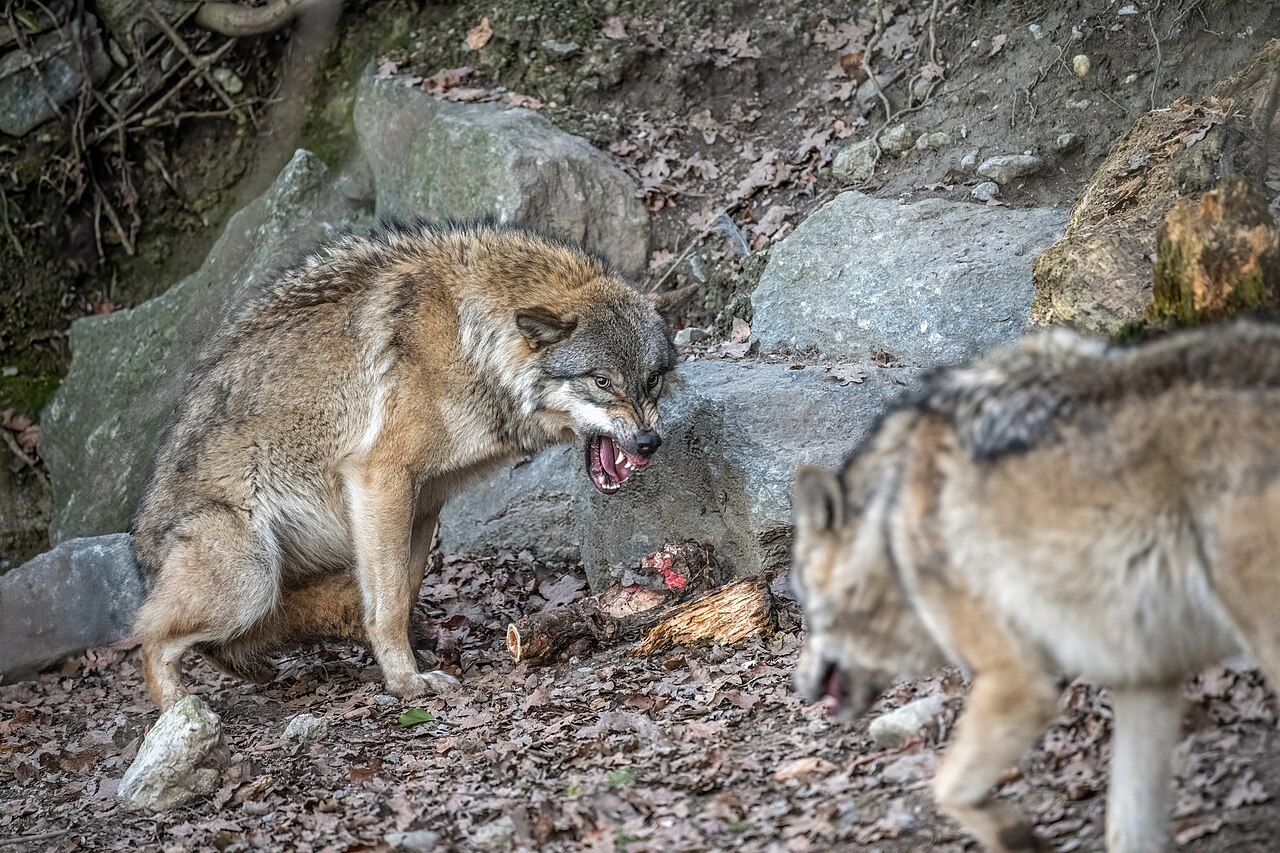
In Ojibwe (Anishinaabe) teaching from the Great Lakes, as recorded in Edward Benton-Banai’s The Mishomis Book, the wolf Ma’iingan was given to Original Man as a companion while he walked the earth naming all things. When the two were parted, they were told their fates would mirror each other, so that what happened to one would happen to the other. That teaching gives wolf protection a religious weight for Ojibwe people.
The Cherokee, whose nations are today based in Oklahoma and North Carolina, count the Wolf Clan, Aniwaya, among the seven Cherokee clans. Clan membership passes through the mother, so a child belongs to the mother’s clan for life, and a clan emblem inherited by birth differs from a personal spirit animal picked from a list. The Wolf Clan has historically been the largest of the seven.
On the Plains, the Skidi band of the Pawnee called Sirius the Wolf Star. In a story recorded by George Dorsey in 1904, the Wolf Star, left out of the council that made the world, sent a wolf to earth, and the people killed it, which brought death into the world. Other Plains nations named the Pawnee in sign language with the hand sign for wolf.
Traditions That Name the Gray Wolf
The clearest tradition that names a gray wolf outright comes from Mongolia. The Secret History of the Mongols, written in the 13th century, opens the lineage of Genghis Khan with Borte Chino, the blue-gray wolf, who crosses the sea with his mate Gua Maral, the fallow doe. The gray wolf is the ancestor of the Mongol ruling line by name.
The Turkic peoples carry a parallel story. Chinese chronicles record the Gokturk origin legend in which a she-wolf saves a wounded boy and bears ten sons, one of whom founds the Ashina clan, the ruling house of the Gokturks. Modern Turkish tradition calls the she-wolf Asena. In Japan, Mitsumine Shrine in Chichibu keeps the wolf as its divine messenger, and the Ainu of Hokkaido knew the wolf as Horkew Kamuy, a wolf deity.
Wolf Mythology in Brief
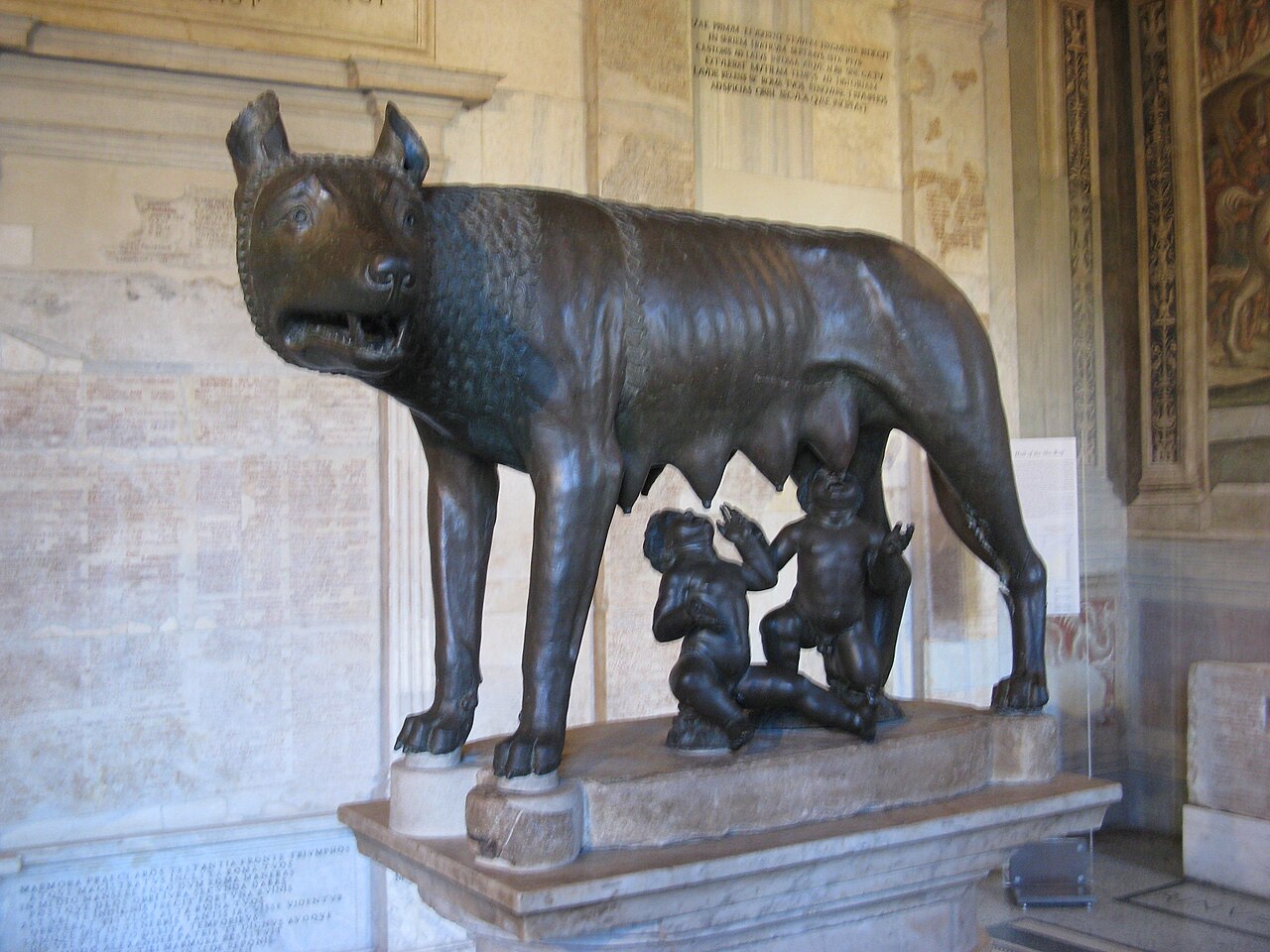
Older European myth gives the wolf two faces that still color the spirit-animal image. In the Prose Edda, written by Snorri Sturluson in the 13th century, Fenrir grows so dangerous that the gods bind him with the fetter Gleipnir, and he is fated to break free at Ragnarok. In Livy’s history of Rome, the twins Romulus and Remus are set adrift and nursed by a she-wolf before a shepherd finds them. The full guide to wolf symbolism follows the wolf through Irish, Greek, biblical and Christian tradition.
How to Connect With Your Gray Wolf Spirit Animal
Connecting with a gray wolf spirit animal starts with three practices, a journal entry the morning after any wolf dream, time outdoors at dusk without a phone, and a deliberate pack review in which you list the people you would defend without question and ask whether they know it.
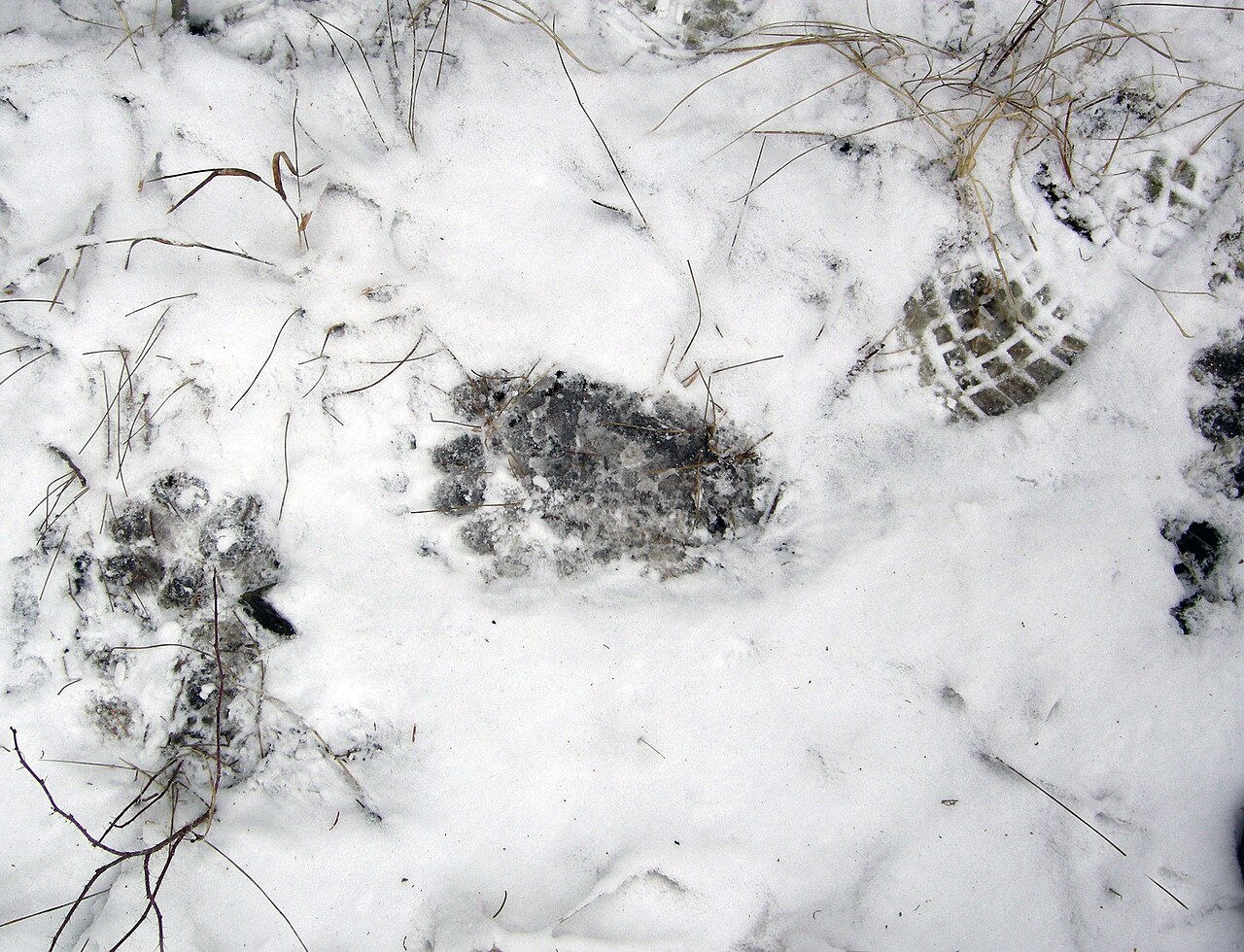
Then pick one sign from the list above and track it for 30 days. Note each time you read a stranger correctly or stepped in for someone, and the record will tell you whether the wolf fits or whether you wanted it to. In wolf country the distance you keep from a wild pack is the clearest respect you can pay, and wolf sanctuaries take donations and volunteers.
If a second guide shows up in the same season, keep the two apart in the journal. The bear stands for solitude and inner strength, so write a bear dream and a wolf dream on separate pages and compare them after a month before deciding which animal the season belongs to.
Frequently Asked Questions
Is the gray wolf a good spirit animal?
Yes. Most modern guides treat it as one of the strongest guides for people who lead small teams or hold families together, and its demands are the catch. In a wild pack the breeding pair leads by experience rather than by constant fighting, and the guide works the same way, through maturity rather than force. The shadow side, suspicion of newcomers and refusal to ask for help, grows from the same loyalty that makes the wolf valuable.
Can a gray wolf be one of several spirit animals?
Yes. Most practitioners describe a main guide plus others that come and go with different life phases, so a wolf can share the role with another animal in a year that asks for something the wolf does not offer, such as solitude or caution.
Are gray wolves really loyal to their packs?
Yes. A pack is typically a breeding pair and their offspring from the last one to three years, and members hunt, feed pups and defend territory together, as the U.S. Fish and Wildlife Service describes. Young adults leave to found their own packs, so wolf loyalty has a horizon, a useful correction to the spirit-animal ideal.
Do all Native nations see the wolf the same way?
No. The Ojibwe teach that the wolf’s fate mirrors their own, the Cherokee hold the wolf as a clan emblem, and the Skidi Pawnee tie the wolf to Sirius and to the origin of death, which is not a kinship story at all. The same animal is kin in one nation and a model of craft in another.
Is it okay to say ‘spirit animal’ if you are not Native American?
Yes, with care. The phrase draws on Native religious practice, and some Native writers object to its casual use because it flattens specific teachings into a personality quiz, which is why this guide separates named traditions from modern spirit-animal practice. Animal guide is a replacement many readers now prefer.
Is a timber wolf the same as a gray wolf?
Yes. Timber wolf is a common North American name for the gray wolf, Canis lupus, so the spirit animal meanings are the same. The name comes from the forested range the wolves occupy, and in the Great Lakes region both terms are used interchangeably.
Sources
- U.S. Fish and Wildlife Service, Gray Wolf (Canis lupus)
- University of Minnesota Press, The Mishomis Book by Edward Benton-Banai
- George A. Dorsey, The Pawnee Mythology (1906), Internet Archive
- CDC DPDx, Echinococcosis