Leopard Gecko Care in 7 Steps: Tank, Heat, Food, and Handling
Leopard gecko care comes down to seven things: a 20 gallon long tank or bigger, belly heat on a thermostat, three hides including one humid hide, a safe substrate, live insects dusted with calcium, fresh water, and patient handling. Get those right and this lizard is genuinely low maintenance, which is why Eublepharis macularius has been the standard beginner reptile in the US for forty years.
What trips people up is not the animal, it is the outdated advice still printed on pet store care cards: hot rocks, calcium sand, a single hide, and mealworms as a staple. Each of those causes a specific problem, and each has a fix that costs almost nothing. The setup below reflects what keeps captive leopard geckos alive for 15 to 20 years.
Leopard geckos need a 20 gallon long tank minimum, a warm floor spot of 90 to 92 F on a thermostat, a cool side of 75 to 80 F, humidity of 30 to 40 percent with one humid hide, and live insects dusted with calcium and vitamin D3. Housed alone, they live 15 to 20 years.
| Step | What it takes |
|---|---|
| 1. Enclosure | 20 gallon long minimum, 40 gallon breeder or 36 x 18 in preferred, front opening is easier |
| 2. Heat | Under tank heat mat or deep heat projector on a thermostat, floor 90 to 92 F warm side |
| 3. Hides | Three: warm, cool, and a humid hide with damp sphagnum moss |
| 4. Substrate | Paper towel, tile, or a 70/30 topsoil and play sand mix. No calcium sand, no walnut shell |
| 5. Food | Dubia roaches, crickets, black soldier fly larvae. Waxworms as a treat only |
| 6. Supplements | Calcium with D3 at most feedings, multivitamin weekly |
| 7. Handling | Two weeks settling in, then short sessions with the body supported. Never grab the tail |
Is a Leopard Gecko Easy to Take Care Of?
Yes, a leopard gecko is one of the easiest reptiles to keep, as long as the enclosure is set up correctly before the animal arrives. Daily work is about five minutes: check temperatures, refill water, spot clean, and feed every one to three days depending on age.
They are also forgiving in ways other reptiles are not. They need no high UVB output to survive, tolerate normal household humidity, eat readily from tongs, and do not need misting schedules or large water features. There is no live plant maintenance in a basic dry setup.
The cost after setup is low. Insects and supplements run roughly $10 to $20 a month for one adult, and electricity for a single heat mat is negligible. The real commitment is the lifespan, not the workload, and leopard gecko lifespan in captivity regularly passes 18 years.
Tank Size and Enclosure Setup
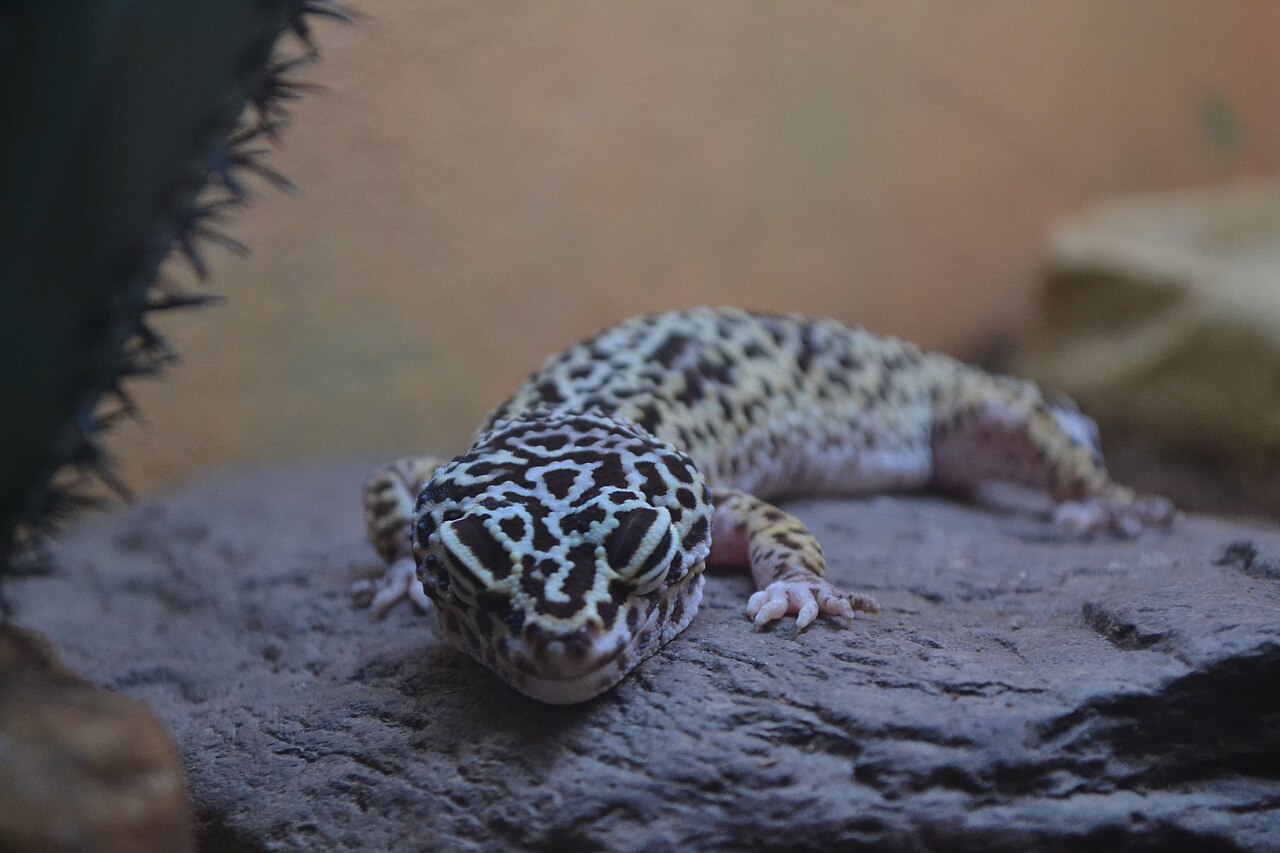
A single adult needs 20 gallons long as an absolute floor, and 40 gallon breeder or a 36 x 18 in front-opening enclosure is the practical standard now. Floor space matters far more than height, since these are terrestrial geckos that patrol a territory rather than climb.
Give the tank a warm end and a cool end so the animal can pick its own temperature, and fill the space with cork bark, flat stones, and leaf litter. A bare tank with one plastic hide creates a stressed animal that hides all day and refuses food.
Screen tops are fine, and a secure lid is not optional because leopard geckos climb glass corners better than people expect. Setup details, including lighting fixtures and clutter placement, are covered in leopard gecko enclosure.
Heat: Belly Warmth, Not a Hot Rock
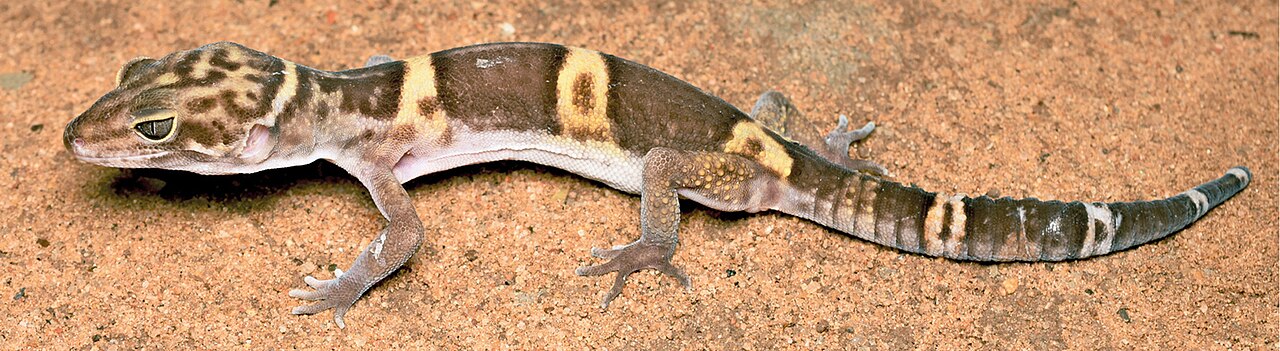
Leopard geckos digest using conducted heat through the belly, so the warm surface temperature is the number that counts. Target 90 to 92 F on the warm floor, 75 to 80 F on the cool side, and let nights drop to 68 to 72 F. Anything under 88 F on the warm end slows digestion and invites impaction.
Use an under tank heat mat covering one third of the floor, or an overhead deep heat projector, and wire it to a thermostat. Without a thermostat a mat can exceed 120 F and burn the animal, which is the single most common injury in this species.
Skip hot rocks entirely. They heat unevenly, have no built in regulation, and cause deep burns on the belly. Measure with a digital probe or infrared thermometer at floor level, never with the stick on dial gauges sold beside the tank.
Next question: Leopard Gecko Habitat: The Tank Setup That Actually Works
Lighting and UVB
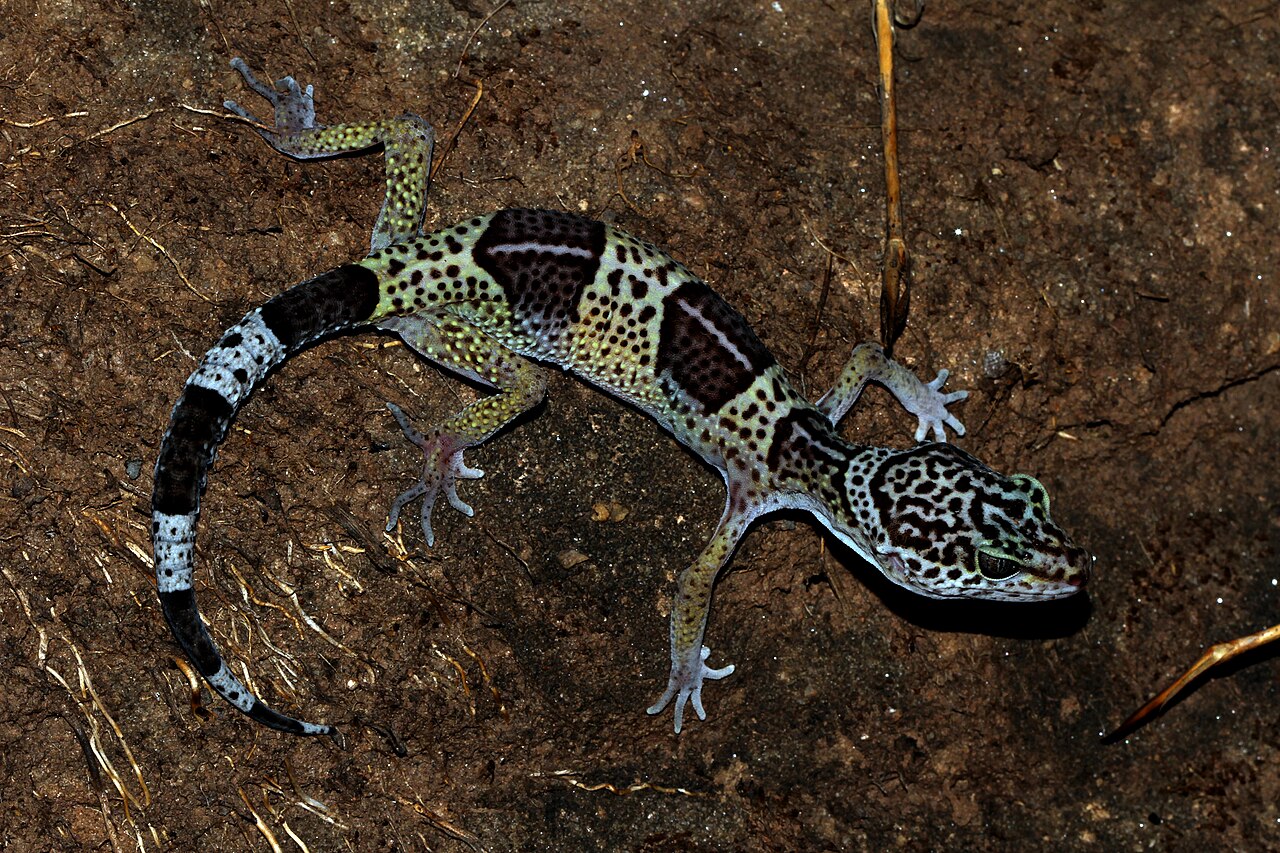
Leopard geckos do not require UVB to survive if supplements are correct, but current research supports offering a low output UVB tube anyway. A 2 to 7 percent T5 bulb over one end, set in Ferguson Zone 1, improves bone density and natural behavior.
They are crepuscular, meaning they are most active at dawn and dusk, so keep the light gentle and always pair UVB with shaded retreats. A 12 hour on, 12 hour off cycle matches their internal rhythm and can be adjusted seasonally.
Never use a bright white bulb for nighttime heat. Red and blue night bulbs disturb sleep, and a ceramic heat emitter or deep heat projector supplies warmth without visible light if the room gets cold.
Humidity and the Shed Box
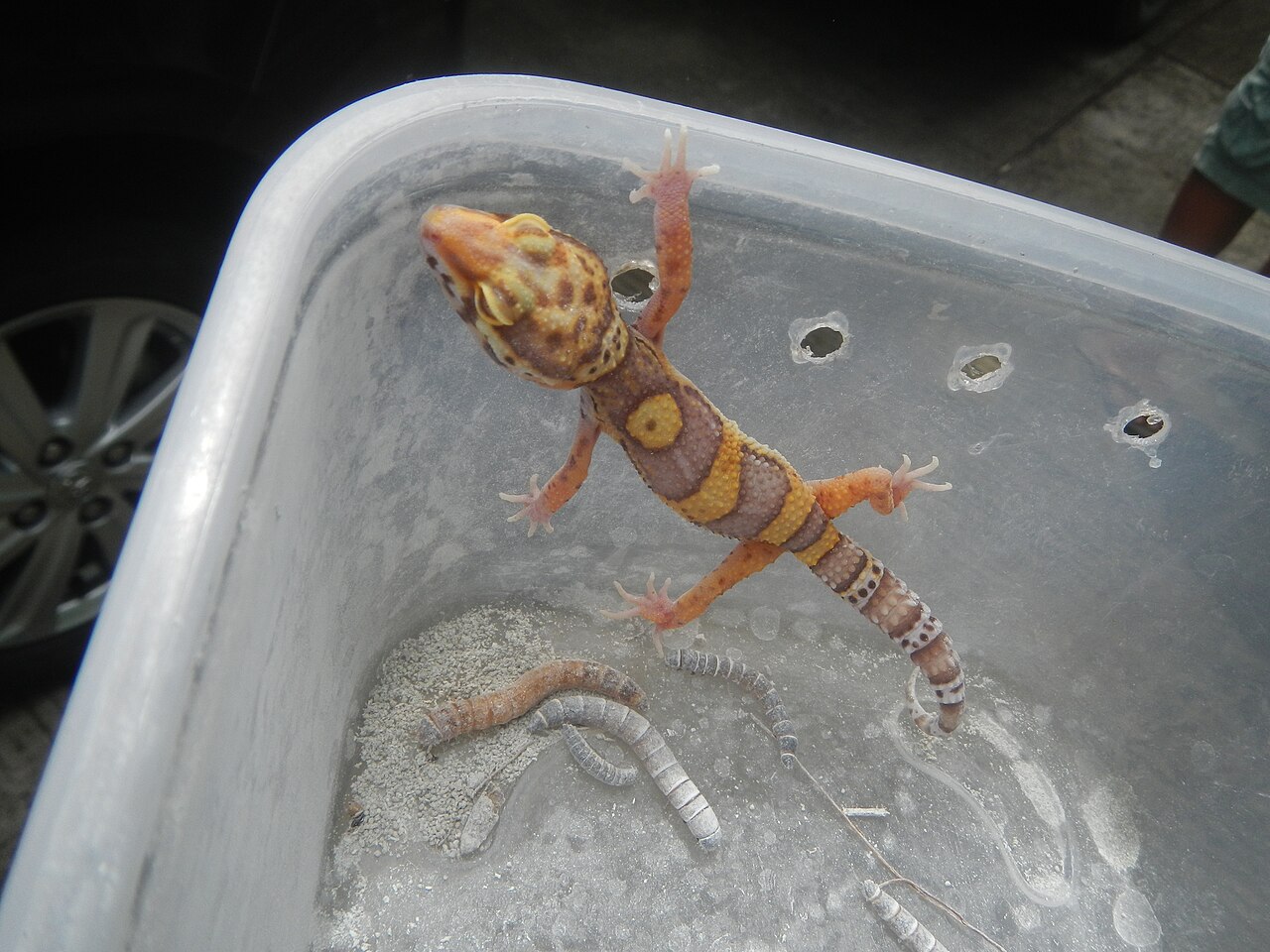
Keep ambient humidity at 30 to 40 percent and provide one humid hide at all times. A plastic tub with a cut entry hole and damp sphagnum moss or paper towel is enough, and it belongs on the warm half of the tank.
Shedding is where humidity failures show up. A gecko about to shed turns chalky white, then peels the skin off in pieces over a day. Stuck skin on toes and around the eyes cuts off blood supply, and lost toes are permanent.
If skin sticks, do not pull it. A ten minute soak in shallow lukewarm water plus an hour in the humid hide usually releases it. Repeated bad sheds mean the humid hide dried out or the whole enclosure is too dry.
Substrate: What Is Safe and What Is Not
Paper towel, slate tile, and non adhesive shelf liner are the safest and easiest options, especially for a first gecko or a quarantine setup. Tile holds and radiates belly heat well and wipes clean in seconds.
Loose substrate is not banned, it just has to be the right kind. A 70/30 mix of organic topsoil and play sand works in a bioactive setup for a healthy adult. Calcium sand, walnut shell, crushed shell, and wood chips are the ones that cause impaction and should never go in the tank.
Reptile carpet looks harmless but the loops catch claws and teeth and it holds bacteria. Whatever the choice, feed insects in a shallow dish so the animal is not snapping at grit, and read leopard gecko substrate before switching a juvenile to anything loose.
What Leopard Geckos Eat
Leopard geckos are strict insectivores. No fruit, no vegetables, no commercial pellets. Build the diet around dubia roaches, crickets, and black soldier fly larvae, with hornworms and silkworms for hydration and variety.
Waxworms, butterworms, and superworms are fatty treats, not staples, and mealworms alone make a poor base diet because of the chitin heavy shell. The rule of thumb on size is simple: no insect wider than the space between the gecko’s eyes.
Gut load the insects for 24 to 48 hours before feeding with dark greens, carrot, and a commercial gut load. A dish of clean water stays in the tank permanently, and full feeding plans are in leopard gecko diet.
Calcium, D3, and Metabolic Bone Disease
Supplements are the part people skip and the part that kills. Without calcium and vitamin D3 a captive gecko develops metabolic bone disease, which shows as a rubbery jaw, bowed legs, tremors, and eventually an animal that cannot lift itself to walk.
The practical routine: dust insects lightly with a calcium plus D3 and multivitamin product at most feedings, or use plain calcium at feedings plus a multivitamin once a week. Leave a tiny dish of plain calcium carbonate in the tank so the animal can self regulate.
Over supplementing with vitamin A or D3 causes its own problems, so follow the product label rather than doubling doses. Early metabolic bone disease is reversible with corrected supplements and a vet visit. Advanced cases leave permanent deformities.
How Often to Feed by Age
Hatchlings and juveniles under 6 months eat daily, taking five to seven appropriately sized insects per sitting. From 6 to 12 months, feed every other day. Adults over a year do well on every second or third day, roughly two insects per inch of body length.
Can leopard geckos go 4 days without food? A healthy adult can, because the tail stores fat, and adults in breeding season or brumation often refuse food for one to three weeks with no harm. Hatchlings cannot, and a young gecko skipping more than two days needs attention.
A refusing gecko is almost always a temperature problem, a shedding cycle, or stress from a new home. Check the warm floor temperature first. Growth stages and feeding amounts for young animals are in baby leopard gecko care.
Handling and Building Trust
Leave a new gecko alone for 10 to 14 days with food and water before handling. After that, start with short sessions of two to three minutes, scoop from underneath with a flat palm, and let the animal walk hand to hand instead of gripping it.
How to tell if a leopard gecko trusts you: it comes to the front of the tank when you approach, takes food from tongs without hesitation, climbs onto an offered hand, and stays relaxed rather than flattening or bolting for a hide.
Never hold or pull the tail. Leopard geckos drop the tail to escape, and while it regrows, the replacement is a stubby, differently colored shape and the animal loses its fat reserve in the process. Wash hands before and after, since reptiles can carry Salmonella.
Is It Better to Have 1 or 2 Leopard Geckos?
One. Leopard geckos are solitary and gain nothing from company. Two males will fight until one is injured, and two females often bully each other over the warm spot, with the loser losing weight quietly for months before anyone notices.
A male and female pair means constant breeding pressure on the female, which drains her calcium reserves and shortens her life. Housing a large animal with a smaller one risks the smaller one losing its tail or worse.
If you want two geckos, run two enclosures. It costs less than the vet bills from one bad pairing, and it makes quarantine possible when one animal gets sick. Color and pattern differences between animals are worth exploring in leopard gecko morphs.
What Not to Do With a Leopard Gecko
The mistake list is short and specific: no hot rocks, no unregulated heat mat, no calcium sand, no mealworm only diet, no missing humid hide, no cohabitation, no tail grabbing, and no free roaming around the house. Each one maps to a common cause of death or injury.
Also skip the bathing routines, essential oils, and cage cleaners that are not reptile safe. Ammonia and citrus based products leave residues that irritate the respiratory tract in a small enclosed space. Plain hot water and a reptile safe disinfectant are enough.
The honest downsides of owning one: the animal needs live insects in the house, it is nocturnal so it is asleep during much of the day, it does not want cuddling, and it may outlive a decade of moves and roommates. Salmonella guidance for reptile keepers is published by the Centers for Disease Control and Prevention.
Frequently Asked Questions
What are the downsides of owning a leopard gecko?
You have to keep live insects, feed them, and store them. The gecko is most active at night, does not enjoy long handling, and can live close to 20 years. Vet care for reptiles is also harder to find and usually costs more than for a cat or dog.
Do leopard geckos like to be talked to?
They do not respond to speech the way a dog does, but they learn to associate a keeper’s presence and routine with food. Talking calmly during handling does no harm and helps you stay slow and steady, which is what the animal actually reacts to.
Will geckos go in your bed?
An escaped leopard gecko looks for a dark, warm, tight gap, so under a mattress or behind a headboard is a realistic hiding spot. Do not let one roam a bedroom. Loose geckos get stepped on, chilled, or lost inside furniture within hours.
What’s the friendliest gecko?
Leopard geckos and crested geckos are the two calmest options for handling, and leopard geckos tend to tolerate it slightly better because they are ground dwelling and do not bolt or jump the way crested geckos can. Individual temperament varies within both species.
How long do leopard geckos live in captivity?
Fifteen to 20 years is normal with correct heat and supplements, and males occasionally reach the mid 20s. The oldest documented captive animals passed 27 years. Poor calcium supplementation and chronic low temperatures are what cut that number in half.
How much does a leopard gecko cost to start?
Expect $30 to $80 for a common morph animal and $150 to $300 for the enclosure, thermostat, heat source, hides, and first supplies. Ongoing costs run about $10 to $20 a month for insects and supplements for one adult gecko.