Starfish Symbolism: Spiritual Meaning and Signs
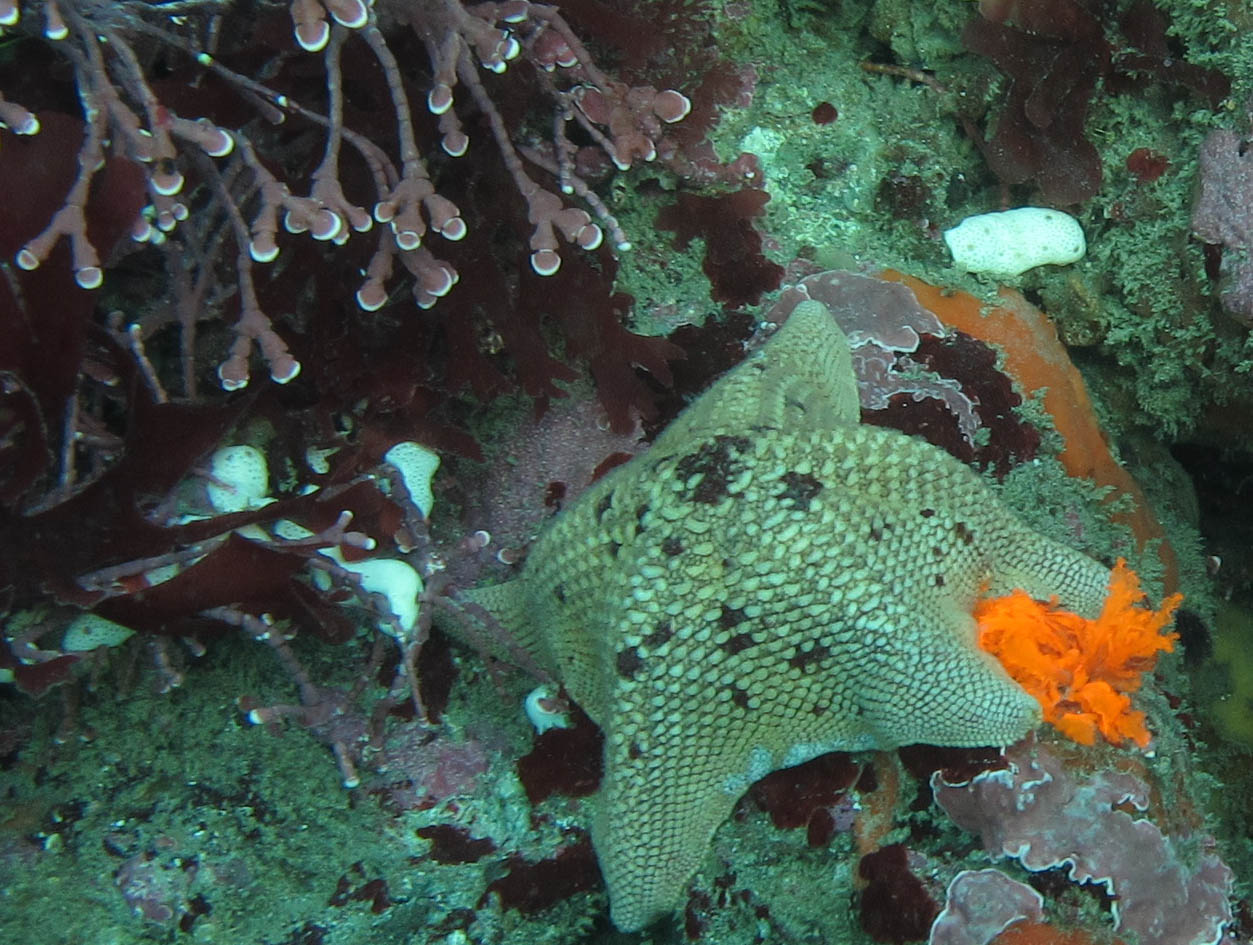
Starfish symbolism spiritually centers on renewal, endurance and quiet guidance. A sea star that loses an arm grows it back, it clings to rock through every tide, and its five-pointed shape mirrors a star overhead. Those three traits carry most of the meaning.
The setting shifts the message. A starfish in a dream points to a fresh start, a live one on the sand asks for a careful hand back into the water, and its role as a spirit animal or totem centers on patient recovery.
As a sign, the starfish stands for renewal and resilience, because it regrows lost arms. Its totem message is patience, steady footing through change and trust in slow recovery. No Bible verse gives the starfish a meaning, and a live one on the beach belongs back in the water.
| Context | Symbolic meaning | Practical note |
|---|---|---|
| Spirit animal or totem | Patience and recovery | A trait to model after a setback |
| Good luck sign | Renewal after loss | The luck of a fresh start, not of wealth |
| Bible | No verse gives it a meaning | Leviticus 11:9 to 12 covers sea animals without fins and scales |
| Dream on the beach | A new phase arriving | Watch for change close to familiar ground |
| Dead starfish in a dream | An ending to accept | Let go of what has run its course |
| Live starfish on the beach | A fresh start and care for the fragile | Return it to a tide pool |
What Does a Starfish Symbolize Spiritually?
A starfish symbolizes renewal and endurance. Some sea stars regrow a lost arm, so the animal stands for recovery after a loss. It also holds fast to rock while waves break over it. That grip makes it a picture of staying put when life turns rough.
The shape adds a second layer. Most starfish carry five arms, and the five-pointed form ties the animal to the stars above it. In Catholic tradition, Mary carries the title Stella Maris, the Star of the Sea, a guiding light for sailors. The starfish shares that sense of direction through its form alone.
The starfish also moves slowly, feeling its way across the seabed on hundreds of tube feet. Its message is to heal at your own pace and keep moving. Seahorse symbolism shares this theme of patient endurance in the sea. The starfish adds the idea of rebuilding what was lost.
What Does the Starfish Mean as a Spirit Animal or Totem?
As a spirit animal, the starfish stands for patience and the power to recover. The spirit animal or totem, in the sense used in today’s self-help and spirituality books, is a modern framing. A totem in this modern sense is an animal whose traits you take as a model for your own life.
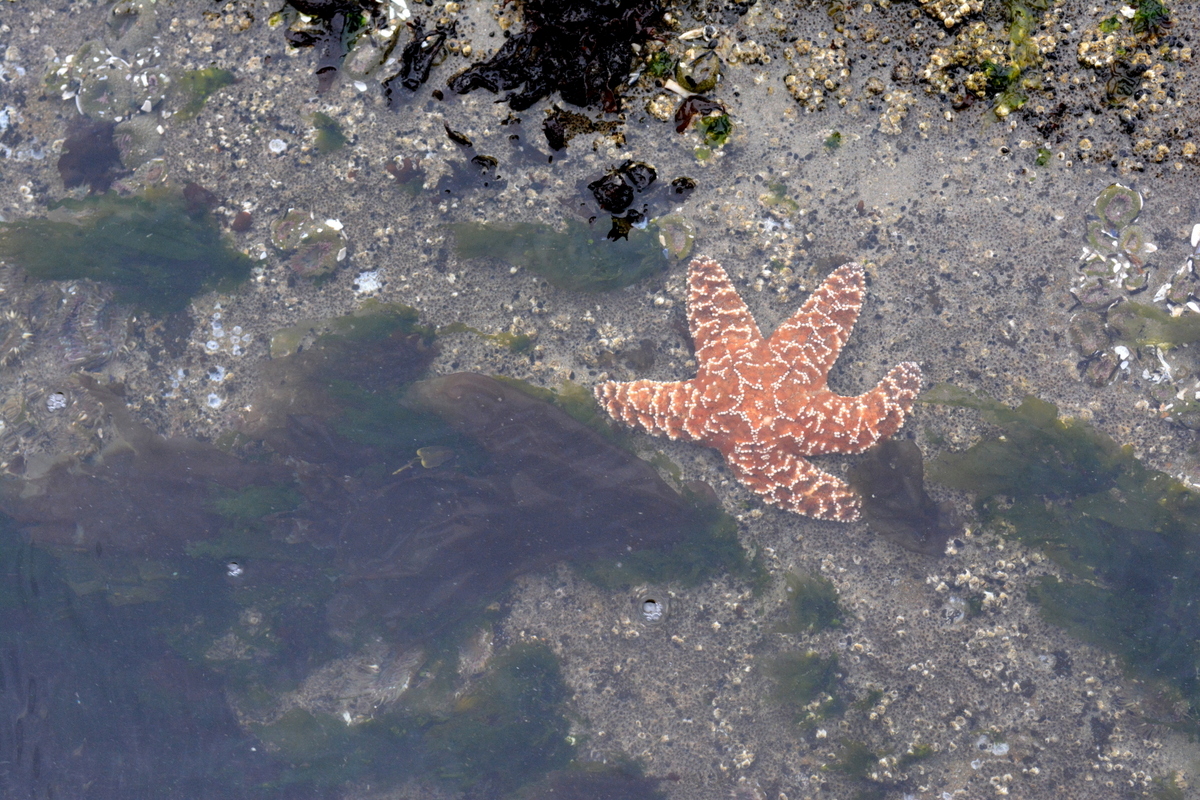
The starfish teaches three things. Heal at your own pace. Keep a grip on what holds you steady. Losing one part of your life does not end the whole, because the body keeps working while it rebuilds.
If the starfish feels like your totem, watch how you recover from setbacks. Slow, steady repair is its strength, not speed. Jellyfish symbolism leans toward drifting and surrender, while the starfish holds its ground and waits for the tide to turn.
Do Starfish Bring Good Luck?
A starfish brings good luck as a sign of renewal, a signal that something lost grows back. It favors recovery over windfall.
A starfish on the beach at the start of a trip, a move or a new job marks a good start. A sea star in a tide pool points to a slow but sure payoff. Two or more together point to luck that arrives with help from other people.
Fish symbolism centers on abundance and prosperity, and the starfish shares the sea but not the class. The starfish is an echinoderm, a relative of sea urchins. Its luck is about coming back stronger, not about money.
Are Starfish Mentioned in the Bible?
No Bible verse gives the starfish a meaning, and the animal does not appear by name in the King James Version. The closest passage is Leviticus 11:9 to 12. It allows water animals with fins and scales as food and calls the rest an abomination. A starfish has neither fins nor scales, so it falls into the forbidden group without being named.
Stella Maris, Latin for Star of the Sea, is a title of Mary in Catholic tradition. It appears in the medieval hymn Ave Maris Stella. The title speaks of guidance at sea, and it refers to Mary, not to the animal.
The starfish pictures renewal through its regrowth, and its closest tie to scripture runs through Stella Maris, the Catholic title of Mary, not through a verse.
What Does a Starfish Mean in a Dream?
A starfish in a dream points to a fresh start and a recovery that is already underway. The animal regrows what it loses, so the dream marks healing after a loss or a break. The scene shapes the details.
A starfish on the beach shows a new phase arriving at the edge of familiar ground. Holding one in your hand puts that renewal in your control, and the next move is yours. A dead starfish marks something that has run its course and needs letting go. Many starfish together point to support from several people at once.
Octopus symbolism in dreams leans toward cleverness and juggling many tasks, while the starfish asks for patience. A calm dream is encouragement to keep going. An uneasy one points to something in waking life that still needs time to heal.
What Does It Mean When You Find a Starfish on the Beach?
Finding a starfish on the beach is a sign of a fresh start and a call to care for something fragile. The meaning only holds if the animal survives. Check whether it is alive before anything else.
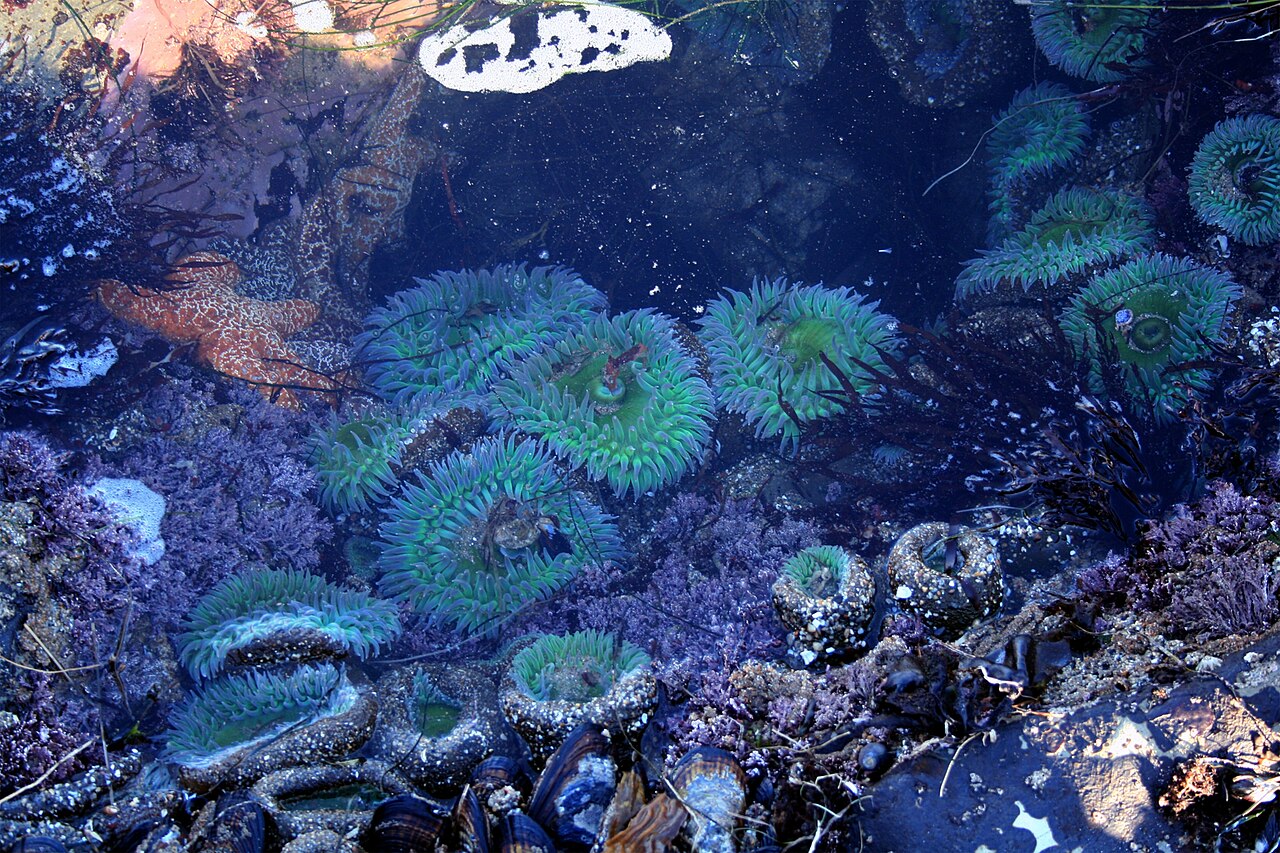
A live sea star feels firm and moves its tube feet underneath. Return it to a tide pool or shallow water and do not take it home. NOAA’s National Ocean Service calls these animals sea stars, because they are echinoderms and not fish.
Rules on collecting live sea stars differ by state and by park, so check with your state wildlife agency before you pick one up. Stingray symbolism draws on the same shallow water, where calm and caution go together. A dry, stiff starfish shell marks an ending, while a live one returned to the sea marks a new beginning.
Frequently Asked Questions
What does it mean when you tell someone they are a starfish?
Calling someone a starfish is crude slang for a person who stays passive and unresponsive with a partner. Outside that slang, the word has a far kinder sense in symbolism, where the starfish stands for patience, endurance and the strength to recover after a long, hard season.
Is a starfish a fish?
No. A starfish is an echinoderm, a relative of sea urchins and sand dollars, and it has no gills, fins or scales. That is why NOAA and marine biologists prefer the name sea star. It breathes through its tube feet and skin and moves with a water vascular system instead.
Do starfish have a brain or a heart?
No. A starfish has neither a brain nor a heart. Seawater pumped through its water vascular system moves nutrients and powers its tube feet, and a nerve ring with radial nerves coordinates the arms. Most species carry a simple eyespot at the tip of each arm that senses light and dark.
How many arms does a starfish have?
Most starfish have five arms, though the count varies by species. The sunflower sea star (Pycnopodia helianthoides) of the Pacific coast grows 16 to 24 arms, according to NOAA Fisheries. It is also one of the largest sea stars, reaching about 3 ft (1 m) across.
Can a starfish regrow an arm?
Yes. Many starfish regrow a lost arm, and some species go further. A Linckia sea star grows a whole new animal from a single arm. Regrowth is slow and typically takes months, and the animal spends energy on it that would otherwise go to growth and reproduction.
Sources
- NOAA National Ocean Service, Is a starfish a fish?
- NOAA Fisheries, Sunflower Sea Star
- Bible Gateway, Leviticus 11:9 to 12 (KJV)