Garter Snake in House Meaning: Spiritual Signs
A garter snake in the house symbolically stands for change and adaptation, a small and harmless visitor marking a shift you are already living through. It sheds its skin whole as it grows and settles in a lawn as easily as in a ditch or a woodpile. That flexibility is the message the snake brings indoors.
The garter snake in house meaning also has a practical half. The snake came in for warmth, shelter or food, it poses no danger to people, and it eats slugs and rodents around your foundation. So the sighting carries two answers, one about your life and one about the cracks in your walls, and both deserve a look before you reach for a broom.
Spiritually, a garter snake in the house signals change and a call to adapt, and the omen leans toward good luck rather than bad. On the ground the news is also good. The snake is harmless to people, eats slugs and rodents, and came in looking for warmth or shelter.
What a Garter Snake in the House Means Spiritually
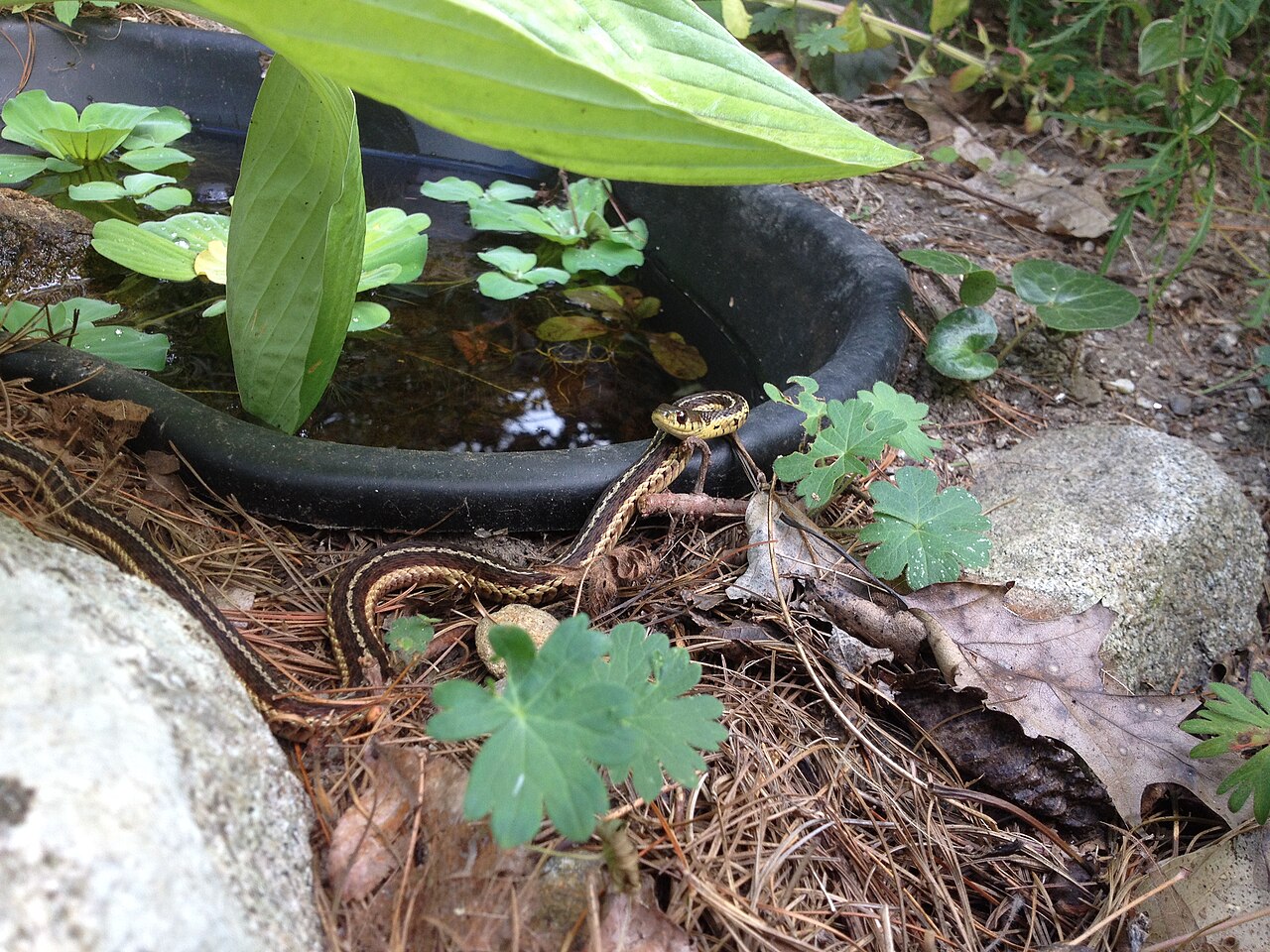
A garter snake in the house means change is already underway and asks you to adapt rather than resist. Garter snakes settle in yards, marshes, fields and city lots, wherever they find water and cover. They shed their skin in one piece as they grow. A snake that drops its old layer and keeps moving is the core image here, a body that has outgrown its old fit.
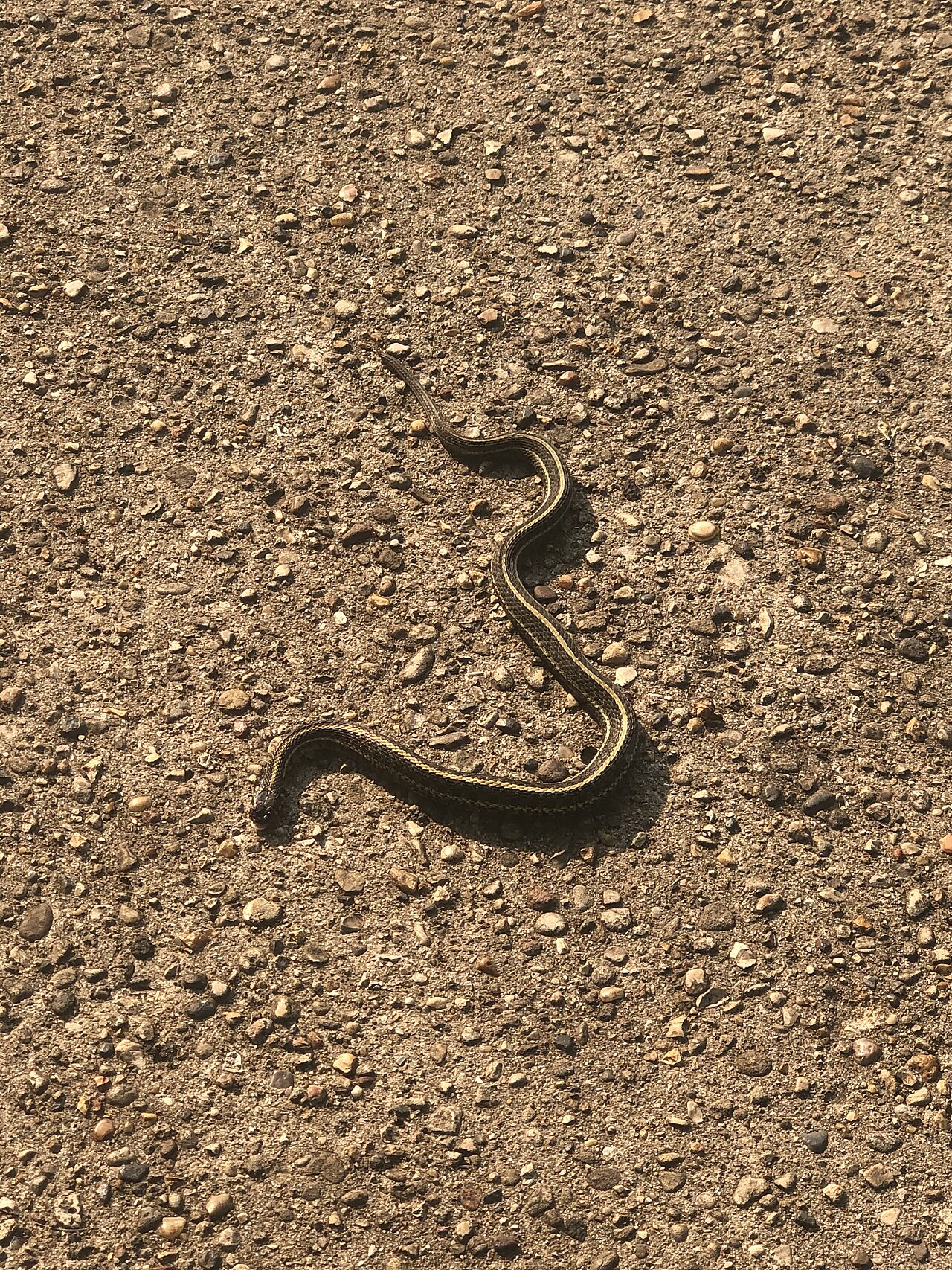
The indoor setting sharpens the message. A home stands for your private life, your family and your routines, so a snake inside points the change toward those areas rather than toward work or the wider world. A snake in the house of any species carries that same domestic focus. The garter snake adds gentleness to it, because it harms none of the people it meets.
The Bible gives the snake two faces. In Genesis 3 the serpent tempts Eve and becomes the image of deception. In Numbers 21:8 and 21:9 Moses sets a bronze serpent on a pole at God’s command, and the bitten Israelites who look at it live. Snake symbolism carries both poles, temptation and healing, and a harmless garter snake indoors leans toward the healing side.
Is It Good Luck to See a Snake in Your House?
Seeing a garter snake in your house leans toward good luck, because the visitor is harmless and arrives as a sign of renewal rather than threat. The shed skin is the reason. A creature that leaves its old layer behind stands for a fresh start, and finding one at home places that fresh start close to you.
The counter-image comes from Genesis 3, where the serpent stands for deception. Read through that verse, a snake indoors becomes a warning to look at trust inside the household. A garter snake fits that picture poorly. It hides, avoids people and flees when it gets the chance.
Neither reading predicts death or disaster. Treat the sighting as a prompt to notice what is changing at home. Then deal with the gap that let the snake in.
Is a Garter Snake in the House Good or Bad?
A garter snake in the house is mostly a nuisance, and outside it is good for the yard around it. The common garter snake (Thamnophis sirtalis) and its relatives in the genus Thamnophis are harmless to people. They eat slugs, snails, earthworms, frogs, toads and small rodents. Outside, that diet makes them free pest control for gardens and flower beds.
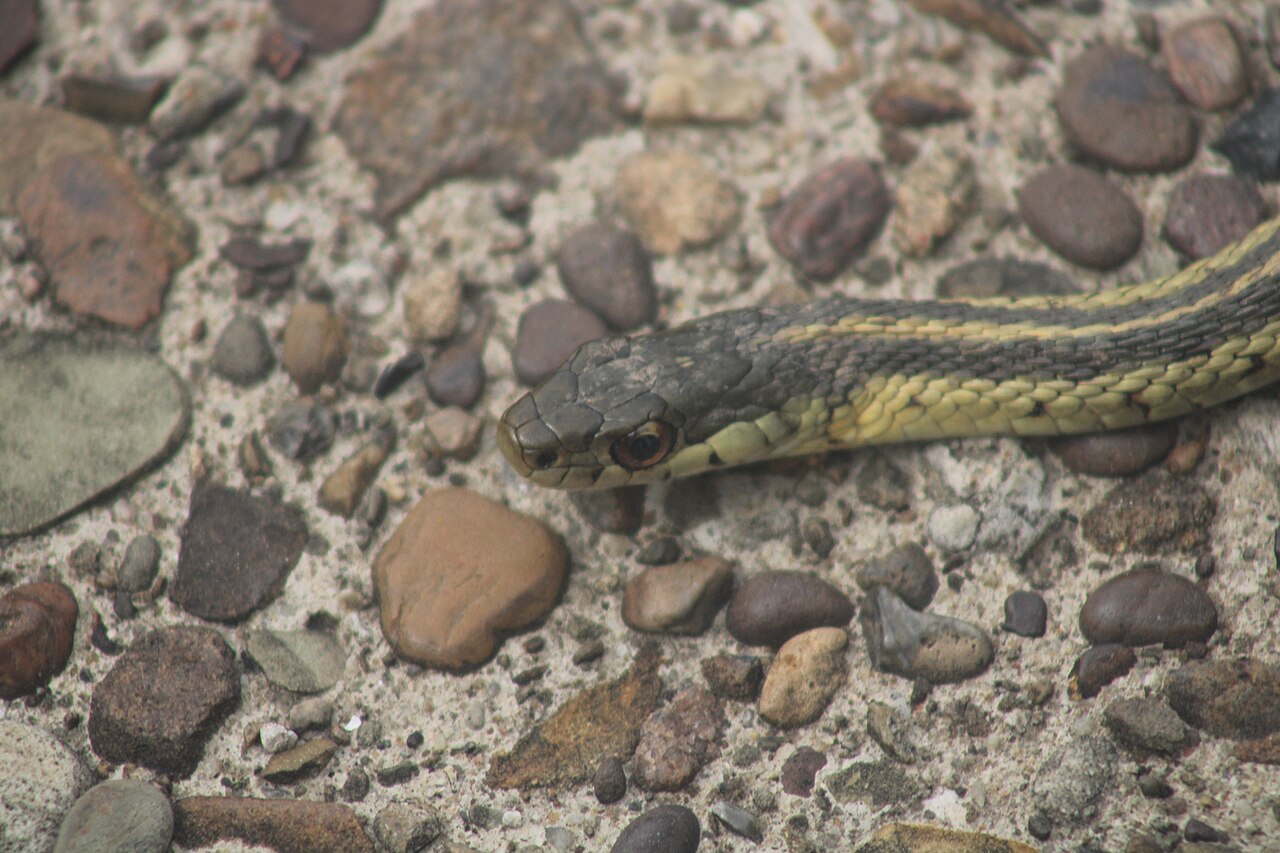
Indoors the picture changes. A snake in a living room typically finds no food and too little moisture, so it weakens the longer it stays. The sighting is a call to guide it out, not to keep it as a house pet. A wild snake also brings germs into the house, so clean the spots where it rested.
Some garter snakes are protected. The San Francisco garter snake (Thamnophis sirtalis tetrataenia) is federally endangered, and the giant garter snake (Thamnophis gigas) is federally threatened. In California, killing or trapping one of them can break federal law. Guide every garter snake out unharmed, and if you live in California and suspect a protected species, call your state wildlife agency before handling it.
| Situation | What it signals | What is happening |
|---|---|---|
| Snake in the living room | Change reaching your family life | A lost snake that followed a gap or an open door |
| Snake in the basement | Something hidden needs attention | A cool, damp, dark spot that feels like a rock pile |
| Snake in fall | An ending before a period of rest | A search for a frost-free winter den |
| Snakes in spring | A fresh start | Snakes leaving a winter den to mate |
| Tiny snake in late summer | A new beginning still taking shape | A newborn dispersing after birth |
| Bite while handling | A warning to slow down | A shallow wound that needs soap and water |
Why Garter Snakes Come Into Houses
Garter snakes come into houses for warmth, shelter and food, and they get in through gaps at the foundation, around pipes and under doors. A basement or crawl space is dark, damp and safe from hawks and cats. To a snake that space works like a rock pile. Dryer vents, garage doors, window wells and cracked foundation walls are common entry points.
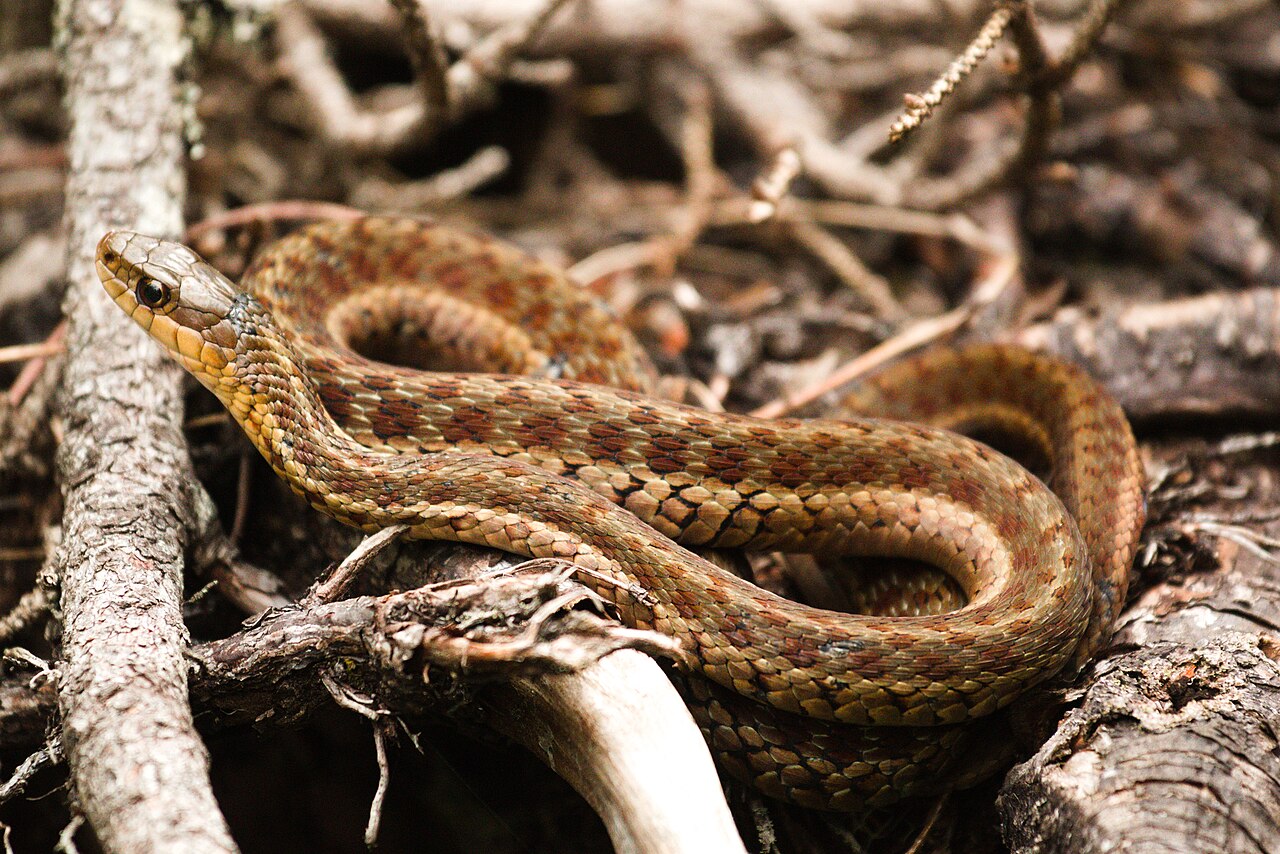
Food pulls them closer. Earthworms, slugs, frogs, toads and mice gather in mulch, leaf piles and wet foundation plantings, and the snakes follow that prey. A house with a mouse problem or a damp basement draws garter snakes for the same reason it draws what they eat.
Garter snakes are cold-blooded and need outside heat to stay active, so a sunny foundation wall that holds warmth into the evening attracts them. One snake indoors does not by itself mean a nest. It points to an open gap and a reason to come close, and closing both ends most visits.
Why Garter Snakes Show Up in Fall and Spring
Garter snakes show up around houses in fall because they search for a frost-free winter den, and in spring because they leave that den to mate. Both windows bring snakes to the walls of a house in a short burst of activity.
Garter snakes often overwinter in groups below the frost line, in rock crevices, old burrows, wells and foundations. When a group has wintered near a house, several snakes emerge in the same spot on the first warm days of spring. That is when people find a cluster on a patio or in a window well.
Baby garter snakes arrive later in the year. Garter snakes typically give birth to live young in late summer, and the newborns disperse on their own soon after. A thin, tiny snake in the garage in August or September belongs to that wave.
How to Deter Garter Snakes From Your House
Deter garter snakes by closing the gaps they use and removing the cover and food that draw them to your foundation. Start with sealing, the milder step. Caulk cracks in the foundation, fit door sweeps on exterior and garage doors, and cover vents and weep holes with fine metal mesh. Check where pipes and cables enter the wall, since a gap there leads straight into a basement.
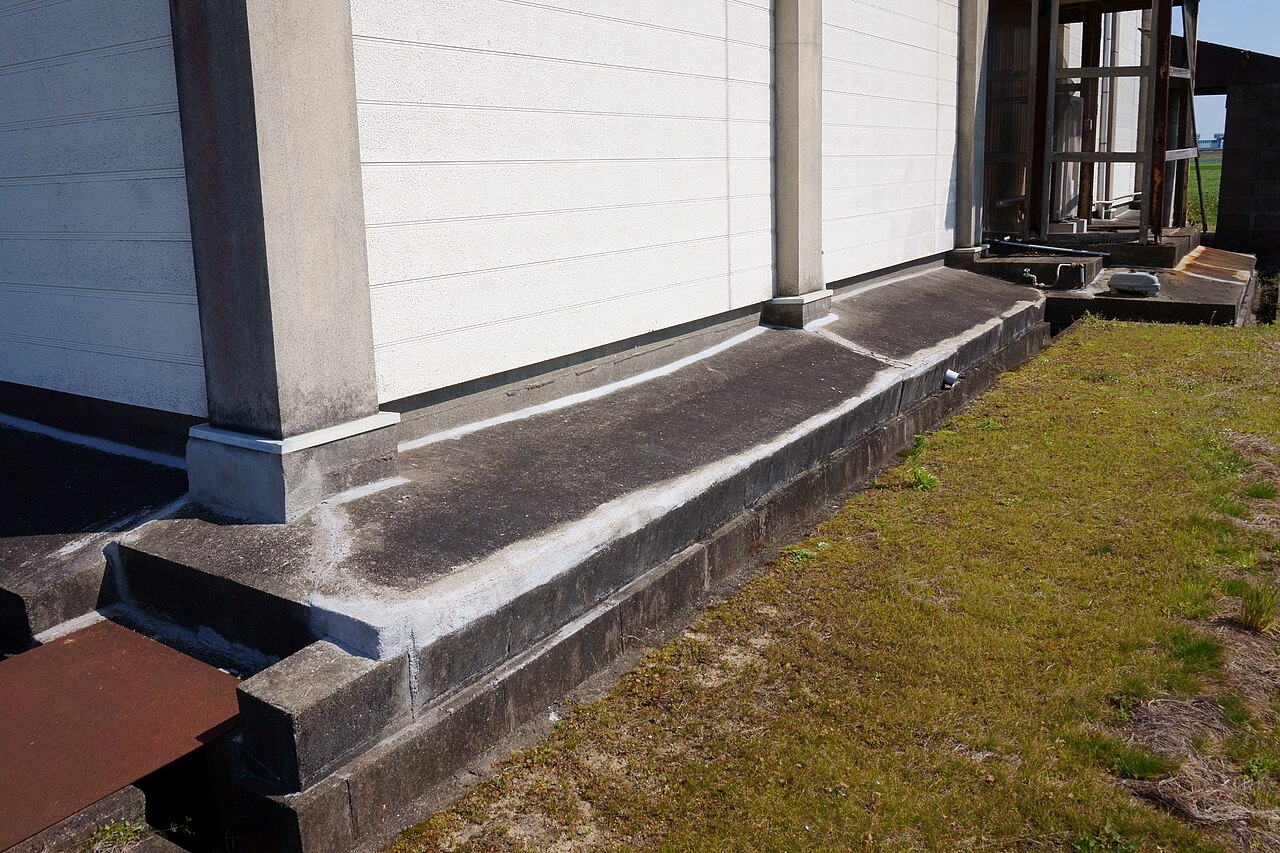
Then take away cover. Move firewood, rock piles, boards and compost away from the walls, keep grass short near the house, and pull mulch back from the foundation. Fix leaks and drainage so the soil along the house dries out. Fewer slugs, worms and mice near the walls leave a snake with no reason to stay.
Skip mothballs, sulfur, ultrasonic devices and glue traps. Mothballs are a registered pesticide, and spreading them outdoors against snakes goes against the label. Sulfur and ultrasonic repellers have no reliable record of keeping snakes away. Glue traps catch snakes, lizards and birds alike and injure the animals, a poor trade for a harmless visitor.
What to Do If a Garter Snake Is Inside Right Now
If a garter snake is inside right now, stay calm, keep pets and children away, and open the nearest door to the outside. The snake wants to leave as much as you want it gone. Close interior doors so the room has only one exit.
Guide it out slowly. Sweep gently with a broom toward the open door, or tip a bucket or wastebasket over the snake, slide a piece of cardboard underneath and carry it outside. Release it near cover at the edge of the yard, not in the middle of the lawn.
Expect a defensive show. A handled garter snake may release a strong-smelling musk and try to bite, so wear gloves and wash your hands afterward. If you cannot tell whether the snake is a garter snake, keep your distance and call a local wildlife removal service.
Is a Garter Snake Bite Dangerous?
A garter snake bite is not dangerous to healthy people. The teeth are small, the wound is shallow and it bleeds a little. The saliva is mild, and the bite carries none of the danger of a rattlesnake or copperhead bite.
A garter snake bite still needs basic first aid. Wash the wound with soap and warm water right away, then cover it. The bigger concern is germs. The CDC notes that reptiles often carry Salmonella in their digestive tracts, even when they look clean and healthy.
You do not have to touch a reptile to get sick from its germs, so clean any surface where the snake rested. Children under 5, adults over 65 and people with weakened immune systems are more likely to get sick. The New York State Department of Health lists diarrhea, abdominal cramps and fever as symptoms, which generally appear 1 to 3 days after contact.
Dreaming of Garter Snakes
A garter snake in your house in a dream points to change entering your private life in a form you can handle. The snake is small and harmless, so the change it brings is manageable, a new routine, a move or a shift in a relationship.
A bite in the dream works as a warning. It points to a small problem you have ignored, one that stings but does not wound. Many young snakes in a dream point to several new beginnings at once, an image that fits a species that gives birth to live young.
Waking life shapes the dream. If you found a real snake indoors that week, the dream likely replays the event rather than adding a new message.
Frequently Asked Questions
Is it good luck to see a snake in your house?
Yes, a harmless snake indoors leans toward good luck, since shedding stands for renewal and a fresh start at home. Genesis 3 offers the opposite image, the serpent as deceiver. With a garter snake the practical meaning matters too. It found an opening, and sealing that gap ends the visits.
Is it good to have garter snakes around your house?
Yes, outdoors garter snakes help the yard by eating slugs, snails, earthworms, frogs and small rodents, and they pose no danger to people. Keep them outside, not in the basement. Sealing foundation gaps lets you keep the pest control in the garden while the snakes stay out of your living space.
What does it mean to dream about garter snakes?
A dream about garter snakes points to manageable change, a shift in routine or relationships that feels unsettling but poses little real threat. A bite in the dream warns of a small ignored problem. Many young snakes point to several fresh starts, a fitting image for a species that bears live young.
Why do garter snakes come in houses?
Garter snakes come into houses for warmth, shelter and food, slipping through foundation cracks, pipe gaps and worn door sweeps. In fall they hunt for a frost-free place to spend the winter, often in groups. A basement with mice, slugs or damp corners gives them an extra reason to stay.
What does it mean to see a garter snake?
Seeing a garter snake means a period of change and adaptation is close, with little danger attached. The snake sheds its skin in one piece and settles in almost any habitat. Outdoors, the sighting also tells you the yard holds plenty of prey, from slugs and worms to frogs.
Is it a good omen to see a snake?
Yes, a snake sighting leans toward a good omen of renewal, because shedding leaves an old layer behind. The Bible holds both readings. Genesis 3 makes the serpent a tempter, and Numbers 21:8 and 21:9 make a bronze serpent a means of healing. A harmless garter snake fits the healing side.
Sources
- CDC, Reptiles and Amphibians
- New York State Department of Health, Salmonella From Amphibians and Reptiles: Questions and Answers
- CDC, Salmonella