What Eats Rabbits? From Hawks to Your Own Cat and Dog
Rabbits feed a long list of hunters in the sky, on the ground and even inside your own fence. What eats rabbits depends on where they live, but the core cast across the US stays the same. A rabbit has no real weapons against a hawk or a fox, so it survives by staying alert, running fast and breeding fast.
Rabbits are eaten by hawks, eagles and owls, by foxes, coyotes, bobcats and weasels, and by snakes that raid nests. Near homes, outdoor cats and dogs hunt them where wild predators rarely go. Predators take kits most easily. Pet rabbits are safest indoors, and outdoors they need a run with solid wire and a roof.
| Predator | Hunts when | Mostly takes | Where it meets rabbits |
|---|---|---|---|
| Red-tailed hawk | Daytime | Kits and adults | Open fields, roadsides |
| Great horned owl | Night | Kits and adults | Woodland edges, backyards |
| Red fox | Dusk and night | Kits and adults | Field edges, hedgerows |
| Coyote | Dusk and night | Adults | Farms, open land, suburbs |
| Bobcat | Dawn and dusk | Adults | Brushy forest edges |
| Rat snake | Day and warm nights | Kits | Nests in grass and brush |
| Outdoor house cat | Dawn, dusk and night | Kits | Lawns, gardens, under decks |
| Off-leash dog | Any time | Kits and adults | Yards, parks, fenced gardens |
Birds of Prey That Eat Rabbits
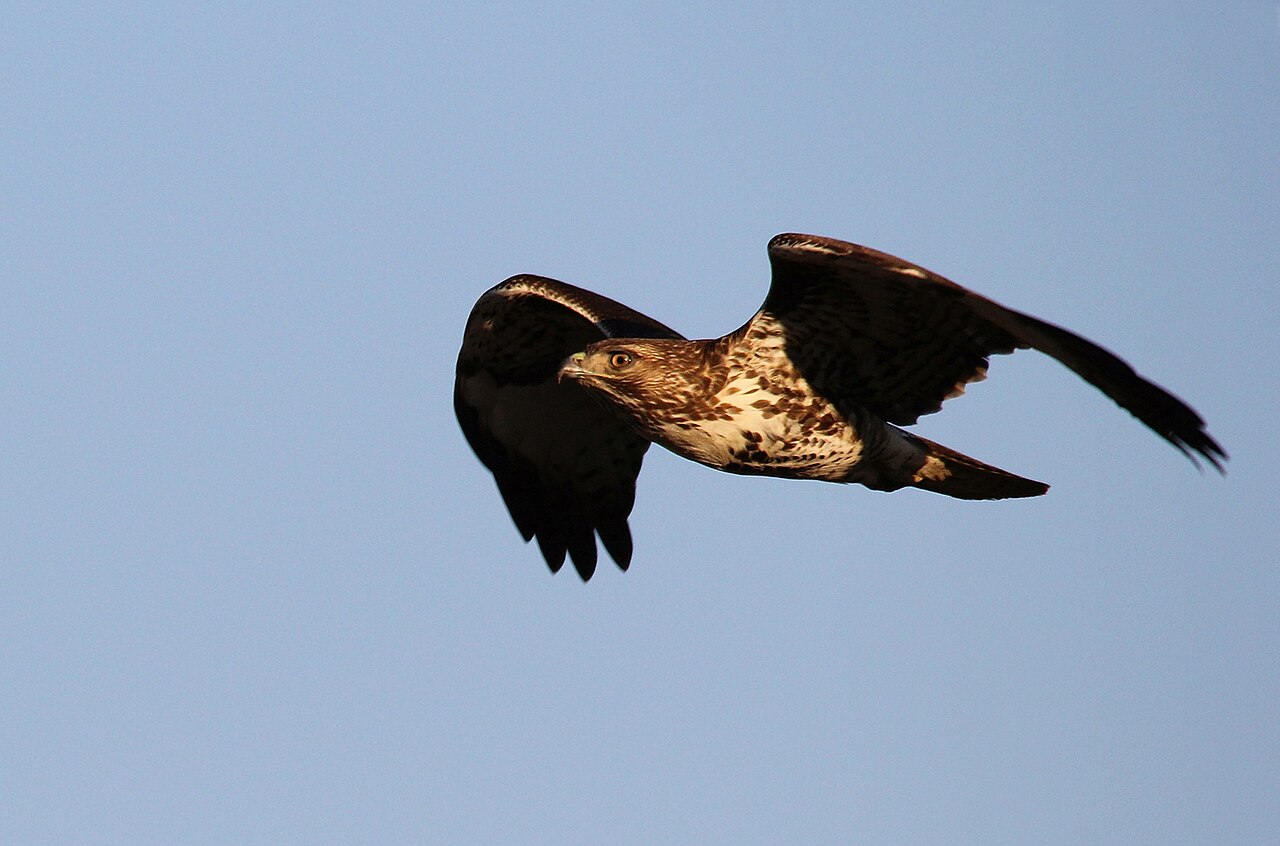
Hawks, eagles and owls eat rabbits across North America. The red-tailed hawk (Buteo jamaicensis) watches open fields from a pole or treetop and drops on cottontails that stray from cover. The Cooper’s hawk (Accipiter cooperii) hunts closer to houses and takes young rabbits from lawns and garden edges.
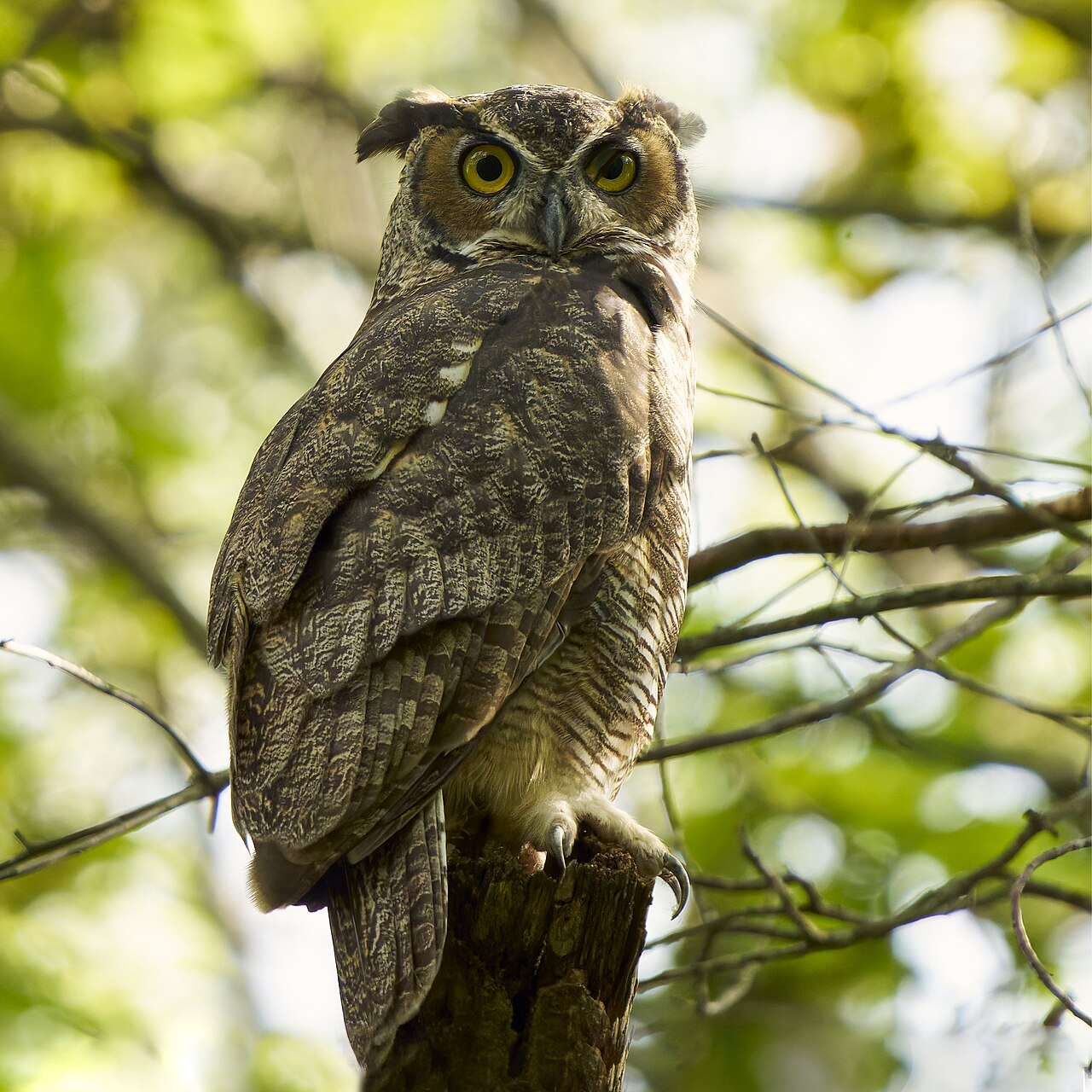
Night belongs to the great horned owl (Bubo virginianus). It can carry off an adult eastern cottontail (Sylvilagus floridanus), and it strikes from a silent glide. In open western country, golden eagles (Aquila chrysaetos) hunt rabbits and jackrabbits, and bald eagles (Haliaeetus leucocephalus) take them as well. The northern goshawk (Astur atricapillus) takes snowshoe hares and cottontails in northern forests. Falcons hunt birds above all, and only the larger ones, such as the prairie falcon (Falco mexicanus) and gyrfalcon (Falco rusticolus), take young rabbits and hares now and then.
Raptors kill with their talons, not their beaks. Baby rabbits fresh out of the nest are the easiest targets, because they freeze in the open instead of running for cover.
Wild Mammals That Hunt Rabbits
Foxes, coyotes, bobcats and weasels are the main mammal hunters of rabbits. The red fox (Vulpes vulpes) and gray fox (Urocyon cinereoargenteus) stalk field edges and hedgerows, then pounce. Coyotes (Canis latrans) run rabbits down on open land, on farms and in suburbs.
Bobcats (Lynx rufus) wait in cover and ambush cottontails at close range. Farther north, the Canada lynx (Lynx canadensis) depends so heavily on the snowshoe hare (Lepus americanus) that its numbers rise and fall with the hares. Rabbits are crepuscular and feed hardest at dawn and dusk, the same hours bobcats hunt.
Small hunters go where big ones cannot. Long-tailed weasels (Neogale frenata) and American mink (Neogale vison) follow rabbits into burrows and brush piles. American badgers (Taxidea taxus) dig them out of the ground, and gray wolves (Canis lupus) take a rabbit when one crosses their path.
Snakes and Lizards That Eat Rabbits
Snakes eat rabbits, young ones above all. Rat snakes (Pantherophis), gopher snakes (Pituophis catenifer) and rattlesnakes (Crotalus) raid nests and swallow the kits. A rattlesnake also bites a larger rabbit, lets it go and follows its scent trail until the venom works.
Snakes swallow prey whole, so a full-grown cottontail is too wide for many native species. Only the largest, such as big rattlesnakes, can take one. In Florida, invasive Burmese pythons (Python bivittatus) in the Everglades eat marsh rabbits (Sylvilagus palustris), and they have driven rabbit numbers down in the park.
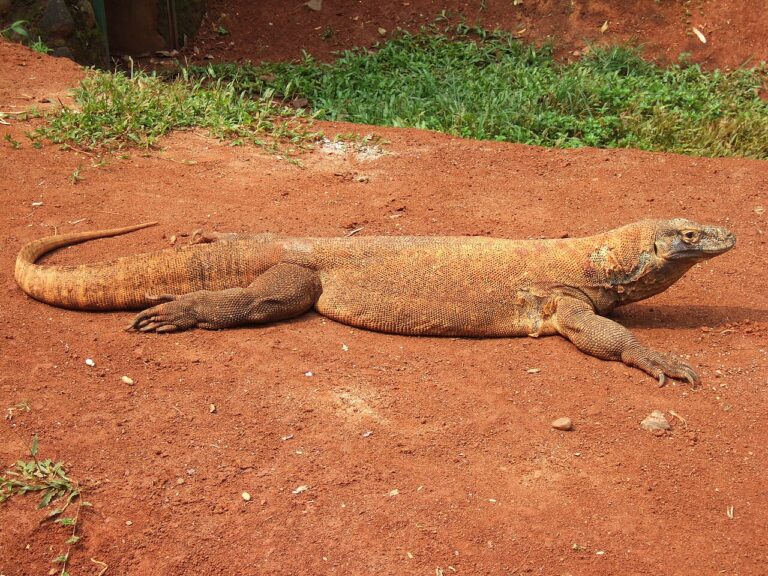
Lizards matter far less. Large monitor lizards (Varanus) in Africa, Asia and Australia take rabbits. In the US Southwest, the Gila monster (Heloderma suspectum) digs into nests and eats newborn rabbits, but no native lizard can kill an adult.
Do Cats and Dogs Kill Rabbits?
Yes, cats and dogs kill rabbits, and near homes they are often the first predator a rabbit meets. An outdoor house cat (Felis catus) hunts young rabbits in lawns and gardens and carries them home. A cat does not need to be hungry to hunt, so a well-fed pet still stalks rabbits.
Dogs (Canis familiaris) were bred for it. Terriers, beagles and other hounds, and sighthounds such as greyhounds were developed to chase and catch rabbits and hares. Even a gentle family dog can run a rabbit down in a fenced yard.
A playful dog can injure a pet rabbit without biting it, by pinning it or chasing it into a panic. Never leave a cat or dog unsupervised with a house rabbit, even one they have lived with for years.
What Happens If a Cat or Dog Eats a Rabbit?
A pet that eats a wild rabbit can pick up diseases the rabbit carried, and two of them also reach people. The first is tularemia. The CDC lists contact with infected animals, especially rodents, rabbits and hares, as one way people catch it. Rabbits and hares are so susceptible that they often die in large numbers during outbreaks.
Plague is the second. Rabbits are among the animals plague can affect, and the CDC notes that wild carnivores catch plague by eating infected prey. A cat that eats an infected rabbit or rodent can catch plague, since cats are particularly susceptible. Dogs rarely get sick, but they can still carry infected fleas home. If your pet catches or eats a wild rabbit and then turns sick, tell your vet what it ate.
How to Protect Pet Rabbits From Predators
Bring pet rabbits indoors or into a locked hutch every night. Foxes, raccoons (Procyon lotor) and owls hunt after dark. Strawberries cut small make a good lure for the evening lock-up.
Build the run from welded hardware cloth, not chicken wire, because raccoons tear or reach through chicken wire. Roof every outdoor run, since hawks and owls strike from above. Lay a wire apron flat along the outside edges to stop foxes and dogs that dig at the base.
Train rabbits to come in on cue before dusk. Shake a treat jar or call the same word, then reward the rabbit inside the hutch. Apples make a good occasional recall reward when cut into thumbnail-sized pieces with the core and seeds removed.
Bananas work as a recall reward too, as a thin slice no more than twice a week.
Frequently Asked Questions
What animal kills the most rabbits?
In open country, hawks, owls, foxes and coyotes take the most cottontails, though no single predator leads everywhere. Near homes, outdoor cats add heavy pressure. Free-ranging cats kill an estimated 6.3 to 22.3 billion small mammals a year in the US, rabbits among them.
Can you tell what killed a rabbit from what is left?
Yes, often. Hawks and owls pluck tufts of fur and feed on the spot, a missing head points to a great horned owl or a raccoon, and foxes and coyotes carry the body off or bury part of it.
Are jackrabbits aggressive?
No, jackrabbits are not aggressive toward people. They are hares, and they escape coyotes and golden eagles by running at up to 40 mph instead of fighting. A jackrabbit bites only when grabbed or cornered.
How do rabbits warn each other about predators?
Rabbits thump their hind feet on the ground as an alarm. Other rabbits nearby can hear the thump. Then the rabbit freezes or bolts for cover in sharp zigzags that make it hard for a hawk or fox to follow. Pet rabbits thump indoors for the same reason.
Sources
- CDC, About Tularemia
- CDC, How Plague Spreads
- CDC, Plague Transmission
- USGS, Mammal Declines in Everglades National Park
- Aquarium of the Pacific, Gila Monster
- Loss, Will and Marra 2013, Nature Communications
Explore more: What Eats What: The Backyard Food Chain Explained