Fox Tracks: 7 Ways to Identify Them in Snow, Mud and Sand
Fox tracks are small, narrow, oval prints about 2 to 2.5 inches long with four toes, visible claw marks, and a distinctive chevron shaped ridge across the heel pad that no dog or coyote leaves behind. If the trail runs in an almost perfectly straight line with each print landing in front of the last, you are almost certainly looking at a red fox (Vulpes vulpes) rather than a wandering neighborhood dog.
Most people find their first fox tracks in fresh snow, which records the chevron bar and the furred winter foot better than any other surface. Mud and wet sand sharpen the toe shape but flatten the gait pattern, so the clues you rely on change with the ground under your boots.
A fox track is an oval print 2 to 2.5 in (5 to 6.4 cm) long and 1.5 to 2 in (3.8 to 5 cm) wide, with four toes, small sharp claw marks, and a raised chevron bar across the rear pad. Fox trails run in a nearly straight line with a 12 to 18 in stride.
| Feature | Red fox | Gray fox |
|---|---|---|
| Front print length | 2 to 2.5 in (5 to 6.4 cm) | 1.5 to 1.75 in (3.8 to 4.4 cm) |
| Hind print length | 1.75 to 2.25 in (4.4 to 5.7 cm) | 1.4 to 1.6 in (3.6 to 4 cm) |
| Toes | 4, tight and narrow | 4, rounder and splayed |
| Claws | Usually visible, fine points | Often faint, semi retractable |
| Heel pad | Chevron bar, hair filled in winter | Solid pad, no chevron |
| Stride (trotting) | 12 to 18 in (30 to 46 cm) | 9 to 13 in (23 to 33 cm) |
| Trail pattern | Nearly straight line | Slightly staggered |
What Do Fox Footprints Look Like?
A fox footprint is an oval with four oval toes arranged in a tight arc, two in front and one on each side, with a small triangular pad behind them. The whole print is noticeably longer than it is wide, which is the first thing that separates it from the round prints of most domestic dogs. Claw marks usually register as fine dots just ahead of the toes rather than the blunt gouges a heavy dog leaves.
The detail worth hunting for is the heel pad. A red fox has a raised bar of callused skin running across its rear pad, which prints as a chevron or a shallow dash that breaks the pad into two parts. No canid in North America except the red fox shows that bar, so a clean print with a chevron settles the question on its own.
Fox Tracks in Snow: What Winter Shows You
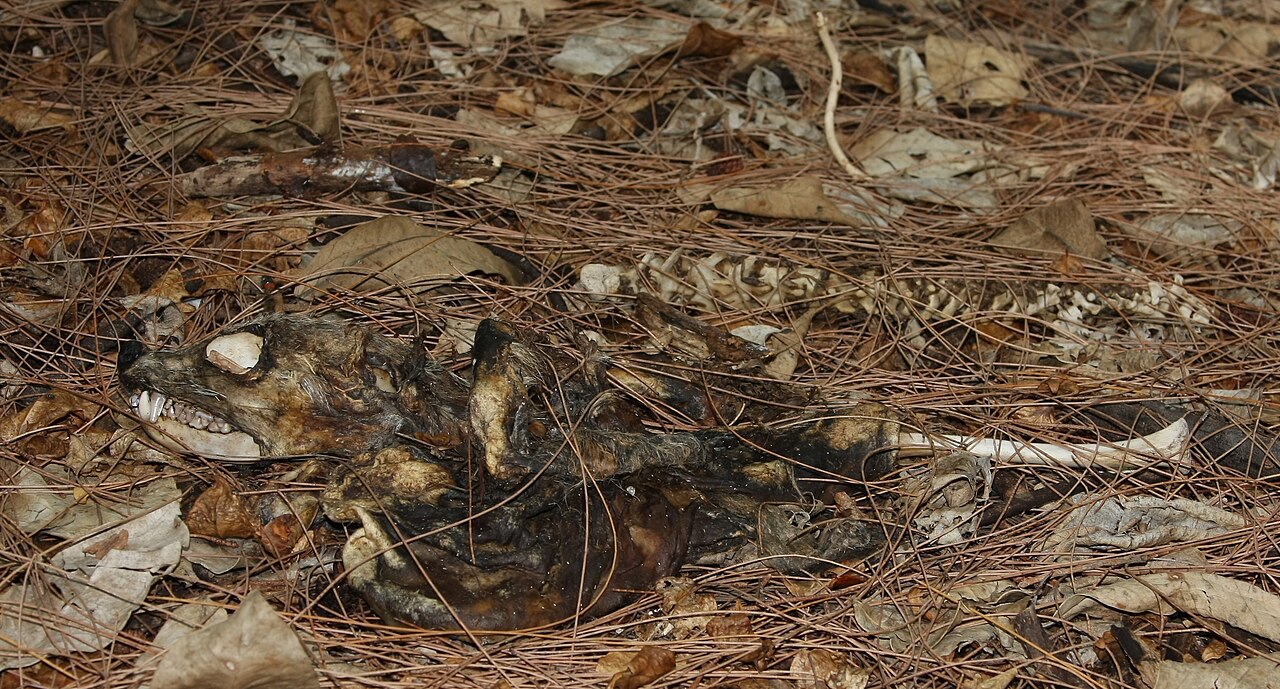
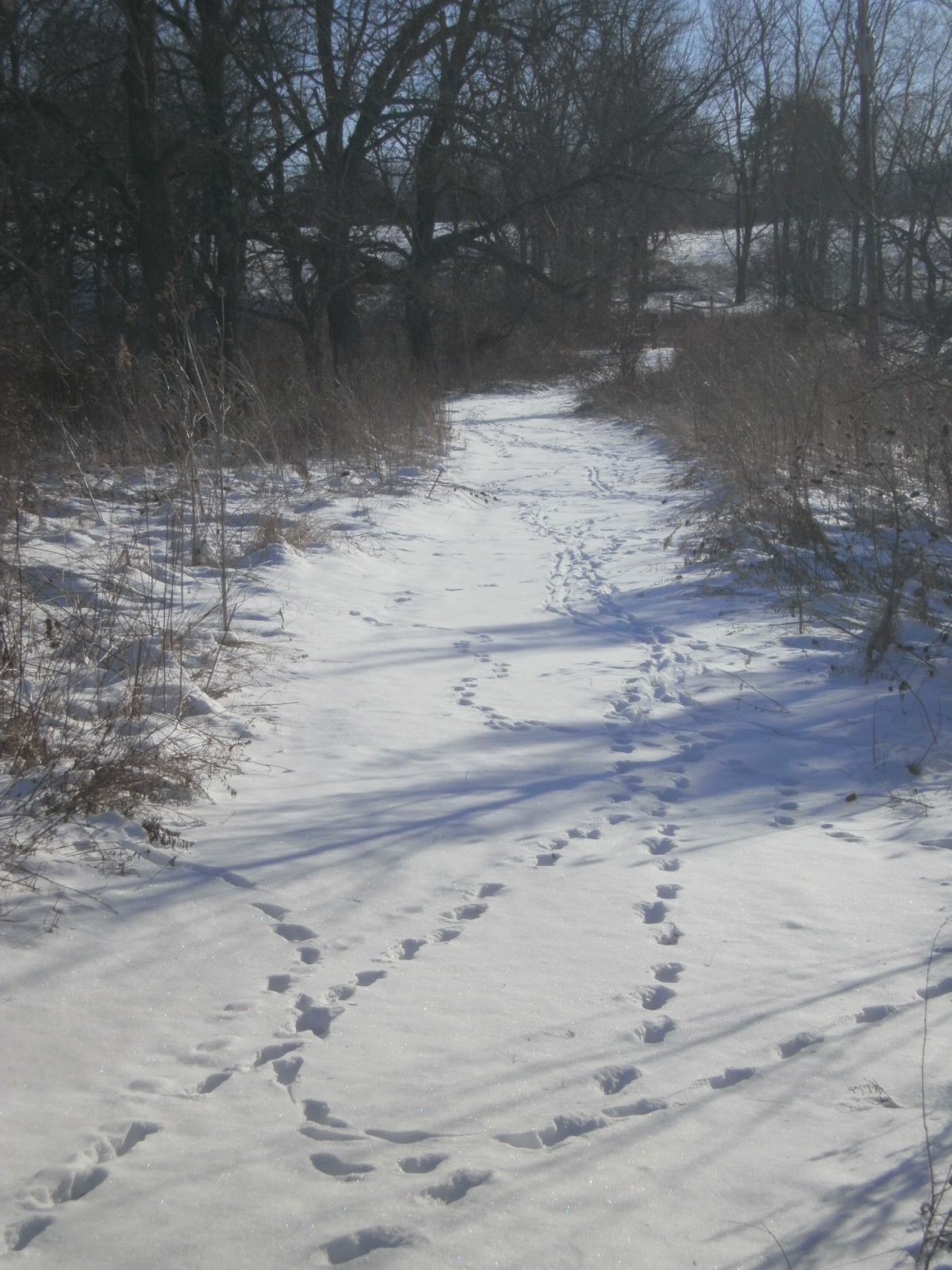
Winter is tracking season, and snow is where fox prints are easiest to read. In fresh powder of about an inch, the print shows as a compact oval that often looks fuzzy at the edges because red foxes grow dense fur between their toes from November through March. That fur can blur the toe outlines entirely, leaving a soft dimple with only the claw tips showing.
Deep snow changes the picture again. A fox pushing through 6 in of powder drags its feet and leaves connected drag marks between prints, which can look like a single trough with regular punch holes. Read the trail rhythm first and the individual prints second, because in deep snow the line of travel is the more reliable clue. Compare what you find with coyote tracks in the same snow, which sink deeper and sprawl wider.
Fox Tracks in Mud and Sand
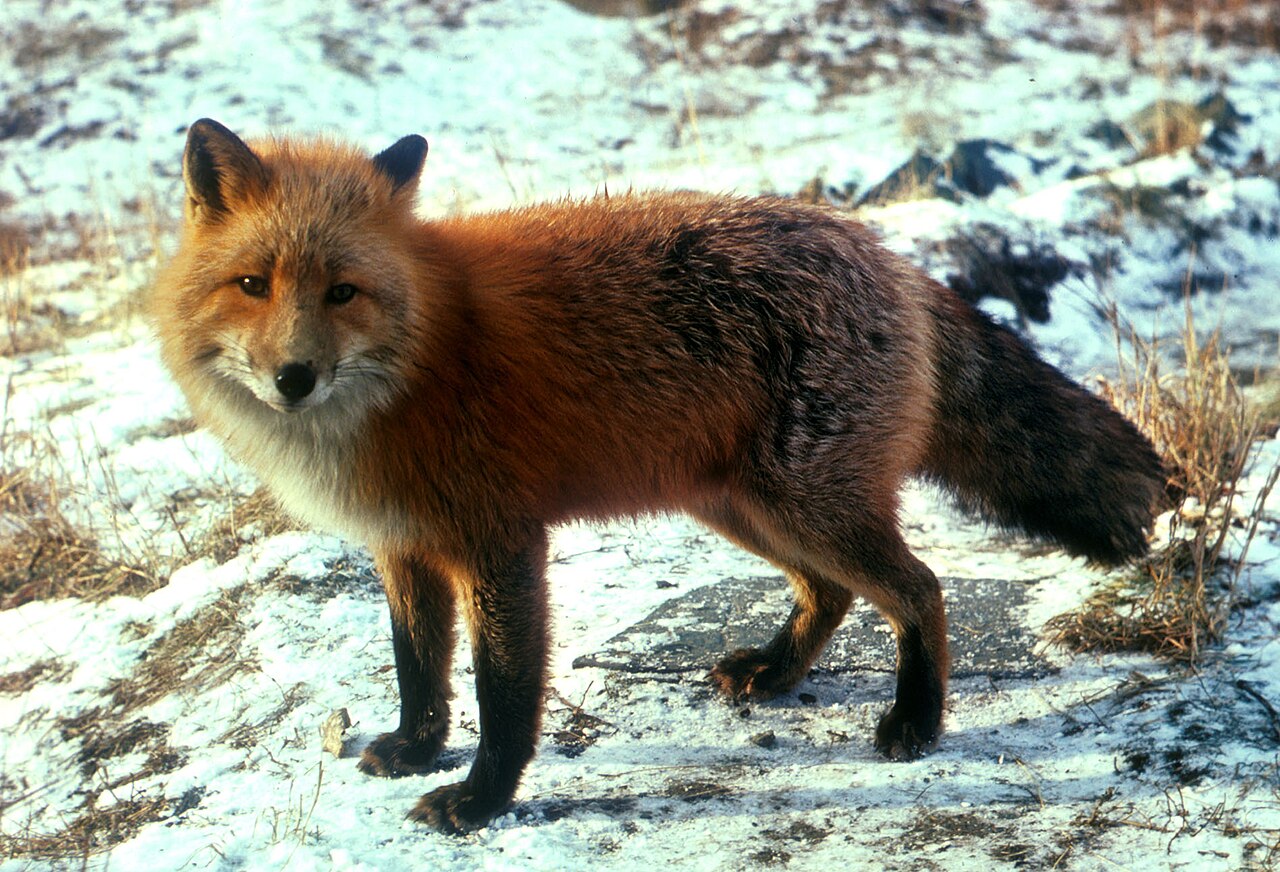
Soft mud gives the sharpest detail of any surface. Toe pads print as distinct ovals, claw points are crisp, and the chevron bar on the heel usually appears as a clean raised line. The one catch is that mud exaggerates size: a print set in soupy ground can measure a quarter inch longer than the actual foot because the walls slump outward.
Dry sand does the opposite. It collapses inward, rounds the toes, and erases the chevron, so a fox print in loose beach sand can be mistaken for a cat. Damp sand near the waterline holds detail like mud. In dry sand, measure several prints and average them.
How Can You Tell the Difference Between a Fox and a Coyote Track?
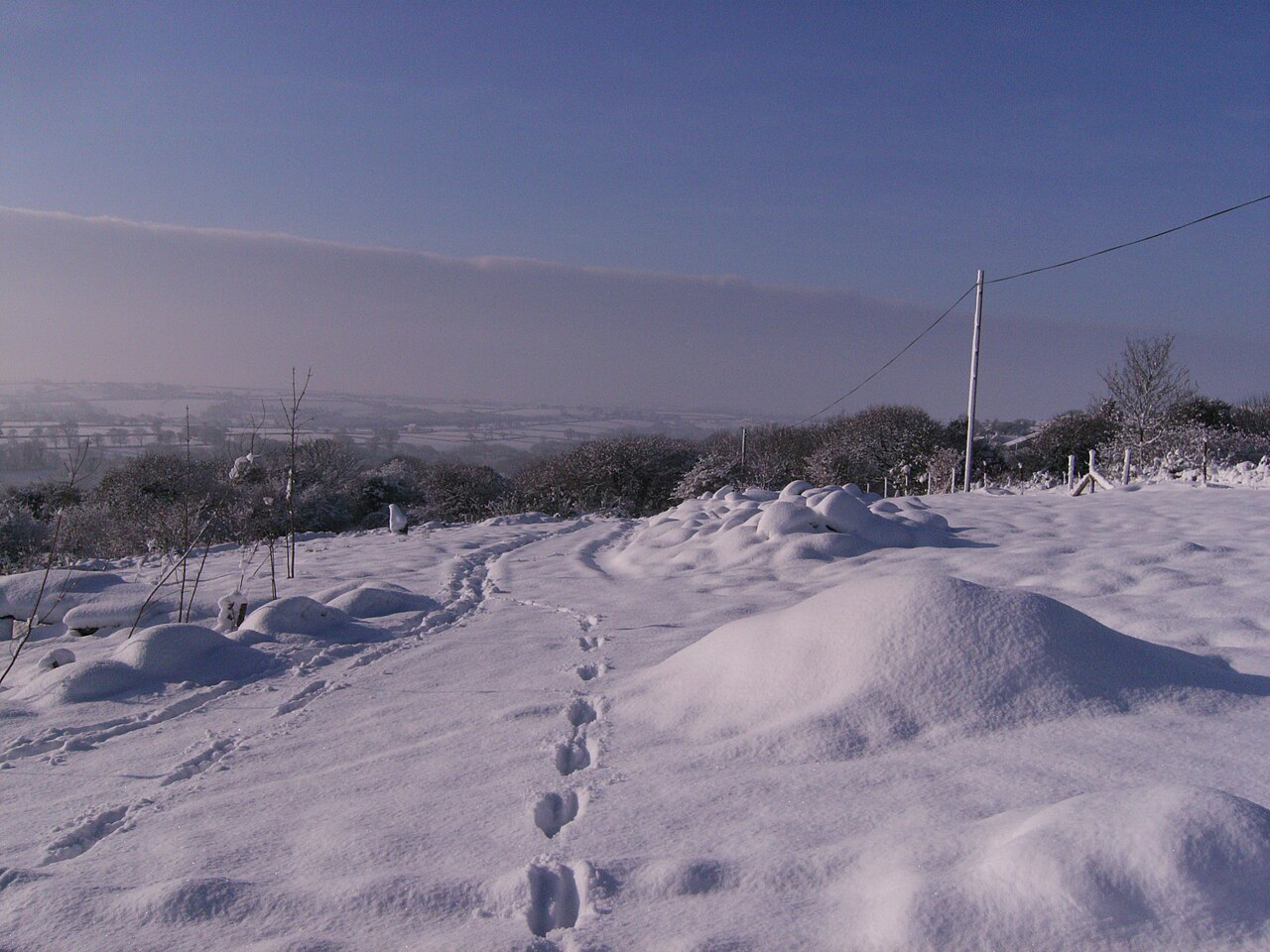
Size and shape settle it. A coyote front print runs 2.5 to 3.5 in (6.4 to 8.9 cm) long and is noticeably broader, with a large triangular heel pad and no chevron bar. A red fox print rarely exceeds 2.5 in and looks narrow and dainty next to it, almost as if the animal walked on tiptoe.
The second clue is weight. Coyotes weigh 25 to 40 lb and sink into snow and mud; red foxes weigh 8 to 15 lb and often skim across a crust that a coyote would break through. If the trail is barely denting the surface and the prints are under 2.5 in, you did not see a coyote.
Fox Tracks vs Dog Tracks and Cat Tracks
Dog prints are round rather than oval, with toes that splay outward and blunt claws that dig in. Dogs also wander: their trails loop toward smells, double back, and vary in stride because they are rarely traveling with purpose. A fox trail looks like it was drawn with a ruler.
Cat prints, including bobcat tracks, are round, slightly wider than long, and show no claws because cats retract them while walking. A bobcat heel pad also prints with two lobes at the front and three at the back, a shape no canid produces. If you see four toes, no claws, and a lobed pad, you are looking at a cat.
Gray Fox Tracks vs Red Fox Tracks
Two fox species leave tracks across most of the United States, and they do not print the same. A gray fox (Urocyon cinereoargenteus) leaves a smaller print, 1.5 to 1.75 in (3.8 to 4.4 cm) long, with rounder toes that splay wider and no chevron bar on the heel pad. Its claws are semi retractable, so they often fail to register at all, which pushes beginners toward a cat identification.
Habitat and behavior narrow it down further. Gray foxes favor brushy woodland and climb trees, so a trail that ends at a trunk belongs to a gray fox, not a red one. Red foxes prefer field edges and open country and leave the straighter, longer strided trail. Where both occur, measure the print and check the heel before deciding.
Do Fox Tracks Go in a Straight Line? Gait and Stride
Yes, and it is the single most useful field mark at a distance. A trotting red fox places each hind foot almost exactly in the print its front foot just left, a gait called direct registering, and it holds a straight heading across open ground. The result is a single file line of prints spaced 12 to 18 in apart that can run a hundred yards without a wobble.
The pattern changes when the fox hunts. It stops, pivots, and leaves clustered prints before the vertical pounce into snow, which registers as a deep body impression with a scatter of toe marks. Those breaks in the line carry the story of the night. The same reading applies to deer tracks and rabbit tracks crossing the field.
How to Tell if a Fox Is in Your Yard
Tracks are the first sign, but foxes leave a signature set of clues. Scat is the clearest: twisted, tapered to a point at one end, 2 to 3 in long, and usually packed with fur, bone chips, or berry seeds, deposited in the open on a rock, a stump, or the middle of a path as a territorial marker. A strong skunky musk near a den entrance is another reliable tell.
Look also for dig sites. Foxes cache food in shallow cone shaped holes about 4 in across, and dens appear under sheds and decks with a fan of excavated soil at the entrance, often littered with feathers and bone. Smaller holes and chewed nuts point instead to squirrel activity, and larger excavations near trash to bear visits.
For range maps and verified natural history on North American canids, the U.S. Fish and Wildlife Service keeps species profiles worth checking. In the same woods, fisher tracks register five toes instead of four.
Frequently Asked Questions
What can be mistaken for a fox track?
Small dog breeds cause most errors, especially terriers and shelties whose prints fall in the same size range. House cats, gray foxes, and young coyotes also overlap. Check for the chevron bar on the heel pad, the narrow oval shape, and a straight single file trail to rule them out.
What animal looks like a fox but isn’t?
Coyotes are the usual mix up in the field because of their build and color, but several dog breeds are mistaken for foxes too. Shiba Inu, Finnish Spitz, and Icelandic Sheepdog all have the pointed ears, russet coat, and plumed tail that read as fox at a glance.
Did I see a fox or a coyote?
Judge by size and tail. A red fox stands about 15 in at the shoulder and weighs 8 to 15 lb, with a thick white tipped tail it carries level. A coyote stands 21 to 24 in, weighs 25 to 40 lb, and runs with its tail pointed down.
What is the most similar animal to a fox?
Among wild North American animals, the coyote is closest in form and track pattern, and the gray fox is closest in size. Gray fox prints are smaller and rounder than red fox prints and lack the chevron bar, and gray foxes climb trees, which no other canid in the region does.
How old are the fox tracks I found?
Fresh prints in snow have sharp vertical walls and loose crystals inside. Within hours the edges round off and the interior glazes. In mud, fresh prints are dark and wet while older ones dry pale and crack. Track early in the morning after an overnight snowfall for the clearest timeline.