What Do Robins Eat? Complete Diet Guide
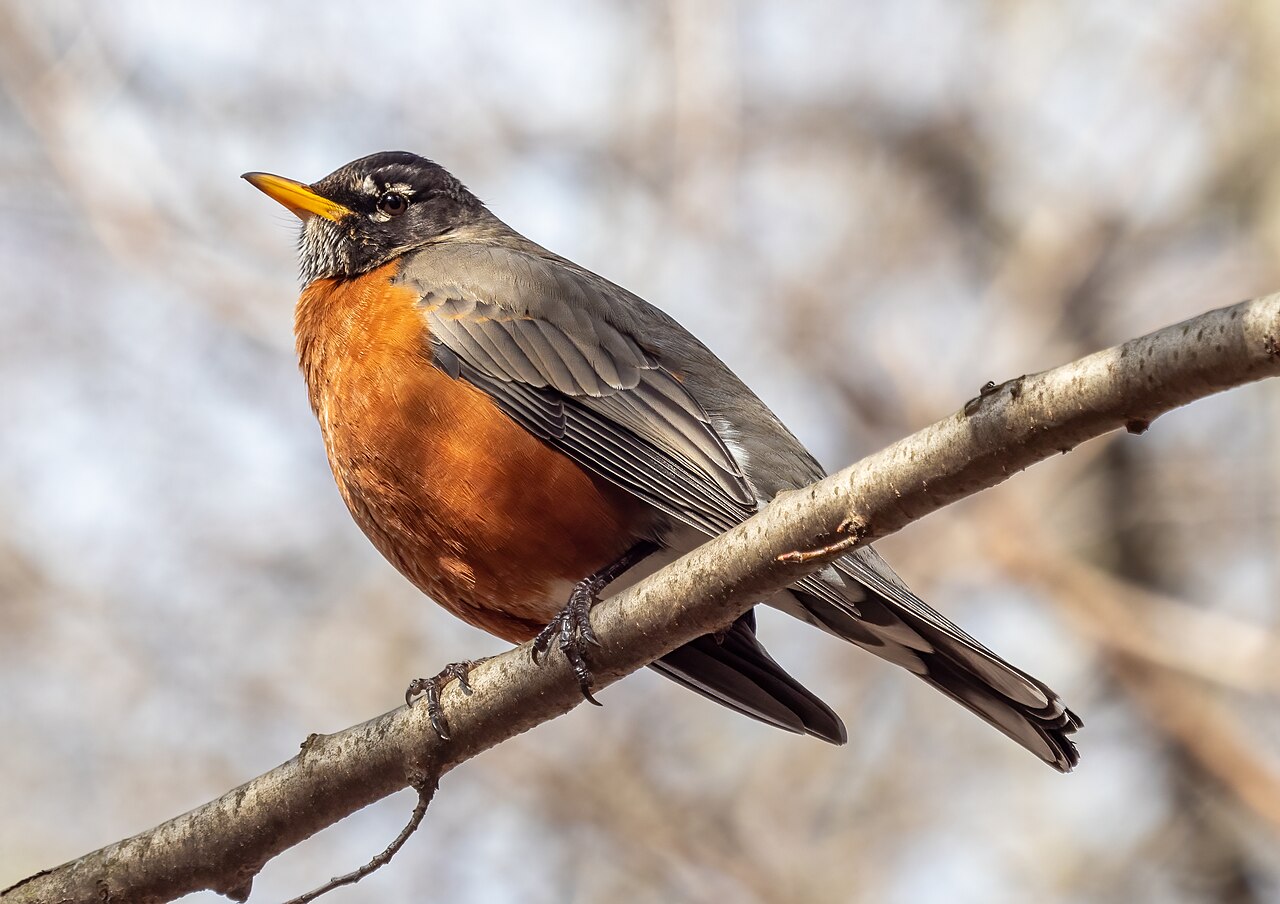
Robins eat mostly earthworms, insects, and fruit, not birdseed. In spring and summer they feast on worms, beetles, caterpillars, and other invertebrates pulled from the lawn, and in fall and winter they switch almost entirely to berries and soft fruit. This is why robins are common on lawns but rare at seed feeders. If you want to feed robins, the trick is mealworms, fruit, and water rather than sunflower or mixed seed. This guide covers exactly what robins eat through the year, why they ignore your feeder, and how to attract them the right way.
| Food | Examples | When |
|---|---|---|
| Earthworms | Pulled from lawns and soil | Spring and summer |
| Insects | Beetles, caterpillars, grubs | Spring and summer |
| Fruit and berries | Holly, dogwood, sumac, crabapple | Fall and winter |
| Mealworms | Dried or live, offered on a tray | Year-round |
| Birdseed | Rarely eaten | Almost never |
What Do Robins Eat?
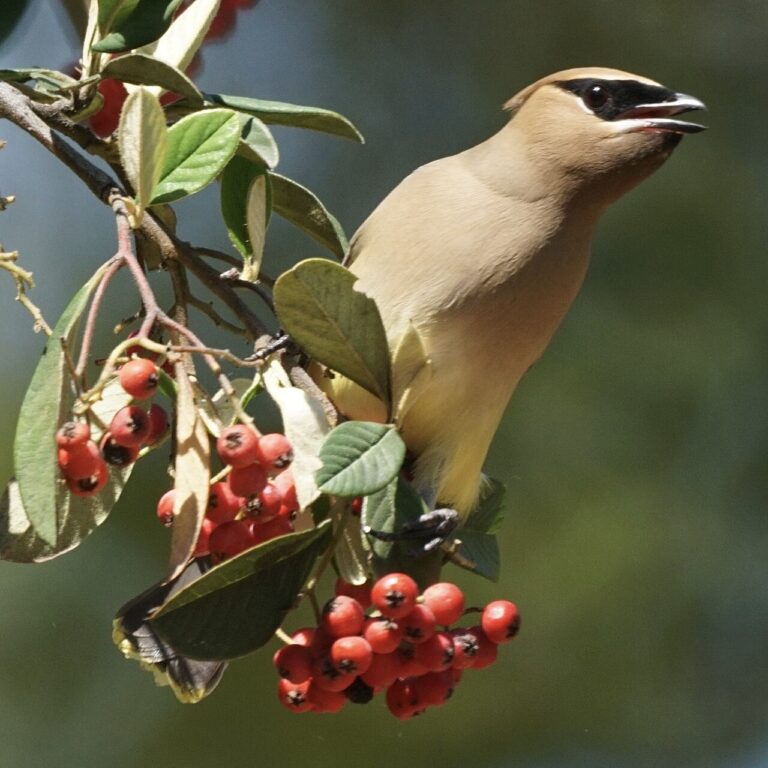
Robins have a split diet that shifts with the seasons. During the warmer months they are primarily carnivores of the lawn, eating earthworms, beetles, grubs, caterpillars, and other invertebrates that they hunt on open ground. As fall arrives and insects disappear, robins switch to a fruit-based diet, eating enormous quantities of berries from wild and ornamental plants such as holly, dogwood, sumac, juniper, and crabapple. This flexibility is why robins can stay through winter in many areas rather than migrating far, moving in flocks wherever fruit is abundant. The one thing that stays constant is that robins are not seed eaters, so their menu looks nothing like a cardinal’s or a finch’s. For the full profile of the bird, see our complete American Robin guide.
Do Robins Eat Birdseed?
This is the most common robin feeding question, and the answer is usually no. Robins lack the interest and the specialized bill for cracking seeds, so they almost always ignore sunflower, safflower, and mixed seed at feeders. If you have been waiting for robins to show up at your seed feeder, that is why they never come. It is not that your feeder is wrong, it is that seed simply is not robin food. Instead of seed, robins are drawn to mealworms, fruit, and water. This makes them very different from the seed-loving birds covered in our guide to the best bird seed, and it is worth knowing so you can offer the right thing.
How Robins Find Worms
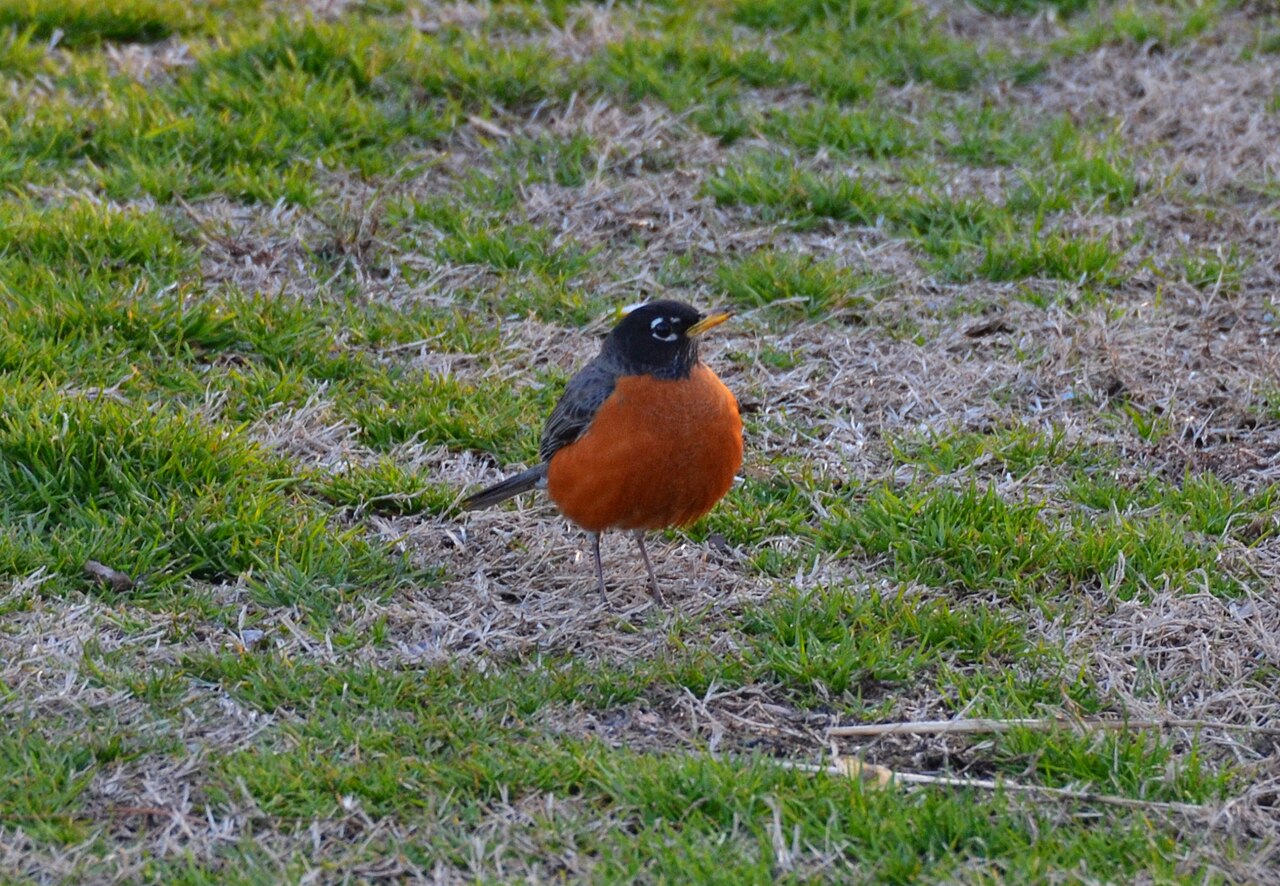
Watching a robin hunt is one of the classic backyard sights. A robin runs a few steps across the lawn, stops, cocks its head to one side, then suddenly stabs into the grass and pulls up a worm. For years people assumed the head tilt meant the bird was listening for worms, but research has shown robins locate their prey mainly by sight, using their sideways-facing eyes to spot the subtle movement of a worm at the surface. The Cornell Lab of Ornithology notes that a robin can eat well over a dozen earthworms in a single feeding session, and a robin foraging on a spring lawn may pull dozens of worms in a day. This appetite for lawn invertebrates is why robins thrive in yards, parks, and playing fields.
What Do Robins Eat in Winter?

In winter, robins undergo a near-total diet change. With the ground frozen and worms and insects gone, they rely almost entirely on fruit, forming roaming flocks that strip berry-laden trees and shrubs. Holly, juniper, hawthorn, crabapple, sumac, and winterberry are all important cold-weather foods, and a yard planted with these can attract wintering robins in numbers. This is also why you might see robins in the middle of winter and wonder why they did not migrate, since many simply follow the fruit rather than heading far south. Planting native berry producers is the single best way to support robins in the cold months, as detailed in our guide to plants that attract birds.
How to Attract Robins to Your Yard
Because robins ignore seed, attracting them takes a different approach built around three things: open lawn, fruit, and water. Keeping a section of chemical-free, healthy lawn gives them a worm-hunting ground, since pesticides destroy the invertebrates they depend on. Planting native berry shrubs and small fruit trees provides fall and winter food. Offering mealworms and chopped fruit like raisins, apples, or berries on an open platform feeder can bring them in close. Above all, robins love water, so a birdbath, especially a moving or heated one in winter, is one of the most reliable robin magnets there is. These methods differ completely from feeding seed eaters, and they overlap with attracting other fruit and insect lovers, as in our guide to attracting birds to your feeder.
What Do Baby Robins Eat?
Baby robins eat an almost entirely animal diet of earthworms and insects delivered by their parents, which is very different from the fruit-heavy diet adults eat in winter. Both parents work constantly to feed the fast-growing nestlings a steady supply of worms, caterpillars, and grubs, since this protein is what fuels their rapid development in the nest. This is important to know if you ever find a young robin, because feeding it the wrong food can harm it. For the full story on young robins, including what to do if you find one, see our guide to the baby robin, and to compare with a very different omnivore, see what blue jays eat.
Do Robins Eat Peanuts, Suet, or Sunflower?
Because robins ignore ordinary seed, people often ask about other feeder foods. Robins generally do not eat whole peanuts or sunflower seeds, since they are not built to crack or shell hard seeds the way jays and finches are. They will, however, take some feeder foods that fit their soft-food diet. Suet, especially varieties blended with insects or fruit, can attract robins in cold weather, offered in a way they can reach since they do not cling as easily as woodpeckers. Softened or crushed foods, mealworms, and chopped fruit are far more reliable than any nut or seed. The simplest rule is to think like a robin: if a food resembles a worm, an insect, or a berry, a robin may eat it, and if it is a hard seed, the robin will almost always pass. For the birds that do love those seeds, see our guide to the best bird seed, and for suet options, our roundup of the best suet feeders.
Do Robins Come to Bird Feeders?
Robins can visit feeders, but only the right kind with the right food, and never for seed. A traditional seed feeder, whether tube or hopper, holds no appeal for them. What can work is an open platform or tray feeder, placed low and near the lawn, stocked with mealworms, chopped fruit, raisins soaked in water, or crumbled suet. Even then, robins are far more likely to feed on your lawn and in your berry bushes than at any feeder, so the surest way to enjoy them is to garden for them rather than to fill a feeder. A birdbath will out-perform any feeder for attracting robins, since a dependable water source draws them in to drink and bathe throughout the year. Think habitat first and feeder second, and robins will become regular visitors to your yard.
Frequently Asked Questions
What do robins eat?
Mostly earthworms and insects in spring and summer, and fruit and berries in fall and winter. Robins are not seed eaters, so they rarely visit seed feeders.
Do robins eat birdseed?
Usually not. Robins lack the interest and bill shape for cracking seeds and almost always ignore sunflower, safflower, and mixed seed. Offer mealworms, fruit, and water instead.
How do I attract robins to my yard?
Provide an open, pesticide-free lawn for worms, plant native berry shrubs, offer mealworms and chopped fruit on a platform, and add a birdbath. Water and protein attract robins, not seed.
What do robins eat in winter?
Almost entirely fruit and berries, since worms and insects are unavailable. They form flocks and feed on holly, juniper, crabapple, sumac, and other berry plants.
Do robins eat mealworms?
Yes. Dried or live mealworms are one of the best ways to feed robins, offered on an open tray or platform feeder rather than in a seed feeder.
How do robins find worms?
Mainly by sight. A robin cocks its head to look for movement at the surface, then stabs into the soil. Research shows vision, not hearing, is their main tool for finding worms.
Why are there robins in winter if they migrate?
Many robins do not migrate far. Instead they switch to a fruit diet and roam in flocks wherever berries are plentiful, so you may see them all winter even in cold regions.