What Eats Birds? Predators by Life Stage, Around Homes, and the Ones You Never Expected
Hawks, owls, falcons, snakes, raccoons, foxes, cats and other birds all eat birds, and which predator matters most depends on the bird’s age. Eggs and nestlings are taken mostly by snakes, raccoons, squirrels, crows and jays; adult songbirds are taken mostly by Cooper’s hawks (Accipiter cooperii), sharp-shinned hawks (Accipiter striatus) and free-roaming house cats. The answer to “what eats birds” changes between a forest, a marsh and a suburban backyard.
A few predators surprise almost everyone: largemouth bass pull ducklings under, bullfrogs swallow fledglings, praying mantises catch hummingbirds at feeders and large orb-weaver spiders occasionally trap small birds in their webs. This guide sorts bird predators by life stage and habitat, ranks them by how often they take birds in the United States and explains how to protect a feeder or a poultry flock.
Birds are eaten by raptors (hawks, owls, falcons, eagles), snakes, raccoons, foxes, coyotes, weasels, cats, crows, jays and gulls. Eggs and chicks suffer the heaviest losses, mostly to snakes, raccoons and corvids. Adult birds are most often killed by Cooper’s and sharp-shinned hawks in the wild and by house cats around homes, with fish, frogs and mantises as surprise predators.
| Predator | What it takes | US region | How often |
|---|---|---|---|
| Cooper’s and sharp-shinned hawks | Adult songbirds, doves | Nationwide | Very common |
| House cats | Fledglings and adults near homes | Nationwide | Very common |
| Rat snakes and other climbing snakes | Eggs, nestlings, incubating adults | East, South, Midwest | Very common at nests |
| Raccoons | Eggs, nestlings, roosting poultry | Nationwide | Common |
| Crows, jays, grackles | Eggs and nestlings | Nationwide | Common |
| Great horned owls | Adult birds, including other raptors | Nationwide | Common at night |
| Foxes, coyotes, weasels, mink | Ground nesters, poultry, waterfowl | Nationwide | Common |
| Bass, pike, bullfrogs, snapping turtles | Ducklings and small waterbirds | Wetlands | Occasional |
What Eats Bird Eggs and Nestlings?
Snakes, raccoons, squirrels, chipmunks, crows, jays and grackles are the main predators of eggs and nestlings, and together they destroy far more nests than hawks ever do. Rat snakes (Pantherophis species) climb trees and nest boxes with ease and are the leading nest predator across the eastern and southern United States. Raccoons raid ground and cavity nests alike, often taking the incubating female too.
Crows and blue jays watch parent birds carry food and then empty the nest in one visit, while squirrels, chipmunks, skunks and opossums take eggs opportunistically. A high share of nests typically fail before the young fledge, which is why so many songbirds lay a second or third clutch each summer.
What Eats Adult Birds in the Wild?
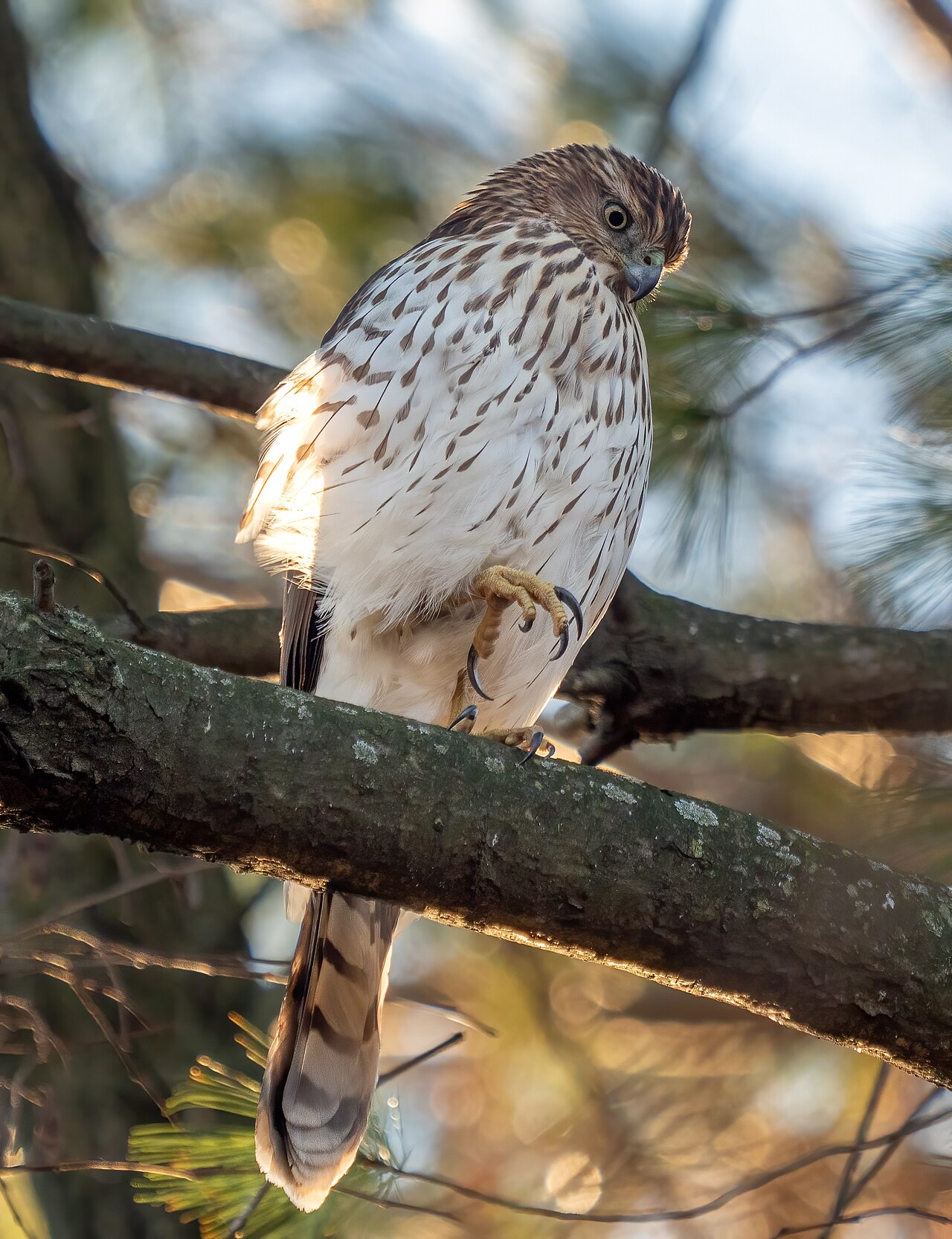
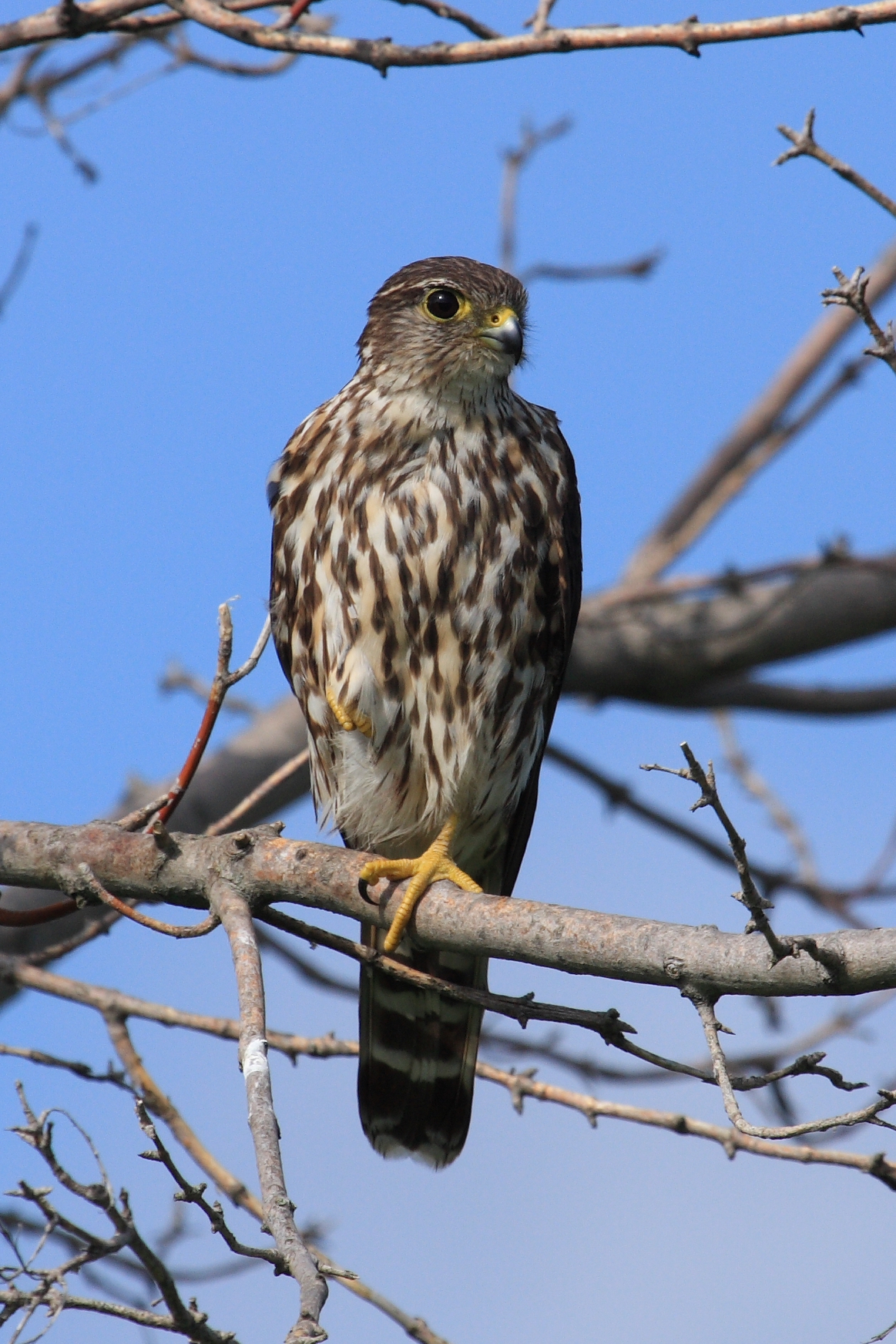
Adult birds are eaten mainly by other birds. Cooper’s hawks and sharp-shinned hawks specialize in songbirds and doves and are the raptors most often seen snatching a bird off a feeder. Peregrine falcons take pigeons, shorebirds and ducks in mid-air, which is why a city with a nesting pair hears the loud peregrine falcon sounds of a hunting territory. Merlins, harriers, red-tailed hawks and bald eagles take birds too.
Herons swallow rails and ducklings, gulls eat tern chicks at colonies and shrikes impale sparrows on thorns; our list of birds that eat other birds covers each. Among mammals, foxes, coyotes, bobcats, weasels and mink catch quail, grouse and nesting ducks. Even the rodent specialists among birds that eat mice, like barn owls and kestrels, take a sparrow when mice are scarce.
What Eats Birds Around Homes and Backyard Flocks?
Around homes, free-roaming house cats are the top predator of birds, and the U.S. Fish and Wildlife Service identifies cats as the largest direct human-caused source of bird deaths. Fledglings that leave the nest before they fly well are the most vulnerable, usually in late spring. Cooper’s hawks are the second most common backyard predator and often set up near busy feeders.
For backyard chickens, ducks and quail the threats are raccoons, foxes, coyotes, opossums, weasels, mink, rat snakes, hawks and owls. Raccoons reach through wire and open simple latches, weasels squeeze through gaps the width of a quarter, hawks strike by day and owls take roosting birds at night. Use half-inch hardware cloth instead of chicken wire, bury or apron the fencing, roof the run, lock the coop at dusk with a two-step latch and keep cats indoors. Place feeders within 10 ft (3 m) of dense shrubs so songbirds can dive for cover.
Next question: What Do Birds Eat? A Complete Guide
What Eats Birds at Night?
At night birds are eaten by owls, raccoons, opossums, snakes, foxes and cats, all hunting while songbirds sit still and nearly blind on their roosts. Great horned owls (Bubo virginianus) are the heaviest night predator and take crows, ducks, hawks and even other owls from their roosts; barred and screech owls take smaller birds.
Raccoons and rat snakes work nests after dark, which is why nest box losses so often happen overnight with no sign of a struggle. Birds answer by roosting in dense evergreens, deep cavities and tight flocks, and a baffle on a nest box pole stops most climbing predators and is the single most effective nighttime protection you can add.
Surprising Animals That Eat Birds: Fish, Frogs, Spiders and Plants
Fish, frogs, turtles, spiders, insects and even a few plants eat birds, and most guides leave them out. Largemouth bass, northern pike and muskellunge regularly take ducklings and coot chicks, reversing the usual relationship between birds that eat fish on ponds every spring. Snapping turtles and bullfrogs pull young waterbirds under from below.
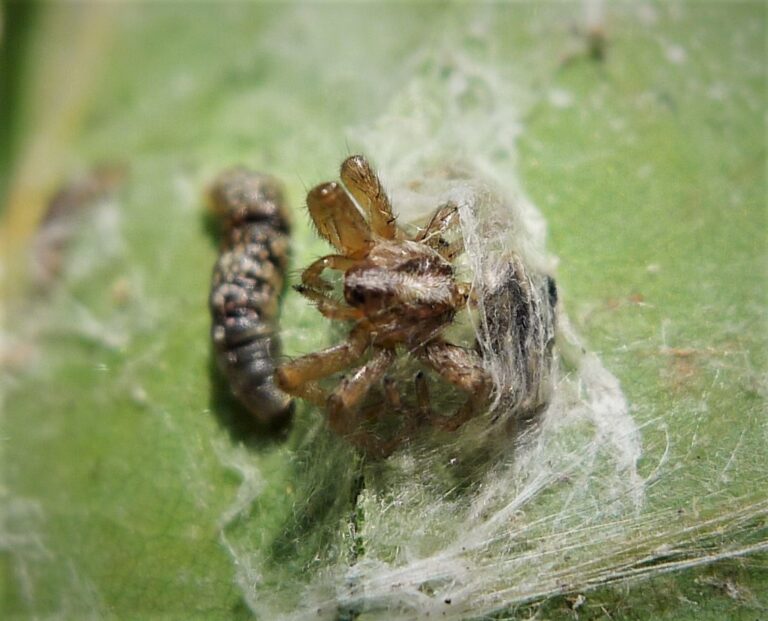
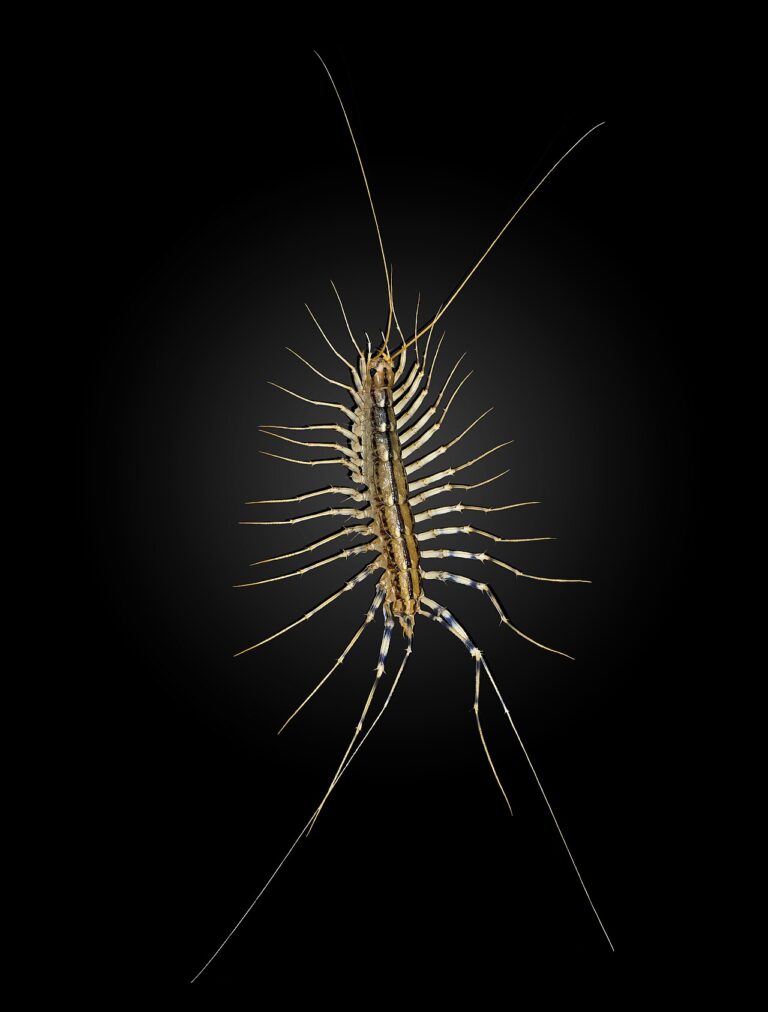
Praying mantises catch hummingbirds at feeders, and large orb-weaver and golden silk spiders have been documented wrapping small birds that blundered into their webs, a tiny food web shared with the animals that eat wasps. Tropical pitcher plants occasionally digest small birds that fall in, and alligators and large catfish take wading birds in the Southeast. None is a major cause of bird deaths, but almost every hunter in a habitat will eat a bird given the chance.
Frequently Asked Questions
What animal eats a bird?
Hawks, owls, falcons, eagles, snakes, raccoons, foxes, coyotes, weasels, cats, crows, jays and gulls all eat birds. The most frequent bird-eaters in the United States are Cooper’s and sharp-shinned hawks for adults, rat snakes and raccoons for eggs and nestlings, and house cats for fledglings around homes.
What are the main predators of birds?
The main predators of birds are bird-hunting hawks, owls, climbing snakes, raccoons, corvids and domestic cats. Nest predators such as snakes, raccoons and crows destroy most eggs and chicks, while hawks and cats account for most deaths of adult and newly fledged birds.
What is a bird’s biggest enemy?
Day to day, a wild bird’s biggest enemy is the Cooper’s hawk or sharp-shinned hawk hunting its feeder and roost. Around homes it is the free-roaming house cat. For nesting birds it is usually a climbing snake or a raccoon, which can wipe out an entire clutch in one visit.
What is the #1 killer of birds?
Among human-related causes, free-roaming cats are the number one killer of birds in the United States, followed by collisions with buildings and glass, according to the U.S. Fish and Wildlife Service. Habitat loss is the largest long-term threat, though it kills indirectly by removing nesting and feeding grounds.
Explore more: What Eats What: The Backyard Food Chain Explained