Wasp Spiritual Meaning: Good Omen, Warning, or Both?
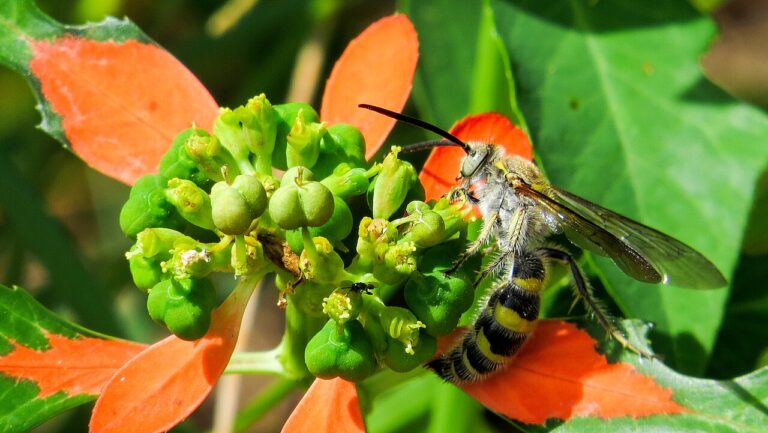
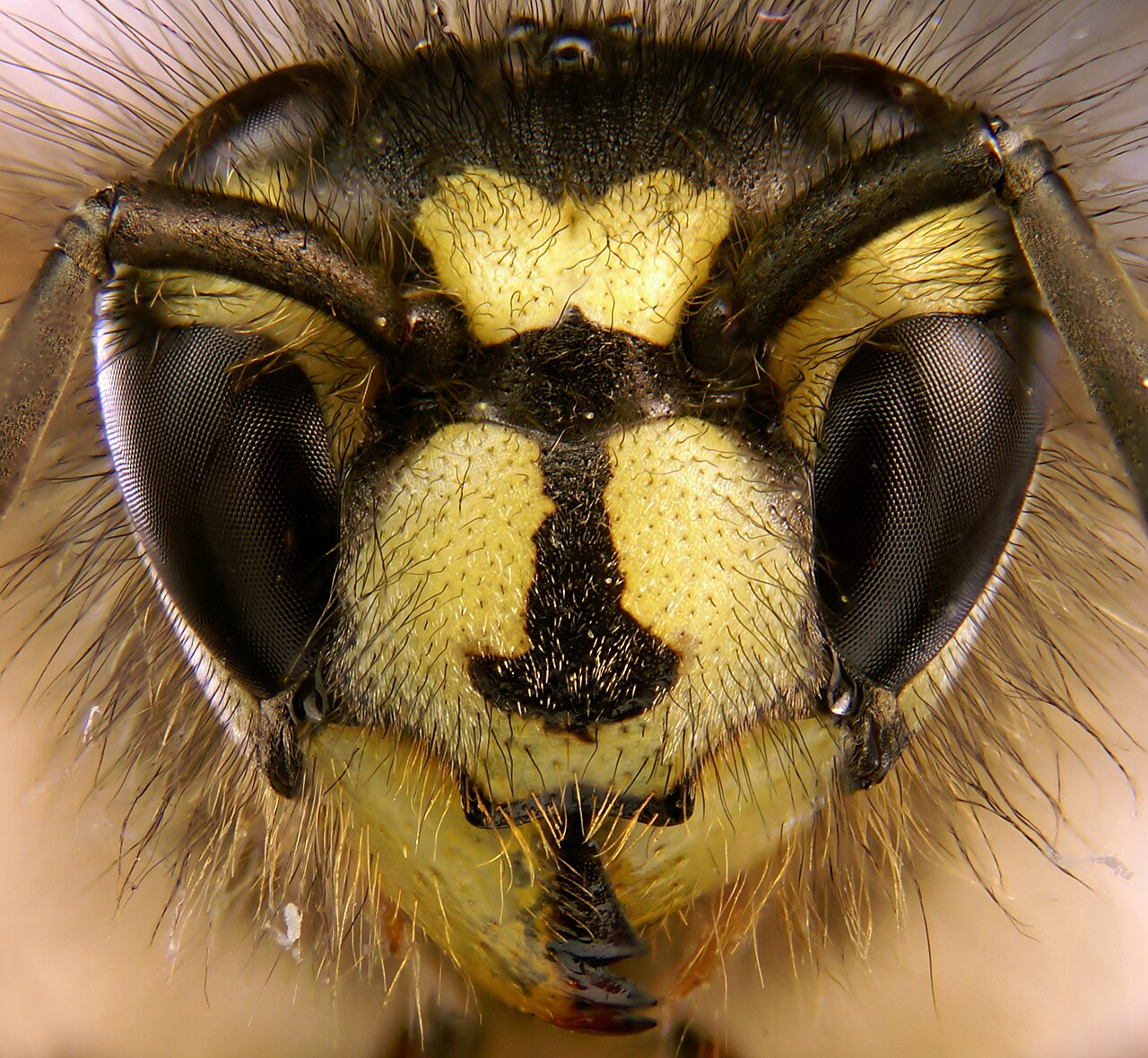
A wasp is both, though far more a good sign than a bad one: in the wasp spiritual meaning shared by many modern writers it stands for protection and drive, and only a sting, a swarm, or a nest in the house turns it into a warning. All of this is belief from folk tradition, dream lore, and spiritual communities, not science.
In the majority of spiritual readings a wasp is a good omen first and a warning only when it stings, swarms, or keeps returning. It stands for protection, productivity, and firm boundaries. The warning version points at anger, a conflict, or a situation you have been avoiding, and it asks you to act.
Is a Wasp a Good or Bad Omen?
A wasp counts as a good omen in the bulk of modern spiritual writing, where it stands for protection, drive, and order. The insect builds, hunts, and defends without hesitation, and spiritual writers turn those habits into a portrait of someone who gets things done and keeps intruders out. Luck in the narrow sense, a lottery win or a lucky day, plays a small part in these readings.

The warning reading applies under specific conditions. A sting, open aggression, a swarm, or a nest inside the home shifts the message from encouragement to caution, and spiritual writers then speak of unchecked anger, a brewing conflict, or a person who takes advantage of your effort.
The same insect gets read both ways because defensive behavior is itself a double image. A creature that guards its nest with a sting shows healthy boundaries from one angle and hostility from another, and which angle fits depends on whether you are the one holding the line or the one being stung. Writers who focus on the colony see cooperation and discipline. Writers who focus on the sting see temper. Both are describing the same yellow and black body, and the wasp joins the crow and the black cat among the animals whose omens cut both ways.
What Does It Mean When a Wasp Appears to You?
A wasp that appears to you carries one of three messages in the common spiritual reading: set a boundary, finish a project you have left half done, or watch your own temper. The first fits a wasp that circles you at a table or follows you across a yard. The second fits a wasp seen while you are putting off work. The third fits a wasp that shows up right after an argument.
Do wasps warn you? In the spiritual reading, yes, and the warning is about overcommitment and about people who profit from your labor without giving anything back. The worker wasp spends its short life feeding a colony, and writers who use it as a warning sign ask whether you are doing the same for a boss or a friend who never returns the favor.
The quickest way to decode a sighting is to ask where your attention was in that moment. Persistence and the defense of territory are the core motif, and the wasp shares it with the badger, another animal famous for holding its ground. A wasp in an unusual place sharpens the question.
| Situation | Common spiritual reading | Question to ask yourself |
|---|---|---|
| Wasp lands on you | Recognition of your effort, or a test of your calm | Did I stay still, or did I lash out? |
| Wasp in the car | A conflict is traveling with you to your destination | What am I carrying from one place to the next? |
| Wasp at the workplace | Competition, or a colleague who takes credit | Whose labor is feeding whose nest? |
| Wasp at a funeral or memorial | Fierce protection from the person being mourned | What did they defend that I now carry? |
| Wasp on your birthday | A year of building and firm boundaries ahead | What do I want finished by next year? |
Why Wasps Are Attracted to You, Spiritually
Wasps are attracted to you, in the spiritual reading, because you are seen as someone who gets things done and protects the people around you. Spiritual writers describe the wasp as recognizing a kindred energy: focused, protective, a little sharp around the edges. If wasps seem to single you out at every picnic, this reading says your drive is visible even to insects.

The second reading is less flattering. Unexpressed irritation, the kind you swallow at work and carry home, is said to draw the wasp in the way a scent does. Under this reading a wasp that will not leave you alone is asking what you have been biting back, and the fix is to say the thing out loud to the right person.
The down-to-earth explanation comes first: sweet drinks, ripe fruit, meat, and perfumed scents draw wasps, so a soda can in your hand does more to attract them than your aura. Bees follow a different attraction and a different symbolism, covered in the bee symbolism guide.
Spiritual Meaning of a Wasp in Your House
A wasp in your house means that a theme has come into the home: a boundary within the family, a tension between people who share the space, or a project at home that has stalled. The insect that belongs outdoors has crossed into your private space, and something that should have stayed at the office or at the neighbor’s fence has followed you inside.
A wasp at the window is its own picture. It beats against the glass, trying to get in or out, and spiritual writers connect this to a decision about an opening in your life: a door you are hesitating to walk through, or one you have been holding open for too long. If you keep hitting the same barrier, the reading suggests that the way out is nearby and somewhere other than where you are striking.
A nest on the house is a stronger sign than a single visitor. The colony builds and defends, and the reading splits accordingly: build up, protect what you have, but check what has been quietly festering under the eaves. A nest that was there for weeks before anyone noticed stands for a problem that grew while everyone looked the other way.
Seeing Wasps Repeatedly or in the Garden
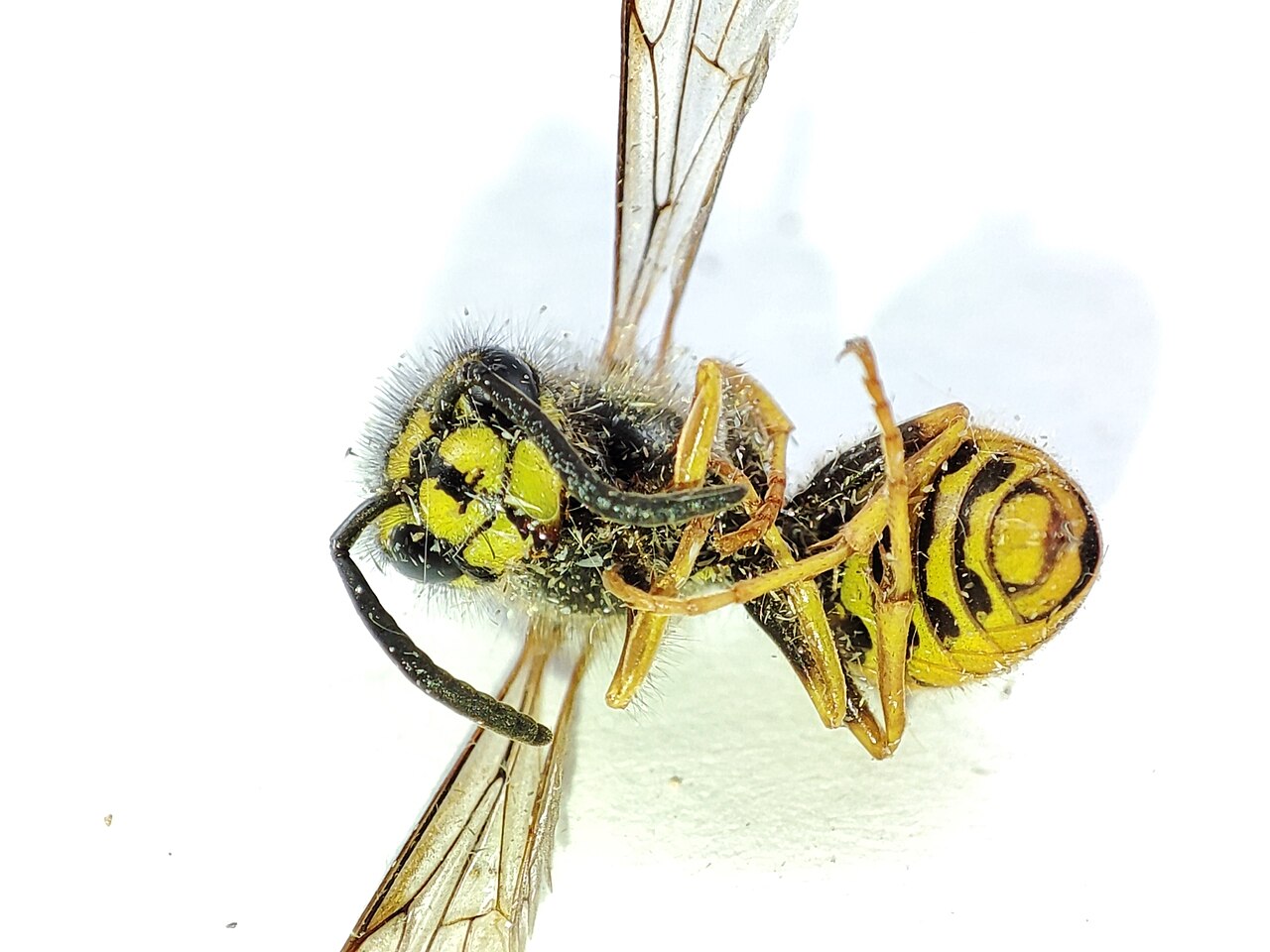
Seeing wasps repeatedly means the message has become urgent, because a theme that has not been dealt with keeps sending the same messenger. One wasp is a nudge. The third wasp in a week, in three different places, is a knock on the door, and writers advise naming the unfinished business out loud rather than waiting for a fourth.
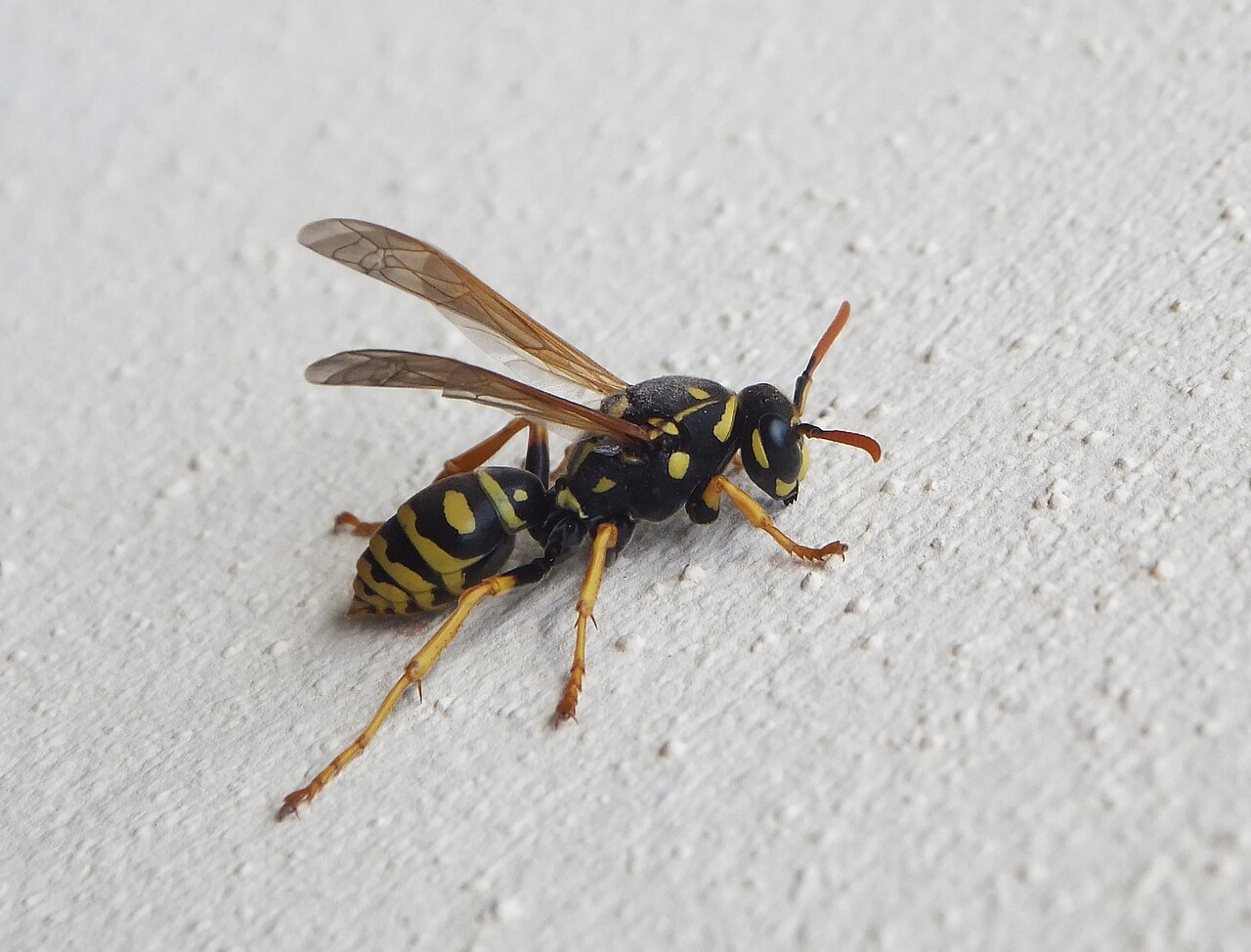
In the garden the wasp turns friendly. It patrols the beds, carries off caterpillars, and belongs to the insects the U.S. Forest Service counts among pollinators, and spiritual writers see it there as a guardian of the harvest and a sign that your work is paying off.
Seeing a Wasp at Night
At night a wasp is unusual, since most wasps rest after dark, and the rarity gives the sighting weight. The European hornet, Vespa crabro, is the known exception and flies toward lit windows. The reading is a hidden conflict or a worry that surfaces only when the day’s noise stops. For a true night animal and its meaning, see the bat.
What Does a Dead Wasp Mean?
A dead wasp means, in the common spiritual reading, that a conflict has ended or a threat has passed. The fighter has laid down its sting, and writers see in the body a sign that the argument or rival you were braced for has lost its force. Finding one after a hard week amounts to permission to exhale.
The second reading is about energy rather than enemies. The wasp stands for protective drive, and a dead one hints that this drive has run out, that you have been defending and producing without rest and need to recharge before the next push.
How the wasp died changes the sign. A dead wasp on the windowsill, found by chance, keeps the softer reading of a conflict that resolved itself. A wasp you killed yourself is a different matter, and spiritual writers connect it to shutting down a message before hearing it, or to winning a fight through force rather than through boundaries. Either way the fitting response is calm: sweep it up, step outside for a moment, and note what has been weighing on you. No ritual is required.
What Do Wasps Mean in Dreams?
Wasps in dreams mean confrontation in one form or another, and dream readers sort the meaning by what the wasp does. Being chased by a wasp is a frequent version and points to a confrontation you are avoiding in waking life: a conversation or a bill. The faster you run in the dream, the more urgent the thing you are running from.
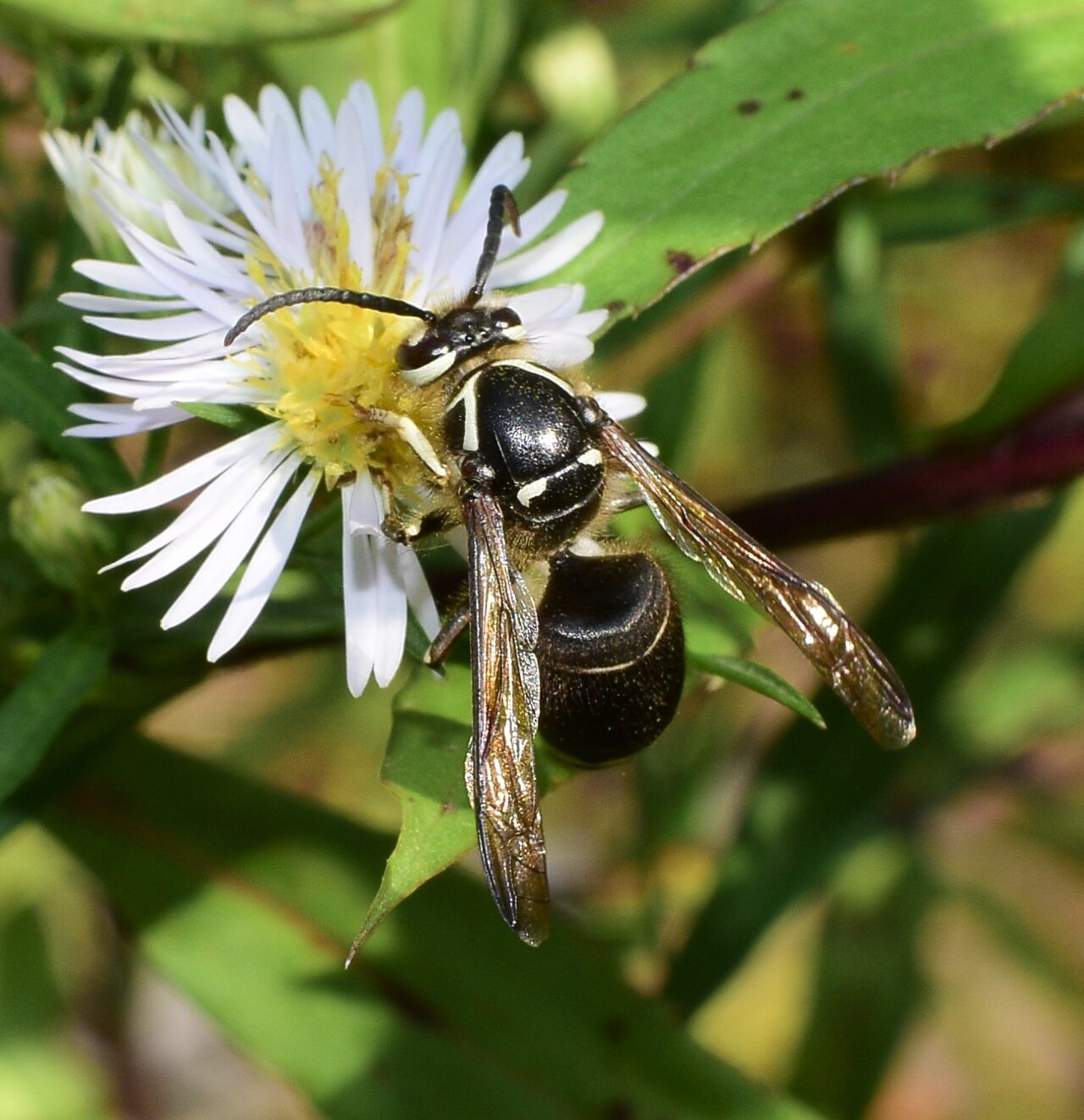
Being stung in a dream has three common readings: a hurtful word from someone close, envy directed at you, or a necessary jolt that wakes you to something you had been ignoring. Where the sting lands matters to some dream readers. A sting on the hand points to work, a sting on the face to reputation, a sting on the chest to the heart.
Killing a wasp in a dream stands for overcoming a rival or your own anger, and whether that is a victory or a loss depends on how the dream felt. Relief suggests a boundary finally held. Guilt suggests a temper that got the better of you. A wasp nest in a dream stands for a group under pressure, and dream readers point to a workplace or a family where the buzz has become too loud. Dreaming of a nest you cannot reach adds a layer: the pressure is real, and it is not yours to fix.
Wasp Spiritual Meaning in the Bible
Wasp spiritual meaning in the Bible rests mostly on the hornet. The King James Version uses “hornet,” a large wasp, in three passages of the Protestant Old Testament, and the Book of Wisdom, part of Catholic and Orthodox Bibles, names wasps outright in Wisdom 12:8, “didst send wasps, forerunners of thine host.” All three hornet passages tie the insect to the same act: God driving Israel’s enemies out of the land.
Exodus 23:28 reads, “And I will send hornets before thee, which shall drive out the Hivite, the Canaanite, and the Hittite, from before thee.” Deuteronomy 7:20 sends the hornet “among them,” the survivors who hide from Israel, and Joshua 24:12 looks back on it as something already done: “And I sent the hornet before you, which drave them out from before you.” In each case the hornet is an instrument, not an enemy.
The Christian reading derived from this is interpretation, and a positive one: the wasp or hornet as a tool of divine protection, something sent ahead to clear a path you could not clear alone. Some Christian writers extend it to personal life, where a wasp sighting becomes a reminder that obstacles can be removed before you reach them. Others treat the hornet as a picture of fear that unsettles an opponent, since Joshua 24:12 says the enemies were driven out “not with thy sword, nor with thy bow.” Neither reading makes the wasp a curse in biblical terms.
Spiritual Meaning of a Wasp Sting
A wasp sting, in spiritual readings, is a wake-up call: a sharp, unmistakable signal that something you have been tolerating has crossed a line. The pain arrives without warning and demands attention, and writers connect it to a truth you already knew and kept postponing.
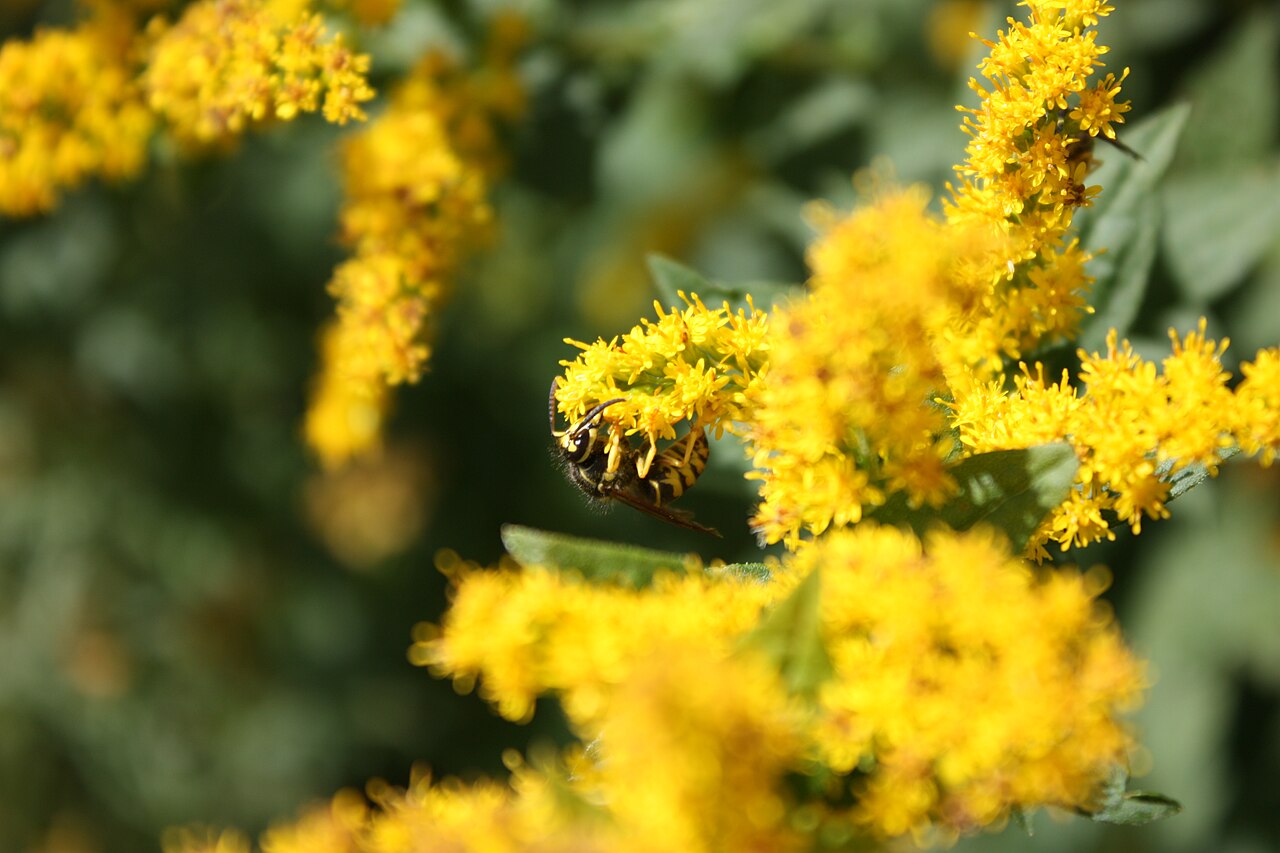
The second reading narrows the message to one person. A sting after a tense exchange stands for a specific relationship in which someone has been draining or provoking you, and the advice that follows is to name that person to yourself and decide what to do about them.
The third reading looks at your own boundaries. A sting marks the spot where a limit was crossed, either by someone else or by you overreaching into territory that was not yours. Where the sting lands, in the garden, at the door, or in the middle of an argument, tells you which boundary the reading is about.
Wasp Spirit Animal
The wasp spirit animal belongs to people who get things done, keep their lives structured, and defend their ground without apology. Spiritual writers describe them as the colleague who finishes the project while others are still planning it, and the friend who tells you the truth even when it stings.
Wasp Totem and Power Animal
As a totem, the trait is lifelong rather than situational. The nest is the central image: wasps build it from wood fiber chewed into a paper pulp, and the totem reading turns that into a self-built life, a career or a home constructed cell by cell from raw material no one else wanted. People with a wasp totem are said to take pride in what they made themselves and to bristle when someone treats it carelessly.
As a power animal, the wasp is invoked for discipline and clear refusals. Someone who struggles to say no calls on wasp energy to say it once and mean it. The shadow side is real: irritability, a need to control, and stinging remarks that land harder than intended. The bear is the other great protector animal, but defends with quiet strength.
Yellow Wasp Spiritual Meaning
A yellow wasp means energy, confidence, and a warning in the sense of “pay attention” rather than “danger.” Yellow is the color of the sun and of caution signs, and spiritual writers combine the two: a burst of vitality that asks to be aimed somewhere useful. A yellow wasp seen before a presentation or a difficult call becomes encouragement to show up bright and alert.
Black Wasp Spiritual Meaning
Black wasps carry a heavier reading: protection in hard times, and the work of moving through grief or facing a shadow side you would rather not look at. Black wasps are connected in spiritual writing to endurance, the kind that keeps building even when the light is gone. A sighting during mourning signals that the protective instinct is still intact.
Red Wasp Spiritual Meaning
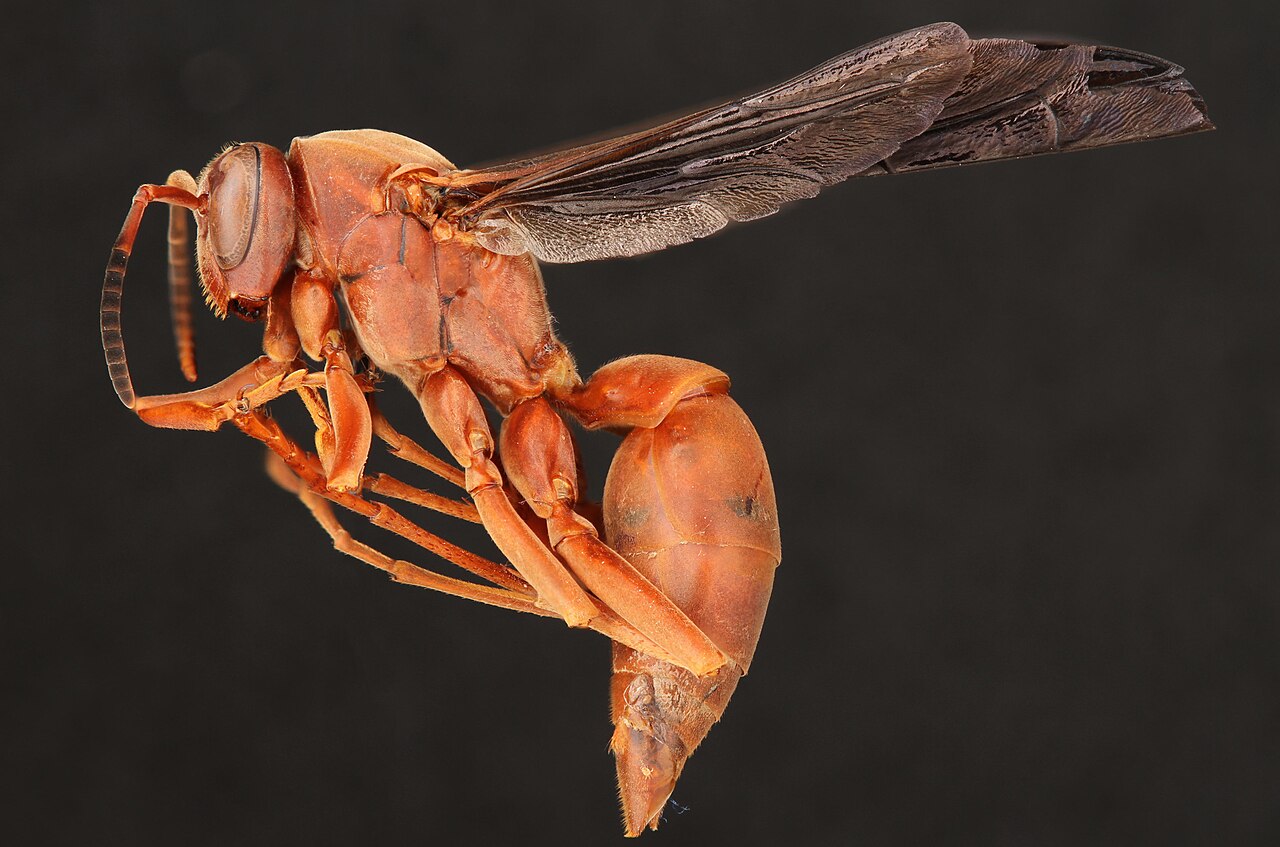
Red is heat, and a red wasp stands for passion, anger, and a strong push to act. The red wasp reading asks whether that heat is fueling you or burning you. The color in all three cases carries a symbolic meaning only. A wasp’s actual species cannot be identified by color alone, since yellow, black, and red markings appear across many unrelated wasps, and the spiritual color readings make no claim to be entomology.
Wasp Meaning in Love and Twin Flame Readings
In love, a wasp means protect the relationship and set boundaries around it, or, when it stings, watch for jealousy. Spiritual communities turn a wasp seen with a partner into a prompt to guard what the two of you have built against outside interference. A wasp that stings one of you warns that jealousy or a sharp tongue is doing damage inside the pair.
In twin flame readings, the wasp is a symbol of the turbulent trigger phase, the stretch where two people provoke each other’s unhealed places and growth comes through friction. The sting is the trigger, and the nest is what the pair builds once the stinging stops. A wasp that appears during a relationship decision carries the plainest message of all in these communities: act instead of wait. These readings circulate in spiritual forums rather than in any established tradition.
Frequently Asked Questions
Is a wasp sting considered good luck?
No. In the majority of readings a wasp sting is a jolt awake or a warning about one particular person who has been draining or provoking you, and luck does not enter into it. The nearest thing to a lucky sting in these readings is one that comes during a decision and is taken as the push to make it.
Why should wasps not be killed?
Rarely necessary: wasps hunt garden pests such as caterpillars and aphids to feed their larvae and help pollinate some plants, so a wasp near your tomatoes is doing unpaid work. Spiritually, killing one counts as rejecting the message it carries, and writers advise moving it along instead of swatting it.
Will a wasp chase you if you run?
Usually not. A wasp away from its nest has little reason to pursue you, since wasps defend mainly the area around the nest. Running and flailing can trigger a defensive response. Walk away calmly and steadily. Sprinting makes sense only if you have disturbed a nest and the colony is already on you.
What do wasps absolutely hate?
Peppermint is the answer named again and again, and some people hang mint sachets or spray diluted peppermint oil near doors, though essential oils are best kept away from cats. In practice covered drinks, sealed trash, and food kept under lids keep wasps away more reliably than any smell, because the attraction is sugar and protein.
What hurts worse, a bee or wasp sting?
Neither wins outright. Pain is felt differently from person to person, but on entomologist Justin Schmidt’s sting pain index a honeybee and a yellowjacket both rate 2 out of 4, while a paper wasp rates 3. The practical difference is that a wasp can sting more than once, while a honeybee stings only once and leaves its barbed stinger behind.
Do wasps and bees mean the same thing spiritually?
No. Spiritual writers give the bee community, sweetness, and patient work, while the wasp gets defense, boundaries, and quick action. A bee sighting during a tense situation becomes a prompt to cooperate, a wasp sighting a prompt to draw a line, and a hive stands for the household where a wasp nest stands for the self-built life.
Sources
- Bible Gateway, Exodus 23:28 (King James Version)
- Bible Gateway, Deuteronomy 7:20 (King James Version)
- Bible Gateway, Joshua 24:12 (King James Version)
- U.S. Forest Service, Wasp Pollination
- NC State Extension, European Hornet
Explore more: Insect Spiritual Meanings: 15 Bugs and What They Signal