Chipmunk Spiritual Meaning: Symbolism and Signs
A chipmunk spiritually stands for preparation, steady work and play, and those three traits carry the whole chipmunk spiritual meaning. The animal fills its cheeks, hides seeds in a burrow and still finds time to chase and chatter in the open.
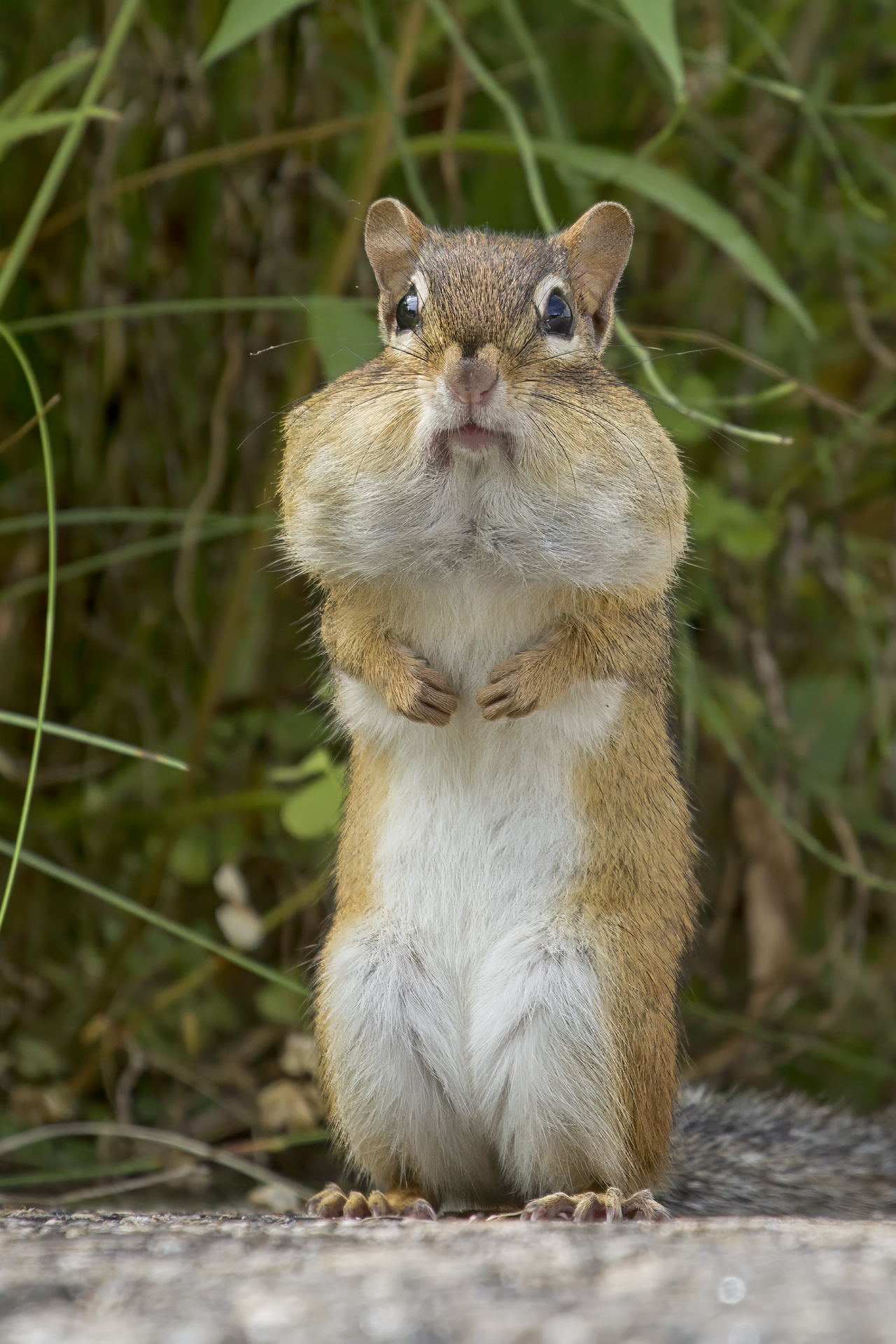
The animal behind the symbol is the eastern chipmunk (Tamias striatus), a striped ground rodent of eastern North America. Its habits carry the meaning more than any legend does.
Symbolically, the chipmunk is a call to prepare for a lean season without losing your lightness. Its cheek pouches and hidden food store point to small efforts repeated every day, and its quick play points to joy inside hard work. A sighting asks you to check your reserves and your mood.
What a Chipmunk Represents Spiritually
A chipmunk represents foresight. It packs seeds and nuts into its cheek pouches and carries them to a burrow store, one trip after another, long before winter. The lesson is small effort, repeated. A chipmunk near your door points to a reserve you need to build now, while the season is easy.
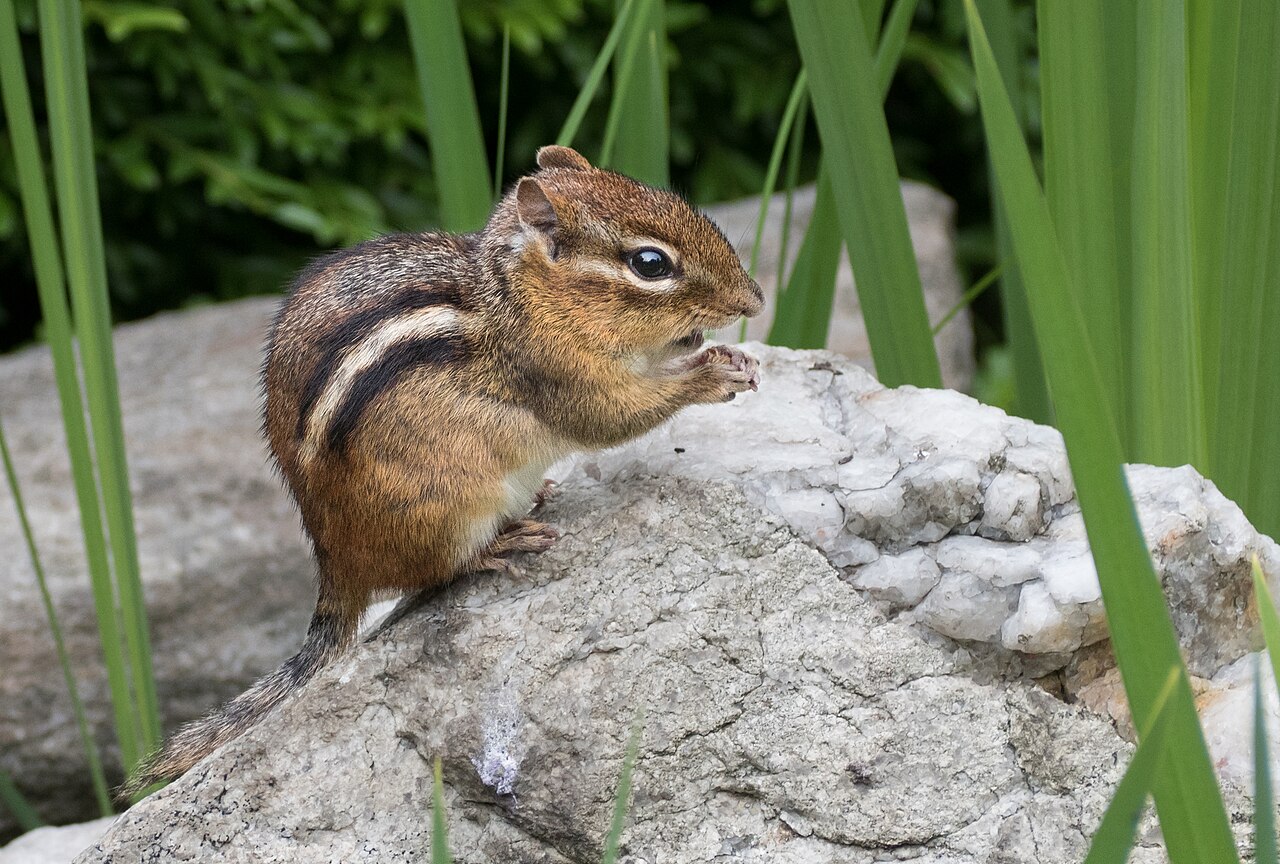
The stripes add a second layer. They break up the animal’s outline against leaf litter, so a chipmunk hides in plain sight. That points to privacy and to keeping plans close until they are ready. The hidden burrow entrance carries the same idea.
Play is the third trait. Chipmunks chase, chip and dart between cover, and the busy season never looks joyless. A baby chipmunk wears the same stripes when it first leaves the burrow, so the young animal stands for a fresh start with the tools already in place.
Chipmunk, Squirrel and Groundhog: How They Differ
You tell them apart by the face, the home and the size. All three belong to the squirrel family, Sciuridae. A chipmunk has stripes that run across its face and lives in a burrow. A thirteen-lined ground squirrel (Ictidomys tridecemlineatus) has body stripes that stop before the face, and a groundhog (Marmota monax) is a heavy, plain brown marmot. Chipmunk hibernation differs from the groundhog’s long sleep, because a chipmunk wakes in winter to eat from its store.
A squirrel stands for resourcefulness and quick decisions in the trees. The eastern gray squirrel (Sciurus carolinensis) buries nuts in scattered spots, while the chipmunk keeps one guarded pantry. Black squirrel symbolism adds the weight of a rare coat color to that same theme.
Mouse symbolism and spiritual meaning shares the idea of small size and quiet survival. A mouse moves mostly at night, though, and lacks the chipmunk’s open daytime play.
| Trait | Chipmunk | Tree squirrel | Ground squirrel | Groundhog |
|---|---|---|---|---|
| Face stripes | Yes | No | No, body stripes only | No |
| Home | Burrow | Tree nest or cavity | Burrow | Deep burrow |
| Food storage | One burrow pantry | Scattered buried nuts | Body fat | Body fat |
| Winter | Torpor with waking meals | Active | Hibernation | Hibernation |
| Core symbol | Preparation and play | Resourcefulness | Watchfulness | Seasons and timing |
Chipmunk in Named Traditions and the Bible
No verse gives a chipmunk a meaning, because the Bible was written far from its range, so the chipmunk’s meaning comes from its habits. Chipmunks live in North America, with one species in northern Asia, so the biblical writers never met one. The nearest small rodent in the text is the mouse, listed among unclean creatures in Leviticus 11:29.
Sacred animals belong to individual nations, not to one shared list. In Lakota tradition the buffalo is sacred, and the Haudenosaunee name their clans for animals such as the Turtle, Wolf and Bear. Each nation’s own teachers speak for these animals.
No animal holds the title of strongest spiritual animal. Strength depends on what you need, and the chipmunk’s strength is stamina in small doses. Beaver symbolism as another rodent makes a useful contrast, since the beaver stands for building where the chipmunk stands for storing.
Frequently Asked Questions
Is it good to have chipmunks around your house?
Yes, with limits. Chipmunks eat seeds and insects and turn over garden soil, but they can dig tunnels under walkways, patios and foundations. Keep bird seed off the ground and move woodpiles away from the walls if their digging starts close to the house.
What attracts chipmunks to your house?
Food and cover attract chipmunks. Spilled bird seed and nuts give them an easy meal, while stone walls, woodpiles and dense shrubs give them shelter right beside it. Clearing the spilled seed and the cover near the foundation makes a yard far less appealing to them.
What month do chipmunks come out?
Chipmunks come out between late February and April, depending on latitude. Animals in the southern states surface first, while those in the northern states and Canada stay in torpor longer. A warm winter day can bring one above ground for a short trip before it returns to its store.
Sources