Button Quail: Care, Size, Eggs, and Colors
The button quail is a tiny, ground-dwelling quail, usually meaning the king quail or Chinese painted quail, that has become a popular aviary and backyard bird thanks to its small size, quiet nature, and charming looks. Standing only about four to five inches tall, button quail are among the smallest poultry-type birds kept by hobbyists, and they spend almost all their time scurrying along the floor rather than flying or perching. They are prized as gentle, low-noise birds that even suit indoor aviaries.
This guide covers what a button quail is, how big they get, how to keep and house them, what they eat, whether they lay eggs, their color varieties, how to tell males from females, and how long they live. It is everything a beginner needs before bringing these little birds home.
| Feature | Detail |
|---|---|
| Common name | Button quail, king quail, Chinese painted quail |
| Size | About 4 to 5 in tall |
| Weight | Around 1.5 to 2 oz |
| Lifespan | About 3 to 5 years |
| Eggs | Tiny, speckled, many per week in season |
| Temperament | Quiet, shy, ground-dwelling |
| Best for | Aviaries and calm indoor setups |
What Is a Button Quail?
The name button quail is used in the pet world for the king quail, also called the Chinese painted quail, a very small Old World quail kept widely by aviculturists. It is a compact, round-bodied ground bird native to Asia and Australia, and generations of captive breeding have produced a hardy, colorful little bird well suited to life in aviaries and pens.
These birds are true quail and behave much like their larger relatives, foraging on the ground, dust-bathing, and staying close to cover. What sets them apart is their tiny size and their calm, quiet manner, which makes them far more apartment- and aviary-friendly than noisier poultry. They are often kept on the floor of larger aviaries alongside finches and other small birds.
It is worth noting that the name button quail is also used for a separate group of unrelated wild birds, the true buttonquails, but those are not the birds hobbyists keep. When someone talks about keeping button quail as pets, they nearly always mean the king quail, and that is the bird this guide describes.
How Big Do Button Quail Get?
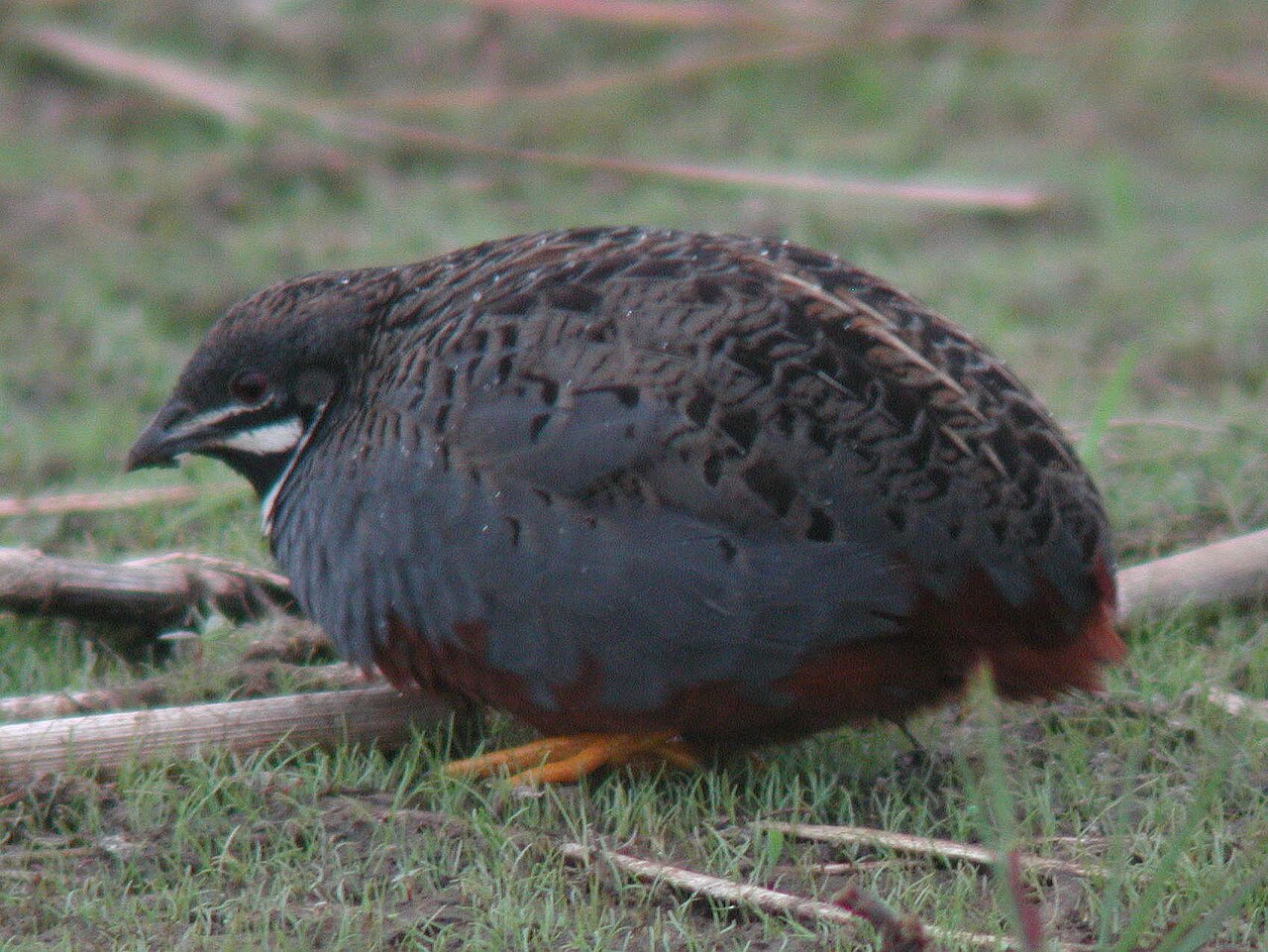
Button quail are remarkably small, which is a big part of their appeal. A full-grown adult stands only about four to five inches tall and weighs just an ounce and a half to two ounces, making it one of the smallest quail kept in captivity and dramatically tinier than a chicken or even a standard coturnix quail.
Their small size shapes everything about their care. They need less space than larger poultry, they produce very little mess, and a modest enclosure can comfortably house a pair or small group. That compactness is why button quail work in settings where full-sized poultry never could, including planted indoor aviaries.
Despite being so small, button quail are sturdy, active little birds that spend their days busily foraging across the floor. Their diminutive size does mean they are vulnerable to cold, drafts, and larger cage mates, so their housing has to account for how tiny and ground-bound they are.
Keeping Button Quail as Pets
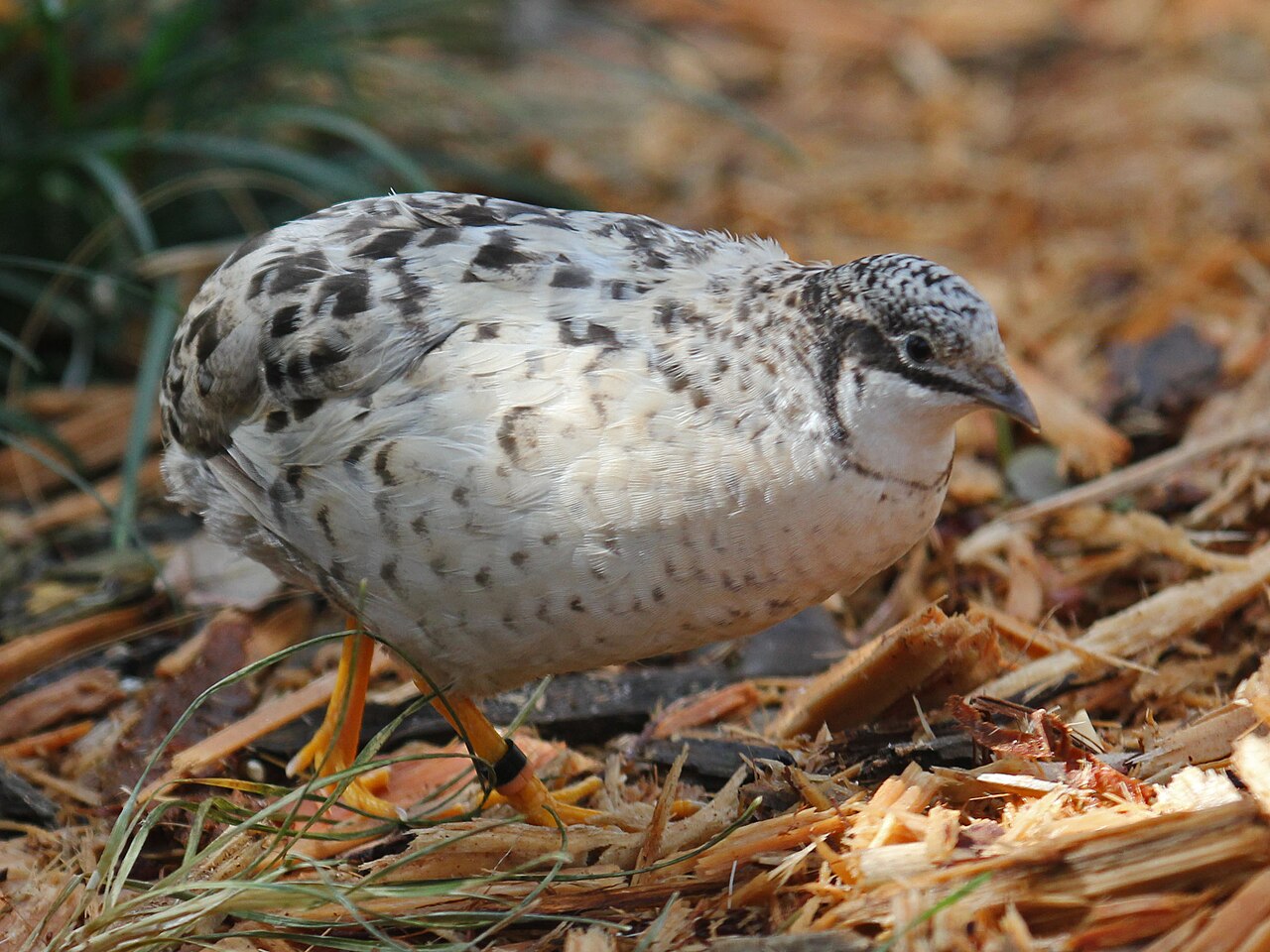
Button quail have earned a devoted following as pets because they are quiet, undemanding, and endlessly entertaining to watch as they bustle around the floor. Unlike parrots or chickens, they make only soft calls, so they suit homes and neighborhoods where noise is a concern, and they do not need handling to be content.
They are best thought of as birds to observe rather than to cuddle, since they are naturally shy and can be flighty, especially if startled. Many keepers house them on the floor of a larger aviary as a peaceful ground-dwelling addition, where they coexist calmly with finches and softbills without competing for perches.
For beginners, button quail are a gentle introduction to keeping quail, needing less space and causing less disturbance than larger fowl. They reward a quiet, patient owner with lively behavior, and they fit naturally alongside an interest in other small birds and backyard quail species, offering a pet-scale version of the same fascination.
Button Quail Housing and Care
Because button quail live entirely on the ground, their enclosure should prioritize floor space over height, and a low, wide setup is far better than a tall cage. A soft substrate, gentle lighting, and plenty of low cover such as plants, grass tufts, or small hides help these shy birds feel secure and reduce panic.
One important quirk is that startled button quail flush straight upward in a burst, and in a tall wire cage they can injure their heads on the top. Keepers often line the ceiling with soft material or keep cages low to prevent this. Draft-free warmth matters too, since such tiny birds lose heat quickly and dislike cold, damp conditions.
Provide shallow water that they cannot drown in, a dish for dust bathing, and a calm location away from heavy foot traffic and predators. Kept warm, secure, and gently, button quail are hardy and easy to maintain, which is a large part of why they have become such a popular starter aviary bird.
What Do Button Quail Eat?
Button quail are seed and insect eaters, and in captivity they do best on a quality game bird or quail starter and maintenance feed as the base of their diet, the same approach university extension poultry guides recommend for small quail. This provides the protein and nutrients tiny quail need, and because they are so small, even a small bag of feed lasts a long time.
Alongside their base feed, button quail enjoy small seeds, chopped greens, and live foods such as small insects and mealworms, which add protein and variety and satisfy their natural foraging instinct. Scattering food encourages the busy ground-scratching behavior that makes them so fun to watch, similar to how wild birds hunt natural foods.
Grit should be available to help them digest seeds, and a source of calcium supports laying females. Clean water is essential, offered in a shallow dish or a poultry drinker sized so a tiny quail cannot fall in. A simple, consistent diet of good feed plus greens and occasional insects keeps button quail thriving.
Do Button Quail Lay Eggs?
Yes, button quail lay eggs, and productive hens can lay very frequently during the warmer months, often producing an egg most days when conditions and daylight are right. The eggs are tiny, delicately speckled, and considered a novelty, sometimes eaten like miniature quail eggs though it takes many to equal one chicken egg.
Laying is driven by daylight, diet, and the bird’s condition, so hens lay heavily in spring and summer and slow down in the short days of winter unless supplemental light is provided. A well-fed hen with adequate calcium will lay reliably, and button quail can become prolific little egg producers for their size.
Button quail hens, like some other captive quail, often do not reliably incubate their own eggs, so keepers who want chicks usually hatch the eggs in a small incubator, much as with larger fowl and other poultry. For most owners, though, the tiny speckled eggs are simply a charming bonus of keeping these little birds rather than a food crop.
Button Quail Colors and Male vs Female
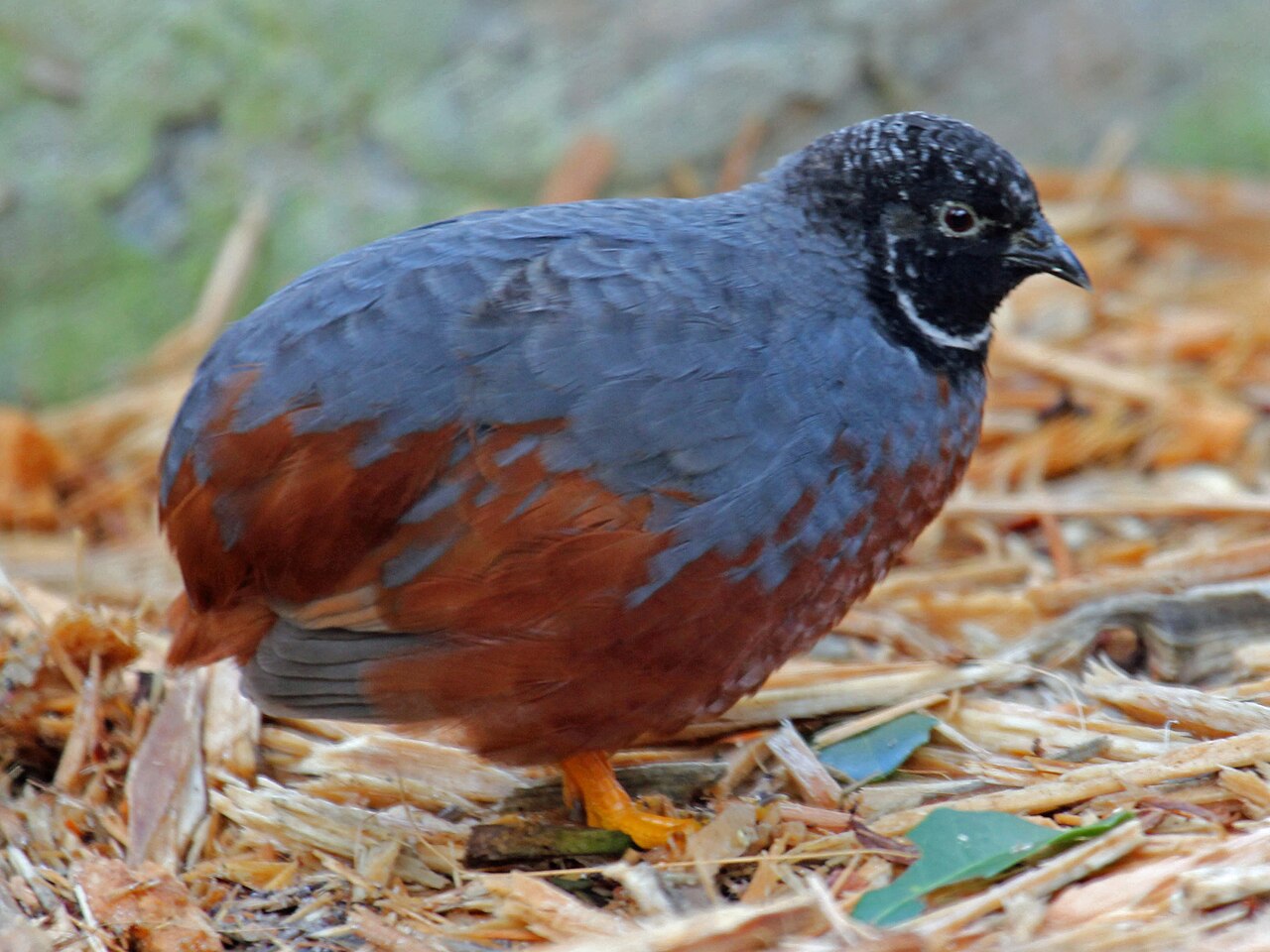
Selective breeding has produced button quail in a wide range of colors, well beyond the wild type. Common varieties include silver, white, cinnamon, red-breasted, blueface, and many combinations, which is a big part of their appeal to hobbyists who enjoy the range of patterns available in such a small bird.
Telling males from females is usually straightforward in the wild-type coloring. Males are more brightly marked, often showing a rich rusty or chestnut breast and a bold black and white bib or throat pattern, while females are plainer and more uniformly brown with subtle speckling. In some fancy color varieties these differences are muted, making sexing harder.
Behavior offers extra clues, as males may give soft crowing calls and display to females. Knowing the sexes matters for housing, since keeping too many males together leads to fighting, and a calm setup usually pairs one male with one or more females. Their variety of colors and clear differences, alongside their watchable behavior, are part of what makes button quail so rewarding to keep.
How Long Do Button Quail Live?
With good care, button quail typically live around three to five years, a respectable lifespan for such a tiny bird. Providing a warm, secure, draft-free home, a proper diet, and freedom from stress and predators gives them the best chance of reaching the upper end of that range.
Their small size makes them somewhat fragile, and common causes of early death include chilling, injury from flushing into cage tops, and stress from overcrowding or disturbance. A calm, thoughtfully designed enclosure prevents most of these problems and keeps button quail healthy year after year.
For their size, button quail offer a lot of personality and activity over those years, foraging, dust bathing, and interacting in ways that make them a favorite of aviary keepers. Treated well, a little group of button quail becomes a lively, long-lived ground-level community that pairs beautifully with an interest in other small birds and the broader world of poultry and fowl.
Related reading: can chickens eat grapes.
Related reading: Polish Chicken.
Related reading: Brahma Chicken.
Related reading: Guinea Fowl.
Related reading: Guinea Fowl Sounds.
Frequently Asked Questions
What is a button quail?
A button quail is a tiny ground-dwelling quail, usually the king quail or Chinese painted quail, kept as a popular aviary and pet bird. Standing only four to five inches tall, it is one of the smallest poultry-type birds hobbyists keep and is prized for being quiet and gentle.
How big do button quail get?
Button quail are very small, standing about four to five inches tall and weighing just an ounce and a half to two ounces. They are dramatically smaller than chickens or standard coturnix quail, which is a big part of their appeal for compact setups.
Do button quail lay eggs?
Yes. Productive button quail hens lay frequently in the warmer months, often an egg most days, though the eggs are tiny and delicately speckled. Laying slows in winter without added light, and many hens do not reliably incubate their own eggs.
What do button quail eat?
Button quail eat a quality game bird or quail feed as their base diet, plus small seeds, chopped greens, and live foods like small insects and mealworms. They also need grit to digest seeds, calcium for laying hens, and clean shallow water.
Are button quail good pets for beginners?
Yes. Button quail are quiet, low-maintenance, and need less space than larger poultry, making them a gentle introduction to keeping quail. They are best enjoyed as birds to watch rather than handle, since they are naturally shy and a bit flighty.
How can you tell a male from a female button quail?
In wild-type coloring, males are brighter with a rusty breast and a bold black and white throat pattern, while females are plainer brown with speckling. Males may also give soft crowing calls. In some fancy color varieties the differences are harder to see.
How long do button quail live?
With good care, button quail usually live about three to five years. A warm, secure, draft-free enclosure, a proper diet, and low stress help them reach the upper end, while chilling, injury, and overcrowding are common causes of early death.