Oranda Goldfish: Wen Health & Complete Care Guide
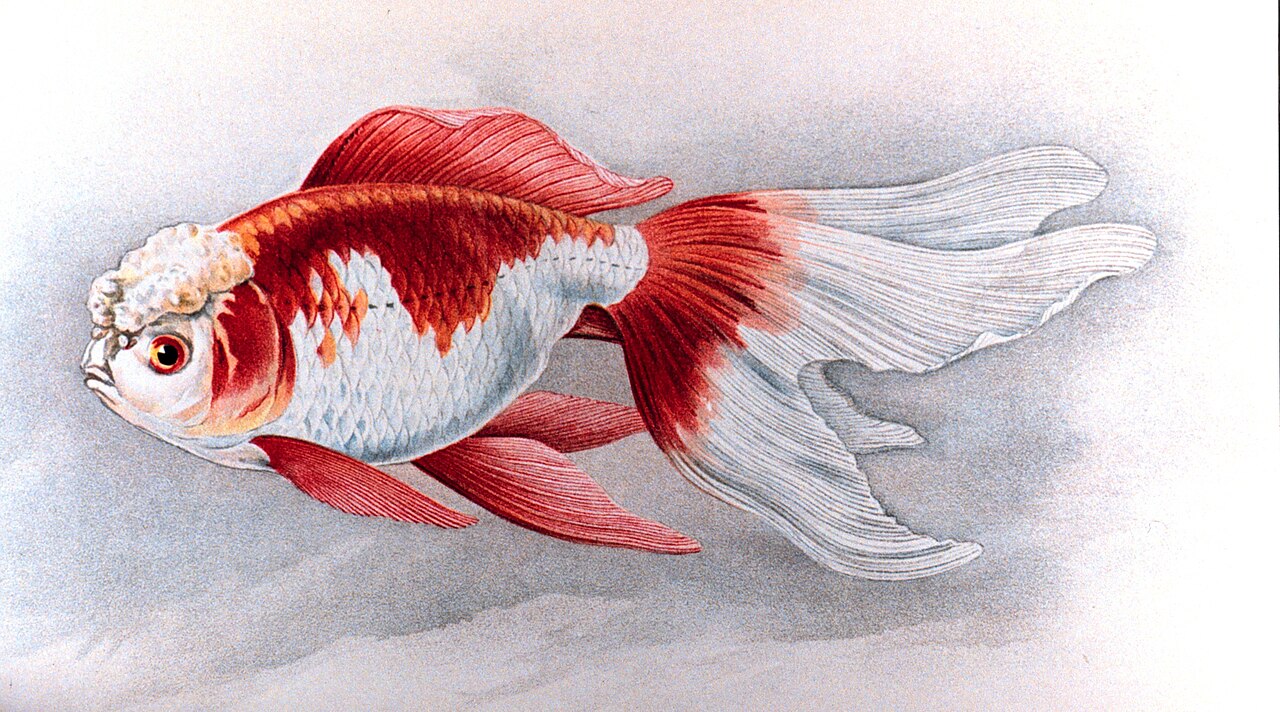
The oranda goldfish is one of the most recognizable fancy goldfish varieties, instantly identified by its raspberry-like fleshy head growth called a wen, which continues developing throughout the fish’s life and eventually becomes its defining feature. This guide covers what makes the wen both beautiful and a genuine health consideration, correct tank sizing (bigger than most beginners expect), diet, and the care details most basic guides skip entirely.
| Requirement | Detail |
|---|---|
| Minimum tank size | 20-30 gallons for one fish, +10 gal per additional |
| Adult size | 8 to 12 inches |
| Lifespan | 10-15 years typical; up to 20 with excellent care |
| Water temperature | 65 to 72°F |
| Water changes | 25-30% weekly, non-negotiable |
What Is the Wen and Why Does It Matter So Much?
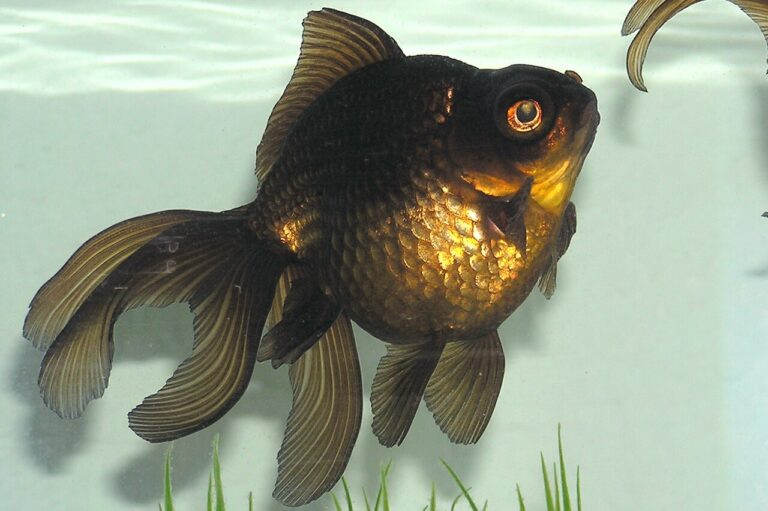
The wen is the fleshy, raspberry-textured growth that develops over an oranda’s head, and it is genuinely the single most important thing to understand before keeping this variety, more important than tank size or diet according to experienced keepers. The wen begins developing around three months of age and continues growing throughout the fish’s entire life, with most reaching their fullest development by around age two, though growth never fully stops. In some individuals, the wen grows large enough to partially obstruct the fish’s own vision, which can affect feeding behavior and general awareness of its surroundings, a genuine welfare consideration rather than a purely cosmetic quirk.
Wen Health: The Most Overlooked Care Issue
Because the wen is fleshy, textured tissue, it readily traps food debris and bacteria in its folds, making orandas significantly more prone to bacterial infections than smoother-headed goldfish varieties. A healthy wen should look plump and evenly textured; a wen that appears red, fuzzy, or visibly swollen is a clear sign of infection that typically responds well to aquarium salt treatment or targeted antibiotics if caught early, but can worsen quickly if ignored. Weekly wen inspection alongside routine water changes is genuinely one of the most important habits an oranda keeper can maintain, since water quality issues show up on the wen faster and more visibly than on the rest of the fish’s body.
Oranda Goldfish Tank Size Requirements
Most basic care guides understate tank size, and 20 gallons, often cited as a bare minimum, is genuinely better understood as a survival floor rather than a thriving standard. A single oranda does considerably better in 30 gallons or more, since these fish grow to 8 to 12 inches, produce substantial bioload, and need real swimming space despite not being fast swimmers. Add roughly 10 additional gallons of capacity for each additional oranda kept in the same tank, and prioritize an elongated tank shape over a tall one, since surface area for gas exchange matters more for supporting a heavy bioload than water depth does, a principle worth keeping in mind for any spacious community tank setup.
Oranda Water Quality and Filtration Needs
Beyond routine water changes, orandas benefit from a filtration system genuinely oversized relative to what the tank’s gallon rating alone might suggest, since these fish produce a disproportionate amount of waste for their size. A filter rated for significantly more than the tank’s actual volume, combined with biological media like ceramic rings or K1 media to support beneficial bacteria colonies, helps maintain the stable water conditions this variety needs. Ammonia and nitrite should read at zero at all times in an established tank, and even brief spikes can visibly stress a fish already managing the added infection risk that comes with a developed wen.
What Do Oranda Goldfish Eat?
Orandas are omnivores and do best on a varied diet built around high-quality sinking pellets or flakes formulated for fancy goldfish, supplemented with protein sources like bloodworms, brine shrimp, or daphnia, and occasional blanched vegetables such as spinach, peas, or lettuce for fiber and color enhancement. Feed small portions, roughly what the fish can consume within two to three minutes, once or twice daily rather than one large feeding, since orandas are prone to swim bladder problems and overfeeding significantly raises that risk. Soaking dry pellets briefly before feeding reduces the amount of air the fish takes in while eating, which is another meaningful, if often overlooked, way to reduce swim bladder issues in this body-shape-prone variety.
Oranda Goldfish vs Other Fancy Goldfish Varieties
Orandas are frequently compared with lionheads and ranchus, both of which also develop a wen but differ in fin structure: lionheads lack a dorsal fin entirely, and ranchus have a distinctively curved back profile, while orandas retain a standard dorsal fin and a more traditional body shape beneath the wen. This makes the oranda a reasonable middle ground for someone drawn to the dramatic wen look but wanting a body shape closer to more traditional fancy goldfish varieties like the betta keeper’s typical first fish, even though the two species have almost nothing else in common in terms of care.
Oranda Goldfish Tank Mates
Orandas are peaceful, social fish that do best paired with other slow-moving fancy goldfish varieties like ryukins, fantails, or lionheads, since their rounded body shape and impaired vision from a developed wen leave them genuinely unable to compete for food against faster, leaner fish. Avoid fin-nipping species entirely, since an oranda’s flowing fins are an easy target, and skip freshwater snails specifically, since orandas will readily eat them as a snack rather than coexisting peacefully. Keeping orandas in a group of their own kind, ideally at least a small handful, rather than as a lone specimen in a mixed community tank tends to produce the calmest, most naturally behaving fish.
Oranda Goldfish Origins
Orandas are a product of centuries of selective breeding by Chinese and Japanese aquarists, developed from wild carp (Carassius auratus) ancestors like every other goldfish variety, though the exact origins and timeline of the specific wen mutation remain somewhat uncertain. Because orandas have no wild population, the IUCN does not list or assess the variety at all, and every care recommendation for the species is based entirely on accumulated aquarist experience and general goldfish biology rather than any direct wild-population reference point, unlike species with clear natural habitat data to draw from.
How Big Do Oranda Goldfish Get?
Adult orandas typically reach 8 to 9 inches in length, with a meaningful share of that length attributable to the tail fin, which can account for up to two-thirds of the fish’s total length in some individuals. Exceptional specimens grow considerably larger under ideal, spacious conditions: the record-holding oranda, a fish named Bruce kept in Hong Kong, reportedly reached an extraordinary 14 to 15 inches. This substantial adult size is precisely why the small 2-inch juvenile commonly sold in stores is misleading as a sizing reference, since that same fish will need a considerably larger home within just a few years of normal growth.
How Long Do Oranda Goldfish Live?
With consistent, quality care, orandas typically live 10 to 15 years, and some individuals, particularly those kept in spacious ponds with stable conditions, have been documented living up to 20 years. Lifespan correlates directly and dramatically with care quality: fish kept in cramped tanks with poor water conditions predictably experience more disease and considerably shortened lifespans, while those given adequate space, clean water, and a varied diet consistently outlive the low end of that range. This direct link between environment and longevity is one of the clearer, more measurable ways an oranda’s care quality shows up over its lifetime rather than only in the short term.
Common Oranda Health Problems
Beyond wen infections, orandas are notably prone to swim bladder disorder due to their rounded body shape, which can cause a fish to float sideways or struggle to maintain normal buoyancy; most mild cases resolve with two to three days of fasting and adjusted feeding habits rather than requiring medical intervention. Ich, recognizable as small white spots across the body, is another common issue typically addressed by gradually raising tank temperature alongside a standard aquarium treatment. Because orandas produce substantial waste and are more infection-prone than sleeker goldfish varieties, consistent filtration and the standard weekly 25 to 30 percent water change are less optional here than with many other freshwater fish, functioning as baseline preventive care rather than an occasional nicety, a maintenance discipline similar to what a other aquarium fish needs, just scaled up considerably for a much larger, messier fish. University aquaculture extension guidance on ornamental fish consistently emphasizes this same water-quality-first principle across virtually every commonly kept freshwater species, goldfish included. Freshwater and marine species diverge sharply in how they feed, as our guide to the sunfish shows for two unrelated fish sharing one name.
Related reading: Betta Fish Care.
Related reading: Shubunkin Goldfish.
Related reading: Baby Goldfish.
Related reading: Goldfish Food.
Related reading: Black Moor Goldfish.
Related reading: Goldfish Colors.
Related reading: Bubble Eye Goldfish Care.
Related reading: Ryukin Goldfish.
Related reading: Telescope Goldfish Care.
Frequently Asked Questions
What is the wen on an oranda goldfish?
The wen is the fleshy, raspberry-textured growth on an oranda’s head that develops from about three months of age and continues growing throughout its life. It is both the breed’s defining feature and its main health vulnerability.
What size tank does an oranda goldfish need?
A single oranda needs at least 20-30 gallons, with 30+ gallons recommended for genuine thriving rather than mere survival. Add roughly 10 gallons of capacity for each additional oranda in the same tank.
What do oranda goldfish eat?
Orandas are omnivores that do best on high-quality sinking pellets or flakes, supplemented with bloodworms, brine shrimp, or daphnia, plus occasional blanched vegetables like spinach or peas.
How big do oranda goldfish get?
Adult orandas typically reach 8 to 9 inches, with the tail fin making up a significant share of that length. Exceptional specimens in spacious conditions have grown considerably larger, with the record at roughly 14 to 15 inches.
How long do oranda goldfish live?
With good care, orandas typically live 10 to 15 years, and some individuals in spacious, well-maintained ponds have lived up to 20 years. Lifespan correlates strongly with tank size and water quality.
Why is my oranda’s wen red or fuzzy?
A red, fuzzy, or swollen wen typically indicates a bacterial infection, common in orandas because the wen’s fleshy texture traps food debris and bacteria. Aquarium salt treatment or targeted antibiotics usually resolve it if caught early.
Can oranda goldfish live with other fish?
Yes, but only slow-moving, similarly sized tank mates like other fancy goldfish varieties. Avoid fast fish that outcompete orandas for food, fin-nippers, and freshwater snails, which orandas will eat.
A well-cycled, properly filtered tank genuinely makes the difference between an oranda that merely survives and one that displays the vivid colors, active swimming, and steady growth that make the variety so rewarding to keep, a payoff similar to what patient other exotic pets or other freshwater fish keepers see when water quality is genuinely prioritized from day one.
The oranda remains, for good reason, one of the most requested fancy goldfish varieties among aquarists willing to meet its real space and water quality demands, much like a well-researched exotic amphibian purchase, rather than treating it as a low-effort starter fish.