How to Get Rid of Gophers: What Works and What Does Not
Trapping is the only method with good evidence behind it for getting rid of gophers, and it works because pocket gophers are solitary and territorial, so a yard with fresh mounds usually holds one animal rather than a colony. Two traps set in the main runway, found by probing eight to twelve inches out from the plug side of a fresh mound, catch most gophers within a day or two.
Almost everything else sold for the purpose fails. Ultrasonic stakes, vibrating spikes, castor oil, coffee grounds, chewing gum, mothballs, vinegar, and predator urine have all been tested by university extension programmes and none reliably move gophers off a site. This guide covers what works, what does not, exclusion, and why gophers appear in the first place.
Trapping in the main runway is the most effective way to get rid of gophers, since they are solitary and a yard usually holds one animal. Wire baskets and buried mesh protect specific plants permanently. Ultrasonic devices, castor oil, coffee grounds, vinegar, and mothballs have all been tested and do not work.
| Method | Effectiveness |
|---|---|
| Trapping in the main runway | Best evidence; usually works in 1 to 2 days |
| Wire baskets at planting | Permanent protection for individual plants |
| Buried mesh barrier | Effective; needs 2 ft depth plus outward lip |
| Encouraging barn owls | Real ongoing pressure where there is open ground |
| Ultrasonic and vibrating stakes | No effect; gophers habituate in days |
| Castor oil, coffee, vinegar | No evidence for gophers |
| Anticoagulant bait | Works but risks poisoning owls and foxes |
What Actually Gets Rid of Gophers?
Trapping, and it is the method extension services recommend first. Two box or pincer traps set facing opposite directions in the main runway catch the animal reliably, and because gophers are solitary and hold a tunnel system alone, removing one usually clears the property.
Finding the main runway is the part people get wrong. The mound is spoil pushed out of a short lateral tunnel that is often abandoned within hours, so setting a trap in the mound achieves nothing. Probe eight to twelve inches out from the plugged side of a fresh mound with a metal rod until it drops suddenly, which is the runway breaking through, usually six to twelve inches down.
Open the runway with a trowel, set traps in both directions, and cover the hole to exclude light, since a gopher will pack soil into a lit tunnel rather than walk through it. Check twice a day. If nothing is caught in two days, move to a different fresh mound. The gopher sounds guide covers confirming it is a gopher rather than a mole first.
What Do Gophers Hate the Most?
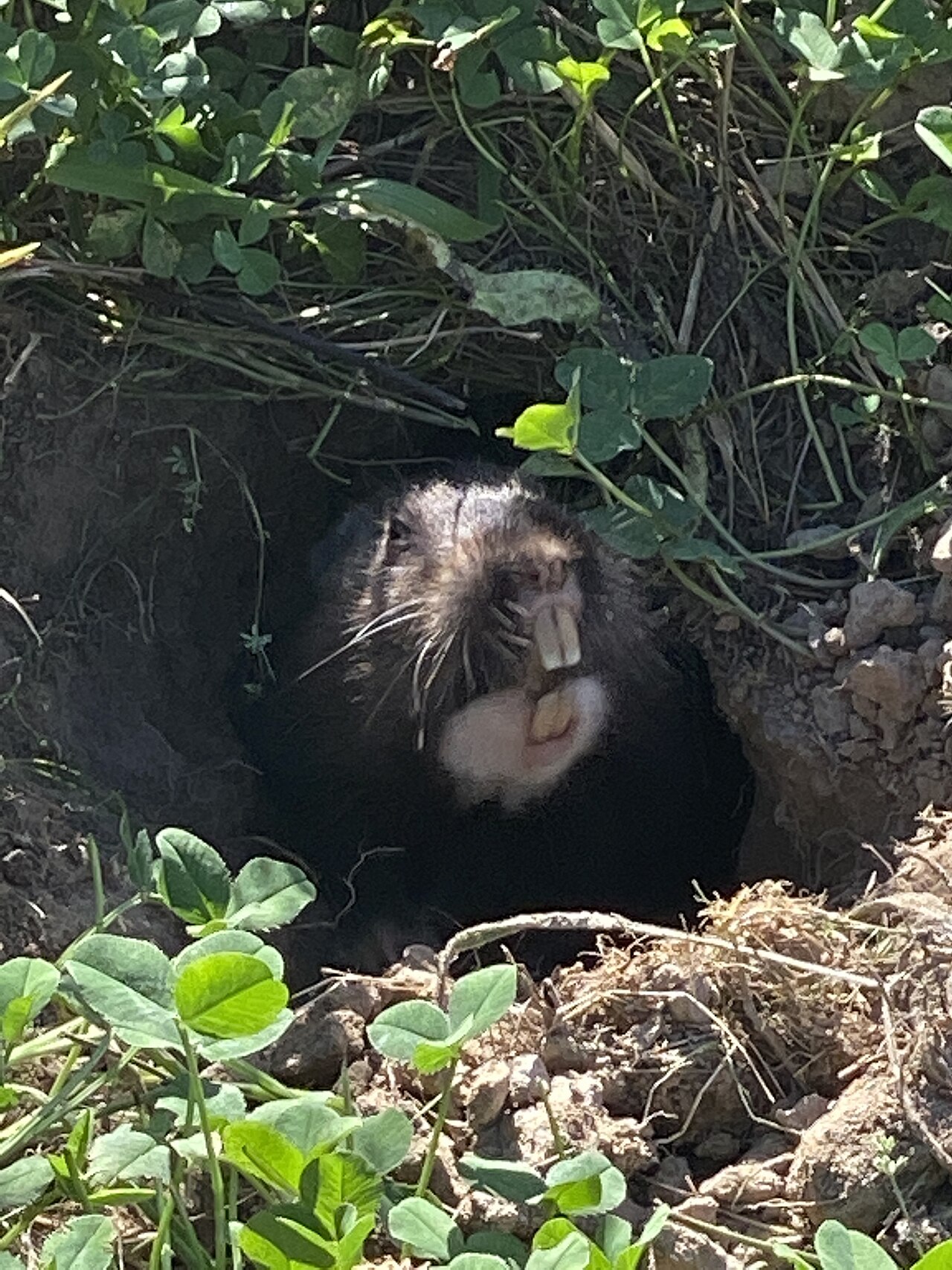
Nothing that has been demonstrated to work. This is the most-asked question on the topic and the honest answer is uncomfortable: the entire category of repellents marketed for gophers lacks supporting evidence, and several have been tested directly and failed.
Ultrasonic and vibrating stakes are the clearest failures. University trials have found no difference in gopher activity between treated and untreated plots, and gophers have been observed tunnelling directly past active devices. Animals habituate to constant low-level vibration within days, and abandoning a tunnel system that took months to dig is a far larger cost than tolerating a buzz.
Castor oil products have some evidence for moles, whose insect-based diet and shallow surface tunnelling differ completely, and that evidence gets transferred to gophers where it does not apply. Coffee grounds, vinegar, mothballs, chewing gum, human hair, garlic, and predator urine all fail similarly. Mothballs used this way are also illegal, since it contravenes the product label.
Why Do I Suddenly Have Gophers?
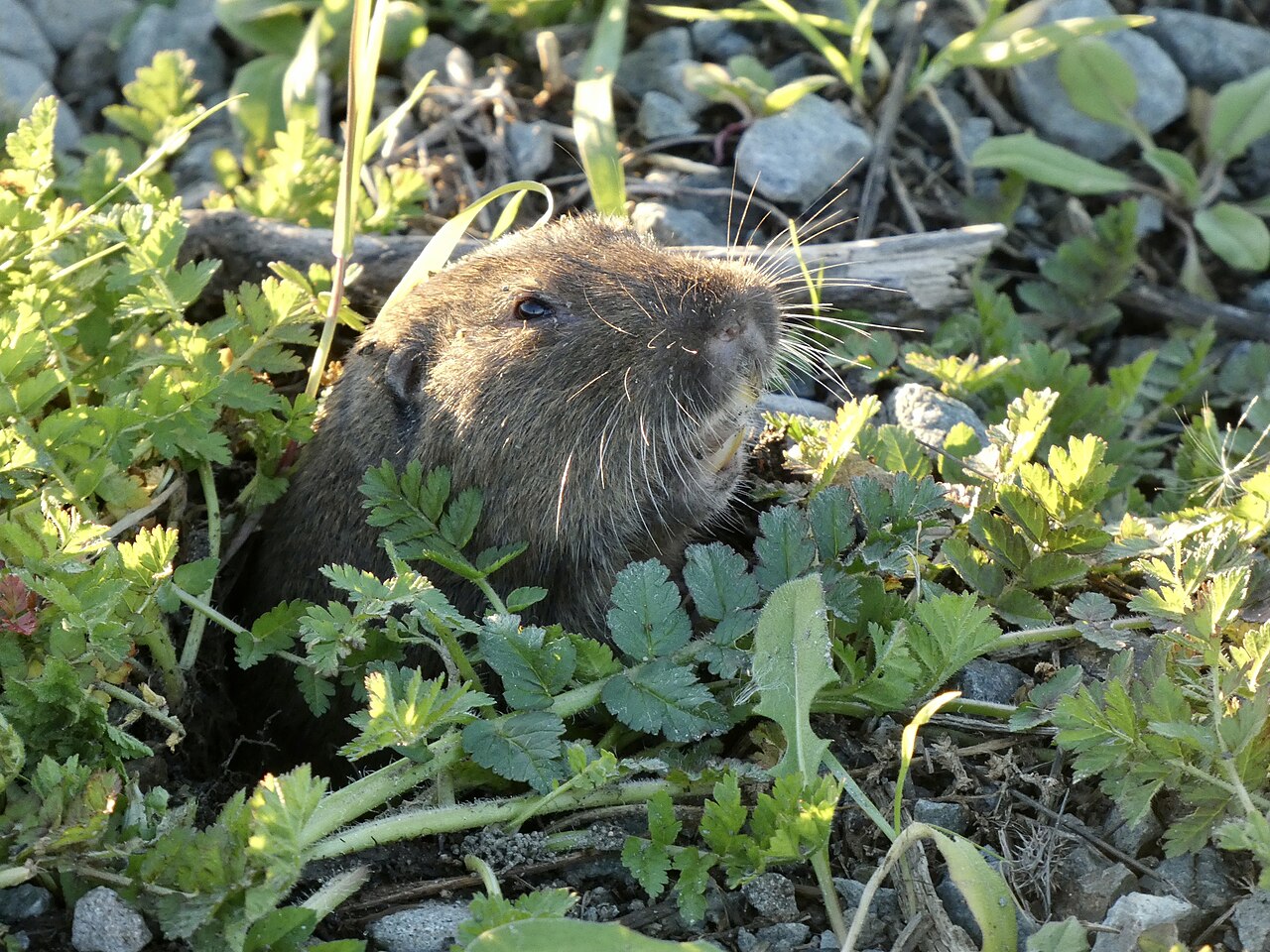
Dispersal, usually. Young gophers leave the mother’s tunnel system in late spring and summer and travel overland to find unoccupied ground, and a property with soft workable soil, irrigation, and plenty of roots is exactly what they are looking for.
Recolonisation of a cleared site is the other common answer. Gophers are territorial, so when one is trapped out the tunnel system sits empty, and a neighbouring animal or a disperser often takes it over within weeks. That is why a yard cleared in spring can have fresh mounds again by autumn, and it is not evidence that the trapping failed.
Irrigation is the underrated factor. Watered lawns and beds stay soft and root-rich through dry months when surrounding ground is baked hard, which concentrates gophers onto exactly the properties people care most about. A green lawn in a dry landscape is a gopher magnet.
Can You Get Rid of Gophers Permanently?
Not from a whole property, and it is worth being clear about that before spending money. As long as there is gopher habitat nearby, dispersing animals will keep arriving, so gopher control is maintenance rather than a one-time job.
What can be permanent is protection of specific plants. Wire baskets fitted around root balls at planting, made from galvanised hardware cloth or bought ready-made, protect individual trees and shrubs for years, and lining raised beds with mesh before filling them protects vegetables indefinitely.
A full barrier is possible for a defined area. Buried hardware cloth or galvanised mesh with quarter to half inch openings, set at least two feet deep with an outward-angled lip at the bottom, keeps gophers out of a vegetable garden or an orchard block. It is expensive per foot and only worth it around something valuable. The guide to getting rid of voles covers a similar problem with a different animal.
What About Poison Bait?
Anticoagulant and strychnine baits do kill gophers, and they are used commercially, but the trade-offs are serious enough that they should be a last resort in a garden setting.
Secondary poisoning is the main problem. A gopher that has eaten anticoagulant bait and dies above ground or is caught while weakened poisons whatever eats it, and barn owls, great horned owls, hawks, foxes, bobcats, and domestic cats and dogs are all documented casualties. Removing the predators that control gophers to kill gophers is self-defeating.
Application also matters. Bait applied incorrectly, spilled at the surface, or placed in an abandoned lateral rather than the main runway is both ineffective and more likely to reach non-target animals. Several states restrict or prohibit certain rodenticides, and label requirements are legally binding. The University of California IPM programme (ucanr.edu) publishes current product evaluations and restrictions.
Do Flooding and Gas Devices Work?
Flooding a burrow is unreliable and often counterproductive. Gopher tunnel systems can be over two hundred feet long with sealed side chambers, water drains into surrounding soil, and the usual result is a saturated lawn and a gopher that moved to a dry section. It also softens soil, which makes digging easier.
Exhaust fumes from a vehicle or a purpose-made machine are used commercially with mixed results and are dangerous to improvise. Carbon monoxide is lethal to people, tunnels can vent into a crawl space or basement, and the practice is prohibited in some jurisdictions.
Explosive and pressurised gas devices sold for burrow use cause serious injuries every year and start fires. Fumigant cartridges are legal in some states and require label compliance including soil moisture conditions to work at all, since dry soil lets gas escape. None of these outperform trapping in a garden setting.
How Do You Tell Gophers From Moles?
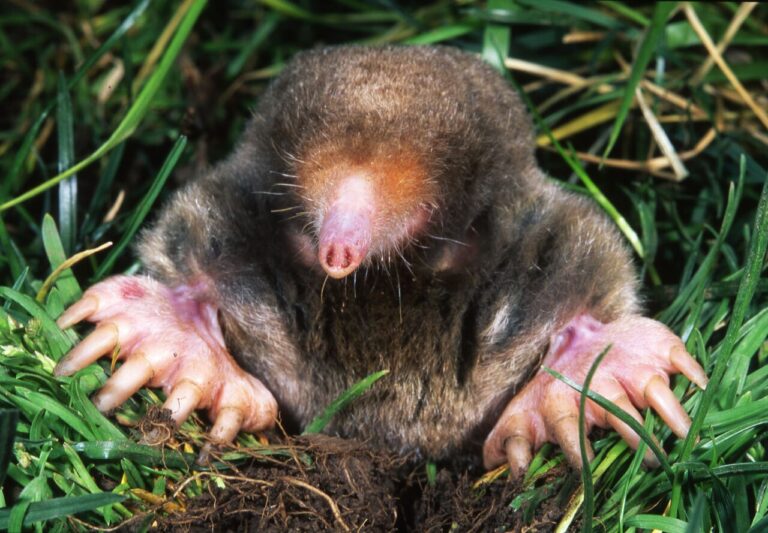
The mound shape, and it takes a second. A gopher mound is fan-shaped or crescent-shaped with the tunnel entrance plugged off to one side, because gophers push soil out sideways. A mole mound is conical and roughly circular with no visible entrance, because moles push soil straight up.
Surface runs settle it further. Moles create raised ridges of turf where they tunnel just below the surface hunting earthworms; gophers do not. Gopher damage is plants disappearing downward, chewed roots, and severed irrigation lines rather than raised tunnels.
The distinction matters because control differs. Moles eat insects and earthworms and ignore plant baits entirely, gophers eat roots and bulbs and ignore worm-shaped baits, and trap designs are different for each. Getting this wrong is the most common reason a control effort fails. The mole sign guide covers reading mole activity.
How Much Damage Do They Actually Do?
More than the mounds suggest. A single gopher builds a tunnel system that can run over two hundred feet and cover several hundred square yards, and it eats roots, bulbs, tubers, and sometimes whole plants pulled down from below, which is why a plant can vanish overnight leaving a hole where the stem was.
Young trees are the expensive losses. Gophers girdle roots and root collars below ground, and a girdled tree may look healthy for weeks before collapsing, by which point nothing can be done. Orchards and new plantings are where wire baskets pay for themselves several times over.
Infrastructure damage is the underrated part. Gophers gnaw through drip irrigation, buried utility and low-voltage lighting cable, and plastic pipe, and their tunnels undermine paths, patios, and retaining walls, causing settlement. A single animal in the wrong spot causes far more in repairs than the trapping would have cost.
Are Gophers Worth Tolerating Anywhere?
In pasture, rangeland, and rough ground, yes, and the ecological case is real. Gopher tunnelling aerates compacted soil, improves water infiltration, mixes organic matter down through the profile, and creates germination sites for native plants. Abandoned burrows shelter reptiles, amphibians, and insects.
They are also a keystone prey species. Gopher snakes, rattlesnakes, badgers, coyotes, foxes, bobcats, weasels, barn owls, and hawks all hunt them, and in some grassland systems gophers are the main prey base supporting the local predator community.
The conflict is entirely about location. The same behaviour that improves a pasture destroys a lawn, undermines a patio, severs drip lines, and kills young trees by girdling the roots. Tolerating them at the far end of a property while protecting the areas that matter is a more realistic goal than elimination. The baby gopher snake guide covers the predator named for hunting them.
Frequently Asked Questions
What is the fastest way to get rid of gophers?
Trapping in the main runway. Probe eight to twelve inches from the plug side of a fresh mound until the rod drops, open the runway, and set two traps facing opposite directions.
What do gophers hate the most?
Nothing that has been shown to work. Ultrasonic stakes, vibrating spikes, castor oil, coffee grounds, vinegar, mothballs, and predator urine have all been tested and failed.
Why do I suddenly have gophers in my yard?
Young gophers disperse overland in late spring and summer looking for unoccupied ground, and irrigated soil stays soft and root-rich when surrounding land is dry, which concentrates them on gardens.
Can you get rid of gophers permanently?
Not from a whole property, since dispersers keep arriving. Permanent protection is possible for specific plants using wire baskets, and for defined areas using buried mesh two feet deep.
Does poison work on gophers?
Bait kills them but risks secondary poisoning of barn owls, hawks, foxes, and pets, which removes the predators that control gophers. Several states restrict the products involved.
How do you tell gophers from moles?
Gopher mounds are fan-shaped with a plugged side entrance; mole mounds are conical with no visible hole. Moles also leave raised surface ridges, which gophers never do.
What eats gophers?
Gopher snakes, rattlesnakes, badgers, coyotes, foxes, bobcats, weasels, barn owls, and hawks. A nesting pair of barn owls takes hundreds over a breeding season, as the guide to birds that eat mice covers in detail.

Similar Posts
Are Squirrels Nocturnal? No, So What Is in Your Attic?
Tree squirrels are diurnal and sleep through the night. Here is which squirrel really is nocturnal, and what the noise overhead after dark actually is.
Carpet Beetle Rash: Why It Is Not a Bite
Carpet beetles cannot bite. The rash is an allergic reaction to larval bristles, which is why it returns until you find the source.
Ladybug Lands on You? Luck and Meaning Explained
A ladybug landing on you is one of folklore’s clearest good omens. What the color and spots mean, the angel connection, love omens, and the science behind the visit.
What Do Axolotls Eat? Wild & Pet Diet Guide
What axolotls eat in the wild and as pets, how their unusual suction feeding works, and foods to avoid.
Are Foxes Nocturnal? Activity Patterns Explained
Foxes are mainly crepuscular, and a fox seen in daylight is not sick. Here is the real activity pattern and how to spot a genuinely ill animal.