Camel Symbolism: The Spiritual Meaning Behind the Hump
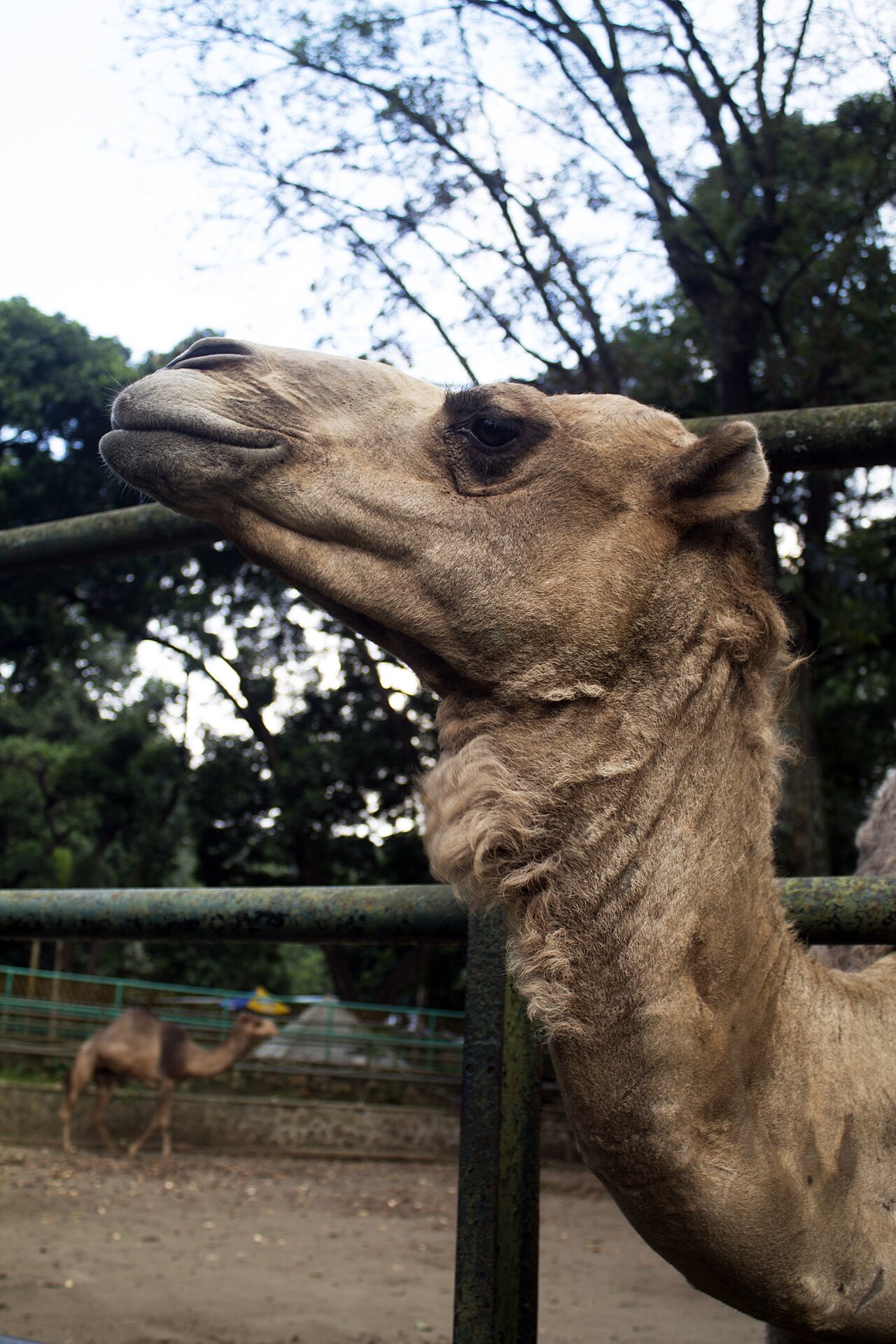
The dromedary (Camelus dromedarius) crosses dry land on fuel it carries in its own hump, and most of the camel’s spiritual meanings grow out of a body built for that crossing.
The camel symbolizes endurance, patience, self-reliance and service. Its fat-storing hump lets it cross dry land for long stretches under heavy loads. Long lashes, closable nostrils and padded feet carry it through loose sand. As a spirit animal or in a dream, the camel tells you to pace yourself and trust your reserves.
What Does a Camel Symbolize?
Endurance is the camel’s first meaning. The camel keeps moving through long, dry stretches at a steady pace, and it reaches the far side by not stopping.
Patience comes from the long wait between drinks. A camel goes days in the heat without water and drinks only when it reaches a well, so it stands for waiting calmly until relief comes.
Self-reliance comes from the camel carrying its own reserves instead of depending on the land to feed it each day.
In service, the camel is a humble working animal that carries other people’s burdens for most of its life. Beaver symbolism shares this work ethic, but the beaver builds for its own family, while the camel labors for the caravan.
The Real Camel Traits Behind the Symbolism
Five physical traits explain most of the meanings the camel carries. The hump stores fat, not water. That hidden fuel is the origin of the camel as a symbol of reserves you draw on when supplies run out.

After a long dry spell, a camel drinks a large amount quickly and recovers, so it stands for resilience. Long eyelashes and nostrils that close against blowing sand protect the eyes and airways, and that shield stands for healthy boundaries.
Broad, padded feet spread the animal’s weight across loose sand, so it makes steady progress on unstable ground. The camel diet follows the same thrift, built on thorny desert plants that other grazers leave behind.
Thick calluses on its chest and knees let a camel kneel on hot sand, and that kneeling stands for humility and the rest a long journey needs.
Camel Spirit Animal and Totem Meaning
The camel spirit animal shows up in dry seasons of life, when money, energy or support runs thin. Its message is to save energy and keep moving forward. You have more in reserve than the moment suggests.
People with the camel as a totem are steady and private. They are slow to ask for help and quick to offer it.
Call on the camel before a long project or a move. Animal spiritual meanings often grow out of how an animal survives, and the camel’s message of steady pace comes straight from desert travel.
The Camel’s Shadow Side, Stubbornness and Overload
The camel’s shadow side is overload and stubbornness. An overloaded camel kneels and refuses to rise, and that refusal is a warning against taking on more than you can bear. The straw that broke the camel’s back makes the same point. One small extra task can collapse a load that was already too heavy.
Stubbornness is endurance turned against itself. The same will that crosses a desert can refuse to change course when the route is wrong. Self-reliance can also tip into isolation, when you carry every reserve alone and never let anyone share the load.
Bear symbolism offers the counterweight. The bear retreats and rests when the season calls for it, while the camel pushes on. If the camel keeps showing up during burnout, take the bear’s lesson too.
What It Means to See a Camel in a Dream
In a Dream. A camel dream is about stamina, a long task or hidden reserves. A calm camel means you are coping. A struggling camel signals overload. Riding a camel points to a long journey or a move ahead, and a collapsing camel shows reserves that are already spent.
| Dream scene | Typical reading | Message |
|---|---|---|
| A loaded camel | A heavy responsibility you carry | Put down what is not yours to carry. |
| A camel drinking | Recovery after a draining stretch | Refill now, while you can. |
| A kneeling camel | Rest, humility or a pause you need | Pause before you push on. |
| A camel caravan | Shared effort and trusted company | Let others share the road. |
| A spitting camel | Frustration you hold back | Say what you have swallowed. |
| Riding a camel | A long journey or move ahead | Plan for distance, not speed. |
In Real Life. An unexpected camel sighting at a farm or a zoo is a reminder to pace yourself.
Repeated Camel Images. Camels on signs, in art or across your media feed point to your reserves and tell you to refill them before they run dry.
Camel Symbolism in the Bible, the Quran and the Arabian Desert
In one of its best-known Bible passages, the camel stands for the weight of wealth. In Matthew 19:24, Jesus says it is easier for a camel to go through the eye of a needle than for a rich man to enter the kingdom of God.

Quran 88:17 asks readers to consider how camels were created. In that verse the camel is a sign of design. Its body fits the desert so closely that it points beyond itself to its maker.
On the Arabian Peninsula, the camel is the ship of the desert, a symbol of survival and trade. Horse symbolism leans on speed and freedom, while the camel stands for the long haul. A line of camels crossing empty land stands for trust and a shared journey that no rider makes alone.
Frequently Asked Questions
Is a camel a symbol of love?
No, not in general, but one famous story links camels to love. In Genesis 24, Rebekah offers to water the camels of Abraham’s servant, and that kindness is the sign that marks her as Isaac’s future bride. The camel here stands for love shown through generous service.
What does the word “camel” mean?
Camel simply names the animal. The English word comes through Latin camelus and Greek kamelos from the Semitic gamal, which survives as gamal in Hebrew and jamal in Arabic.
Does a two-humped camel mean something different?
Yes. The Bactrian camel (Camelus bactrianus) survives bitter Gobi winters as well as dry summers, so it stands for endurance at both extremes. In Mongolia it counts among the five traditional herd animals.
Is the camel a symbol of wealth?
Yes. In classical Islamic law, the blood money for a life was set at 100 camels, and Arabian families long paid bride gifts in camels.
Does a camel tattoo have a meaning?
Yes. A camel tattoo usually marks endurance through a hard stretch, such as recovery, a long move or years of caregiving, and a kneeling camel adds humility.
Sources
- CDC, Healthy Pets, Healthy People, Farm Animals
- CDC, About Middle East Respiratory Syndrome (MERS)
- Animal Diversity Web (University of Michigan), Camelus dromedarius
- GBIF, Camelus dromedarius Linnaeus, 1758