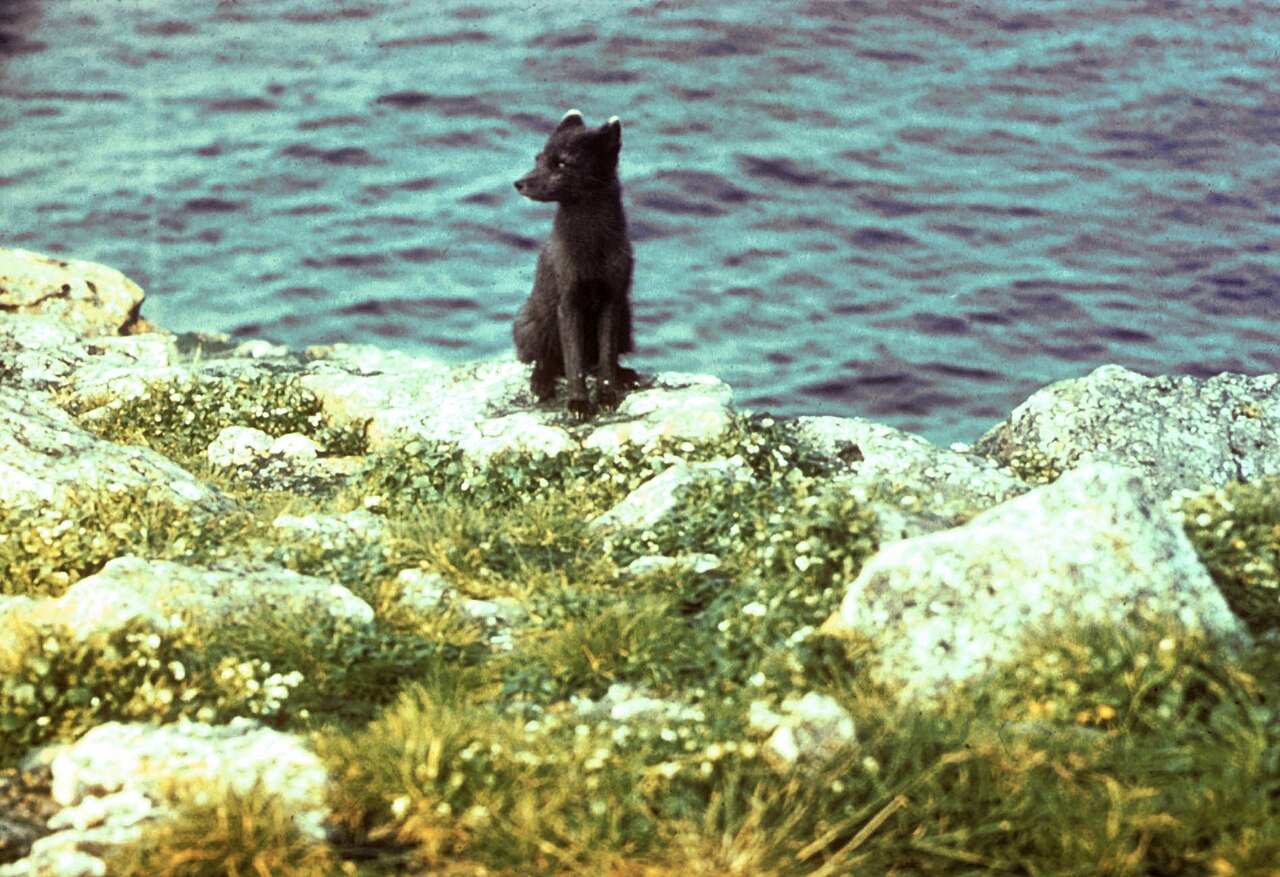
Arctic Fox Adaptations: 9 Traits That Beat 58 Below Zero
Arctic fox adaptations begin with insulation so good that the animal can rest at 58 degrees below zero Fahrenheit (minus 50 C) without raising its metabolism at all. The arctic fox (Vulpes lagopus, long listed as Alopex lagopus) is the only wild dog that swaps coat color with the season, and nearly every part of its body is shaped to hold heat in.
The traits come in two kinds, and they work together. Dense winter fur, furred foot pads and a compact build handle the physics of cold. Caching eggs, digging generational dens and trailing polar bears across the sea ice handle the other half of the problem, which is finding food in a place where food disappears for months.
Arctic foxes survive the tundra through a stacked set of adaptations: winter fur with the highest insulation value measured in any mammal, short ears and a short muzzle that limit heat loss, fur covered foot pads, autumn fat reserves near half of body weight, and behaviors such as food caching and scavenging polar bear kills.
| Adaptation | How it works |
|---|---|
| Winter coat | Two layers, up to 140 percent denser than the summer coat, insulates down to roughly 58 F below zero |
| Short ears and muzzle | Less surface area per pound of body weight, so less heat escapes |
| Furred foot pads | Grip on ice plus insulation from the snow; the species name lagopus means hare foot |
| Countercurrent blood flow | Warm arteries heat returning veins in the legs, keeping paws just above freezing |
| Autumn fat | Reserves reaching 40 to 50 percent of body weight carry the fox through lean weeks |
| Seasonal color change | White in winter, brown and gray in summer, so camouflage matches the ground |
What Kind of Adaptation Will You Find in an Arctic Fox?
You will find three categories at once: structural, physiological and behavioral. Structurally the fox is a heat saving shape, small at 6 to 10 lb (2.7 to 4.5 kg) with a body 18 to 27 in (46 to 68 cm) long and a thick tail it wraps over its face while sleeping. Physiologically it can drop the blood flow to its legs and run its paws close to freezing while the core stays at 100 F (38 C). Behaviorally it hoards, scavenges and reuses dens that other foxes dug generations earlier.
Winter Fur, Short Ears, and Furred Feet

The coat is the headline adaptation. It has a woolly underfur for insulation and longer guard hairs that shed wind and moisture, and in autumn the density climbs steeply before the first hard freeze. Compare the silhouette to a desert relative and the logic is obvious: a fennec fox dumps heat through enormous ears, while the arctic fox keeps its ears small and rounded to keep heat where it belongs. Even the soles are covered in stiff hair, which insulates against snow and works like a cleat on wind polished ice.
Fat Reserves and a Metabolism That Idles
Arctic foxes eat heavily in late summer and autumn, and body fat can approach half of total mass before winter. That reserve is not just fuel, it is a second insulation layer under the skin. Through the darkest weeks the fox lowers its activity rather than its body temperature, trims its resting metabolic rate and lives partly off stored energy and partly off caches. Scat found in winter is often thin and dark from a diet of frozen carrion, which is why fox poop changes so much between seasons.
Can Arctic Foxes Freeze?
A healthy adult in winter coat does not freeze at temperatures the tundra actually delivers. Classic cold chamber work put the lower critical temperature near 40 to 58 degrees below zero Fahrenheit, meaning the fox burns no extra energy to stay warm until it gets colder than that, and the exact figure is still argued over because it varies with coat condition and wind. Pups, thin animals and foxes in summer coat are a different story, and starvation kills far more arctic foxes than cold alone. A wet coat is the real danger, since soaked underfur loses most of its insulation value.
Behavioral Adaptations: Caches, Dens, and Polar Bear Leftovers
Where the body stops, behavior takes over. Arctic foxes rob goose colonies and bury eggs in cold soil, where they keep for a year, and a single fox may stash hundreds in a good season. Others follow polar bears out onto the ice and feed on seal remains, accepting real risk for a large meal. Den sites are dug into eskers and sandy banks, used and enlarged across decades, and the biggest are riddled with dozens of entrances. Litters track the lemming cycle, so a peak year can bring more pups than any other carnivore raises at once, and you can see how fast those arctic fox pups have to grow before the first freeze.
Related reading: Arctic Fox Lifespan.
Frequently Asked Questions
What are 5 interesting facts about Arctic foxes?
Their winter fur insulates better than any other mammal’s. They change color twice a year, and a blue morph stays dark year round. They cache goose eggs in permafrost for months. Their paws are furred, which the name lagopus records. They raise the largest litters of any wild dog.
What special adaptations do foxes have?
All foxes share sharp hearing aimed at prey under cover, a flexible omnivorous diet and a bushy tail used for balance and warmth. Species then diverge by habitat. Arctic foxes insulate, fennecs shed heat, and forest species such as the gray fox climb trees, which almost no other canid does.
What is a fox’s worst enemy?
For arctic foxes the biggest threat is the red fox (Vulpes vulpes), which is larger, pushes north as the climate warms and takes over dens. Golden eagles and wolves take pups, and trapping still removes adults. Farther south the pressure comes from larger predators instead, as any fox versus coyote encounter shows.
Do arctic foxes hibernate?
No. They stay active all winter, hunting lemmings under the snow by sound and digging out caches, though they reduce movement during storms and may sleep curled in a snow hollow for a day or two. The yipping and screaming calls that carry across still air in late winter are breeding season fox sounds, not distress.
Population monitoring and range data for this species in Alaska come from federal wildlife surveys, summarized by the National Park Service.