Groundhog Lifespan: Why Most Live Only 3 Years (and Phil Does Not)
Most groundhogs live only 2 to 3 years in the wild, even though the species is biologically capable of reaching 10. That gap between what a groundhog can live and what it usually does live is the whole story of the groundhog lifespan, and it comes down to predators, highways, and the brutal arithmetic of hibernation.
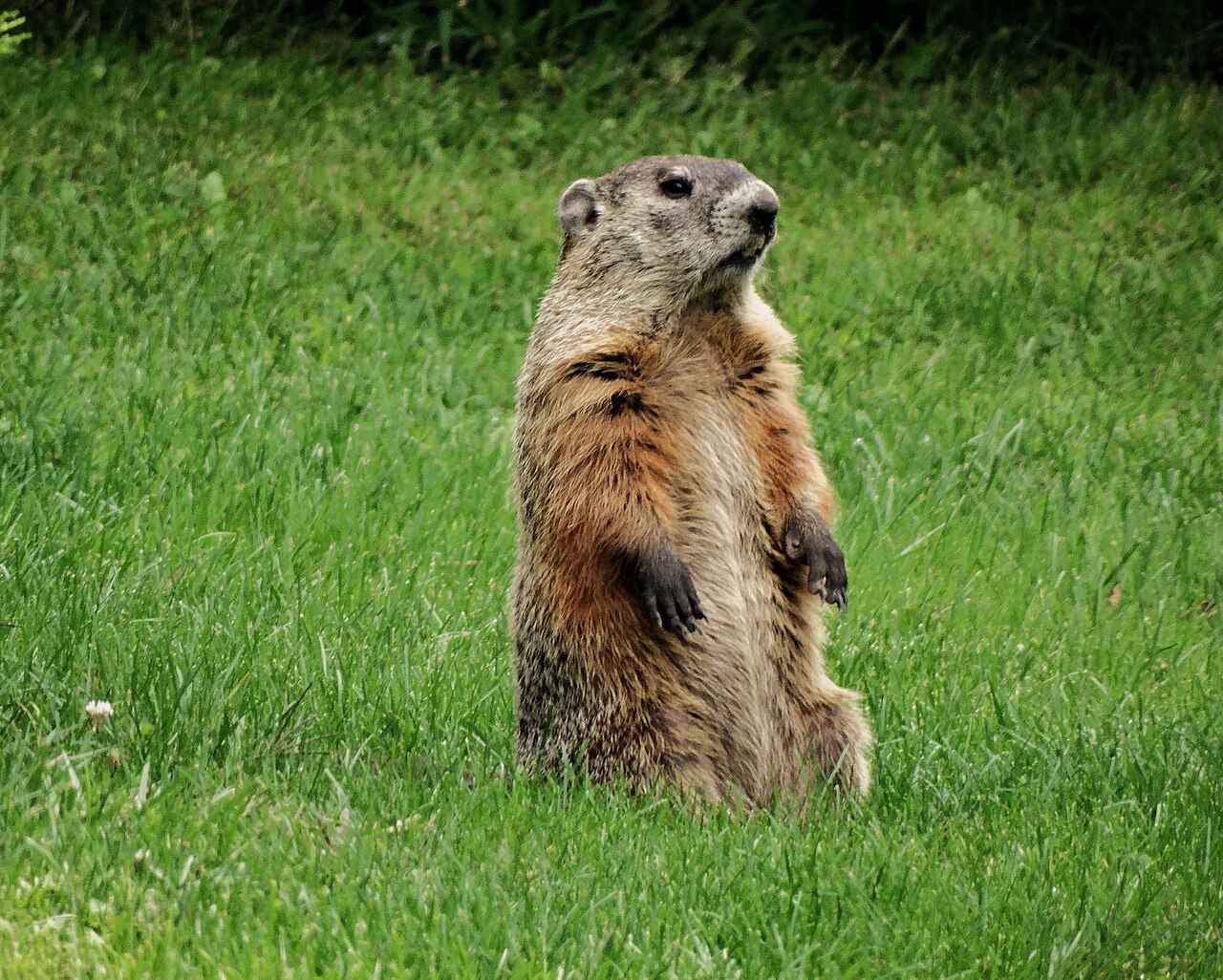
The groundhog (Marmota monax), also called the woodchuck, is the largest member of the squirrel family in most of its range. It spends roughly half the year underground and the other half eating hard enough to survive that underground half. Below is what the numbers actually look like at each stage of life, why so few animals reach old age, and what changes when a groundhog lives in a zoo instead of a hayfield.
Groundhogs live 2 to 3 years on average in the wild, though individuals that survive their first two winters can reach 6 years. In captivity, with no predators and reliable food, groundhogs regularly live 9 to 14 years. Roughly half of all young groundhogs die before their first birthday.
| Measure | Value |
|---|---|
| Average wild lifespan | 2 to 3 years |
| Maximum wild lifespan | About 6 years |
| Typical captive lifespan | 9 to 14 years |
| First-year mortality | Roughly 50 percent |
| Age at first breeding | 1 year (some females at 2) |
| Litter size | 2 to 6 pups, once per year |
| Months spent hibernating | 3 to 5, depending on latitude |
How Long Do Groundhogs Live in the Wild?
The honest average for a wild groundhog is 2 to 3 years. Field studies that tag animals and follow them across seasons keep landing in that range, and the reason is not disease or old age. It is that a groundhog spends its life as a slow, fat, ground-dwelling herbivore in a landscape full of coyotes, cars, and farmers.
Longevity records tell a different story about potential. Wild individuals of 6 years have been documented, and a handful of reports push past that. Those animals are outliers. They are the ones that found a burrow system with multiple exits, in cover that hawks cannot work, close to a food source that does not require long trips across open ground.
The pattern matches other medium-sized rodents closely. A gray squirrel faces the same mismatch between biological potential and field reality, and so does the eastern chipmunk. In each case the species could live three to five times longer than it typically does.
How Long Do Groundhogs Live in Captivity?
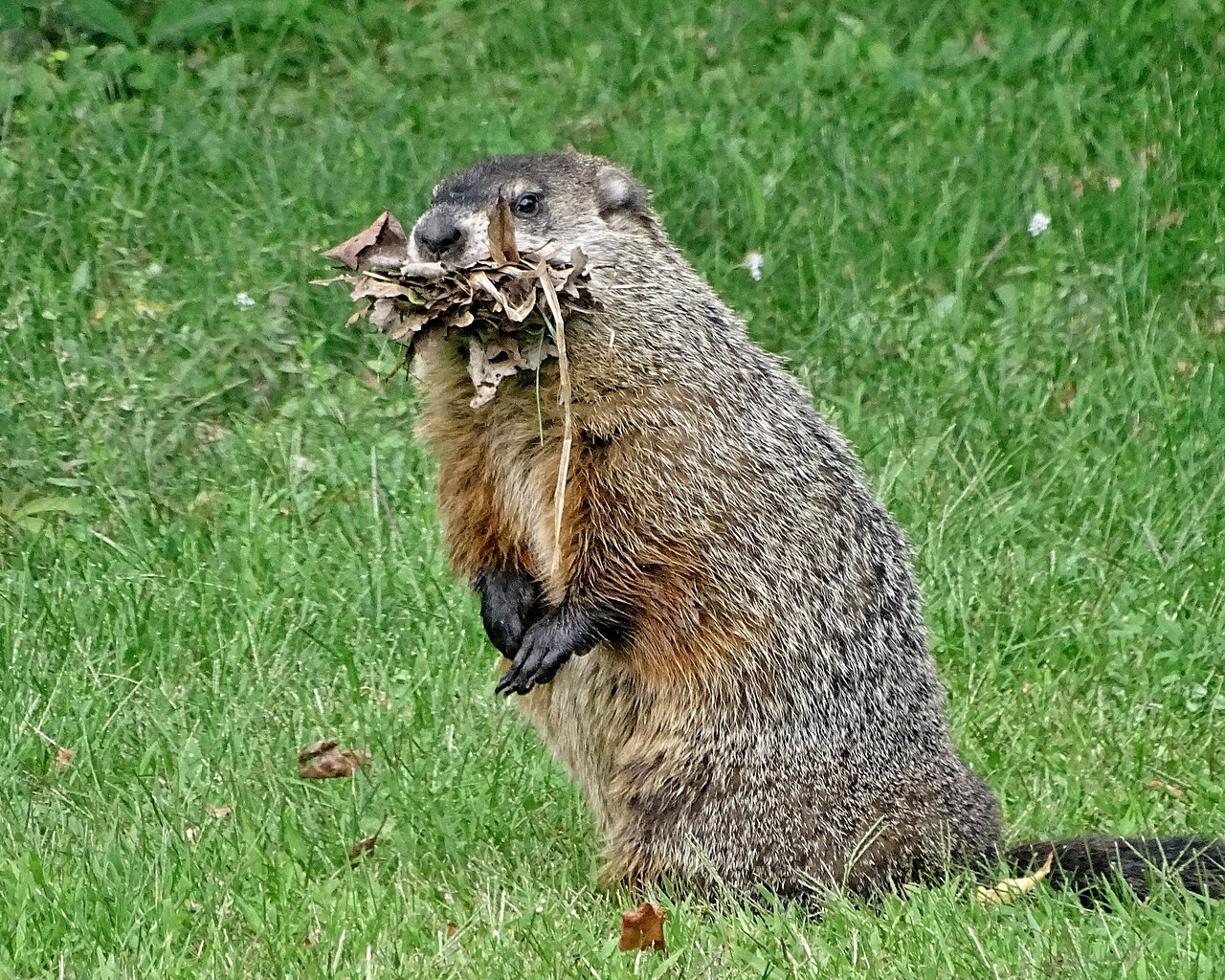
Captive groundhogs commonly reach 9 to 14 years. Zoo and rehabilitation records include animals in their teens, and the oldest well-documented individuals approach 15. That is roughly five times the wild average, which is one of the widest captive-to-wild gaps among North American mammals.
Nothing about captivity makes the animal biologically better. It removes the three things that actually kill groundhogs: predation, vehicles, and failed hibernation. A captive groundhog eats a measured diet year round, never has to cross a road to reach clover, and enters winter with reliable fat reserves or does not hibernate at all.
Veterinary care matters less than most people assume. Groundhogs in captivity develop obesity, dental problems, and liver disease, all of which shorten life. The captive record is high despite those conditions, not because of unusually good health.
Groundhog Lifespan by Life Stage
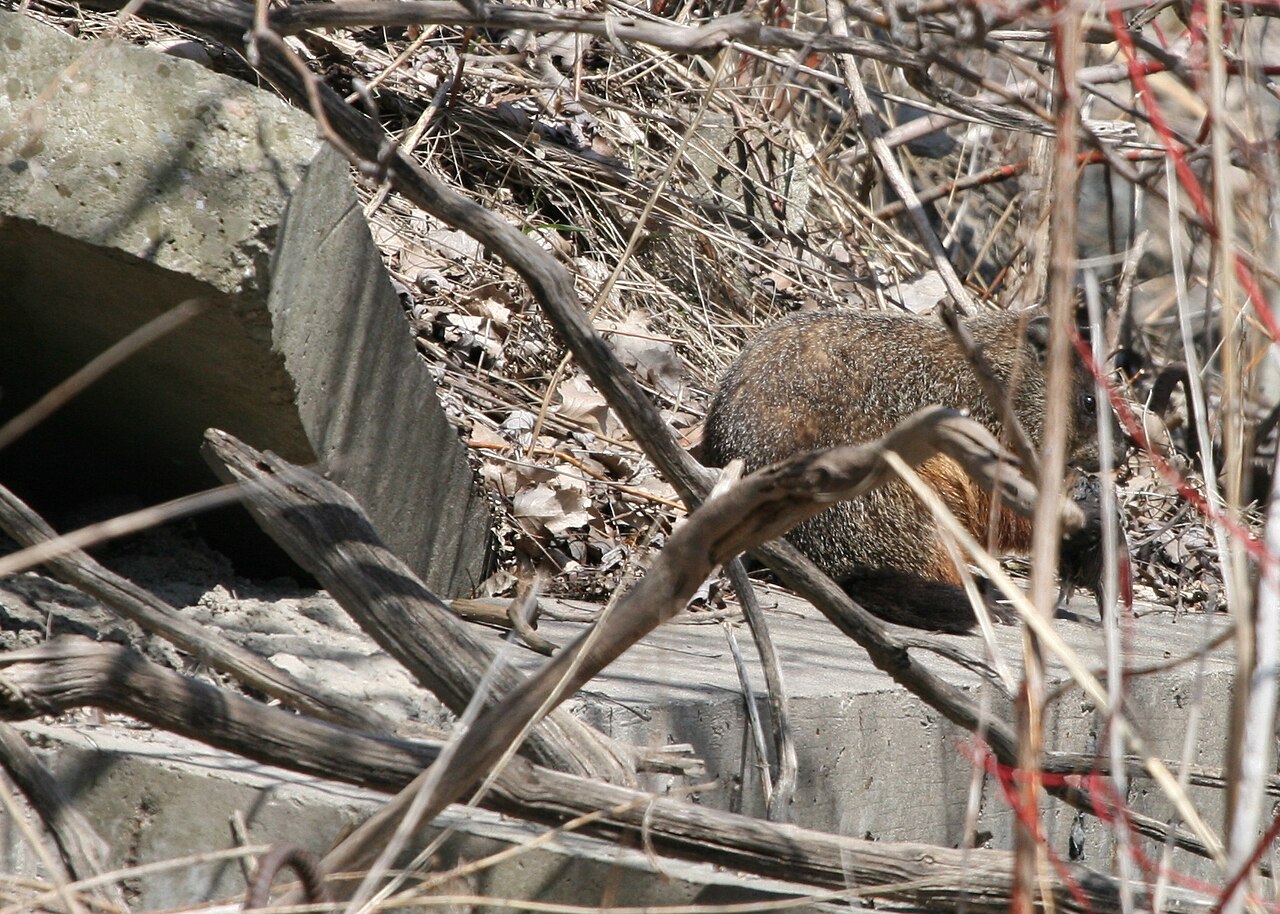
Pups are born in April or early May, hairless and blind, in a nursery chamber off the main burrow. They stay underground for about 4 weeks and are weaned at 5 to 6 weeks. This is the safest month of a groundhog’s life, and also the one where a predator that finds the burrow can end an entire litter at once.
By midsummer the young are above ground and feeding themselves. In late summer they disperse, often moving several hundred yards to a mile to establish their own burrow. Dispersal is the single deadliest event in a groundhog’s life: the animal is inexperienced, exposed, and crossing unfamiliar terrain, frequently including roads.
An animal that survives dispersal and its first hibernation has cleared the highest hurdles. From that point, annual survival improves substantially, and the remaining threats are steady rather than concentrated. Most groundhogs that make it to age 2 are breeding adults holding an established burrow system.
Why Most Groundhogs Never Reach Age Three
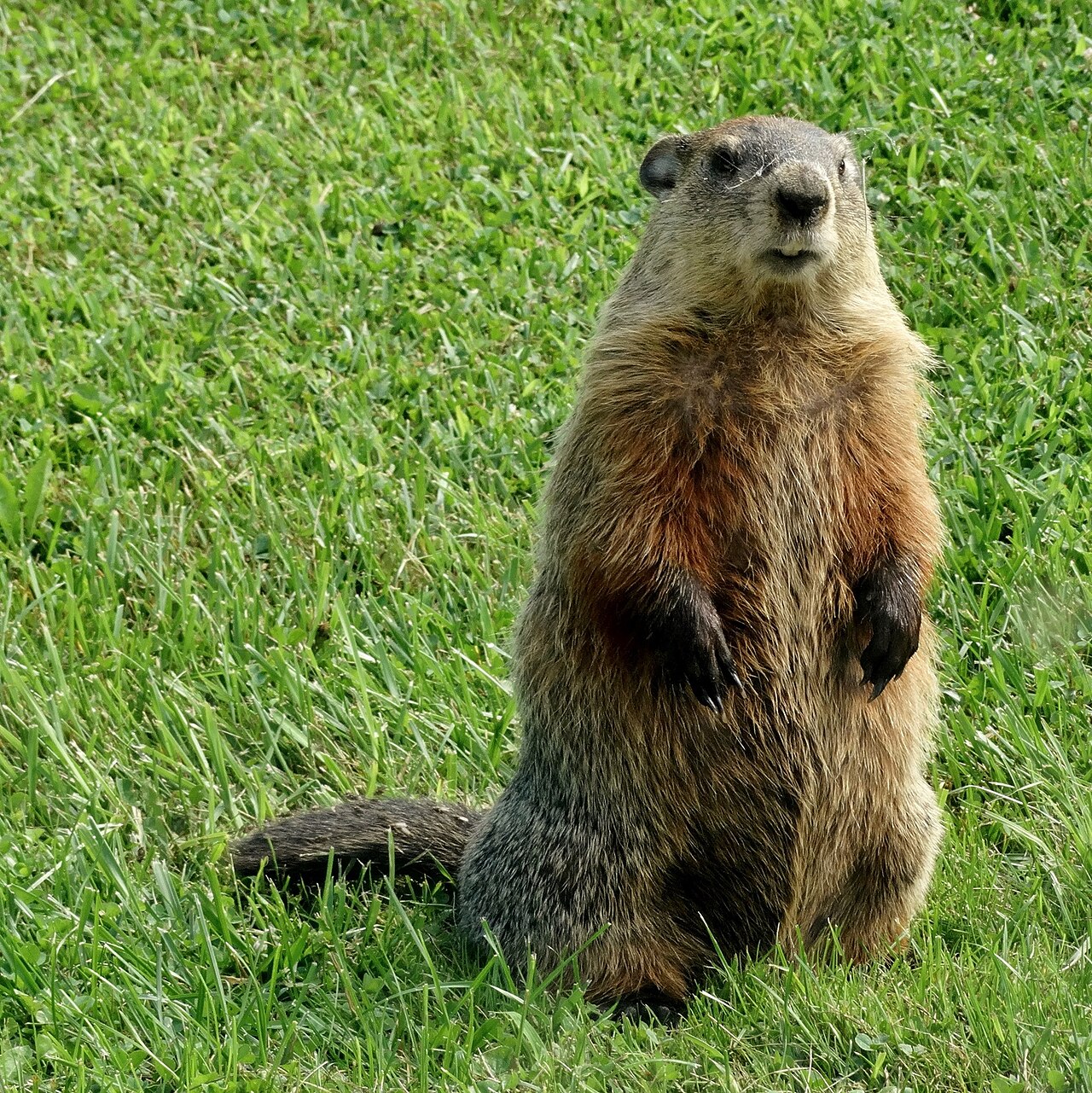
Roughly half of all groundhog pups die before their first birthday. A second large share dies during dispersal or during the first winter underground. Stack those two filters and the survivors by age 3 are a small fraction of the animals born in any given spring.
Hibernation is a harder test than it looks. A groundhog must enter its winter burrow carrying enough fat to run a 3 to 5 month metabolic fast, and it loses 20 to 40 percent of its body weight doing so. A pup born late, or one that fed on poor forage during a drought summer, simply does not wake up.
Roads account for a large and growing share of adult deaths. Groundhogs favor field edges, embankments, and the loose, well-drained soil of highway shoulders, which is exactly where their burrows bring them into daily contact with traffic.
What Is the Natural Enemy of Groundhogs?
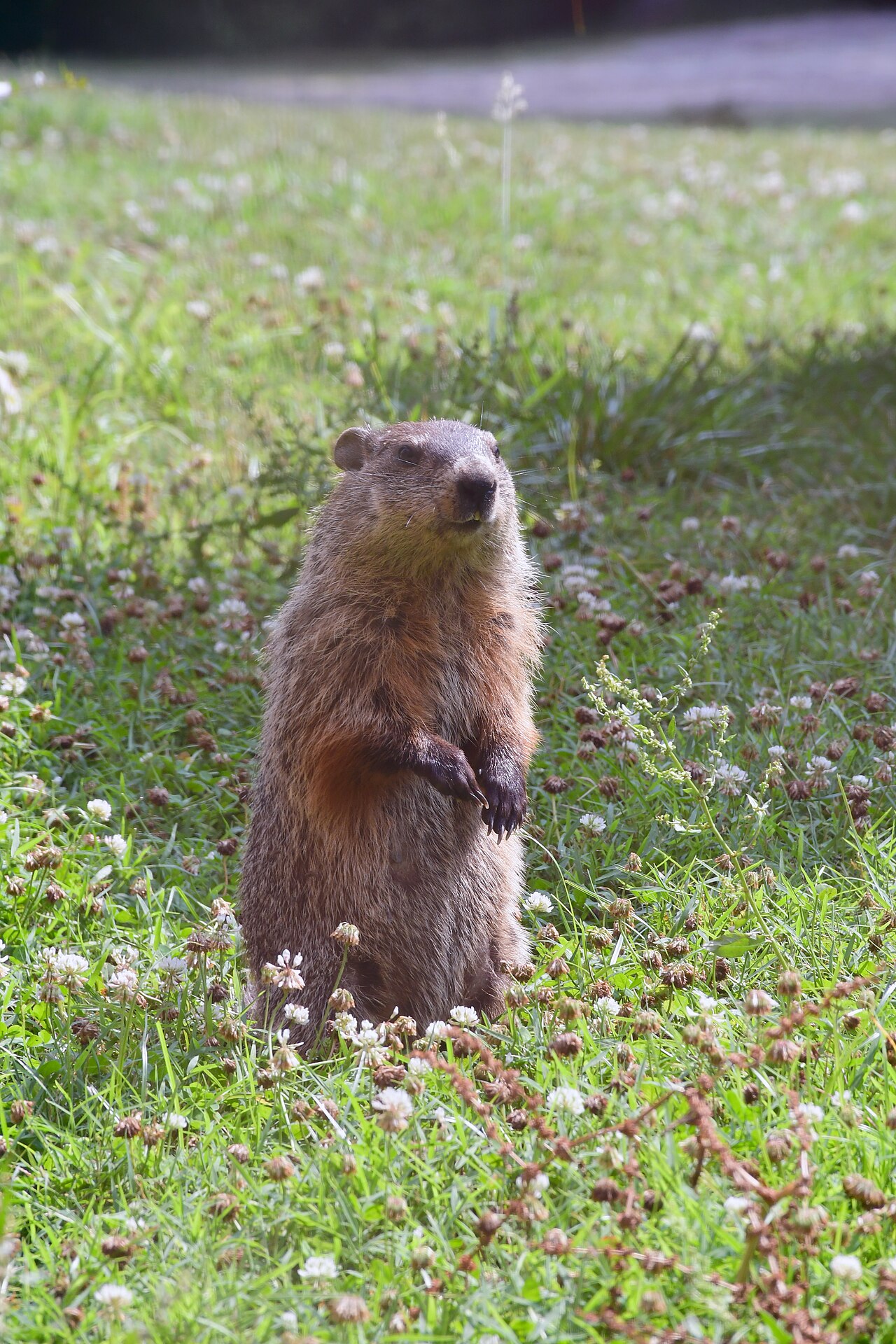
Coyotes are the most consistent predator of adult groundhogs across most of the range, followed by red foxes, bobcats, and domestic dogs. A coyote can dig a groundhog out or catch one that misjudges the distance back to its burrow entrance.
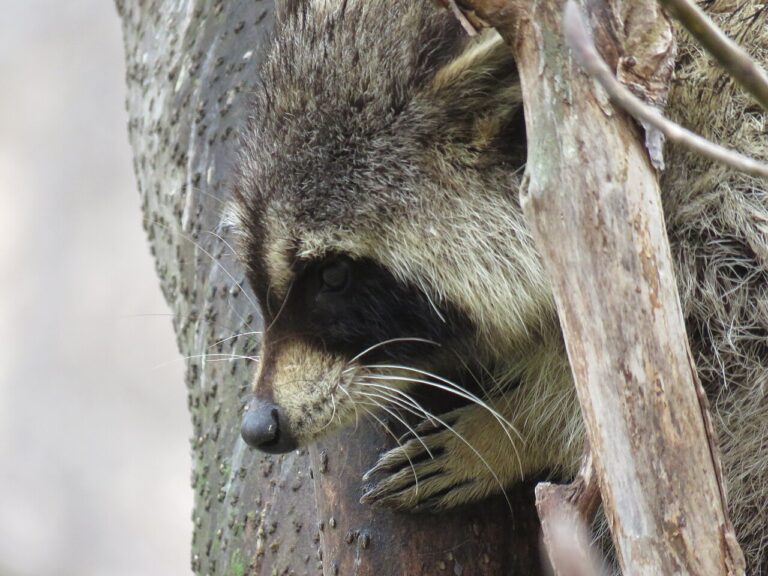
Pups and juveniles face a broader list. Red-tailed hawks take young groundhogs in open fields, and large snakes, weasels, minks, and raccoons enter burrows. In some regions the red fox takes more groundhogs than any other predator, and the raccoon is an opportunistic raider of unattended nursery chambers.
Humans remain a major mortality source. Groundhogs are shot as agricultural pests, trapped out of yards, and killed by vehicles in numbers that likely exceed all natural predation combined in developed landscapes.
How Is Punxsutawney Phil So Old?
He is not. The Punxsutawney Groundhog Club maintains that a single Phil has predicted the weather since 1886, sustained by a magical “elixir of life.” That is folklore, presented as folklore by the club itself, and it has been part of the tradition for over a century.
The animal on stage at Gobbler’s Knob is a captive groundhog living a normal captive lifespan. Captive groundhogs reach 9 to 14 years, so a Phil is replaced roughly every decade. The name carries forward; the animal does not.
The same applies to other ceremonial groundhogs. When Quebec’s Fred la Marmotte died shortly before Groundhog Day in 2023, the cause was simply that a captive groundhog had reached the end of an ordinary captive life.
Do Groundhogs Actually Sleep All Winter?
Groundhogs are true hibernators, which is rarer than most people think. Body temperature drops from about 99 F (37 C) to as low as 40 F (4 C), heart rate falls from over 100 beats per minute to around 4 or 5, and breathing slows to roughly one breath per minute.
They do not sleep straight through. Hibernating groundhogs arouse periodically, warming back to near-normal temperature for a day or so before dropping again. These arousals are metabolically expensive and are thought to serve immune and neurological functions that torpor suppresses.
The hibernation burrow is separate from the summer burrow, dug deeper and below the frost line, and the groundhog seals itself in. For the full seasonal mechanics, see our guide to groundhog hibernation.
What Month Are Groundhogs Most Active?
Peak above-ground activity runs from late April through August, with the highest feeding intensity in July and August. That late-summer window is when the animal converts forage into the fat it will burn all winter, and it is the period when yard damage complaints spike.
Emergence from hibernation happens in February in the mid-Atlantic and as late as April in the far north and at elevation. Breeding follows within a few weeks of emergence, so March and early April bring a second activity bump as males range widely in search of females.
By late September and October, activity drops sharply. Groundhogs at peak weight retreat to the winter burrow, often several weeks before the first hard frost, and are generally out of sight by early November across most of the range.
What Time of Day Do Groundhogs Come Out to Feed?
Groundhogs are diurnal, with two clear feeding peaks: early morning from around dawn to mid-morning, and late afternoon into early evening. Midday is spent in the burrow, especially in hot weather, which is why a yard can look groundhog-free at noon and busy at 7 a.m.
That schedule is a survival strategy, not a preference for cool air. Feeding at the edges of the day keeps the animal active when it can still see approaching predators while avoiding the peak hunting hours of nocturnal carnivores. This puts them on a different clock than the white-tailed deer that often share the same field edges.
Weather shifts the pattern. After several days of rain, groundhogs feed heavily at any hour of daylight, and in the weeks before hibernation they extend feeding through midday to maximize fat gain.
What Is a Groundhog’s Favorite Food?
Clover and alfalfa are the reliable favorites. Given a choice, a groundhog works legumes first, then grasses, then broadleaf garden plants. Dandelion, plantain, and chickweed rank high, which is why the least-managed corner of a lawn often shows the most grazing.
In gardens the preference list is predictable: beans, peas, squash, melons, lettuce, and young broccoli. Groundhogs rarely touch tomatoes and mostly avoid alliums and strongly aromatic herbs. They will take fruit from low branches and occasionally strip bark from young fruit trees in late winter.
An adult groundhog eats about 1 to 1.5 pounds (0.45 to 0.7 kg) of vegetation daily in summer, which is roughly a third of its body weight for a smaller animal. That volume is the reason a single resident groundhog can clear a vegetable bed in under a week.
Are Groundhogs Friendly to Humans?
Wild groundhogs are not friendly, and they are not aggressive either. The default response to a person is to run for the nearest burrow entrance, and a groundhog living near regular foot traffic simply raises its flight distance threshold rather than becoming tame.
Cornered groundhogs defend themselves seriously. They have chisel-like incisors that grow continuously, strong jaws, and long digging claws, and a bite can go through to bone on a finger. Most bites happen when someone tries to handle an animal that appears injured or unusually calm.
That calm is the warning sign. A groundhog that lets you approach is often sick, and groundhogs can carry rabies, though far less commonly than raccoons or bats. Do not handle one. Call animal control or a licensed wildlife rehabilitator.
Should I Let a Groundhog Live in My Yard?
It depends entirely on where the burrow is. A groundhog denning in a brushy fence line or the far corner of a large property is a low-cost neighbor: the burrow aerates soil, the excavated chambers later shelter foxes, rabbits, and skunks, and the animal grazes weeds as readily as anything else.
A burrow under a deck, shed, porch, or foundation is a different matter. Groundhogs move 300 to 700 pounds (135 to 320 kg) of soil per burrow system, and that excavation undermines slabs, cracks footings, and creates voids that collapse under equipment. Entrance holes 10 to 12 inches (25 to 30 cm) wide are also a genuine livestock and ankle hazard in pasture.
The practical answer for most homeowners is exclusion rather than removal. Remove one groundhog from good habitat and another will occupy the vacant burrow within a season, so a buried-apron fence around the garden and hardware cloth skirting on structures does more long-term good than trapping. State guidance on nuisance wildlife is available through the National Park Service wildlife resources and your state wildlife agency.
Frequently Asked Questions
How long do groundhogs live on average?
Wild groundhogs average 2 to 3 years, with a realistic maximum around 6 years. About half of all pups die before age one, and first-year dispersal plus the first hibernation remove most of the rest. Captive groundhogs with no predators routinely reach 9 to 14 years.
What is the oldest groundhog ever recorded?
The best-documented captive groundhogs have reached about 14 to 15 years. Wild records top out near 6 years. Claims about ceremonial groundhogs living for over a century are folklore, not record keeping, since the named animal is quietly replaced every decade or so.
Why do groundhogs die so young in the wild?
Three causes dominate: predation by coyotes, foxes, and hawks; vehicle strikes, since groundhogs prefer the loose soil of road embankments; and failed hibernation, when an animal enters winter without enough fat to fast for 3 to 5 months. Disease and old age account for very few deaths.
What bait is irresistible to groundhogs?
Cantaloupe is the most commonly recommended trap bait, followed by sweet corn, string beans, lettuce, and peas. A scent trail of cantaloupe rind leading to the trap improves results. Check your state regulations first, since relocating groundhogs is illegal in many states.
Do groundhogs live alone or in groups?
Adult groundhogs are solitary outside the breeding season and defend their burrow systems against other adults. Females share a burrow only with their own pups, and the family breaks up by late summer when young disperse. Winter hibernation is almost always a solitary affair.
How many babies do groundhogs have?
One litter per year of 2 to 6 pups, born in April or early May after a 31 to 32 day gestation. Pups are blind and hairless at birth, emerge from the burrow at about 4 weeks, and disperse in late summer. Females typically breed first at one year old.