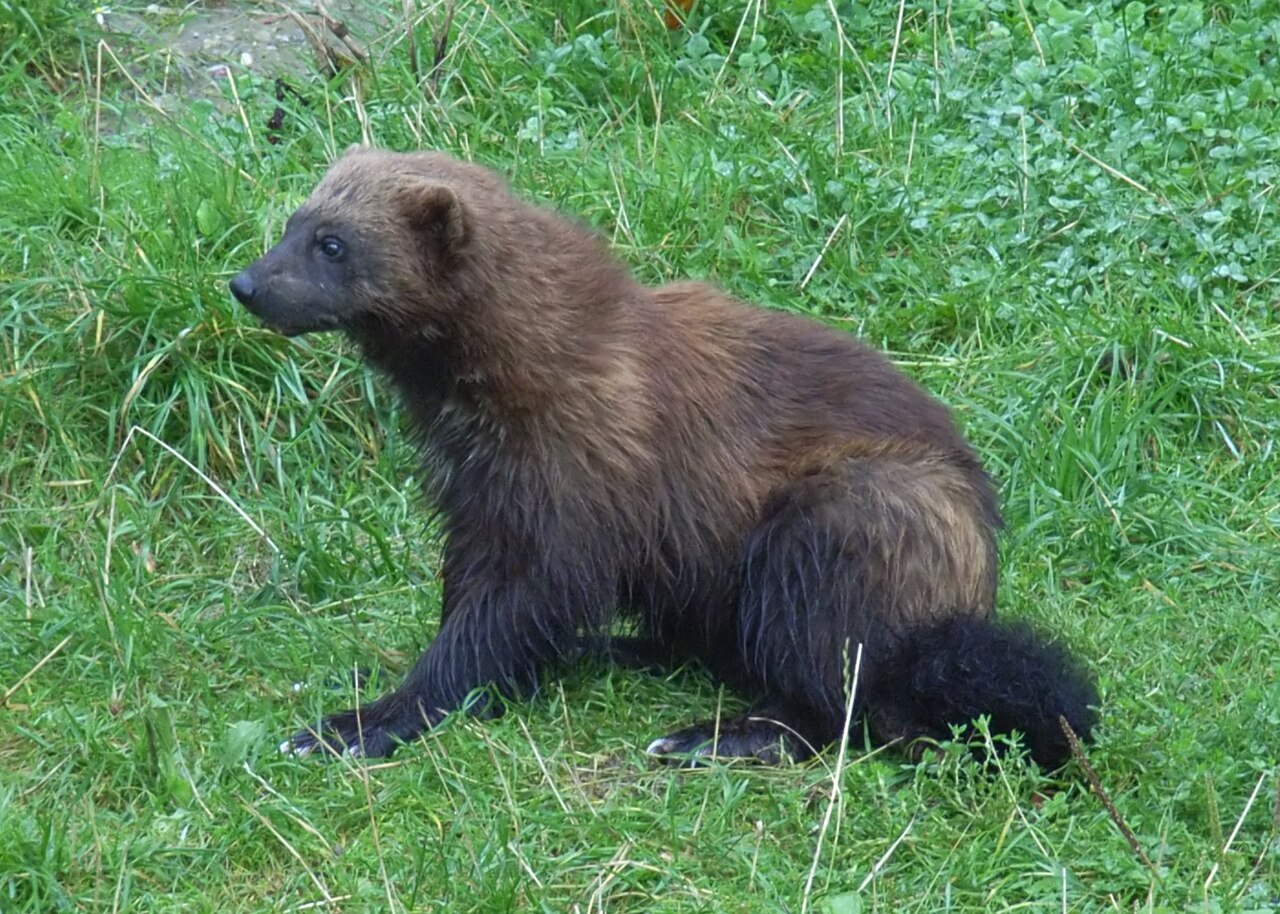
Wolverine Symbolism: Fearless Tenacity, Dreams and Totem Meaning
Seeing a wolverine, in life or in a dream, is traditionally read as a message about ferocity that is out of proportion to your size. Wolverine symbolism across northern cultures centers on an animal of 25 to 40 lbs that drives bears off kills, crosses mountain ranges alone in winter, and refuses to be intimidated by anything. That is the whole message in one sentence: hold your ground, and do not measure your chances by the size of what is in front of you.
The wolverine (Gulo gulo) is the largest land-dwelling member of the weasel family and one of the rarest mammals in the lower 48 states, so genuine sightings are extraordinary. Most people searching for wolverine symbolism are working from a dream, a tattoo idea, or the sense that the animal fits them. This guide covers what the Indigenous traditions of the north actually teach, what modern spirit animal practice has added, and where the Marvel character has blurred the picture.
The wolverine symbolizes fearless tenacity, solitude, and defending what is yours against impossible odds. In Innu and other subarctic traditions it is a trickster and a culture hero. As a spirit animal it represents people who are relentless, territorial, and underestimated. Seeing one is read as a call to stop retreating from a fight you can actually win.
| Context | Common interpretation |
|---|---|
| Seeing a wolverine in the wild | Rare validation that a lonely path is the right one |
| Wolverine in a dream | Suppressed anger or a boundary you have let be crossed |
| Wolverine as spirit animal | Relentless drive paired with a need for solitude |
| Wolverine tattoo | Survival through hardship, refusal to submit |
| Being called a wolverine | Stubborn, scrappy, disproportionately tough for your size |
| Wolverine driving off a larger animal | A confrontation you have been avoiding is winnable |
What Does a Wolverine Represent Spiritually?
Spiritually, the wolverine represents force of will. The animal’s reputation comes from documented behavior rather than myth: wolverines scavenge frozen carcasses in deep winter, crack bone with specialized molars, and have been recorded displacing wolves and bears from kills. Symbolic traditions built on an animal that behaves that way tend to emphasize persistence over strategy.
The second theme is solitude. Wolverines hold enormous home ranges, up to 500 square miles for a male, and they travel them alone. Spiritual readings take this as a statement that some work cannot be shared and that isolation is a cost of the territory you have chosen rather than a punishment.
The third is appetite. The genus name Gulo means glutton, and the old European name carried a moral charge about greed. Modern readings soften this into hunger for life, but the older sense is worth keeping, because the wolverine is also a symbol of consumption that does not know when to stop. The same double edge runs through bear symbolism, where strength and excess sit in the same animal.
Wolverine Symbolism in Native American Traditions

Wolverine lore belongs to the subarctic and the far north, not to the whole continent, and the richest body of it is Innu and Naskapi. In those traditions Kuekuatsheu, the wolverine, is a trickster and culture hero who appears in flood narratives and in stories where cleverness and appetite drive the plot. He is not a moral figure, and the stories are frequently bawdy and comic.
Among Dene and other Athabaskan peoples the wolverine appears as a cunning thief, the animal that robs traplines and outwits the trapper. Coastal and Inuit traditions treat the animal with a mixture of respect and wariness, and wolverine fur has long been valued for parka ruffs because frost brushes off it rather than freezing to the hair. That practical value shapes the symbolism as much as any story does.
What these traditions share is that the wolverine is clever rather than noble. It is closer in role to the raccoon of more southern nations, a point worth noting if you are comparing it with raccoon symbolism. Treating a specific nation’s wolverine story as a universal spiritual meaning misrepresents traditions that are distinct and still practiced.
Wolverine Meaning in Norse, Celtic and Christian Thought

Scandinavian and Finnish traditions know the animal well, since wolverines range across northern Fennoscandia. Sami hunting cultures regarded it as a formidable competitor, and the Finnish name ahma carries connotations of greed much like the Latin Gulo. There is no major Norse mythological figure attached to the wolverine, despite claims to the contrary.
There is no Celtic wolverine symbolism at all. Wolverines have never lived in Ireland, Britain, or Gaul, so any claimed Celtic meaning is a modern invention, usually borrowed from badger lore. The honest answer is more useful here than a fabricated correspondence.
Christian engagement with the wolverine is likewise late and indirect, working through the medieval vice of gluttony rather than through any scriptural animal. Where Christian writers use the wolverine, it is as an emblem of appetite unchecked by reason, a reading that sits opposite the protective symbolism attached to animals like the bison.
What It Means to See a Wolverine
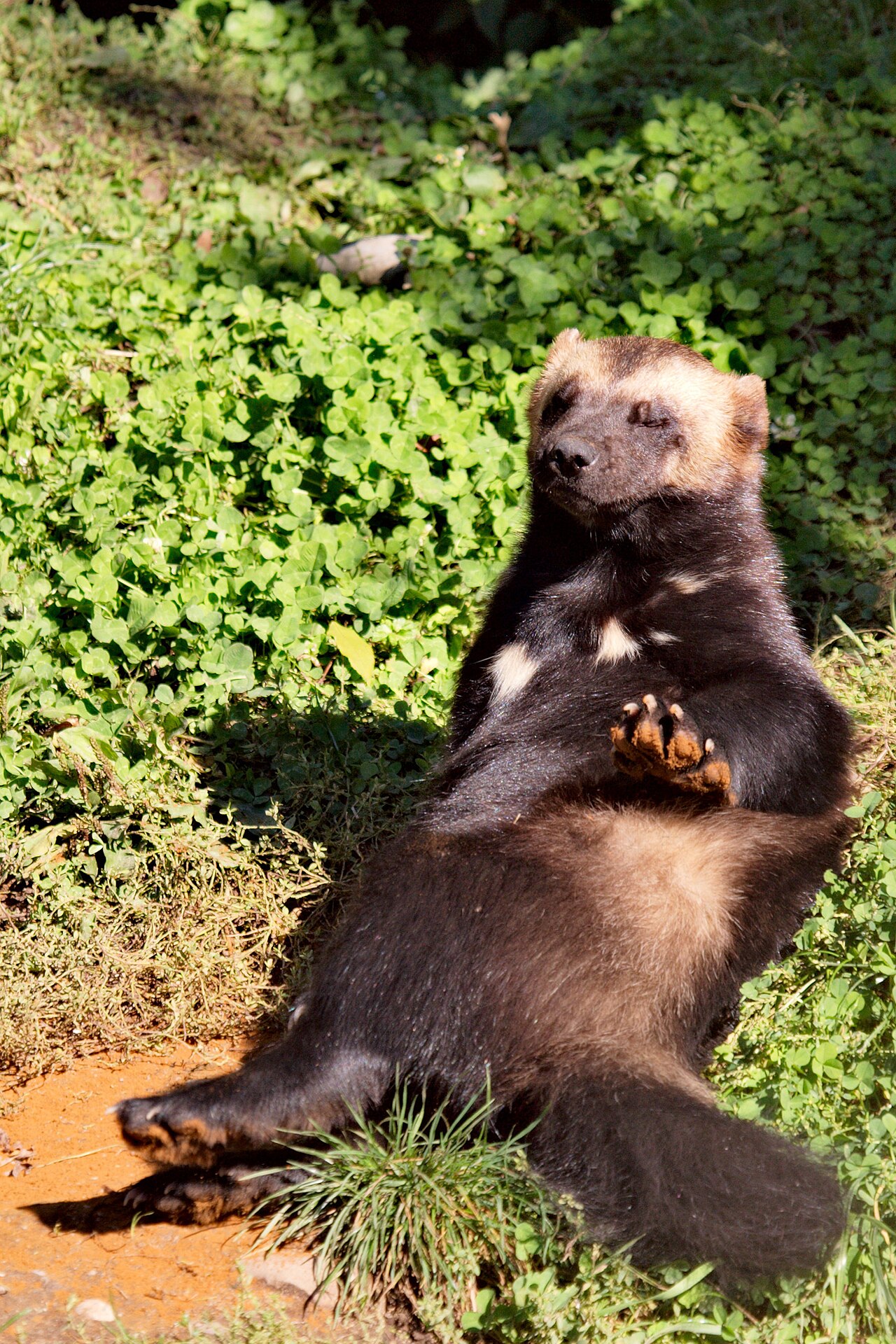
A real wolverine sighting in the lower 48 states is close to a once in a lifetime event. Fewer than 400 wolverines are estimated to live in the contiguous United States, scattered across the northern Rockies and the North Cascades, and the species was listed as threatened under the Endangered Species Act in 2023. Treat any sighting as significant for biological reasons before symbolic ones, and report it to your state wildlife agency.
Symbolically, the rarity is the message. Traditions that read animal encounters as omens weight them by improbability, so the wolverine ranks near the top. The common interpretation is confirmation: you are on a path few people take, it is costing you, and the encounter is read as the path answering back.
Is Seeing a Wolverine a Good Omen?
A wolverine is read as a demanding omen rather than a lucky one. Traditions that treat the animal as a sign agree that it arrives with work attached: a boundary to defend, a fight to stop postponing, or a scarcity to get through. Nothing in the symbolism promises an easier road, which is why it is rarely described as fortunate.
A wolverine that stands its ground rather than fleeing is read more sharply still, as a prompt about a confrontation you have been declining. The animal does not calculate odds, and the reading asks whether your own calculation has been honest or simply fearful. Read as a warning, the wolverine points at your own stubbornness rather than at an outside threat.
What Do Wolverines Represent in Dreams?
Wolverines in dreams are usually interpreted as anger you have not let yourself express. The animal’s defining trait is disproportionate aggression, so dream traditions read it as pressure that has been building past the point the dreamer admits. A wolverine attacking in a dream points inward, toward something you are doing to yourself.
A wolverine guarding a kill or a den is read differently, as a boundary issue. The question the tradition puts is what you are protecting and whether anyone has been taking from it without asking. People report this dream during disputes over credit at work, over money, and over time.
A wolverine crossing your path in a dream and ignoring you is generally the gentlest version, read as permission to stop performing toughness you do not feel. Dream meanings are shaped by personal association first, and someone who grew up in wolverine country will read the same dream differently from someone who knows the animal only from film.
The Wolverine as Spirit Animal and Totem
People identify with the wolverine when they are small, outmatched, and winning anyway. The wolverine totem in modern practice belongs to those who work alone by preference, who are routinely underestimated, and who respond to pressure by becoming more stubborn rather than less.
The personality traits attached to the totem are tenacity, territoriality, independence, and an unusually high tolerance for discomfort. Wolverines travel through conditions that kill other animals, and the symbolic version of that is someone who keeps functioning long after the situation stopped being reasonable. That is presented as a strength and read as a warning in the same breath.
The shadow side is isolation that has stopped being a choice, and aggression that has stopped being defensive. Wolverine energy turns corrosive when the animal cannot tell a threat from an inconvenience. If the totem fits you, the work it prescribes is discernment rather than more fight, which is the opposite of the lesson attached to retiring animals like the bat.
What Does a Wolverine Tattoo Symbolize?
A wolverine tattoo generally symbolizes survival through something that should have broken you. It is a common choice among people marking recovery, military service, or a long illness, and the meaning is usually private rather than decorative. The animal reads as refusal rather than triumph, which is why it appeals to people who do not feel the story ended well.
Regional and heraldic uses layer onto this. The wolverine is the state animal in popular usage in Michigan, which brings in a straightforward identity meaning, and the Marvel association brings in another. Many people getting the tattoo are deliberately choosing the animal over the character and ask for anatomically accurate work for that reason.
Posture carries most of the meaning in the design. A snarling wolverine reads as defiance, a wolverine crossing snow reads as endurance, and a wolverine with a kill reads as what was taken and kept. That is a narrower range than you get with broadly symbolic animals like the alligator, and the narrowness is part of the appeal.
Wolverine the Animal and Wolverine the Marvel Character
If someone calls you a wolverine, they almost certainly mean the animal’s reputation and not the comic character: scrappy, relentless, and tougher than your size suggests. In sports contexts it is a compliment about effort rather than skill. The insult version, if there is one, is about being unable to let anything go.
The Marvel character borrowed the animal’s reputation directly, and the traits line up: small stature, berserk aggression, healing from injury that should be fatal. The character’s creators have said the animal’s reputation for ferocity out of proportion to its size was the whole point. Questions about the character’s psychology belong to fiction, not to animal symbolism, and conflating the two is the single most common error in wolverine spiritual writing.
The real animal is not actually a berserker. Wolverines are cautious, wide-ranging scavengers that pick fights mainly over food and usually when the odds favor them. You can read more about wolverine biology and the species’ status through the U.S. Fish and Wildlife Service. Symbolism that stays close to the real animal is sturdier than symbolism built on the legend, a principle that also applies to the much-mythologized bobcat.
Frequently Asked Questions
What does a wolverine represent spiritually?
A wolverine represents fearless persistence, solitude, and the defense of territory against larger opposition. The spiritual reading draws directly from the animal’s behavior, which includes driving bears and wolves off carcasses despite weighing only 25 to 40 lbs. The message is usually that a confrontation you have avoided is more winnable than you think.
What does it mean if someone calls you a wolverine?
Being called a wolverine means you are seen as scrappy, stubborn, and tougher than your size suggests. It is usually a compliment about tenacity rather than skill or finesse. The less flattering edge of it is an inability to let a grievance go, since the animal is also a byword for relentlessness past the point of usefulness.
What does a wolverine tattoo symbolize?
A wolverine tattoo symbolizes survival through hardship and a refusal to submit. It is a frequent choice for marking recovery, military service, or a long struggle, and the meaning is typically personal. The posture shapes it: snarling reads as defiance, crossing snow reads as endurance, guarding a kill reads as protecting what you earned.
What are the personality traits of a wolverine?
The traits attached to the wolverine are tenacity, independence, territoriality, high tolerance for hardship, and an opportunistic streak. People who identify with the totem tend to work alone, resist pressure by digging in, and get underestimated. The shadow traits are isolation and aggression aimed at inconveniences rather than real threats.
What do wolverines represent in Native American traditions?
Wolverine lore belongs to subarctic peoples, especially the Innu and Naskapi, where Kuekuatsheu the wolverine is a trickster and culture hero in flood stories and comic tales. Dene traditions cast it as a cunning thief that robs traplines. The animal is read as clever and appetite-driven rather than noble, and the meanings differ by nation.
Are wolverines real animals?
Wolverines are real. Gulo gulo is the largest land-dwelling weasel, weighing 25 to 40 lbs, and it lives in boreal forest and tundra across Canada, Alaska, Scandinavia, and Siberia. Fewer than 400 remain in the contiguous United States, where the species was listed as threatened in 2023.