Barn Owl Symbolism: Spiritual Meaning and Signs
Barn owl symbolism stands for quiet perception and passage through the dark, and one of its best-known stories is Welsh. In the Mabinogion, a woman made of flowers is turned into an owl and sent to live by night. The pale face, the silent flight and the screech after dark carry that mix of beauty and secrecy to this day.
Most people meet the bird as a sudden white shape in the headlights or a scream over a dark field. The moment is short, and it leaves a question behind. Is it a warning, or something better?
Spiritually, a barn owl signals perception, stillness and a passage from one phase to the next. It is not a bad omen. The death-bird reputation comes from Roman natural history and British country names, while Japanese tradition links the owl to luck and to a life free of hardship.
What Does Barn Owl Symbolism Mean Overall?
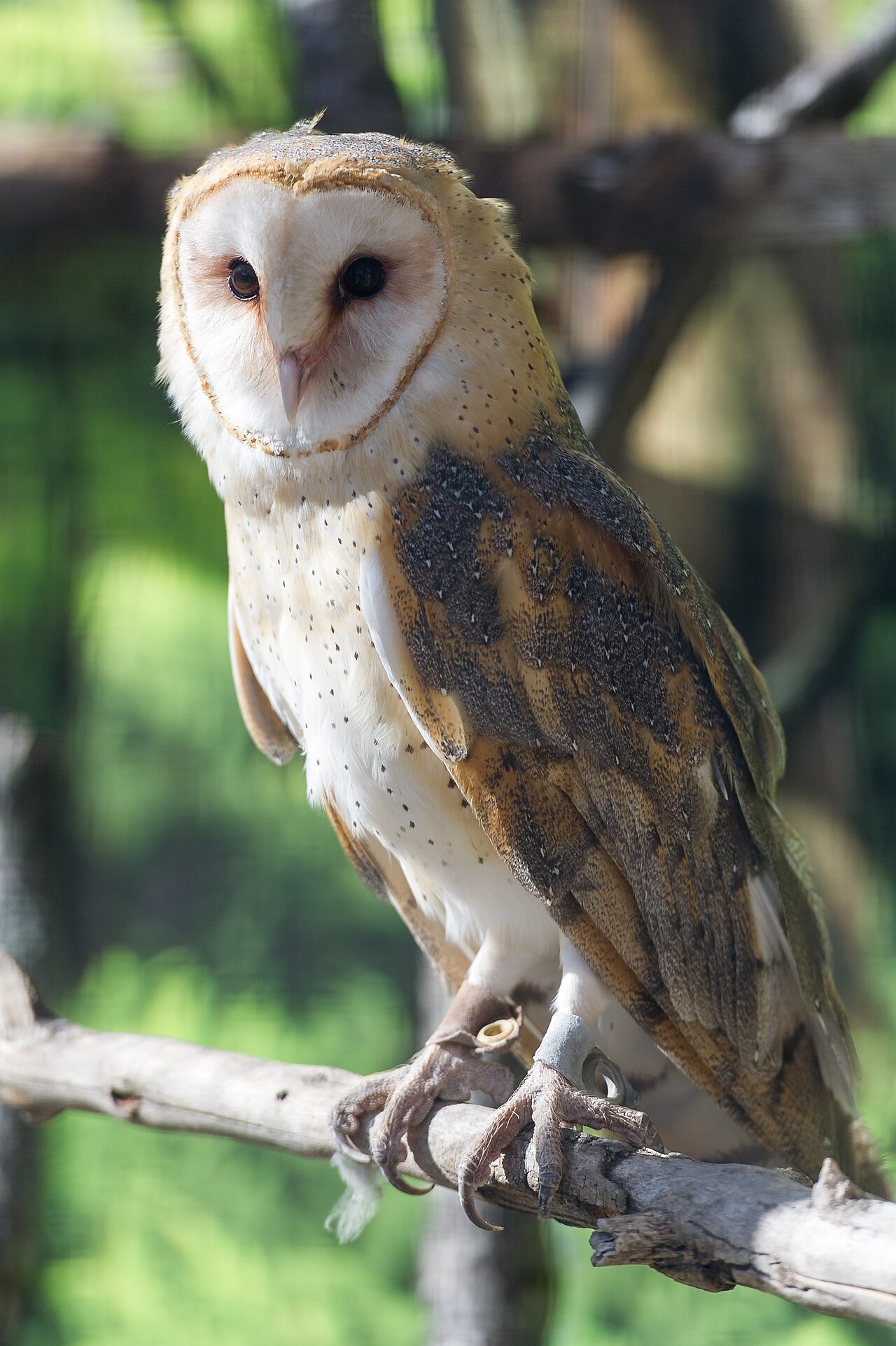
Barn owl symbolism means quiet perception, the ability to notice what others miss and to move through darkness without noise. The white facial disc, the soundless wingbeat and the night shift build that meaning. A barn owl does not announce itself. It appears, watches and leaves.
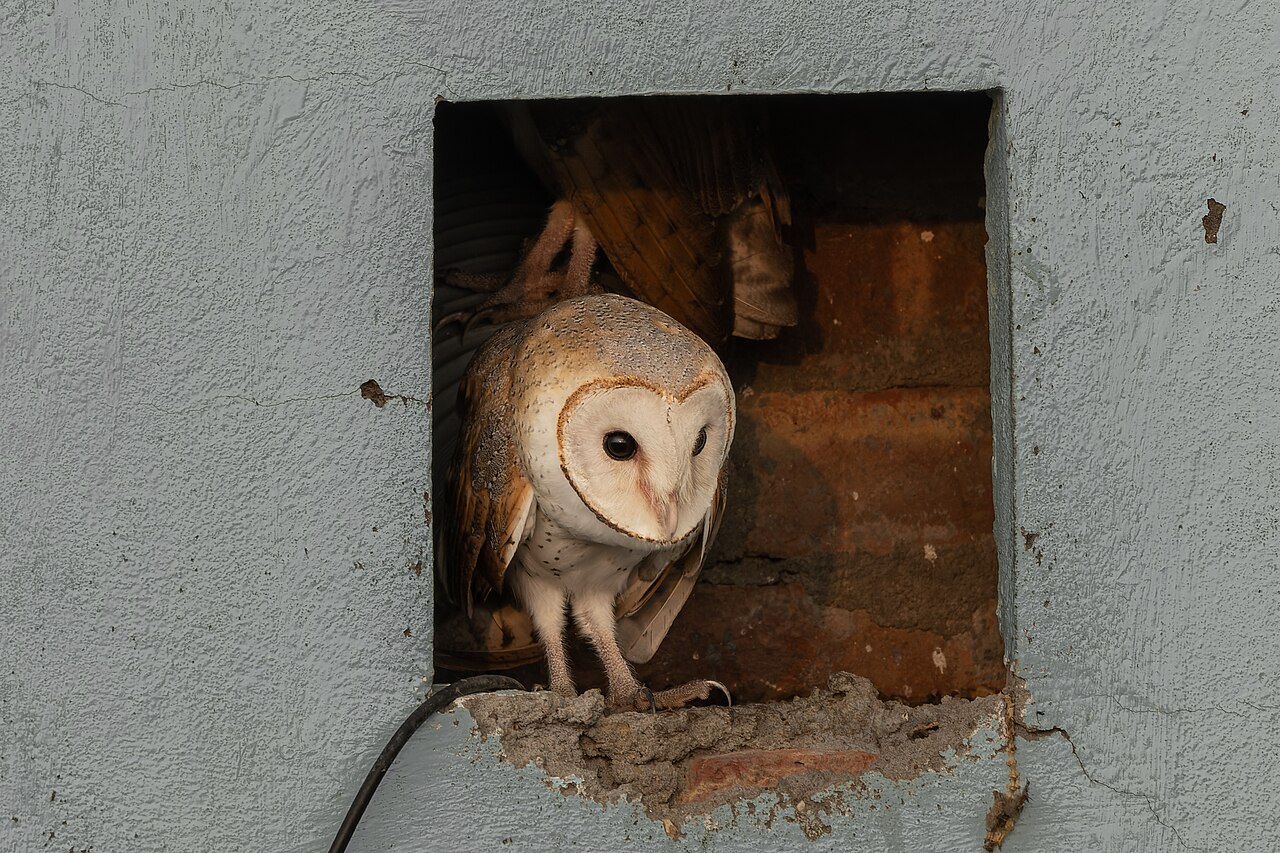
The barn owl, Tyto alba, is one of the most widespread land birds on Earth and lives on every continent except Antarctica. In the United States it hunts farmland, marshes and grassland edges. Its heart-shaped face works as a dish that funnels sound toward the ears.
That design is the core of the symbol. The owl trusts what it hears over what it sees, and the message follows the bird. Look past the surface, listen longer and act once you know where the target is.
What Does Seeing a Barn Owl Signify Spiritually?
Seeing a barn owl signifies a moment to pay attention, a call to notice what is happening quietly around you. The bird hunts by listening, and the sighting points you toward the same skill. Something you have overlooked asks for a closer look.
A barn owl also marks transition. It works the hours between dusk and dawn, the border between one day and the next. A sighting during a change in work, home or family fits that border, and its message is readiness, not loss.
Owl dream meaning follows the same thread of hidden knowledge rising into view. A barn owl in waking life adds stillness to it. Slow down, keep your voice low and let the facts come to you.
Are Barn Owls Good Omens?
Barn owls are good omens in Japanese tradition, and their bad-omen reputation traces to two specific sources, Roman natural history and British country lore. Neither source describes a curse the bird carries. Both describe fear of a pale shape at night.
Pliny the Elder, writing his Natural History in the first century, called the owl a funereal bird of the night. British farm names for the barn owl include ghost owl and church owl, and a screech near a house after dark counted as a death warning. A white bird gliding without sound past a churchyard explains both names.
Japanese tradition turns the owl into luck. The word fukurō can be written with characters meaning “no hardship,” and owl charms are given as gifts for good fortune. Dead owl meaning is a separate question, tied to endings rather than to a living bird’s visit.
Barn Owl Folklore: Welsh, English, Japanese and Hindu Traditions
Barn owl folklore links the owl to punishment and night in Wales, to death warnings in England, to luck in Japan and to wealth in Hindu tradition. Each story grows from the same traits. The bird is pale, silent and active when people sleep.
In the Mabinogion, the medieval Welsh story collection, the magician Gwydion turns Blodeuwedd, a woman made from flowers, into an owl after she plots her husband’s death. She is condemned to the night and shunned by other birds. In Hindu tradition, the owl Uluka is the mount of Lakshmi, goddess of wealth and fortune, though the owl also stands for foolishness in everyday Indian speech.
Greek tradition belongs to a different owl. Athena’s owl is the little owl, Athene noctua, a small brown species, not the barn owl. Biblical owl meaning rests on yet another source, the lists of unclean birds in Leviticus 11.
Barn Owl as a Spirit, Power or Totem Animal
The barn owl as a spirit animal stands for patience, keen listening and work done without fanfare. A person drawn to it trusts quiet observation over noise. Its strength is accuracy, not force.
The word totem comes from the Ojibwe doodem, a clan sign passed through family lines. An Ojibwe clan totem belongs to that nation’s own system. The barn owl as a personal totem is a modern idea, not an Ojibwe one.
As a power animal, the barn owl lends the traits the bird actually has. It waits, it hears a mouse moving under grass and it strikes once. Call on it when a decision needs precision more than speed.
White, Brown or Black: Barn Owl Color Meanings
White in a barn owl points to clarity and truth, brown and gold point to earth and steady work, and black points to the unknown. The first two colors appear on every barn owl. The third practically does not occur in the species.
The face and underside of a barn owl run from white to pale buff, and the back is golden brown mixed with gray. Females are darker below and more heavily spotted than males. One bird carries both clarity and grounding at once.
A black owl at night is a different species, such as the great horned owl (Bubo virginianus), or a barn owl seen in shadow. White owl spiritual meaning overlaps with the barn owl, because most white owls seen in yards across the lower 48 states are barn owls.
Seeing a Barn Owl by Day, at Night or Crossing Your Path
A barn owl by day is a hungry bird or a parent feeding young, a barn owl at night is on its normal shift, and one crossing your path signals a choice ahead. The behavior comes first. The meaning follows from it.
Daylight hunting happens when snow hides prey or when a nest of owlets needs more food than the night supplies. A daytime owl asks you to carry a duty in the open. At night, barn owls hunt low over roadside grass, and that habit puts them in front of headlights.
An owl crossing your path at that moment points to a turn, a decision you make before you arrive. Brake, let it pass and look ahead. The owl has already chosen its line.
| Sighting | What the owl is doing | What it signals |
|---|---|---|
| Daytime flight | Hunting during a prey shortage or feeding owlets | A duty to carry openly |
| Night flight over a road | Hunting the grass along the shoulder | Caution before a turn |
| Crossing your path | Moving between hunting perches | A choice ahead |
| Perched on a barn or fence post | Resting or scanning for prey | Pause and listen |
| Screech after dark | Calling to a mate or defending a nest | A demand for attention |
| White owl in the yard | A barn owl showing its pale underside | Clarity |
How Rare Is It to See a Barn Owl, and What Kills Them?
Seeing a barn owl is uncommon for most people in the United States, even though the species ranges across most of the lower 48 states. It hunts after dark and roosts out of sight in barns, tree cavities and nest boxes. Its flight makes almost no sound.
The biggest killers of barn owls are vehicle collisions, second-generation anticoagulant rodenticides and the loss of grassland and old farm buildings. An owl that eats poisoned rats takes in the poison too. The Cornell Lab of Ornithology reports that barn owls are declining in parts of their range because of habitat loss, and several Midwestern states list the bird as endangered or of special concern.
Barn owl sounds reveal the bird more often than sightings do. A long, harsh screech over a field at night is the surest sign one hunts nearby.
Frequently Asked Questions
What zodiac is the owl associated with?
The western zodiac has no owl sign, and its twelve signs from Aries to Pisces include no bird of prey. The Chinese zodiac has no owl either. Owl zodiac charts on astrology sites are recent inventions that disagree with one another, so no sign holds a traditional claim to the owl.
What are the behavioral characteristics of barn owls?
Barn owls are nocturnal hunters that find prey by hearing, even in total darkness. They fly almost silently on soft-edged feathers, roost out of sight by day and swallow small rodents whole. Pairs reuse good nest sites, from barn lofts to tree cavities and nest boxes, year after year.
Do barn owls hoot?
No. Barn owls screech, a long and harsh scream that carries across open fields at night. They also hiss, click and snap their bills near the nest. The deep hoo-hoo heard in American woods belongs to other species, such as the great horned owl or the barred owl.
Is a barn owl the same as a white owl?
No. The snowy owl, Bubo scandiacus, is a separate Arctic species that winters in Canada and the northern United States. A white owl seen in a yard or barn across most of the lower 48 states is a barn owl showing its pale face and underside, not a snowy owl.
What is the omen for seeing an owl?
The omen for seeing an owl is a call to slow down and notice, and the death-omen story belongs to specific sources rather than to the bird. Owls hunt where prey moves, so a sighting reflects good habitat nearby. A healthy owl near your home signals a field in balance and rodents kept in check.
Sources
- CDC, Healthy Pets: Birds
- USDA APHIS, H5N1 Highly Pathogenic Avian Influenza
- Cornell Lab of Ornithology, All About Birds: Barn Owl Overview