Woodpecker Spiritual Meaning: Persistence Explained
The woodpecker’s spiritual meaning centers overwhelmingly on determination, persistence, and the steady, repeated effort required to break through obstacles, a symbolic reading drawn directly from the bird’s most obvious and genuinely remarkable behavior: drumming its beak against solid wood, sometimes thousands of times per day, to excavate nest cavities, locate food, and communicate across its territory, an act of sustained physical effort that has made the woodpecker a natural symbol across numerous cultures for the idea that consistent, patient effort eventually breaks through even the hardest obstacles.
Beyond this core persistence symbolism, woodpecker spiritual meaning branches into several related but distinct interpretations depending on tradition and specific context, including opportunity knocking, protection of resources, and in some traditions, deeper connections to rhythm, communication, and the underlying structure hidden beneath a surface that must be broken through to reveal what lies within. This guide covers the core persistence symbolism grounded in genuine woodpecker biology, cultural variations across different traditions, what specific woodpecker encounters and behaviors are traditionally read to mean, and how to hold both the biological reality and symbolic interpretation together meaningfully.
| Context | Traditional Meaning |
|---|---|
| General symbolism | Persistence, determination, breaking through obstacles |
| Drumming sound heard | Opportunity knocking, message arriving |
| Native American tradition | Protection, resourcefulness, rhythm |
| Woodpecker visits your home | Change coming, hidden potential to uncover |
| Red-headed species specifically | Passion, vitality, added intensity |
| Repeated visits | A message or lesson requiring attention |
The Core Symbolism: Persistence and Breaking Through
The woodpecker’s most universally recognized spiritual meaning stems directly from its defining physical behavior: repeatedly striking its beak against tree bark and wood, an action requiring genuine anatomical specialization, including a reinforced skull structure and shock-absorbing tissue, to withstand forces that would cause serious injury to most other animals, all in pursuit of excavating nest cavities or locating insect prey hidden beneath the bark surface.
This remarkable capacity for sustained, repeated effort against a seemingly impenetrable surface has made the woodpecker a natural and remarkably consistent symbol across cultures for persistence, determination, and the idea that patient, repeated effort eventually breaks through obstacles that might initially seem insurmountable, a metaphor many people find genuinely meaningful when facing their own significant challenges or long-term goals requiring sustained effort rather than quick results.
This persistence symbolism carries a specific nuance worth noting: unlike symbols emphasizing raw strength or single dramatic efforts, the woodpecker’s method is specifically about repetition and steady rhythm rather than one powerful blow, a distinction that resonates particularly with people facing challenges requiring patience and consistent daily effort over time rather than problems solvable through a single decisive action, making the woodpecker’s spiritual meaning genuinely distinct from more force-oriented animal symbolism found elsewhere in nature-based spiritual traditions.
Opportunity Knocking: The Drumming Sound as Message
Beyond the general persistence symbolism, hearing a woodpecker’s distinctive drumming specifically is often interpreted as a sign that opportunity is knocking, drawing on the literal knocking sound itself as a natural metaphor for something seeking your attention or a chance presenting itself that requires you to respond or take notice rather than letting it pass by unrecognized.
This opportunity-knocking interpretation connects meaningfully to the broader persistence theme, since the traditional reading suggests that recognizing and acting on the opportunity may itself require the same kind of sustained effort the woodpecker demonstrates, rather than expecting an easy, effortless outcome once the opportunity is noticed, a nuanced reading that avoids reducing the symbolism to simple good luck alone.
Some traditions specifically read the drumming sound as indicating a message trying to reach you from your subconscious, a spiritual guide, or simply your own intuition attempting to break through everyday mental noise and distraction, similar to how the woodpecker’s drumming breaks through the solid surface of bark to reach what lies beneath, a metaphor for insight or clarity requiring active effort to access rather than arriving passively.
Native American Traditions: Protection and Rhythm
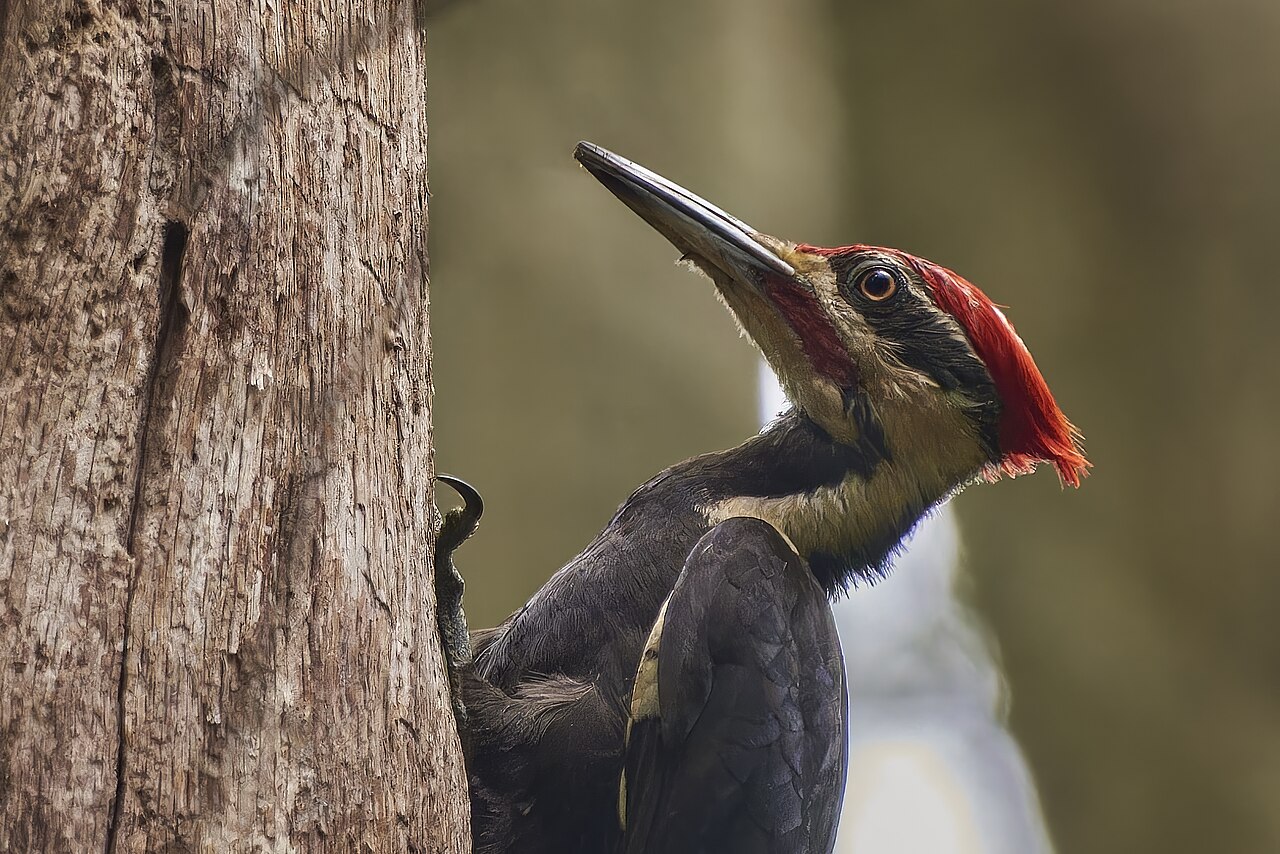
Many Native American traditions hold woodpeckers in particular symbolic regard, often associating them with protection, resourcefulness, and rhythm specifically, with some tribes viewing the woodpecker’s drumming as connected to drumming traditions used in ceremony and communication, drawing a direct parallel between the bird’s natural behavior and human ceremonial practices centered on rhythm and sound.
Certain traditions specifically associate woodpeckers with protecting resources or territory, drawing on the bird’s genuine behavior of defending nest cavities and food caches from other animals, a protective symbolism that extends metaphorically to protecting one’s own resources, family, or personal boundaries in various traditional interpretations of encountering this bird.
The woodpecker’s role in some traditions as a messenger or bridge between different levels of awareness or different realms connects to its unique behavior of moving between the ground, tree trunks, and canopy, along with its distinctive drilling into the hidden interior world beneath tree bark, giving the woodpecker a symbolic role in some traditions as a creature that moves between and reveals connections across different layers of reality that are not immediately visible on the surface.
What It Means When a Woodpecker Visits Your Home
A woodpecker specifically visiting or repeatedly appearing near your home, rather than simply being encountered in general outdoor observation, is often given additional symbolic weight in various traditions, typically interpreted as a sign that meaningful change is approaching, that hidden potential within yourself or your current situation needs to be uncovered, or that you should pay closer attention to persistent effort currently underway in some area of your life.
This home-specific interpretation sometimes connects to the practical reality that woodpeckers occasionally do drum on house siding, gutters, or other resonant structures specifically because these materials amplify sound effectively for territorial or mate-attraction purposes, meaning a literal woodpecker problem on your house can coincidentally align with the timing of significant personal change, creating a memorable, meaningful coincidence for people specifically looking for symbolic significance in the encounter.
Repeated visits from a woodpecker specifically, rather than a single isolated encounter, are traditionally read as indicating a message or lesson requiring more sustained attention, similar to how the bird itself demonstrates sustained, repeated effort rather than a single action, suggesting that whatever change or insight the encounter represents may require ongoing attention and effort on your part rather than being resolved through a single moment of realization alone.
Color and Species-Specific Meanings
Red-headed woodpecker species specifically, including several common North American species displaying prominent red head coloring, often carry additional symbolic emphasis around passion, vitality, and intensified energy, drawing on red’s broader color symbolism across many traditions as representing strong emotion, life force, and heightened significance compared to more muted woodpecker species lacking this striking red coloration.
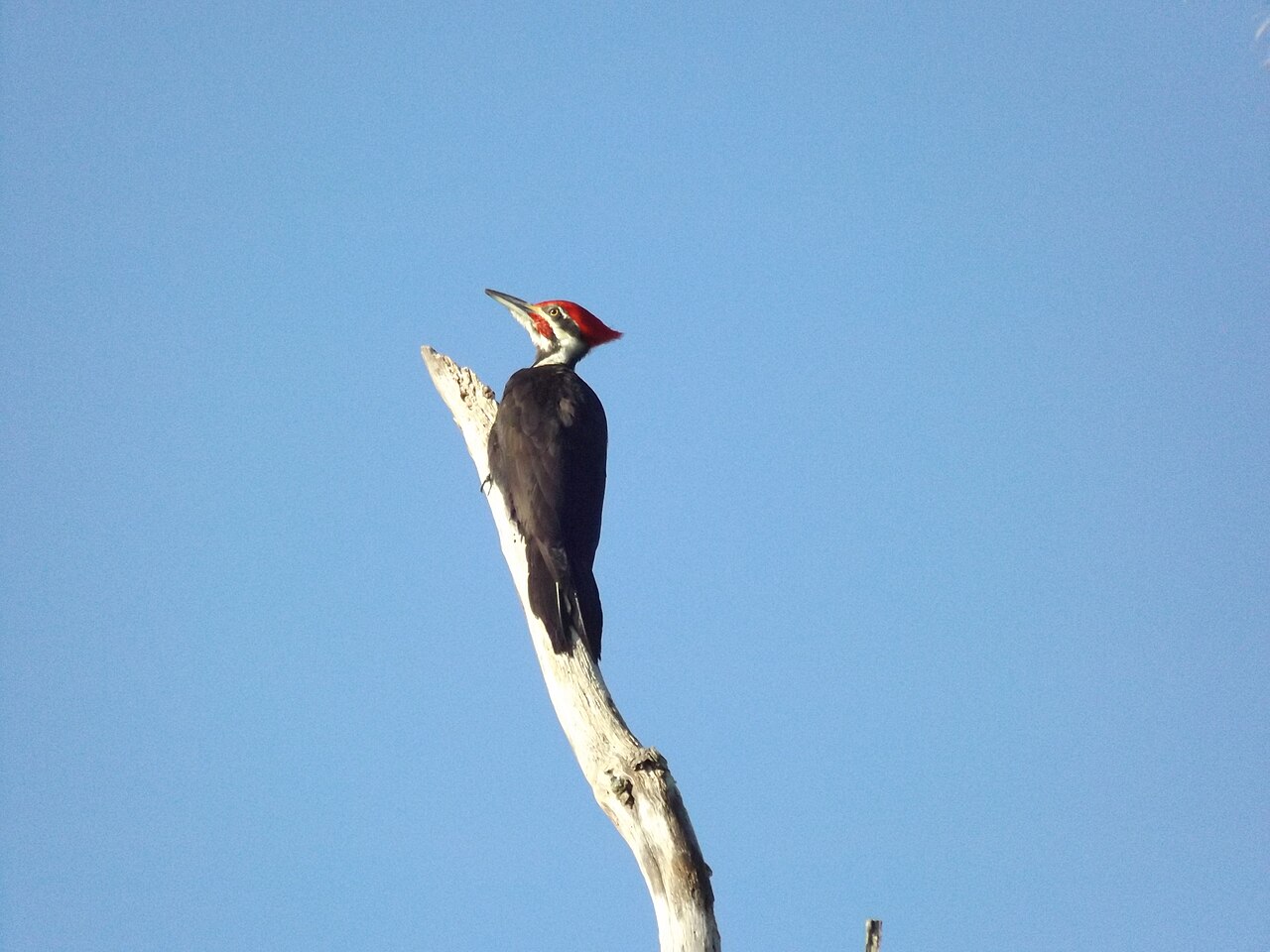
The pileated woodpecker specifically, among the largest and most visually striking North American woodpecker species with its prominent red crest, sometimes carries amplified versions of the general persistence and determination symbolism given its considerably larger size and more dramatic physical presence compared to smaller woodpecker species, making an encounter with this particular species feel especially significant to some observers specifically seeking symbolic meaning in the sighting.
Smaller, less visually dramatic species like the downy woodpecker, while sharing the same core drumming behavior and general persistence symbolism, are sometimes read as representing more modest, quieter forms of persistence and determination, a gentler interpretation of the same underlying symbolic theme that scales the meaning somewhat to match the bird’s more understated physical presence compared to larger, more visually striking woodpecker species.
Holding Biology and Symbolism Together
The woodpecker’s spiritual symbolism draws genuine strength from being grounded in real, well-documented biological behavior rather than pure invented mythology, since the bird’s actual drumming behavior, nest excavation, and remarkable anatomical adaptations for withstanding repeated impact are all scientifically documented facts that give the persistence-and-breaking-through symbolic reading a foundation in verifiable natural history rather than symbolism disconnected from the animal’s genuine behavior.
This grounding in real biology means the woodpecker’s spiritual meaning can be appreciated on multiple levels simultaneously without any contradiction: understanding the genuine anatomical and behavioral adaptations that allow woodpeckers to drum thousands of times daily without brain injury, covered in more biological detail across our broader woodpecker identification resources like our types of woodpeckers guide, in no way diminishes the personal, symbolic significance many people find in observing this remarkable behavior and drawing their own meaningful parallels to persistence in their own lives.
Whether someone approaches a woodpecker encounter primarily through a scientific lens of genuine appreciation for remarkable animal adaptation, through a spiritual lens of symbolic meaning-making, or through some blend of both perspectives, the woodpecker offers a genuinely rich subject for reflection precisely because its real biological behavior so directly and tangibly embodies the persistence symbolism so many traditions have independently drawn from watching this bird at work.
Identifying Which Woodpecker You Encountered
For anyone specifically wanting to layer species-level meaning onto a woodpecker encounter, correctly identifying which particular species you observed adds genuine specificity to the general symbolism covered throughout this guide, with common identification features including overall size, the presence or absence of red coloring and its specific location, and distinctive markings that separate similar-looking species like the frequently confused downy and hairy woodpeckers.
Our downy vs hairy woodpecker guide covers the specific identification challenge between these two commonly confused similar-sized species in detail, while distinctive larger species like the pileated woodpecker and the notably patterned red-bellied woodpecker, along with more visually understated species like the downy woodpecker, each carry their own specific visual identification features worth learning for anyone hoping to correctly identify their specific woodpecker encounter beyond the general family-level recognition most people already have.
Building genuine identification skill alongside symbolic appreciation gives woodpecker encounters considerably more depth and specificity than treating all woodpeckers as symbolically interchangeable, since understanding which particular species you encountered, its specific behavior patterns, and its relative size and visual distinctiveness all add meaningful texture to whatever personal significance you choose to draw from the experience.
Related reading: House Finch Spiritual Meaning.
Related reading: Bald Eagle Spiritual Meaning.
Frequently Asked Questions
What does it mean spiritually when you see a woodpecker?
Woodpeckers primarily symbolize persistence, determination, and breaking through obstacles through sustained, repeated effort, drawn directly from the bird’s genuine drumming behavior against tree bark and wood.
What does it mean when a woodpecker drums on your house?
Beyond the practical reality that house siding sometimes amplifies sound effectively for the bird’s own territorial purposes, many traditions read this as opportunity knocking or a sign of approaching significant change requiring your attention.
Is a woodpecker visit a good omen?
Generally yes; most traditions read woodpecker encounters positively, emphasizing persistence rewarded, hidden potential being uncovered, or meaningful opportunity, rather than any negative or cautionary symbolic reading.
What does a red-headed woodpecker symbolize specifically?
Red coloring typically adds emphasis on passion, vitality, and intensified energy to the general persistence symbolism, drawing on red’s broader association with strong emotion and heightened life force across many traditions.
Why do Native American traditions associate woodpeckers with rhythm?
The bird’s drumming behavior parallels ceremonial drumming traditions used for communication and ritual, drawing a direct symbolic connection between the woodpecker’s natural behavior and human rhythmic ceremonial practices.
Does seeing a woodpecker multiple times mean something different than once?
Yes, repeated visits are traditionally read as indicating a message or lesson requiring sustained attention, mirroring the bird’s own repeated, persistent drumming behavior rather than a single decisive action.
How is the woodpecker’s spiritual meaning connected to its actual biology?
The persistence symbolism draws directly on real, documented behavior: woodpeckers genuinely drum thousands of times daily using specialized anatomical adaptations, giving the symbolic reading a foundation in verifiable natural history.